Thanks again for reading Tentaclii for another month, especially such a grim month as January. And thanks also to those who have donated recently, or who continue to do so. You made my Christmas and New Year a little merrier that it might otherwise have been.
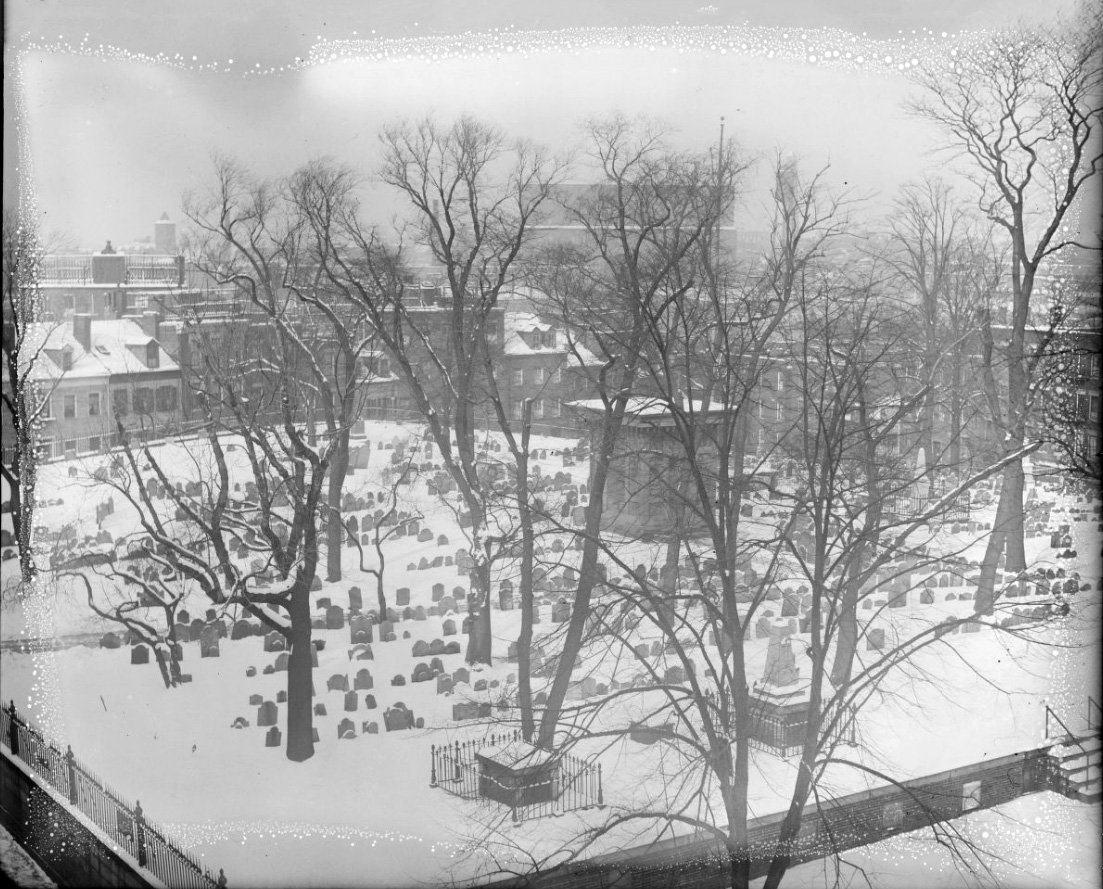
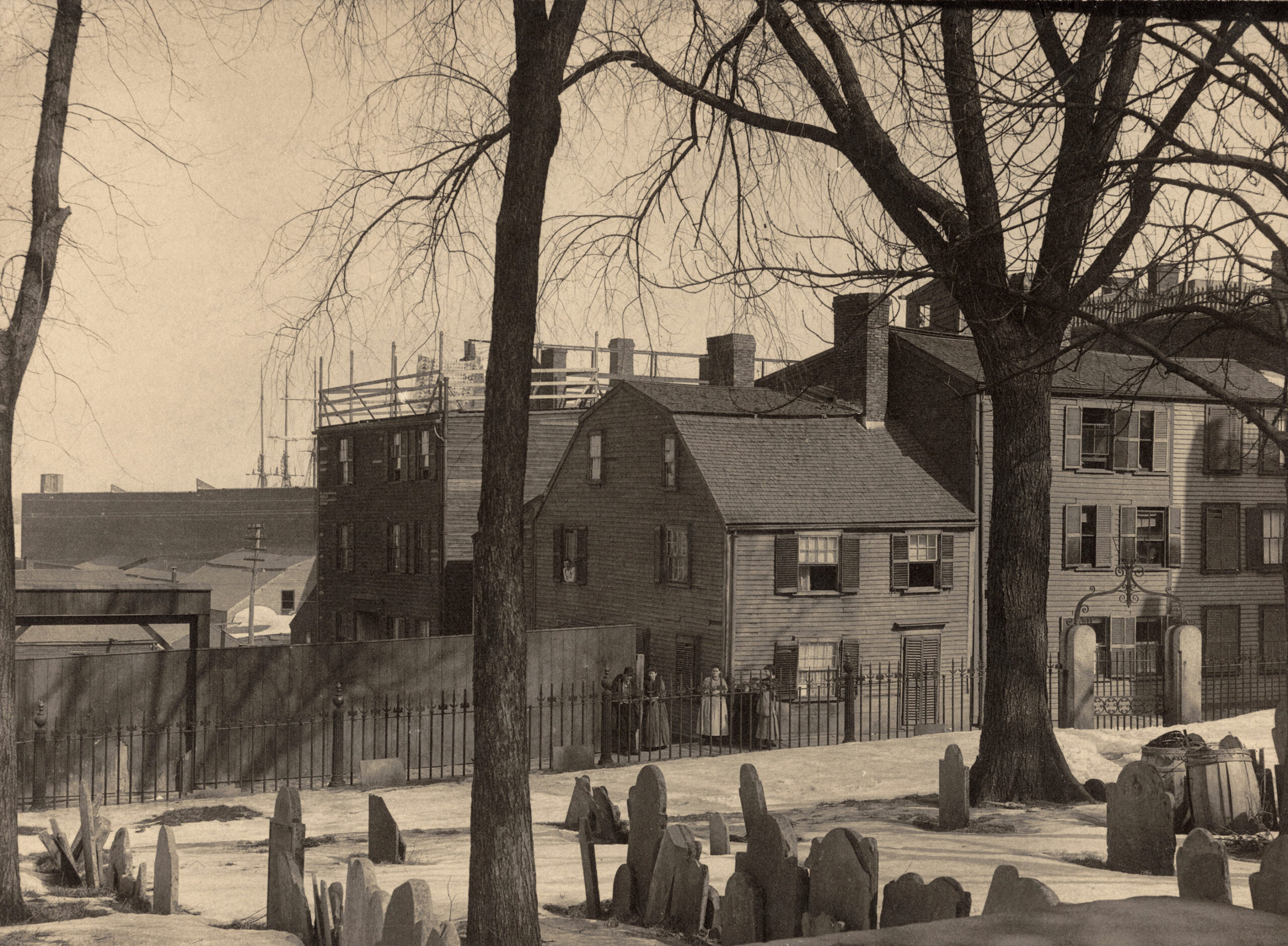
In ‘Picture Postals’ I riffled through the growing online archives of the city of Boston. I came up with a tour of the Ancient Greek sculpture galleries in Boston, more or less as they would have been seen and enjoyed by the young Lovecraft (relevant to his later breakthrough poem “The City”); I took a ride on the Boston Elevated railway and Subway (“Pickman’s Model”, “At The Mountains of Madness”, and “Nyarlathotep”); and dived down into the Boylston St. subway (“Pickman’s Model”). Further, I found an evocative picture of the Reading Room of the Boston Public Library (Lovecraft knew it because he comments on a painting and some Grail tapestries he’d seen there), and I took a look at shops and old houses near Lovecraft’s bit of Clinton Street, New York City.
As a request from a Patreon patron I made a quick survey-list for his chosen topic of “Does HPL have any ‘lost’ manuscripts?”, as well as pointing him to a Lovecraft Annual article on the topic. My thanks to Martin A. for a couple of queries and suggestions on that post.
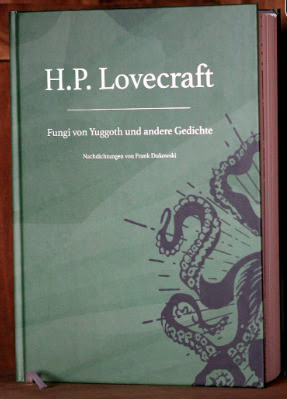
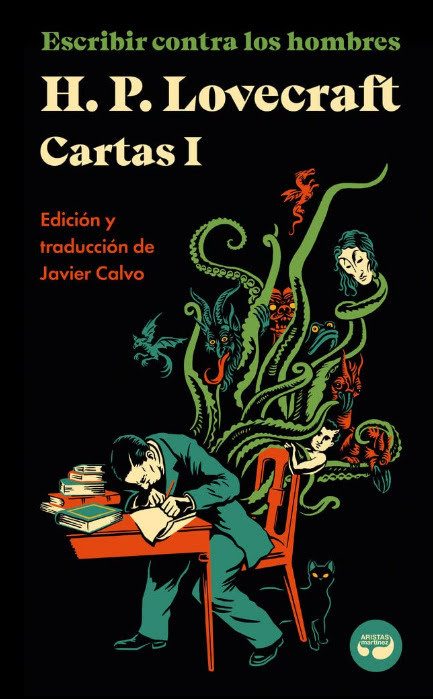
In books this month the French had their sixth volume of their sumptuous new ‘complete H.P. Lovecraft’, and the seventh and last volume is due next month. Congratulations to all concerned on (nearly) completing such a monumental project. In other books, S.T. Joshi’s new Horror Fiction Index was released, which appears to be a handy time-saving ‘story finding aid’ on which others will no doubt be able to build in future. It’s the sort of thing that perhaps needs to be made into a collective wiki-like enterprise in due course, I’d suggest. I was also pleased to see that the latest (and possible last) incarnation of the definitive Arthur C. Clarke biography had at last made it to the Kindle as an ebook.
I trawled Google News and confirmed that Derleth and Eddy Jr. have indeed slipped into the Public Domain in Canada, in perpetuity. Canada’s sneaky new ’70 year law’ change is not retrospective.
In events, the London Lovecraft Festival and the 28th Annual H.P. Lovecraft Film Festival both had dates or rosters, and there were also Tentaclii posts trailing the forthcoming Howard Days and Pulpfest.
In scholarly journals I was pleased to spot a new Crypt of Cthulhu #114 (July 2022), which I had missed hearing about. One blogger also noted in passing that the Crypt editor’s Eldritch Tales ‘zine is up and running again. In academic journals I noted Inklings: Jahrbuch fur Literatur und Asthetik, and ALPH: Approaches to Literary Phantasy, both new to me. Over in Tolkien-land I produced the first two issues of Tolkien Gleanings, free in PDF, which does for Tolkien what Tentaclii does for Lovecraft. Regrettably Tolkien Gleanings has yet to prompt even one purchase of my recent Tolkien books. Sadly people have simply stopped spending on such small purchases, in the face of enormous energy and food bills and rising mortgages. The buyers who used to think nothing of spending $50 a month on an ebook, a bit of software, a magazine, and a useful service on Fivver, have all gone.
I was pleased to release an expanded free PDF of “The Family of Author Sydney Fowler Wright” in collaboration with Ken Faig Jr. Both Tolkien and Wright are (were) local lads, so I’m able to put my local knowledge to some use there.
Not much this month in Lovecraft arts, other than noting the HPL Historical Society Lapel Pins and a few nice vintage book covers. Though there is a wave of AI-generated art out there, if you care to look. In audio the latest Voluminous podcast was a huge one (I still haven’t been brave enough to venture in, and it may have to wait for a long six-hour rail journey), while the Cromcast podcast surveyed “R.E. Howard’s Poetry Pals”. Librivox had an album’s worth of readings in January, all free and under Public Domain.