Who knew? Lovecraft alive and well, and serving as Mayor of the city of Gambier, Ohio — home of Kenyon College. His running slogan: ‘Keep Ohio Weird’.
‘Keep Ohio Weird’
27 Sunday Feb 2022
Posted in Odd scratchings

27 Sunday Feb 2022
Posted in Odd scratchings
Who knew? Lovecraft alive and well, and serving as Mayor of the city of Gambier, Ohio — home of Kenyon College. His running slogan: ‘Keep Ohio Weird’.
26 Saturday Feb 2022
Posted in Podcasts etc., Scholarly works
Symposium from the Untold Depths: Lovecraft and the Popular, 25th March 2022, online. Seems to be a joint postgrad symposium linking students at Birmingham University and Manchester Met (MMU), England.
It has three interesting sounding talks…
* Post-Millenial Lovecraftian Humour.
* From Thalassophobia to a Thalassic Feeling in H.P. Lovecraft’s Oceanic Weird Fiction.
* ‘A Greek Influenced by Grimm’: H.P. Lovecraft’s Classical Reception
25 Friday Feb 2022
Posted in Picture postals
This week in the Friday ‘Picture Postals’, another look at academic environments known to H.P. Lovecraft. This time, his visit to Yale in 1935. Sadly he was not visiting as an honoured guest, invited to lecture and conduct a symposium. He was merely an architectural and antiquarian tourist. He wrote similar descriptions of his campus visit to Rimel, White and possibly to others. Here he writes to White…
[I visited the] college buildings, &c., & […] 3 museums & 2 botanic gardens. The most impressive sights of all, perhaps, are the great new quadrangles of Yale University — each an absolutely perfect reproduction of old-time architecture & atmosphere, & forming a self-contained little world in itself. The Gothic courtyards transplant one in fancy to mediaeval Oxford or Cambridge — spires, oriels, pointed arches, mullioned windows, arcades with groined roofs, climbing ivy, sundials, lawns, gardens, vine-clad walls & flagstoned walks — everything to give the young occupants that massed impression of their accumulated cultural heritage which they might obtain in Old England itself.
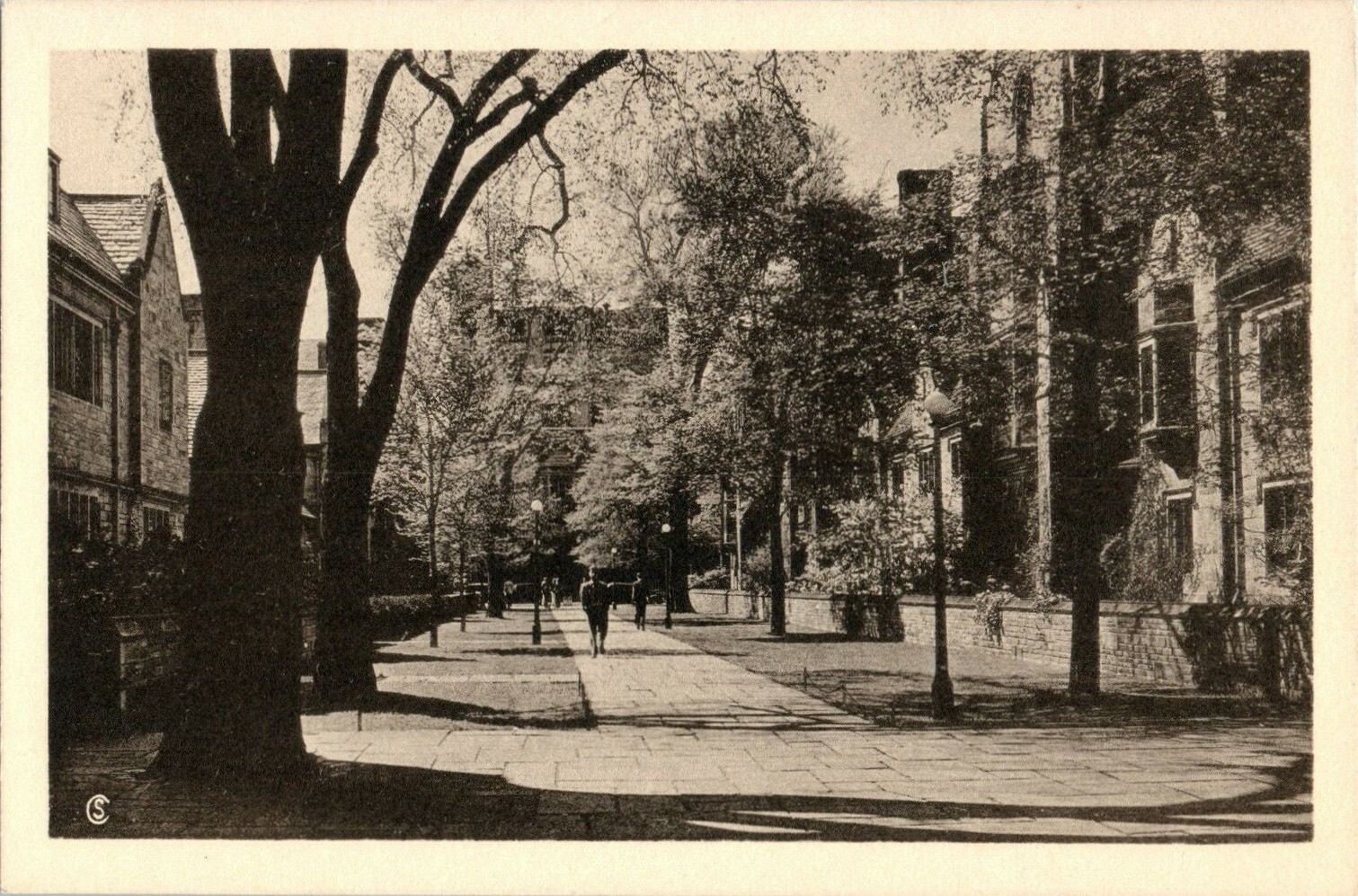
To stroll through these quadrangles in the golden afternoon sunlight; at dusk, when the candles behind the diamond-paned casements flicker up one by one; or in the beams of a mellow Hunter’s Moon; is to walk bodily into an enchanted region of dream. It is the past & the ancient mother land brought magically to the present time & place.
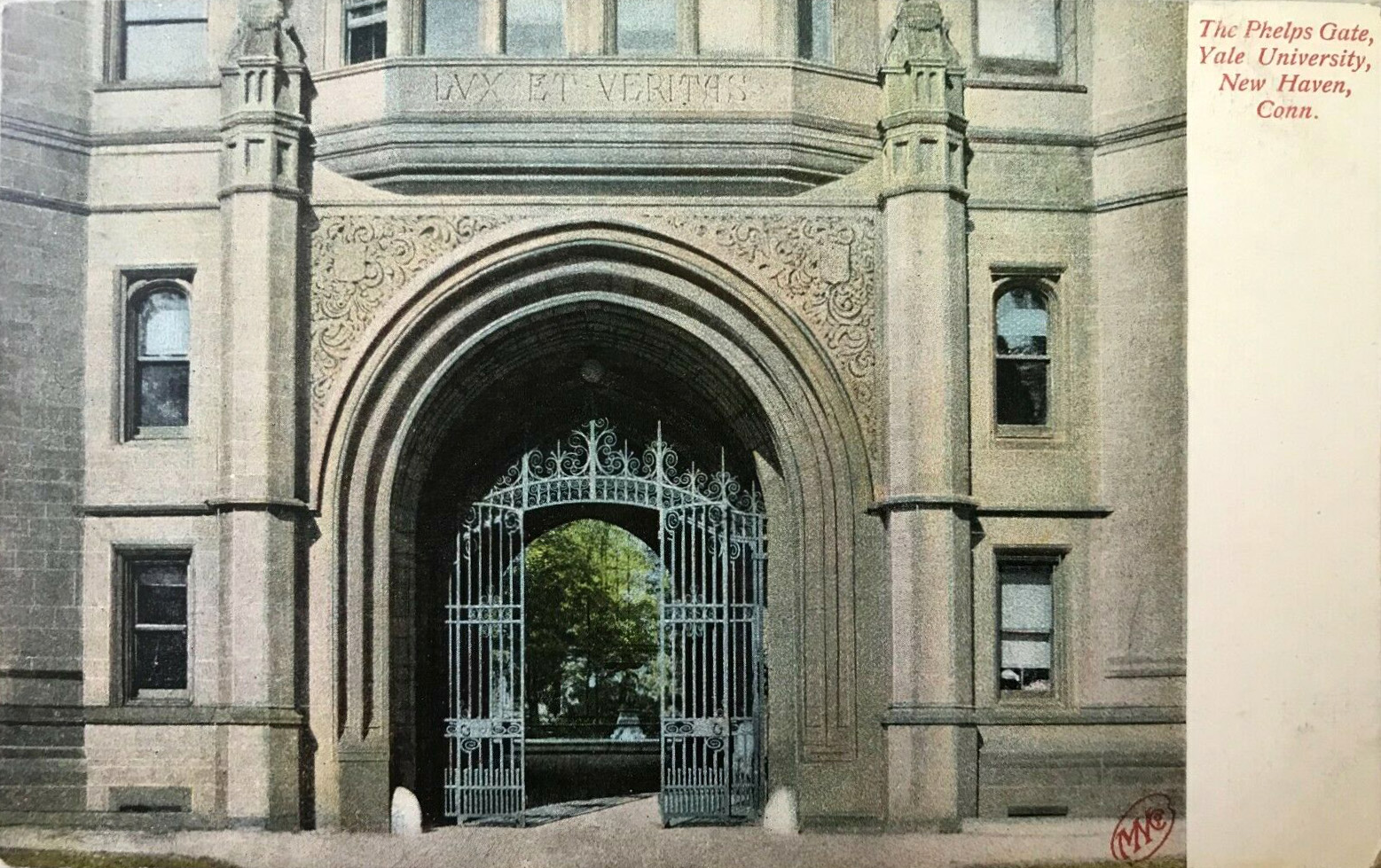
The choicest of these quadrangles is Calhoun College — named from the illustrious Carolinian (whose grave in St. Philips churchyard, Charleston, I visited only 2 months ago), who was a graduate of Yale.
Calhoun College was erected at Yale between 1931 and 1932, complete with a fine new quadrangle. The new building was not a plain 1930s modernist box. It was something that Lovecraft the antiquarian could admire. Brand-new though it was. He visited in the unusually fine and warm fall/autumn weather of late 1935, and after a few years had mellowed the newness and given the place some plant-life.

The quadrangle is very difficult to find a vintage photograph of, even on postcards. Perhaps they had a ‘no photography’ policy after opening. Anyway, the Yale archives has just one, seen above newly colorised by myself. We see the quad when it was when ‘just that week’ completed, and my guess is that the architect and the carpenter (seen in the picture) are just starting the very first ‘race around the quad’.
One might have expected Lovecraft to have visited the Yale University Observatory, but he doesn’t appear to mention it in the letters I have access to. Possibly it wasn’t deemed a public attraction for visitors. But he did see the 1917 Harkness Tower and Lovecraft was also enamoured of the other Yale quadrangles, these being freely accessible. Here he is again writing to White…
Nor are the Georgian quadrangles less glamorous — each being a magical summoning-up of the world of two centuries ago. I wandered for hours through the limitless labyrinth of unexpected elder microcosms.
He further writes to Galpin…
Many distinct types of Georgian architecture are represented [at Yale], & the buildings & landscaping alike reflect the finest taste which European civilisation has yet developed or is ever likely to develop.
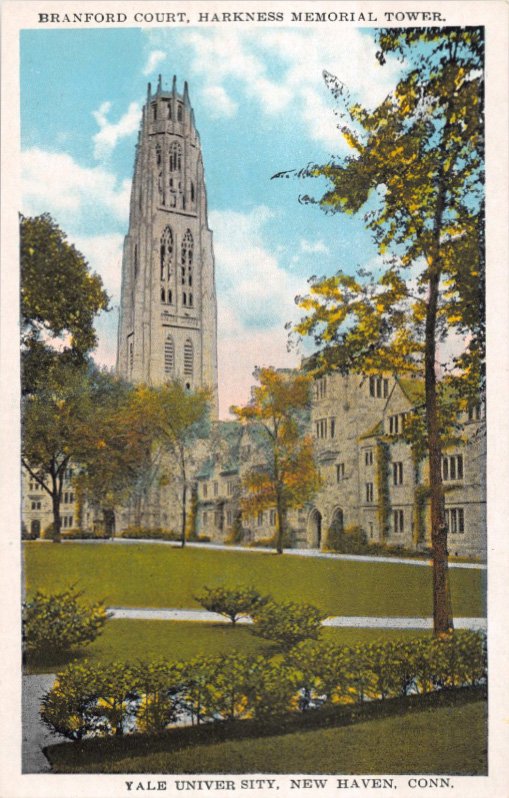
As we see here, many universities abundantly earned their once-familiar name of ‘groves of academe’, being very abundant with foliage. It was the same back in Great Britain. Even there, some colleges took things to excess. In 1920 even Country Life magazine complained of… “the Fellows of Exeter, something really ought to be done about their excessive love of greenery”. This was Tolkien’s college, Exeter College, Oxford. As we can see below, parts of Yale ran them a close second…
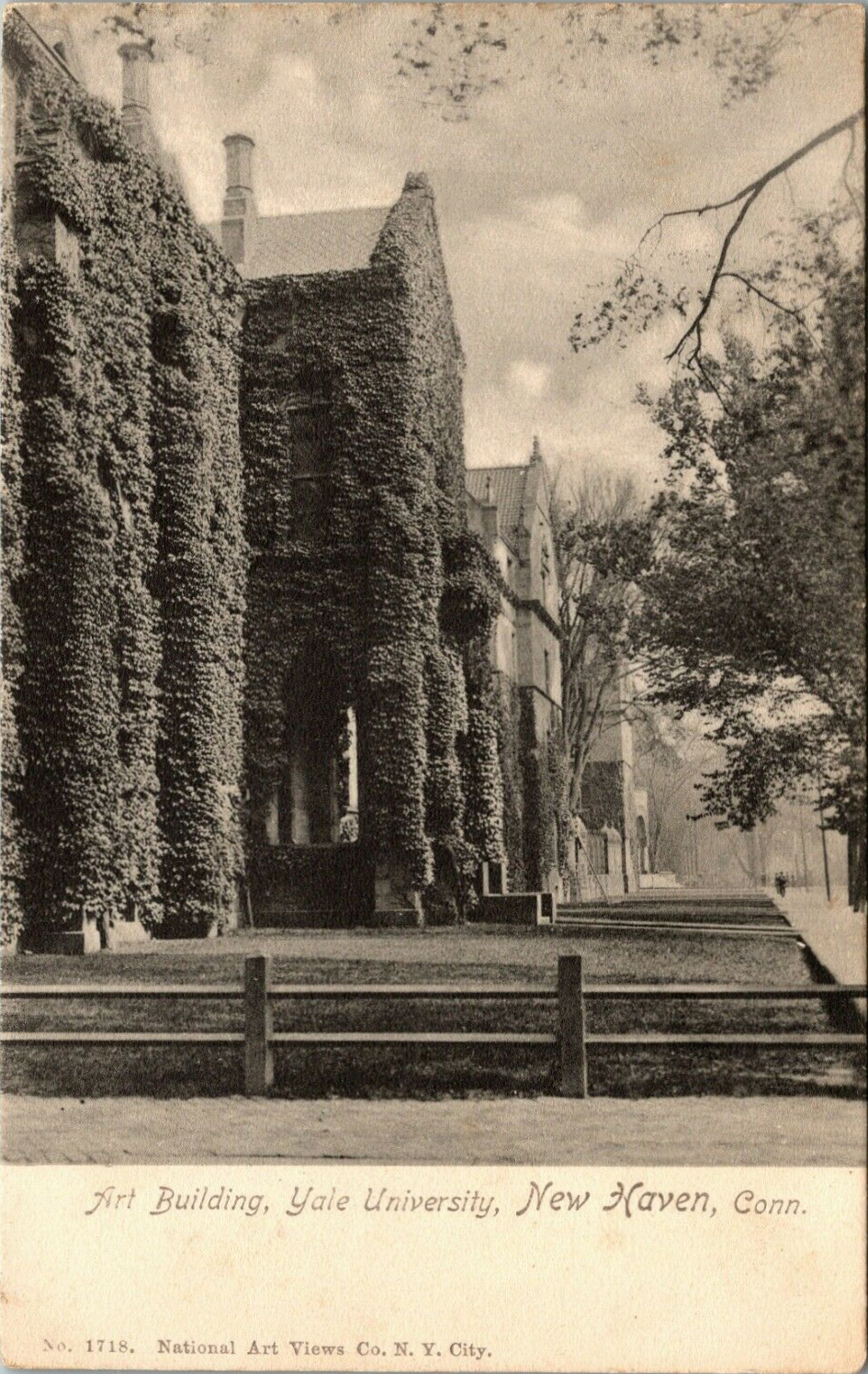
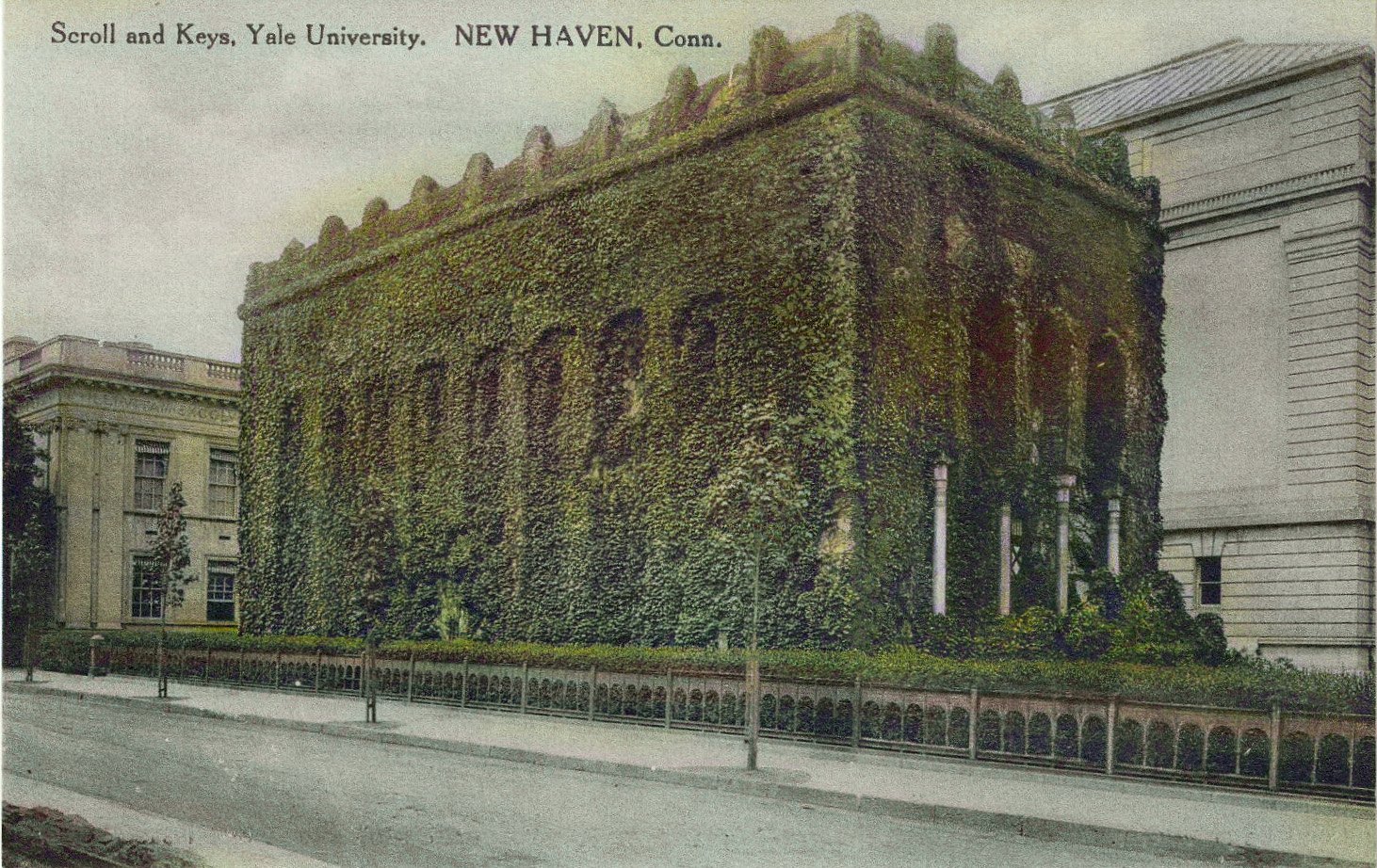
A few years earlier, Lovecraft had been amused to discover that Frank Belkap Long’s family had once owned all of Yale…
So your multiplexly great uncle Mansfield owned all the Yale real-estate! … Well — pass me out an extension course or two when you confirm your title to the property.”
24 Thursday Feb 2022
Posted in Odd scratchings
Contains plot spoilers.
I’ve been avoiding the news about the forthcoming ‘Second Age’ Tolkien-based TV series, on the assumption that it’d be a bit like the The Hobbit movie trilogy, or Waterworld, or The Phantom Menace. Meaning that in a few years some creative and clever Herbert will make a good fan-edit of it, cutting out all the annoying ‘Jar-Jar Binks bits’. We would thus get something quite watchable. That happened with The Hobbit trilogy, for instance, which was made very watchable by a fan-edit. Or it did until the hobbits tumble out of their fish-barrels in Lake-town. After that point in the plot, admittedly, you’re best advised to switch off immediately and continue the tale with a good audiobook on headphones (cutting back to the movie only when Bilbo goes down the stairs, for the short but magnificent Smaug + treasure scenes, then back to the audiobook post-dragon).
It’s fairly easy to know the broad outlines of what would be likely for a first season of the coming TV show…
The growth of the great sea-city of Numenor, and its early contacts with Middle-earth; Sauron building the fortress of Barad-dur in Moria; Numenor’s establishing of the elf-havens; Sauron posing as a friend of the dwarves of Moria and the elven smiths of Eregion, as he teaches them ring-making; the coming of Galadriel to Lothlorien; ending on Sauron’s making of the One Ring.
But it seems from the more considered commentary that this ‘Second Age’ TV series (let’s not call it The Lord of the Rings prequel) is going to be something else. Those dedicated to divining the TV runes now see clear signs in the interviews and profiles that it’s something of a Game of Thrones II in disguise. Elven power-politics and career games. Galadriel as sturdy warrior. Dwarven princesses. Dwarves without beards. Hobbits shoehorned in straightaway, probably set to become miserable refugees forced to trek over harsh mountains. It will also “feature adult content”, judging by one of the job-roles recruited. Probably also too much gore and bit too much modern leftist subtext.
Of course, all this could be proven wrong once we get the series. But for a future fan-work, that’s actually not so important.
We shouldn’t underestimate the fans and their capacity to make something more durable, which has been proven several times now. Given four or even five seasons and a billion dollars of spending, there will surely be enough good material for an ambitious fan-editor to make something reasonably ‘Tolkien’ from it. Even if the fans have to supply new voice-over links between sections or newly-filmed section inserts along the lines of the fan-films The Hunt for Gollum and Born of Hope. I mean, there’s going to be a lot of footage and audio to work with, and also the existing audiobooks and soundtracks. There are some very talented vocal mimics in the world, too, able to do any actor perfectly. By 2032 we may well have a six or eight-hour Second Age fan-edit worth watching and ‘as Tolkien’ as possible, though the planning for that probably needs to start now.
In the meantime, the Martin Shaw audio reading of The Silmarillion might not be a bad place to start, if you’re already familiar with The Hobbit and The Lord of the Rings. I’d really hesitate to recommend all 15 hours of it to even the hardiest and hairiest harfoot mountain-trekker, as after the first few hours even the hardiest will be lost in the blizzards of names and places. But if you just want the Second Age then it’s relatively short and has several characters, races and places you’ll already know from LoTR. Start in the Silmarillion audiobook at “Akallabeth” and listen on to the end from there, which should not be too wearying or too long at two and a half hours.
To be precise, this means:
CD 11 – (54:30 to the end 01:08:00, 14 mins)
CD 12 – (all, 64 mins)
CD 13 – (all, 69 mins) (final CD)
23 Wednesday Feb 2022
Posted in Podcasts etc.
New on YouTube from HorrorBabble, a four and a half hour ‘Complete Mars Cycle’ recording of stories by Clark Ashton Smith.
“The Dweller in the Gulf”.
“The Vaults of Yoh-Vombis”.
“Vulthoom”.
“Seedling of Mars” (The Planet Entity)
Apparently there’s also a four-page Mars fragment in the Cycle, but that’s not read here.
Incidentally something very screwy seems to have happened to The Pulp Magazine Archive at Archive.org. I think it’s just the search that is way off, and it’s probably just a glitch. Don’t panic if you see masses of collections have been zero-d. Click through and you’ll find they’re still there.
23 Wednesday Feb 2022
Posted in Historical context, Odd scratchings
Popped up on eBay, a 1972 bird’s eye view of one of Lovecraft’s favourite summer places. The wooded bluffs above the Seekonk, Providence. Specifically the bluffs either side of York Pond.

At the present moment I am seated on a wooded bluff above the shining river which my earliest gaze knew and loved. This part of my boyhood world is unchanged because it is a part of the local park system [Blackstone Park, alongside the Seekonk] — may the gods be thanked for keeping inviolate the scenes which my infant imagination peopled with fauns and satyrs and dryads!” (Selected Letters IV)
It strikes me that an annual and thorough ‘Lovecraft March’ litter-pick (U.S.: trash-pickup?) across the bluffs might be a nice way of honouring his memory, each 1st March? Or whenever the ground becomes less moist in Rhode Island.
22 Tuesday Feb 2022
Posted in Odd scratchings, Podcasts etc.
This may not be news to some savvy Tentaclii readers, but I’ve discovered the wonderful automatic speech-transcription feature of Nuance Dragon Professional 15. This used to be known as the Dragon Dictate software. Works on a desktop PC back to Windows 7, offline and with no Cloud required. It must be the Professional edition, not lesser editions, as only Professional uses a trained AI and auto-transcribes. It does this surprisingly well from a clear .MP3 — if the speaker has good diction and good English on a good microphone.
It then still needs work to polish up the interview transcript, which for my use-case was not too much hassle as I only needed to use it for one old audio interview (Digital Art Live does interview by email now, sending a list of questions). But after several hours of research it looks to me like this software is the best offline ‘one-time payment’ solution. There are of course various online / subscription sign-up option from other services. The online version of Microsoft Word now also offers free audio transcription, and Microsoft recently purchased the company that makes Dragon for a gazillion dollars. Which may mean Dragon’s offline transcription days are numbered, at a guess.
Another AI-powered and offline wonder appears to be the well-recommended Izotope RX, a desktop PC suite of audio-repair VST modules for speech audio. But that’s not yet been tested by me.
I’ve also replaced the old Audacity audio editor with the fine Windows desktop freeware Ocenaudio. Like Audacity but prettier and a bit simpler. Easy to use, supports VST plugins like Audacity did, and bundles FFmpeg codecs and other codecs (like Audacity didn’t).
22 Tuesday Feb 2022
Posted in Lovecraftian arts, Podcasts etc.
Rhode Island Fish Sounds, being marine fish recorded from the 1950s to 1960s…
The sounds range from the “boatwhistle” toots of the oyster toadfish, to the teeth rasps and clicks of the parrotfishes, to the ratchet sounds of the drums and croakers.
Sadly not under Creative Commons.
21 Monday Feb 2022
Leading European newspaper El Pais reviews the new Catalan-language book The Dreamland Stories of Randolph Carter (translated and selected by Ricard Vela)…
The story of Carter’s New England upbringing reveals to us Lovecraft’s own rational and considered autobiography. His pessimistic stance, his accommodation to existential absurdity, his commitment to the validity of dreaming as a life experience and not as an evasion.
Dream-quest is not included, but the reviewer points to the worthy Spanish text titled Viajes al otro mundo: Ciclo de aventuras oniricas de Randolph Carter (Alianza, 1987).
20 Sunday Feb 2022
Posted in Lovecraftian arts
Write Act Repertory of New York, NY are currently accepting submissions from playwrights for their forthcoming Short Play Festivals planned for 2022:
1) “Friend or Poe” (they seem to be interested in Edgar Allan Poe as both man and writer).
2) “World of Lovecraft” (they seem to be interested in the man more than the monsters, and the afterlife re: Lovecraft having “perhaps the craziest literary afterlife this country has ever seen”).
Deadlines: 30th April 2022.
19 Saturday Feb 2022
Posted in New books
I see that PS Publishing shipped New Maps of Dream in July 2021, a new anthology of Dreamlands tales. Though there was evidently some initial difficulty in finding the right type of writers…
Many of our scouts begged off after reporting that the Gates of Horn and Ivory were closed to even the most intrepid dreamers, or wholly unrecognizable to those who could even find them. To our grave dismay, the first monographs to reach us described no perfumed jungles, cat-haunted cities, or wine-dark seas.
But the Introduction states that many more suitable others came later, enough for the volume, and they…
reported that the Dreamlands of old were alive and well.
Although a certain modern jaundice may in some cases have infected the Dreamlands…
As the trailblazing sleepwalkers herein have come together to report, the Dreamlands are indeed alive, but no more well than ourselves: and if we seek to return there, we must be wary of the very soul-sickness motivating our quest infecting and corrupting those exquisitely sensitive realms.
Still, it sounds like an interesting book. And unlike other PS titles it is somewhat affordable. It’s on Amazon (thanks to Martin for hacking his way through the useless Amazon search and finding the link). I also see several other chunky Lovecraftian anthologies have either recently arrived or are forthcoming in early 2022. It seems that the sunken isle of Mythos is rising from the waves once again, and its denizens are once more ravening to devour the world’s paper supplies.
18 Friday Feb 2022
Posted in Historical context, Picture postals
On 19th February 1933 Lovecraft wrapped up warm against the winter chill and attended “a poetick reading” by the famous poet T.S. Eliot at Brown University…
the celebrity being none other than … the eminent & incomprehensible Shantih S. (Waste Land) Eliot.
A little later on 15th May 1933 Lovecraft moved to his last home at 66 College Street. This move put him right on the edge of the university campus, since all he had to do was step a few yards up the hill and slip through the gates at the top of College Street…

Looking through the gates at College Street, the John Hay Library on the right.
Having moved into “Grandpa’s hillside abode” nearby, he made two pictures of the new place with his “ancient Brownie” camera and then evidently strolled with his aunt into the neighbouring college grounds at Brown. Since he states that…
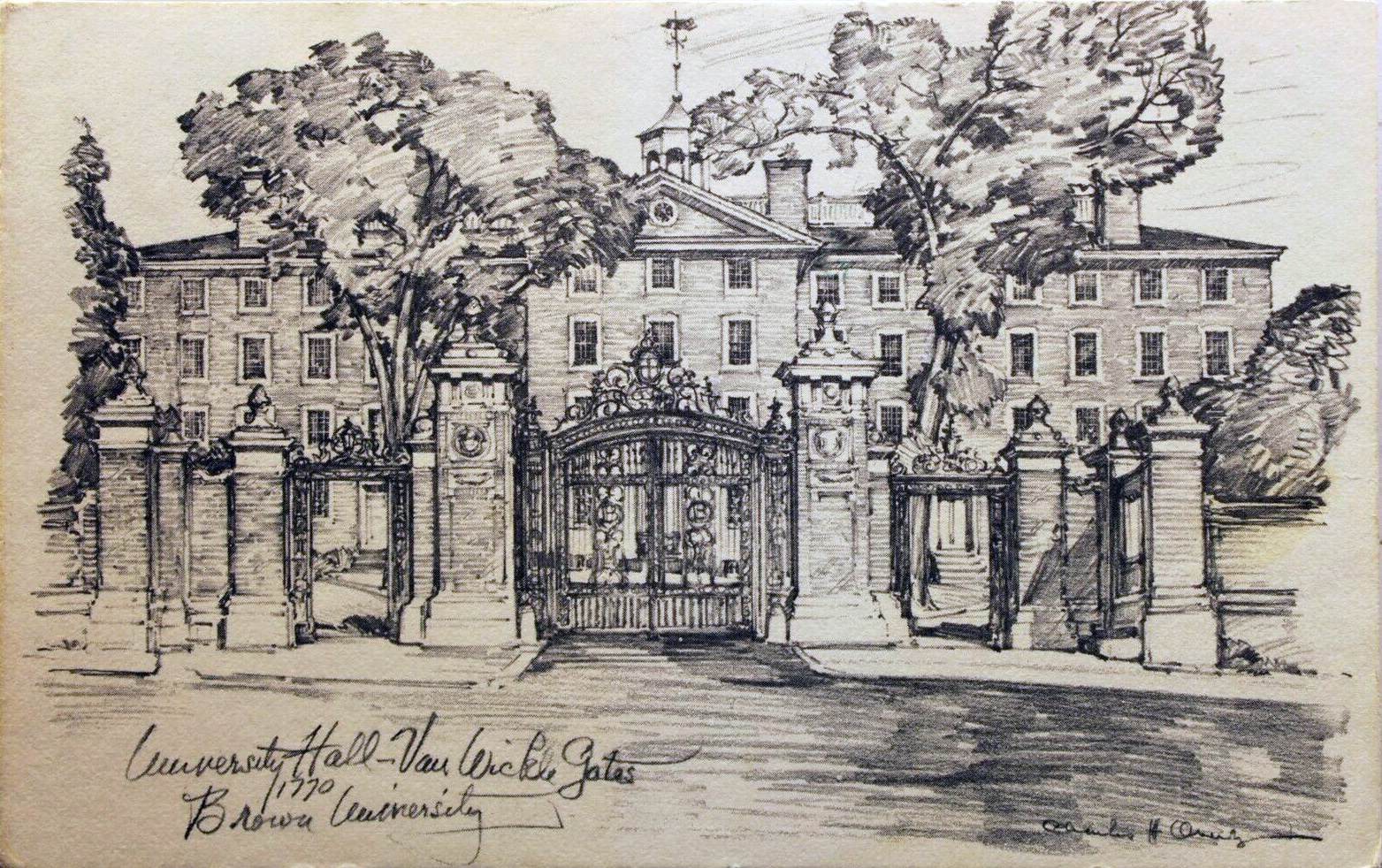
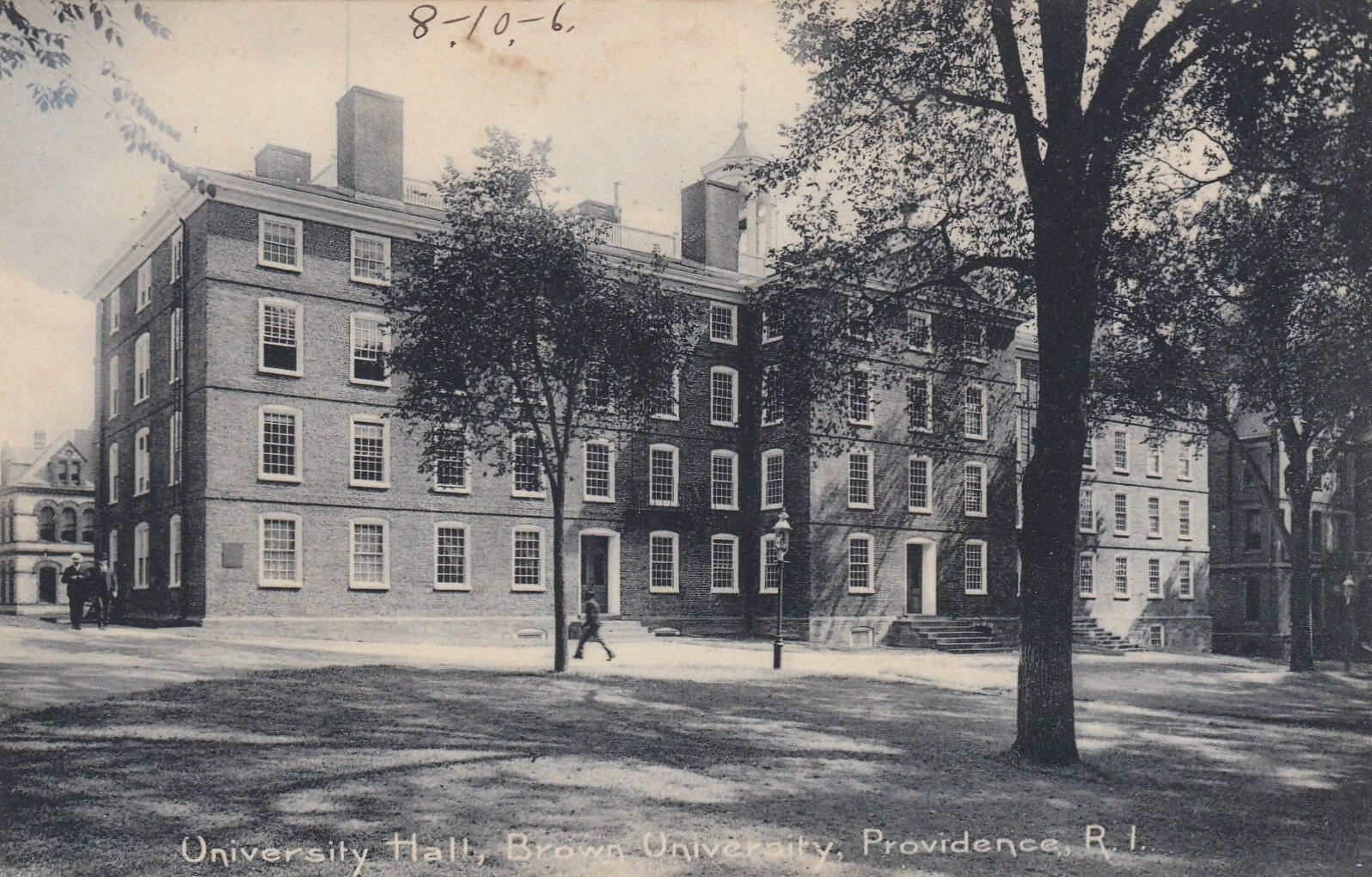
A third snap shews my aunt against ancient University Hall (1770) in the neighbouring college grounds.
He was still very much an outsider of course, a ‘pulp hack’ of no note or celebrity. But due to his new location he must have begun to have more contact with campus life, and (quite possibly) its event notice-boards. In his final years he would sporadically attend various public lectures at Brown. Not only lectures on the arts, but also on certain aspects of history and the sciences which interested him. In one late instance he also attended a large meeting of the Brown ‘Skyscrapers’ astronomy club, where there was to be a lecture on the history of early astronomy in Rhode Island.
It occurs to me that it might be useful to append a full list of ‘public lectures attended by H.P. Lovecraft’ to the forthcoming giant meta-index for the published Letters. And the same for the exhibitions he notes seeing at the city’s School of Design and elsewhere. Rather than try to rather awkwardly shoehorn them into the index itself?
But in the meanwhile, what did the public lecture halls at Brown look like?
Well, here is the venue for the T.S. Eliot lecture and reading, at Faunce House. This served as the Student Social Centre and was thus presumably larger (the size needed to cater for the large T.S. Eliot audience?) than the adjacent University Hall or Manning Hall. Note what appears to be a pseudo 18th century coaching entrance on the right side, its entrance shape obviously fashioned after one Lovecraft knew near the Art Club (the haunt of the ancient cat ‘Old Man’) and another half-way down College Street.

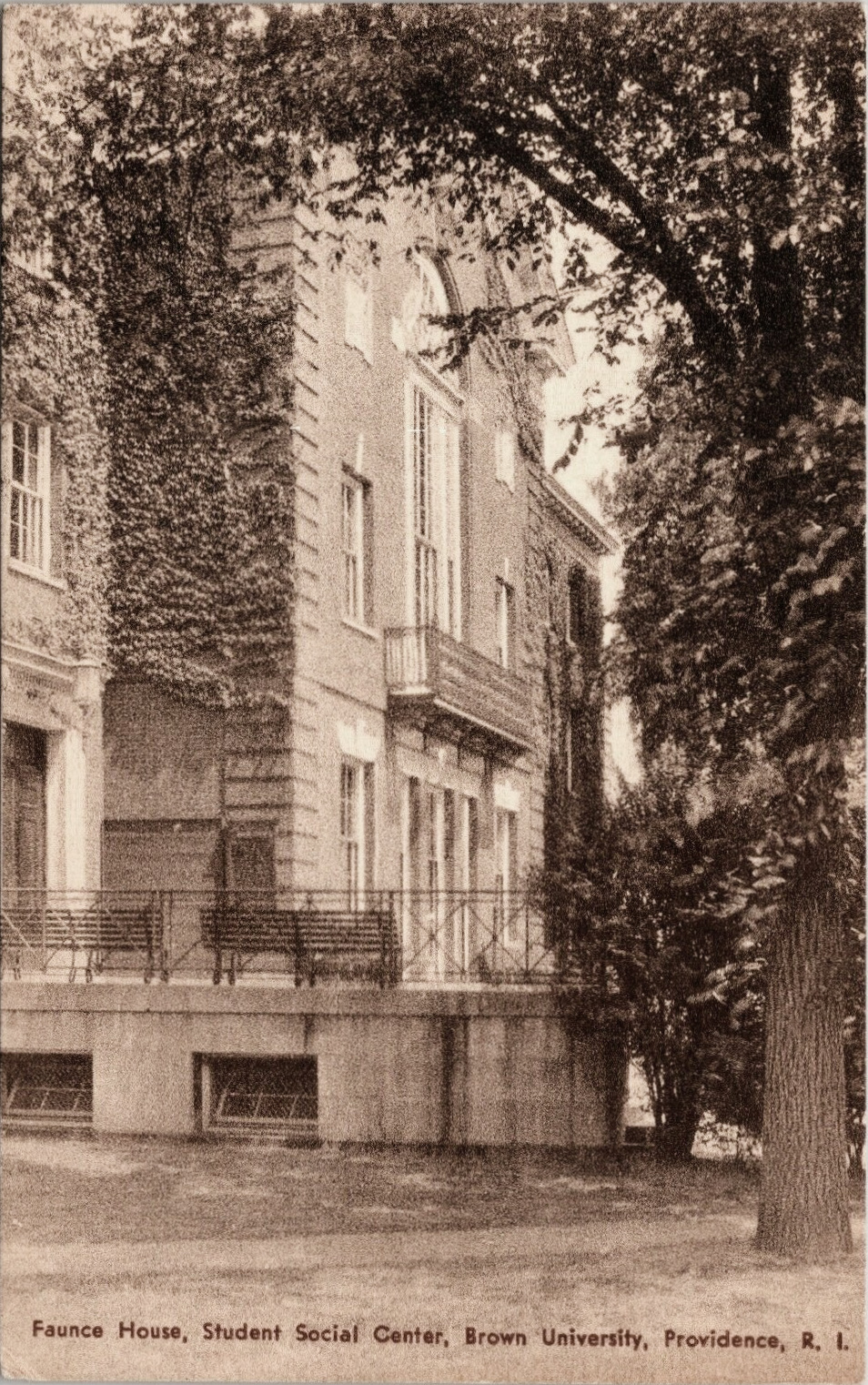

One of the lounges at Faunce House, late 1930s.
Here we see a 1950s map, which shows the arrangement of the various buildings around the central College Green lawn. Lovecraft had lived just behind the John Hay Library. The map also shows that the genteel old folks home, that had once been across the cat-haunted courtyard garden from him, had by the 1950s been taken by the University as a faculty car-park. Lovecraft’s own house does not appear, being a residential rather than a functional university building. His house was lifted and moved to a new site in the city in 1959.

Here we see the University Hall in the 1920s-30s, followed by two sketch cards of Manning and University halls. Lovecraft sent a card showing both halls to Donald Wandrei, quite possibly this one. These sketches are by Stacey Tolman (1860-1935), a prominent Providence artist whose final exhibition Lovecraft also attended.


These then are some of Lovecraft’s last haunts, as he explained to young Rimel in a letter just before Christmas 1936…
For me the season of outings ended early in November [1936], & the long hibernation is now on. I get to hear lectures now & then, but spend as little time as possible away from [the 66 College Street] steam heat!
Lovecraft later told Rimel (in his final 20th February 1937 letter to the lad) that even in his final days, half-starved and near death, he still…
managed to get around somehow … tottering forth … occasionally taking in lectures on subjects as varied as Peruvian antiquities, Italian Romanesque architecture, biological concepts in philosophy, and Greek astronomical hypotheses.
According the Brobst the very last lecture he heard was on his beloved Colonial Furniture. That same night, when he returned in a terrible state, the doctor was called.