HPLinks #79.
* A new book, The Father’s Silence: H.P. Lovecraft and the Shadow of the Father (2026). Being a 100-page collection of “John L. McInnis III’s long unpublished scholarly work on Lovecraft”, newly published by his son. The book examines the long shadow that can be seen to have been cast by Lovecraft’s father, in relation to Lovecraft’s… “themes of inheritance, decay, forbidden knowledge, and unseen influence”.
* Deep Cuts considers “Howard Phillips Lovecraft and Sex” (1974) by R.A. Everts.
* New on Archive.org, to borrow, a scan of Barton Levi St. Armand’s The Roots of Horror in the Fiction of H.P. Lovecraft (1977).
* Also new on Archive.org, a scan of Zealia Bishop’s “H.P. Lovecraft: A Pupil’s Review” (1953).
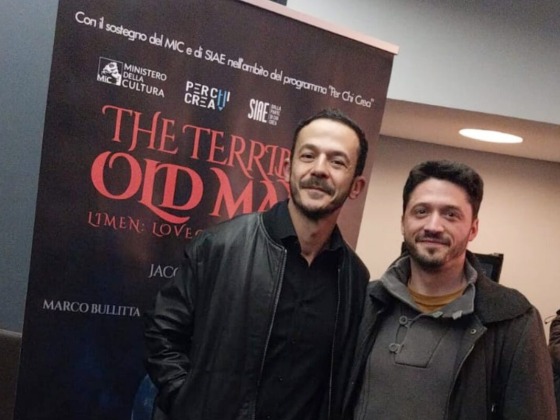
* On Reddit, a long article on “Italian Cinema and Lovecraft”. In English.
* New in Italian, “Il mito di Lovecraft. H.P.L. come personaggio nel fumetto”, a journal article on Lovecraft as a character in two graphic novels (Alan Moore, Breccia). Freely available online.
* New in the latest edition of the journal Studies in the Fantastic, “Biophilia, New Urbanism, and “He”: H.P. Lovecraft’s Contribution to Environmental Thought” ($ paywall)…
Lovecraft presents readers with a compelling and original critique of twentieth-century American urbanism, one that bears little resemblance to either E.O. Wilson’s influential theory of biophilia or the environmental movement in general.
* New on YouTube, the R.E. Howard Foundation in a podcast conversation with the H.P. Lovecraft Historical Society.
* Heroic Fantasy Quarterly has news of the forthcoming Howard Days S&S Workshop for writers.
* Talking of writers, the $50 Windows desktop PC software NovelForge is now at version 4.0. At the end of last summer I made and released a free Lovecraft style module for it. In the new v4.0 this worthy script and novel-writing software adds “over 50 local neural voices” for text-to-speech, plus Word export and more. The voices are the excellent real-time Kokoro voices, in a ONNX wrapper (thus, no Python wrestling or $800 graphics-card is required). The installer size has increased accordingly, but is a reasonable 260Mb. The free-trial version doesn’t expire, has nearly all features working, and is only very lightly crippled. The third-party $20 WindowTop Pro would be required to give the software’s UI a full Dark Mode (tested and working), though NovelForge’s native ‘Distraction Free’ simple page now has a new dark option.
* ThePulp.Net has a handy new directory-page with fresh links to Doc Savage websites and more.
* Rue Morgue positively reviews the new Welsh anthology of Lovecraftian Mythos tales.
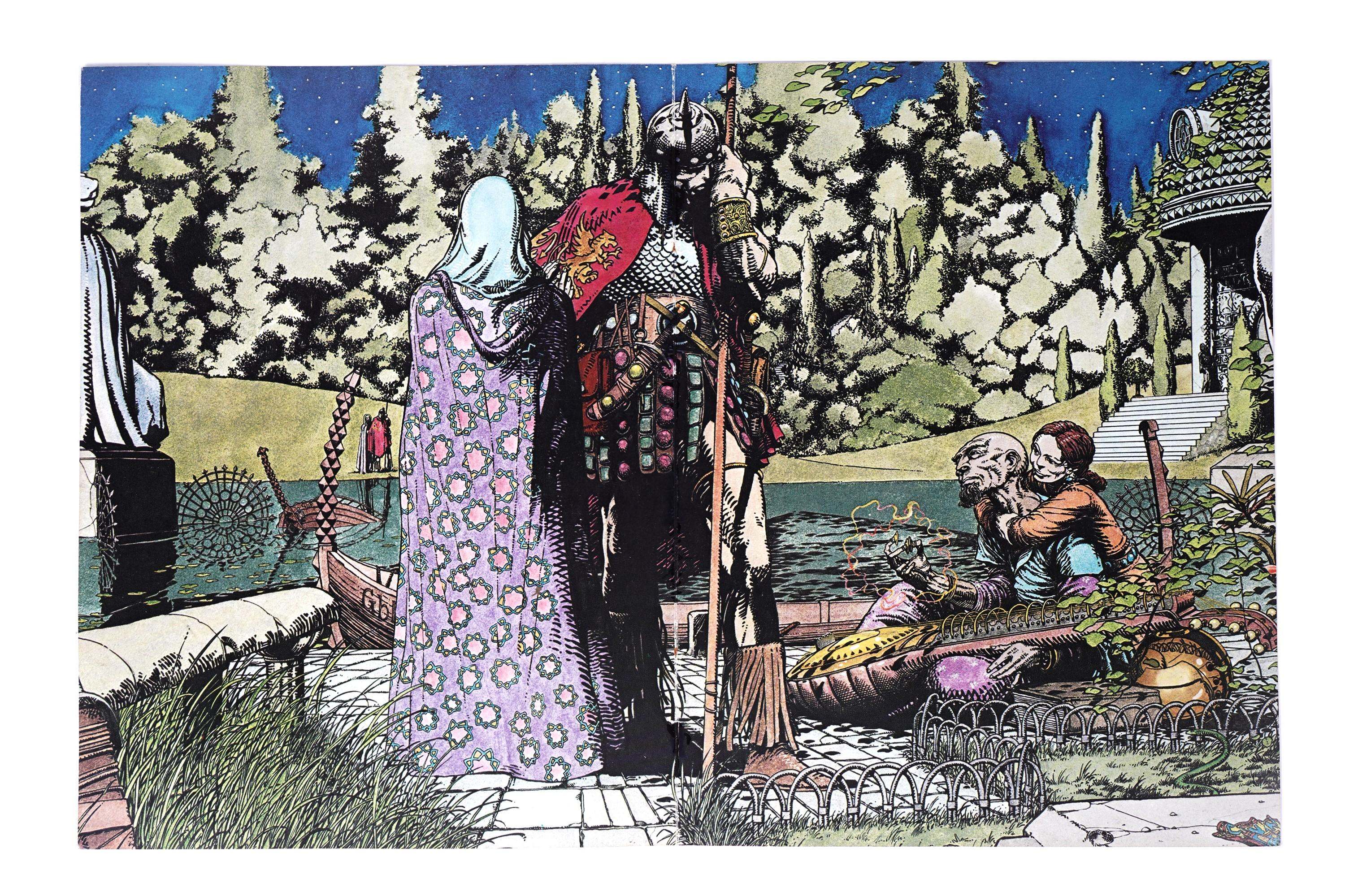
* On Archive.org, a good scan of the underground Skull Comics #4: Special Issue Lovecraft (1972), which was so popular they immediately followed it with Skull Comics #5 (1972) which was also a Lovecraft issue. #5 includes Corben and also an adaptation of the Lovecraft poem “To a Dreamer”.
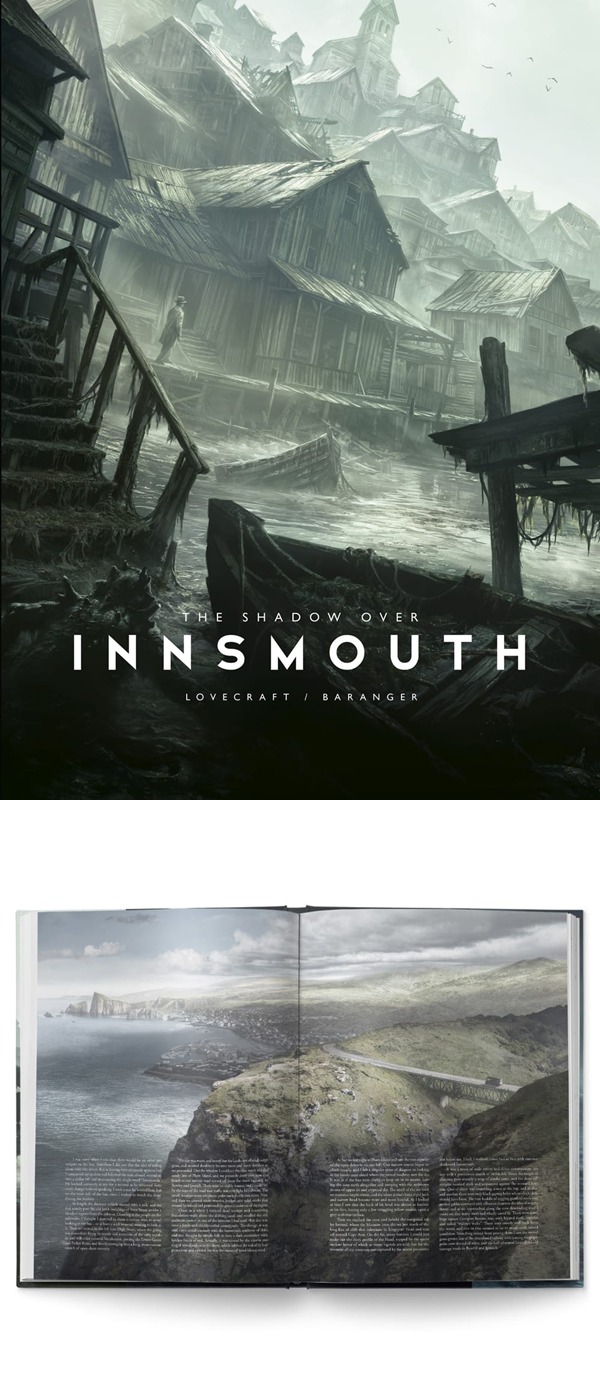
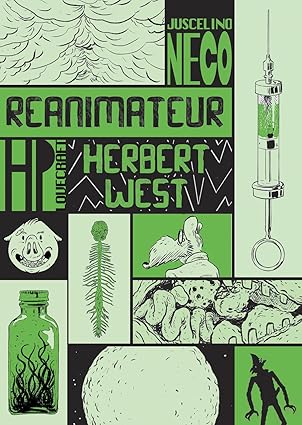
* New to me, a French BD comics adaptation of Lovecraft’s “Herbert West”. 136 pages, published in April 2025. The characters become cartoon animals.
* Hokusai’s famous “Mount Fuji” series of prints gets a Lovecraftian monster-makeover, in a new 126-page artbook from Japan. Could be a quick AI makeover, I’ve not sure. Buyer beware.

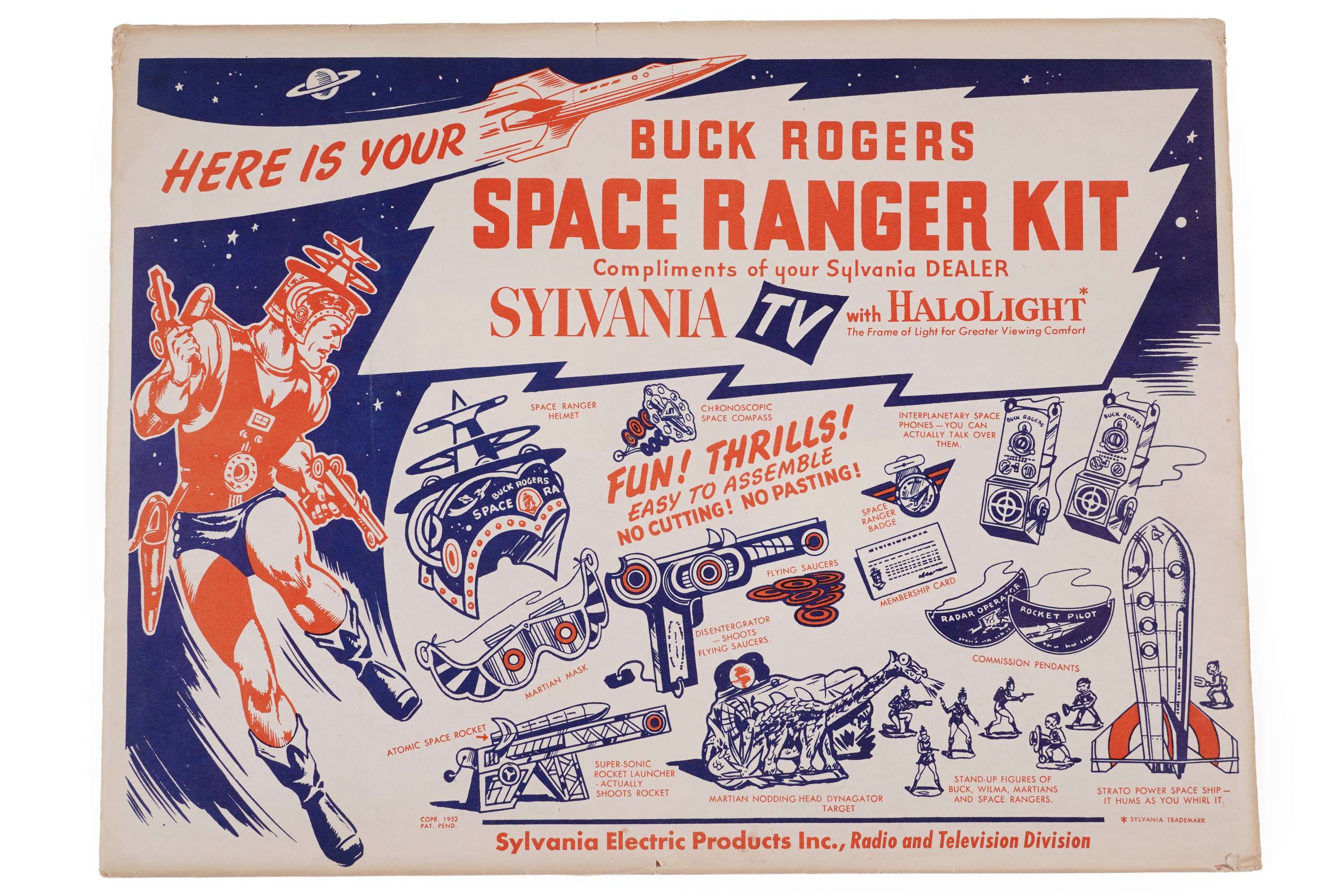
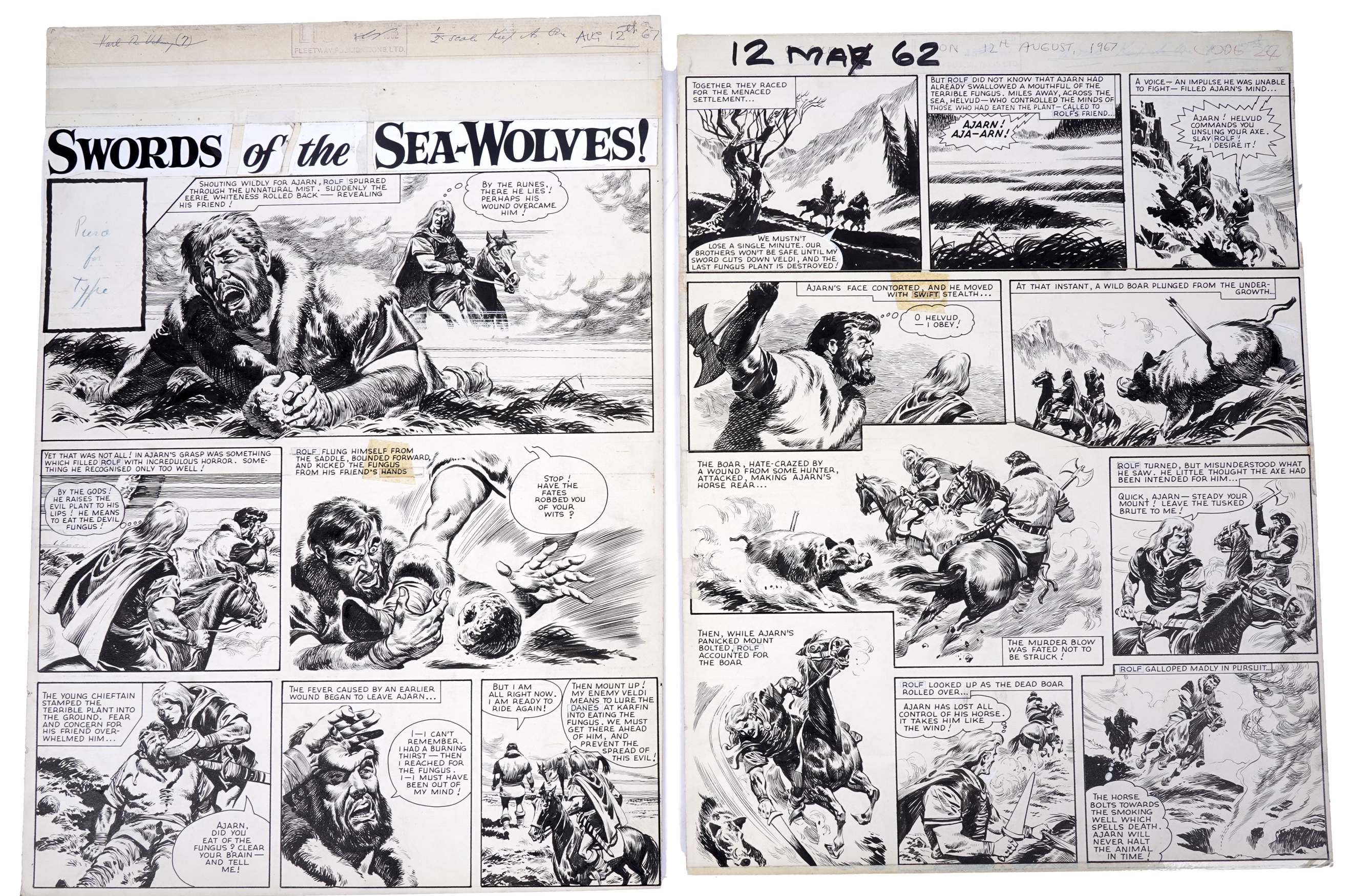
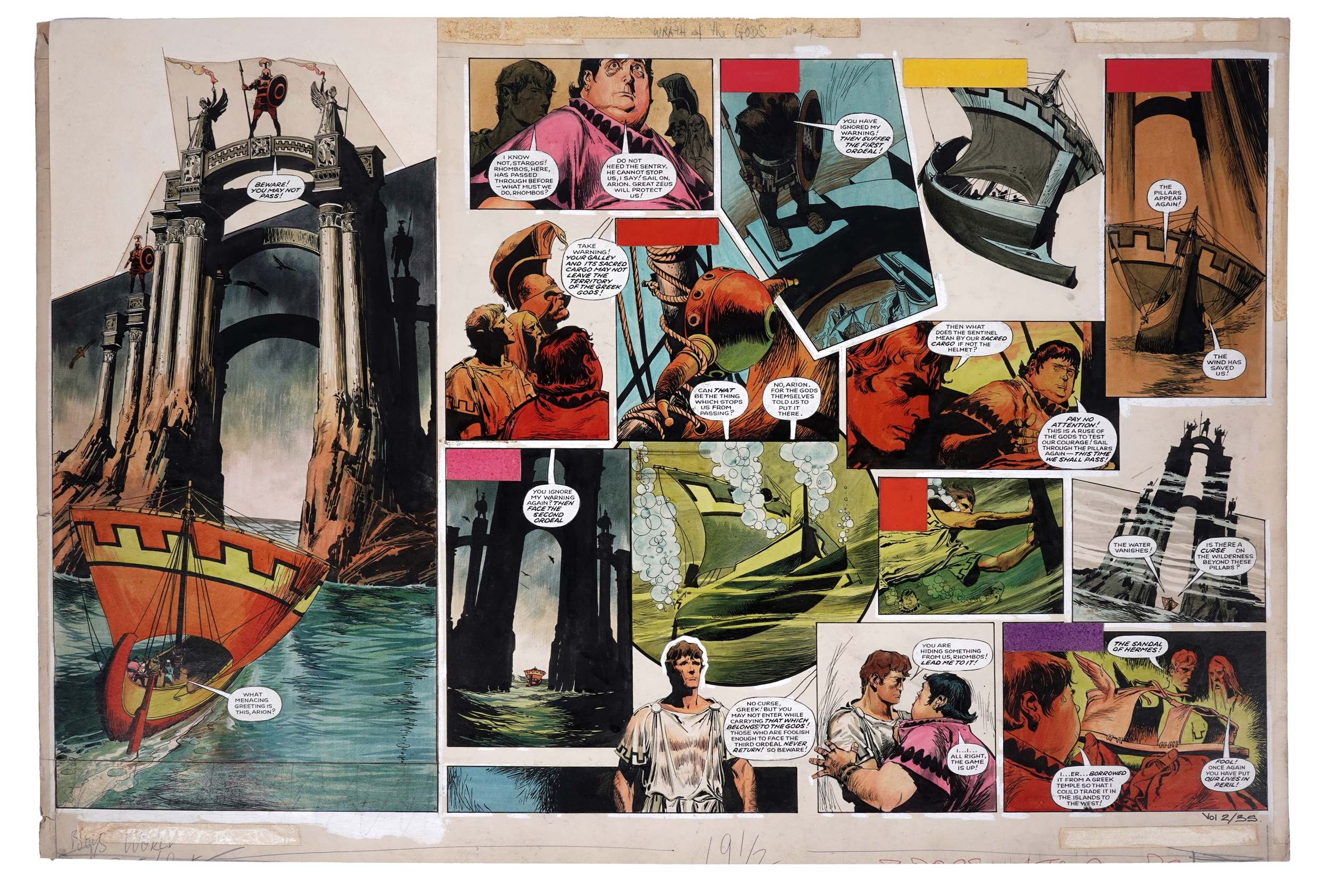
* A McFarland book I missed noticing around Christmas time last year, Fantastic Adventures in the Comics: Rockets, Genies, and Bug-Eyed Monsters, 1940s-1980s (December 2025). Only covers American comics, and in just 120 pages. So it sounds like it’s aimed at newbie readers/collectors looking for an authoritative survey?
* Ghost Clinic reports that Mike Lyddon’s new screen documentary Lovecraft In Florida: DeLand and the Barlow House won ‘Best Short Documentary’ at A Night of Horror Film Festival and will be released on Blu-ray later in 2026, along with…
his 2022 documantary Haunted Thrills which had tremendous success on the film festival circuit. The film explores the pre-code science fiction and horror comic book era of the late 1940’s to mid 1950’s. It features commentary by three living pre-code comic book artists – Joe Sinnott, Everett Raymond Kinstler, and Victor Carrabotta, all of whom have sadly passed away. The Blu-ray will be a special signed and numbered limited edition release, so please bookmark this website as we near the release date, probably in October of 2026.
* And finally, the leading mega-AI Claude has its latest hottest version. It’s named ‘Claude Mythos’. Nope, the name is not an April Fool, apparently. Said by official leaked documents to be the secret next-gen Claude that is already built, and which in the words of the developers is… “by far the most powerful AI model we’ve ever developed”. The name was apparently given because it’s so scary.
— End-quotes —
“I am, I hope, now a complete machine without a disturbing and biassing volition; a machine for the reception and classification of ideas and the construction of theories.” — Lovecraft to Anne Tillery Renshaw, June 1921.
“About Brown [University students] rioting — yes, I did take a genuine pride in the virile energy and healthy antinomianism displayed [by the boys] on Memorial Day. […] It makes me sad to reflect that I’ve grown too old and grey to mix into inspiring rough-and-tumbles like this. I’d love to crack skulls in the name of free individualism, and smash office-appliance-shop windows as a symbolic nose-thumbing at the age of commerce, machines, time-tables…” — Lovecraft to Morton, July 1929.
“Anybody who thinks that men […] are able consciously to mould the effect and influences of the devices they create, is behind the times psychologically. Men can use machines for a while, but after a while the psychology of machine-habituation and machine-dependence becomes such that the machines will be using the men — modelling them to their essentially efficient and absolutely valueless precision of action and thought …… perfect functioning, without any reason or reward for functioning at all. [We will] no longer measure men as human beings, but as effective fractions of a vast mathematical machine which has no goal or purpose save to increase the precision and economy of its own useless and rewardless motions.” — Lovecraft to Morton, October 1929.
“Just read the new Astounding [pulp magazine]. Essentially mediocre & conventional — machine-made stories with no distinction in style or atmosphere.” — Lovecraft to Derleth, September 1933.