• About
  • Directory
  • Free stuff
  • Lovecraft for beginners
  • My Books
  • Open Lovecraft
  • Reviews
  • Travel Posters
  • SALTES

Tentaclii

~ News & scholarship on H.P. Lovecraft

Tentaclii

Category Archives: Historical context

Friday ‘picture postals’ from Lovecraft: Newburyport – part two

26 Friday Jul 2019

Posted by asdjfdlkf in Historical context, Picture postals

≈ Leave a comment

This is the concluding part of Friday ‘picture postals’ from Lovecraft: Newburyport – part one, looking at new views of Newburyport. Which was Lovecraft’s key model for Innsmouth.

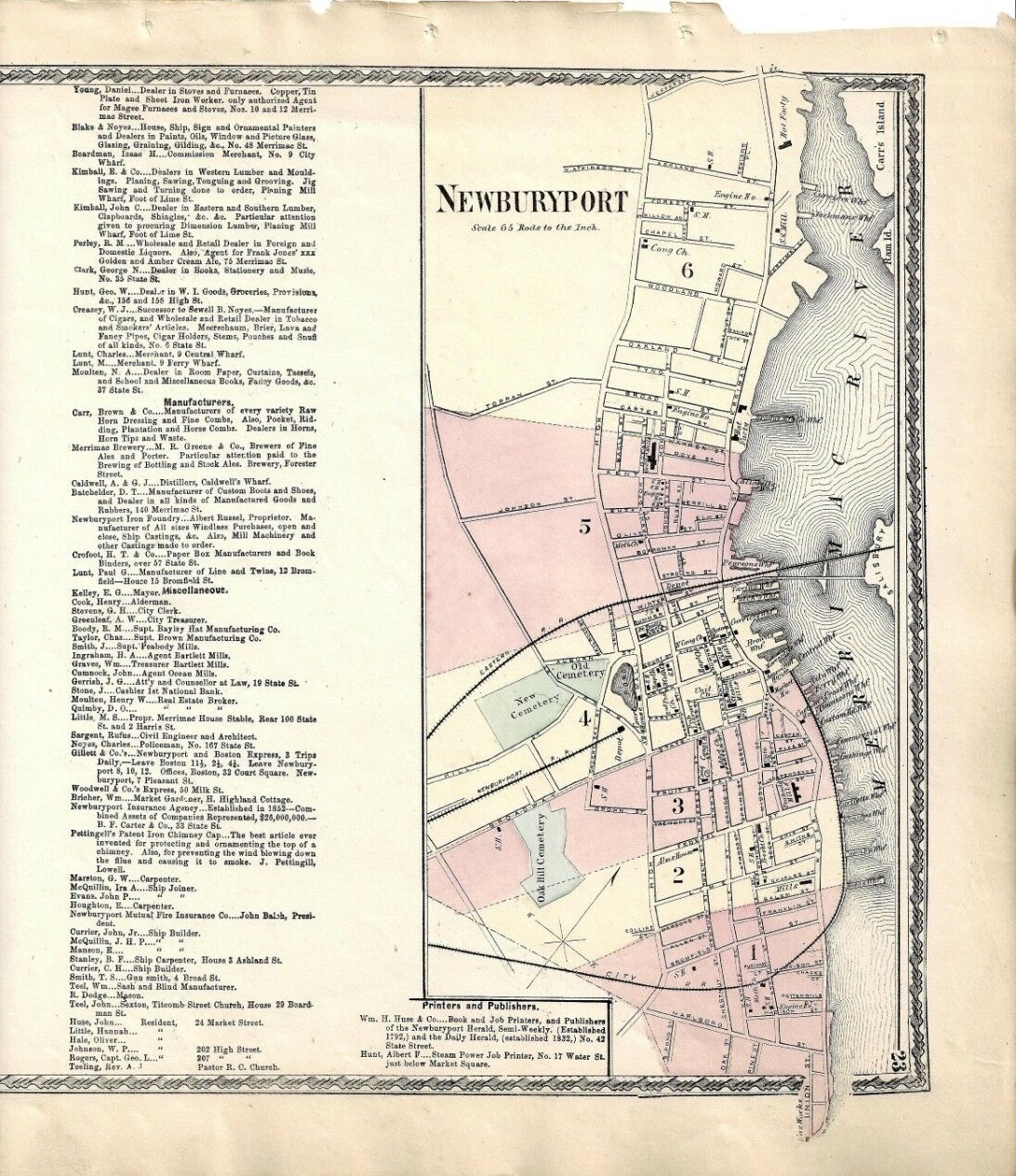
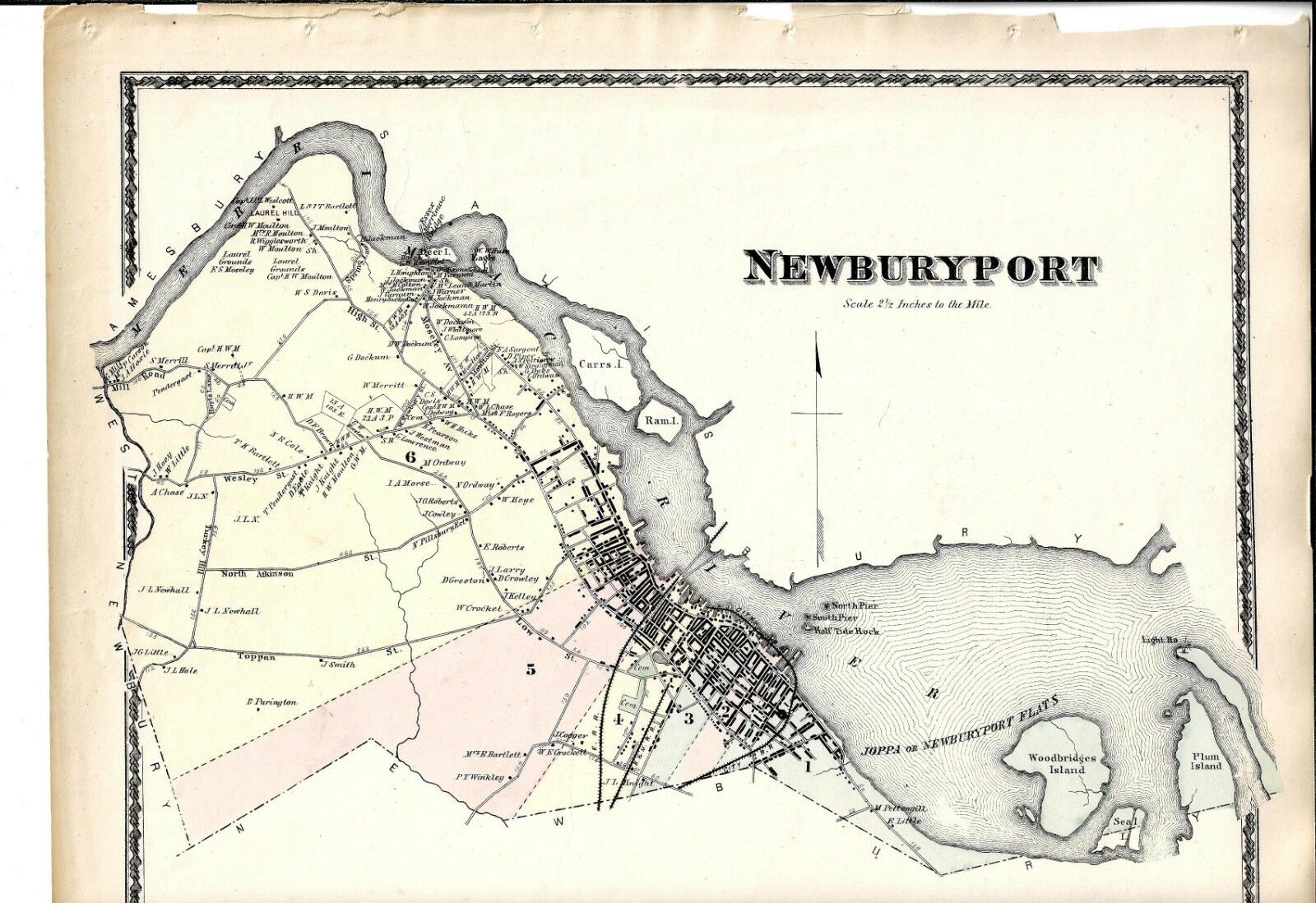
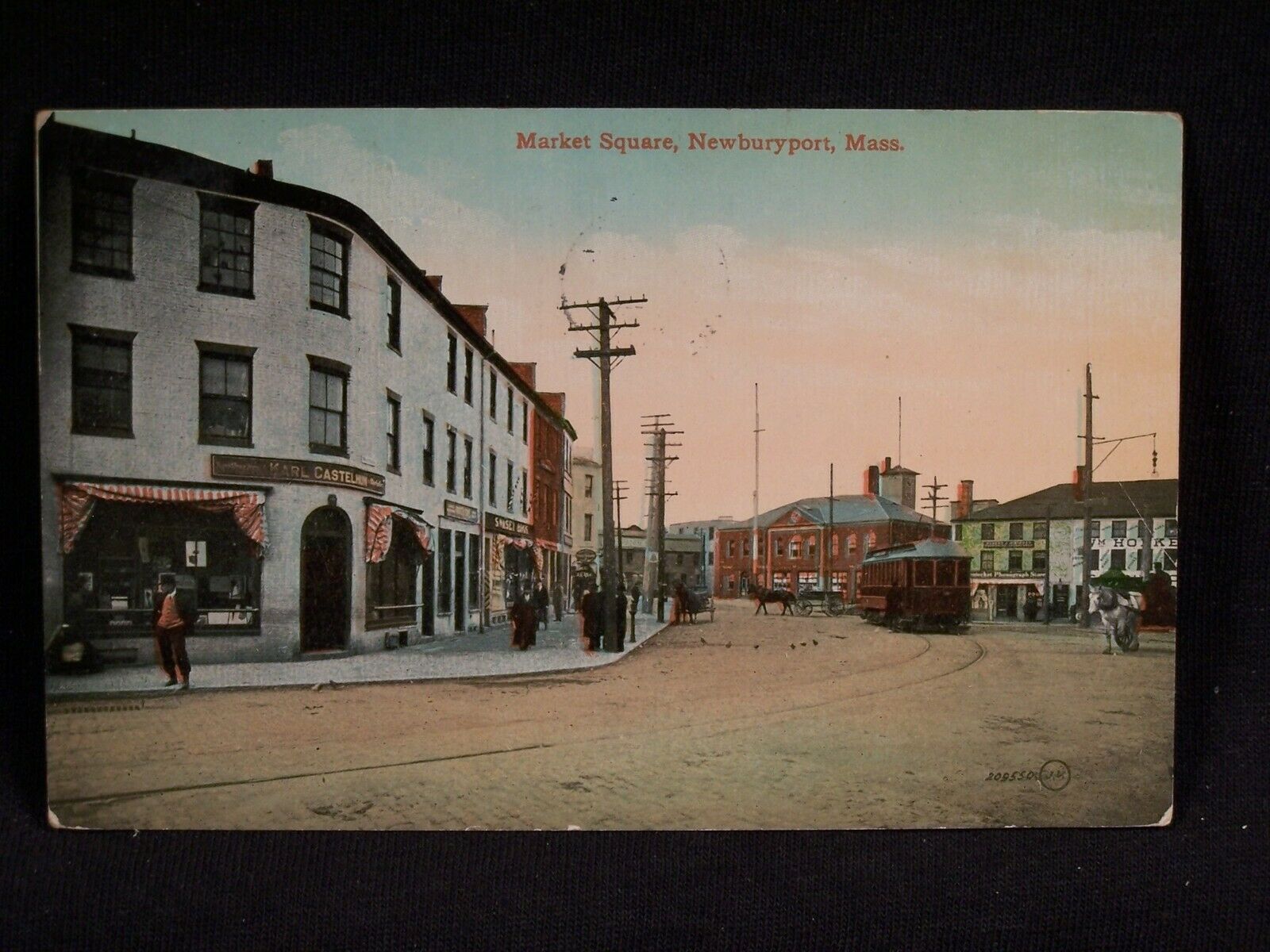
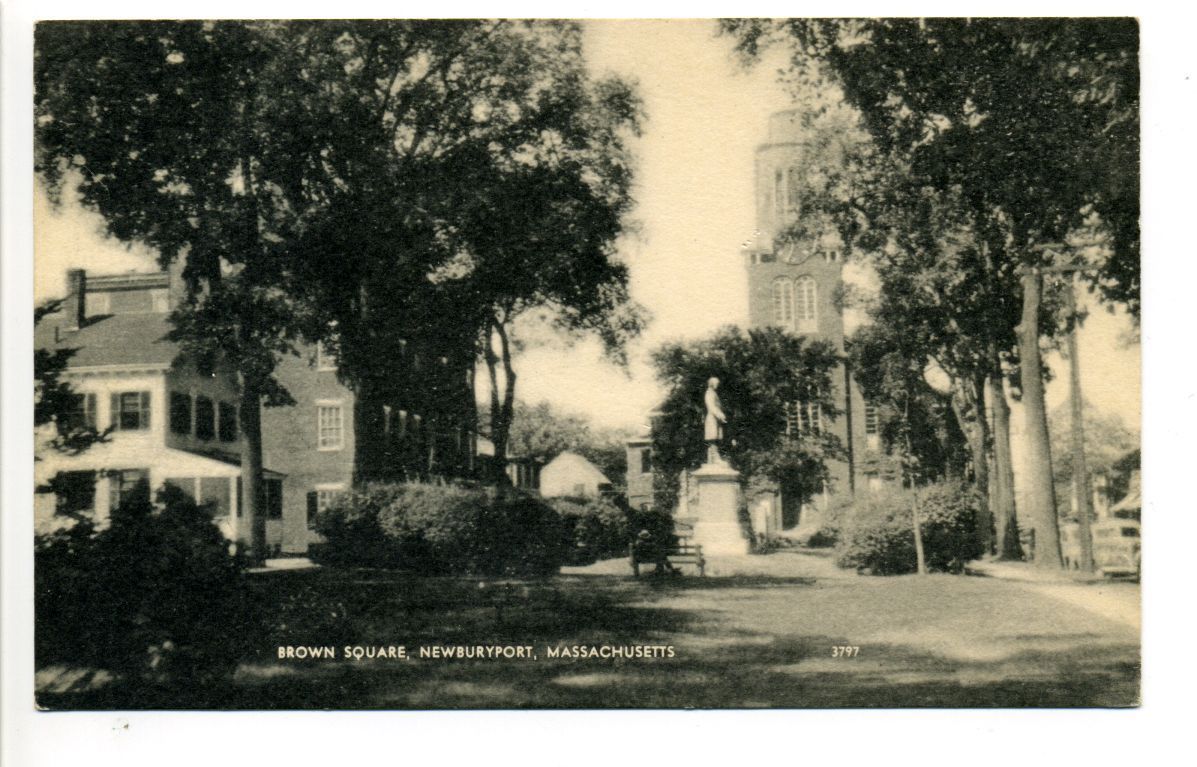
Below are maps and postcards not seen before in posts on this blog (these posts have included part one, and Along the Innsmouth shoreline among others).


Maps:

“the youth drew for my benefit a rough but ample and painstaking sketch map of the town’s salient features.”


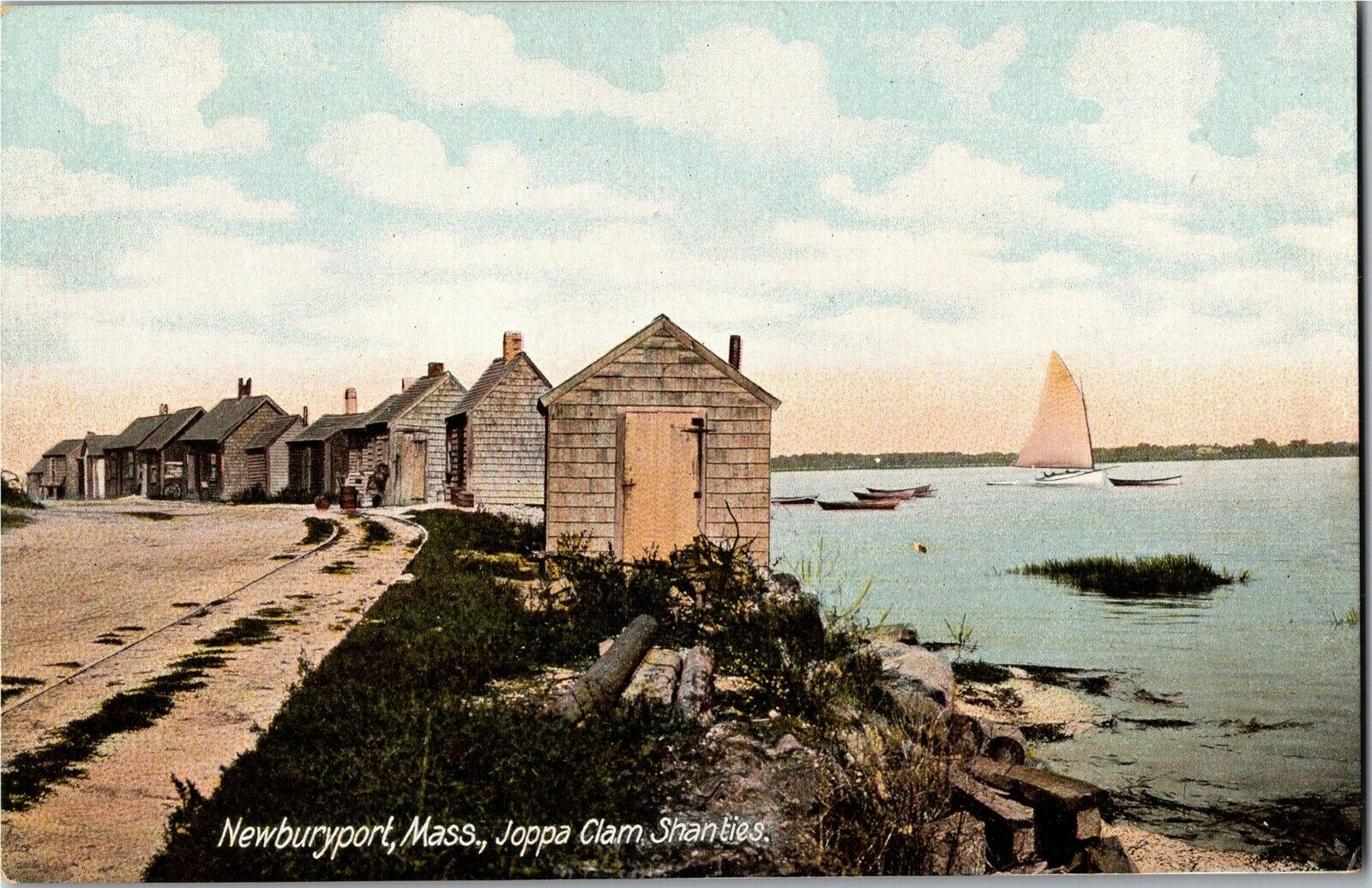
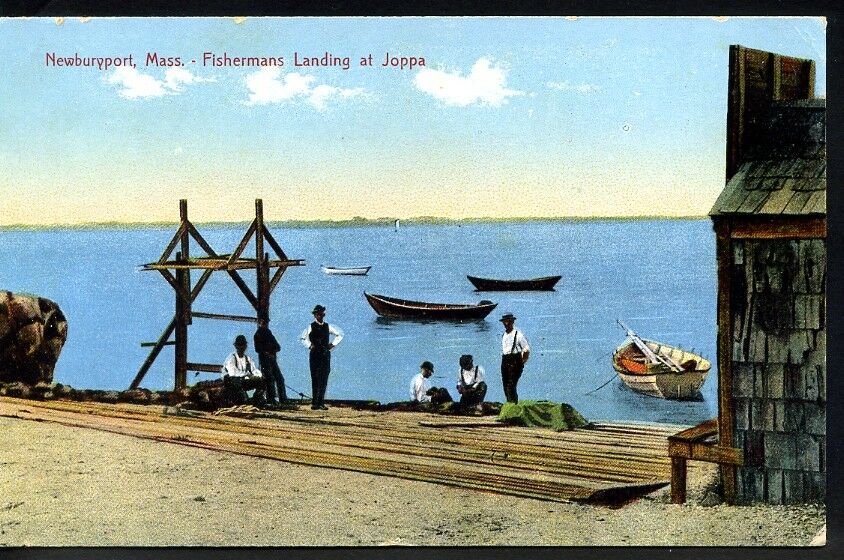
The Joppa clam shanties and Joppa landing:

“Not a living thing did I see, except for the scattered fishermen on the distant breakwater, and not a sound did I hear save the lapping of the harbour tides …”


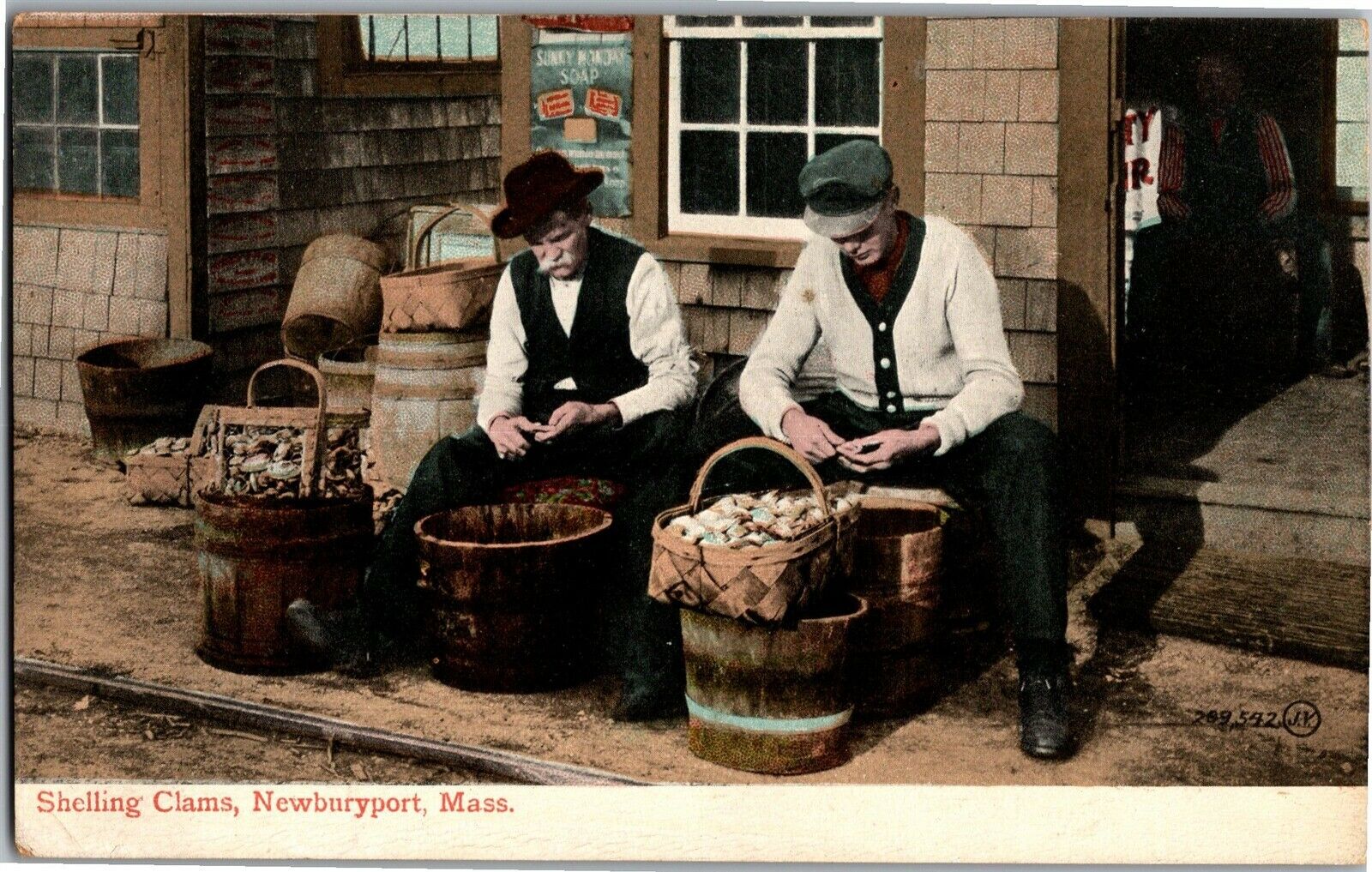
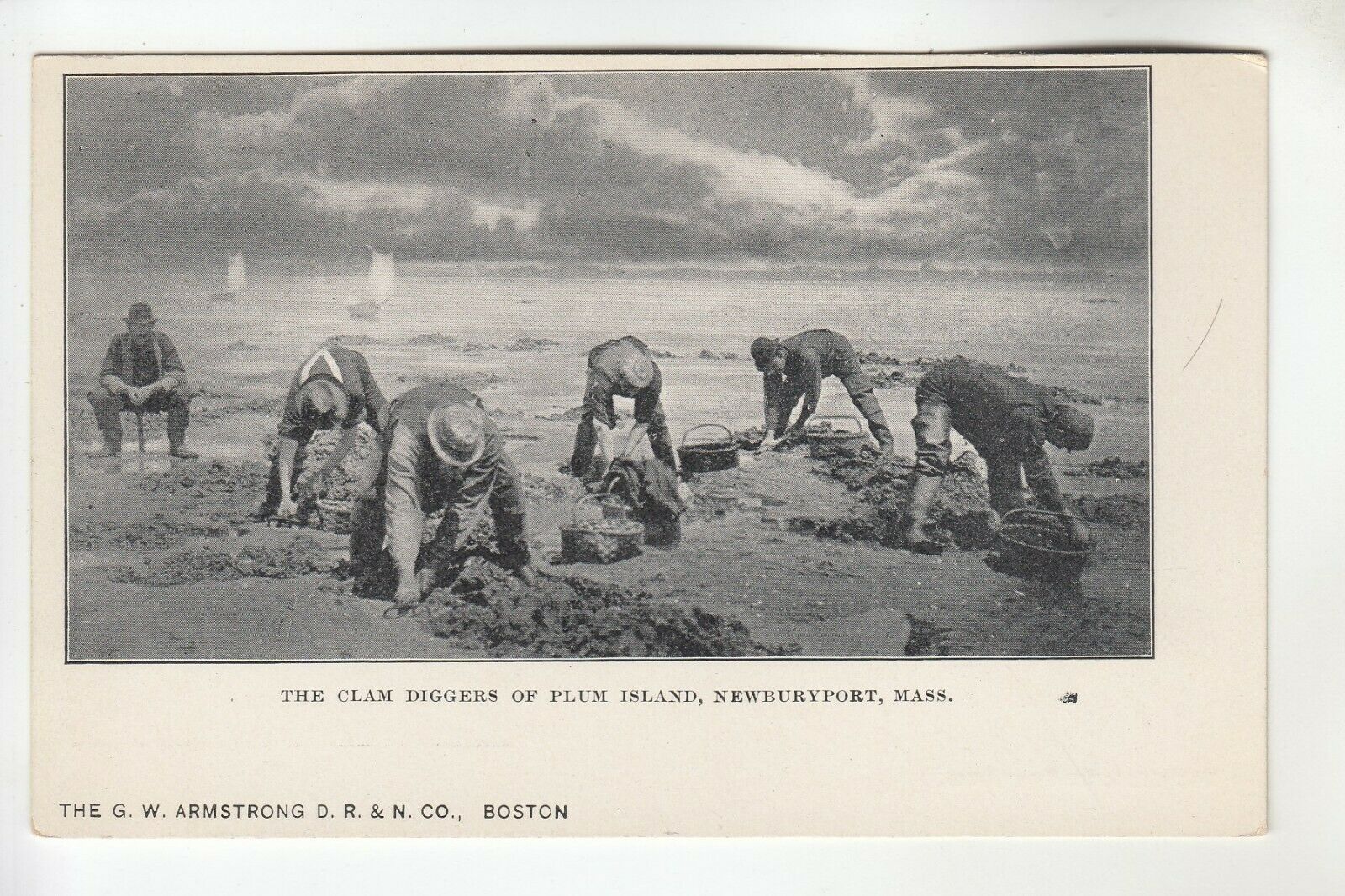
Clam men at work:

“Once or twice I saw listless-looking people working in barren gardens or digging clams on the fishy-smelling beach below …”


The town:

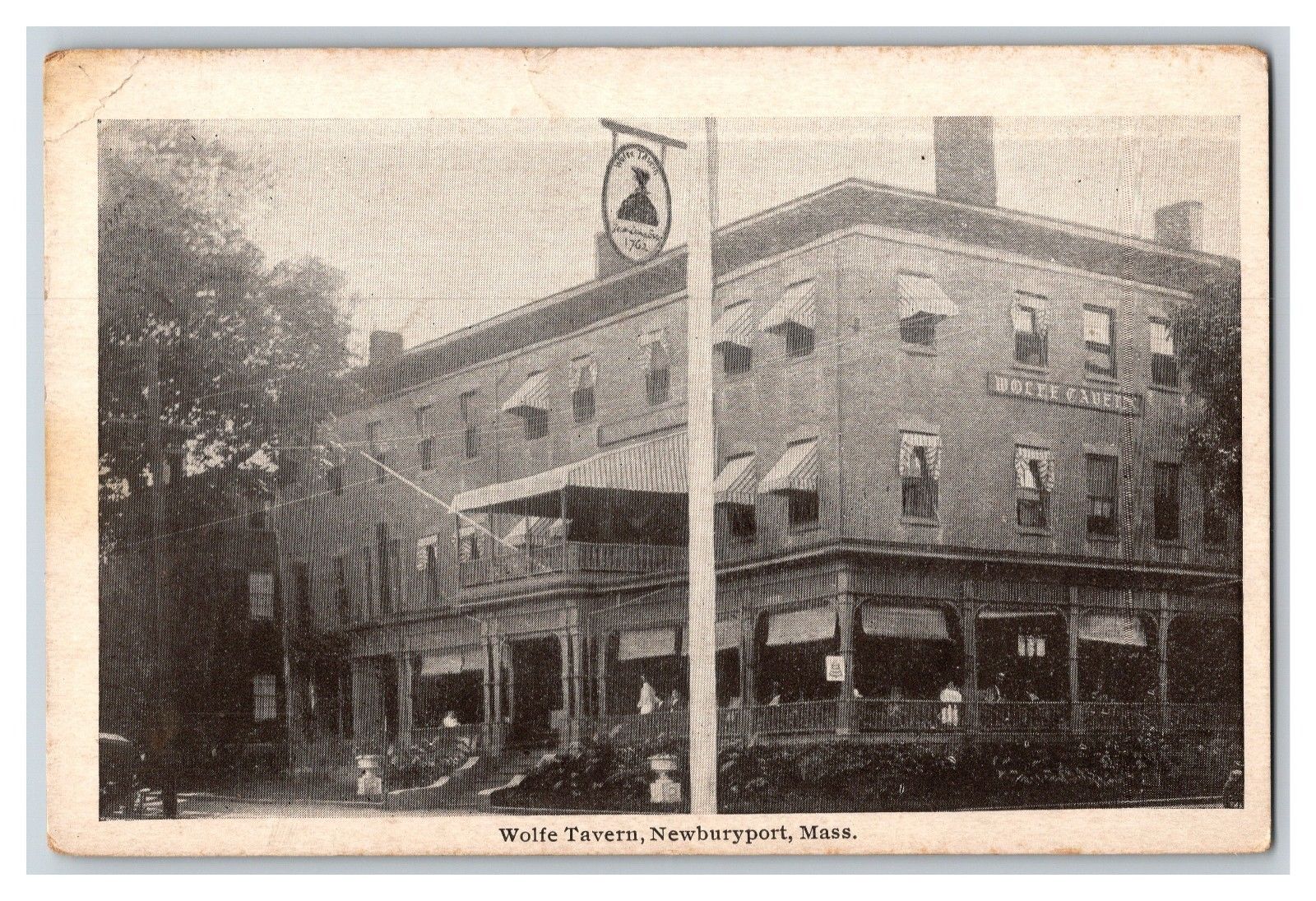
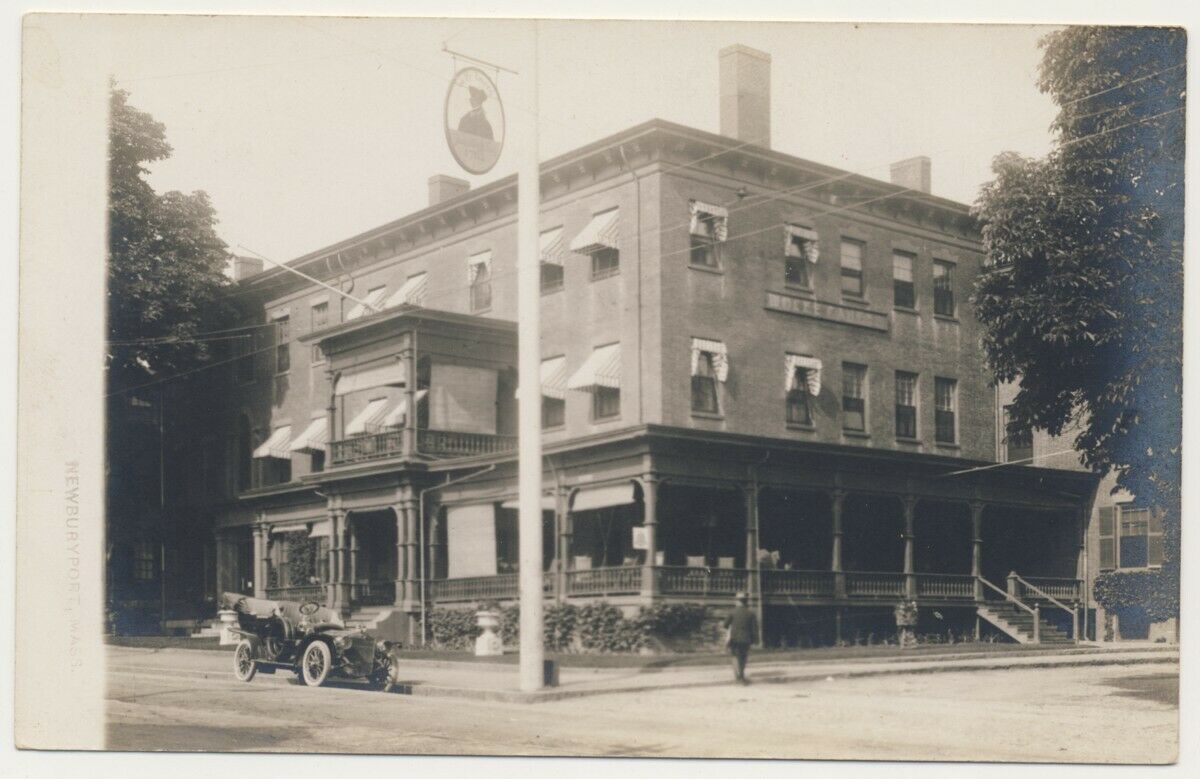
A Lovecraft-a-alike figure heads to the Innsmouth-type hotel. “Despite what I had heard of this hotel [the Gilman House] in Newburyport, I signed the register, paid my dollar, let the clerk take my valise, and followed that sour, solitary attendant up three creaking flights of stairs past dusty corridors which seemed wholly devoid of life.”

“a curious sort of buzz or roar seemed to be increasing in the direction of Town Square.”

A Lovecraft-a-alike figure on the bench. “The open space was, as I had expected, strongly moonlit; and I saw the remains of a park-like, iron-railed green in its centre.”

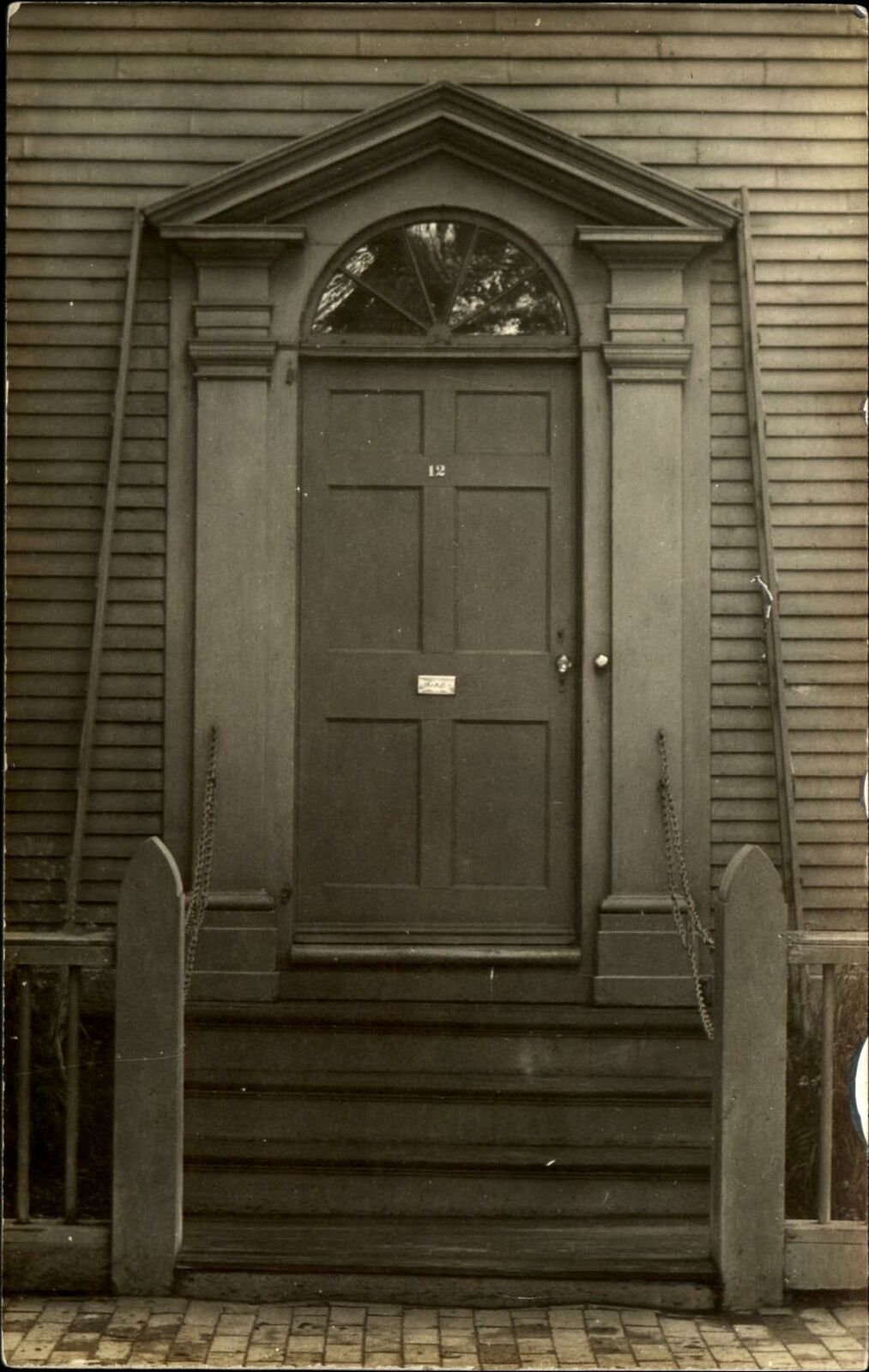
“There would, I knew, be plenty of deserted doorways to shelter me in case I met any person or group who looked like pursuers.” As we can see here, one could hop over the fence either side of the door and down into the scraggly plants or let-down behind.

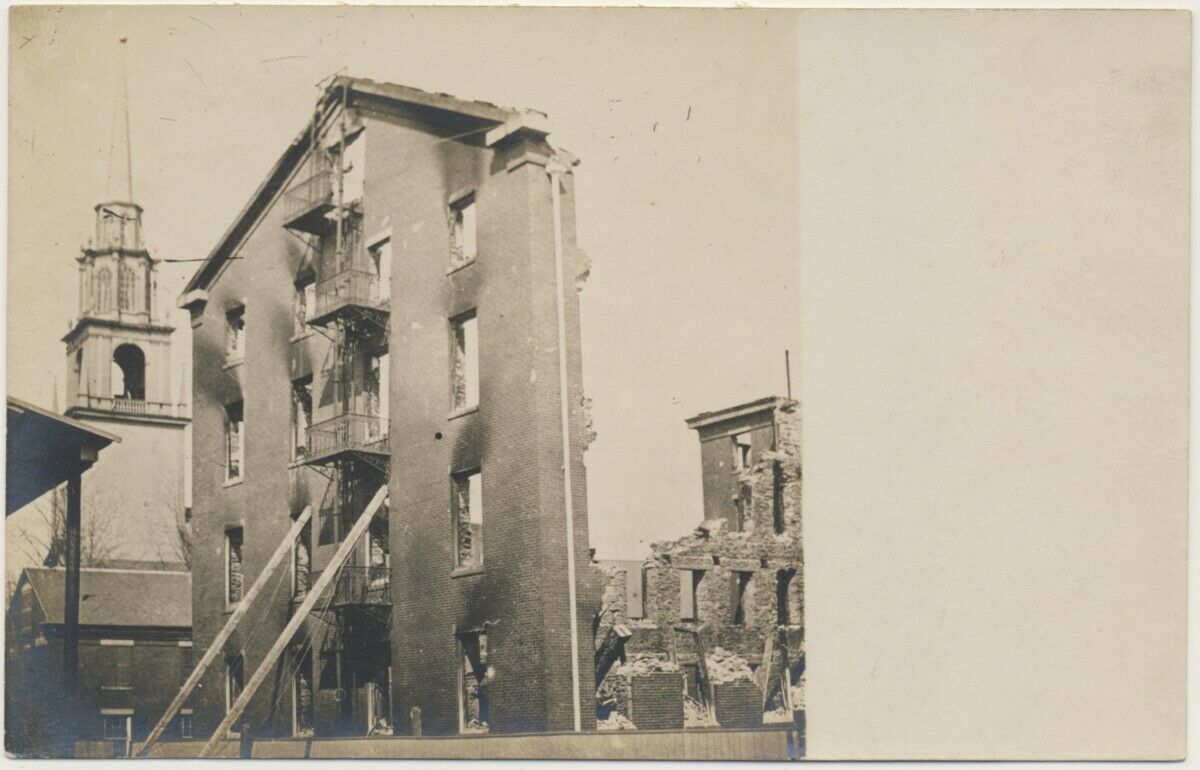
“The public first learned of it in February, when a vast series of raids and arrests occurred [in Innsmouth], followed by the deliberate burning and dynamiting — under suitable precautions — of an enormous number of crumbling, worm-eaten, and supposedly empty houses along the abandoned waterfront.”

MISSING CARD.

Scary driveway/entrance to the ‘homeopathic’ hospital.

“Complaints from many liberal organisations were met with long confidential discussions, and representatives were taken on trips to certain camps and prisons. As a result, these societies became surprisingly passive and reticent.”

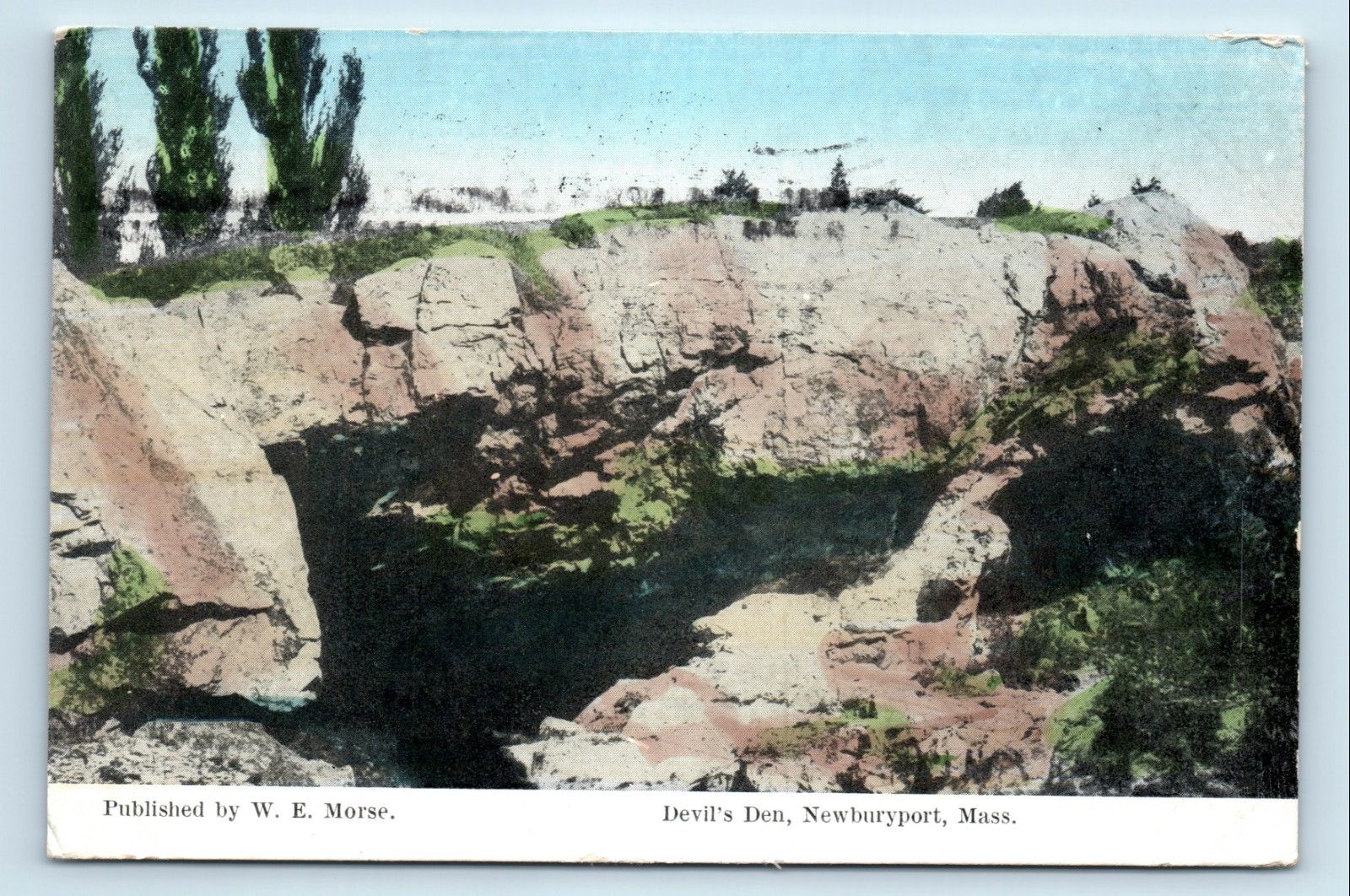
The “Devil’s Den”, a name which some have noted is akin to Innsmouth’s offshore “Devil Reef”.

A letter from Marblehead

24 Wednesday Jul 2019

Posted by asdjfdlkf in Historical context, New discoveries

≈ Leave a comment

Lovecraft must surely have noted this letter from his beloved Marblehead in Weird Tales for August 1926.

The idea of the high lonely house which “overlooks the ocean”, and in which the inhabitant opens the pages to let in weird imaginings, rather resembles Lovecraft’s “The Strange High House in the Mist”. Which was written 9th November 1926.

I can find nothing about a John Paul Ward in terms of his later activities. But it would be delicious to imagine that, perhaps one summer’s day in 1927, he might have had a knock at the door and found Mr. Lovecraft standing there proffering a personal copy of his new story (Weird Tales having turned the tale down in July 1927).

In 1931, recalling his vague ensemble of inspirations for the topography of the story, Lovecraft noted that “Marblehead has rocky cliffs — though of no great height — along the neck to the south of the ancient town.” (Selected Letters II). The house of a “J.M. Ward” is marked on an 1884 Map of Marblehead, out on ‘the neck’ near the lighthouse, facing out to the wild sea and in exactly the right position to be the home of the writer of such a letter. Could J.M.’s son or grandson have been J.P. Ward who wrote to Weird Tales, and perhaps inspired an H.P. Lovecraft story?

We know Lovecraft had been out on the Neck before summer 1927, since it is implied in a July 1927 letter to Moe about taking Wandrei there…

“took the ferry across to the Neck, where Wandrei communed with his beloved and newly-discover’d sea from the rugged cliffs. You didn’t visit the Neck…” (letters to Moe, page 154).

Lighthouse on the Neck, showing the scale of the sea-cliffs there.

Kittee Tuesday: Wain’s Cats Party

23 Tuesday Jul 2019

Posted by asdjfdlkf in Historical context, Kittee Tuesday, New discoveries

≈ Leave a comment

Celebrating H.P. Lovecraft’s interest in our fascinating felines.

Louis Wain, “The Cats’ Party”. Unknown date, but perhaps 20 years before “Ulthar”. Original was perhaps in colour?

Early in Lovecraft’s Commonplace Book, item #11…

   “Odd nocturnal ritual. Beasts dance and march to musick.”

Later used in “Ulthar”, minus the musick…

   “… little Atal, the innkeeper’s son, vowed that he had at twilight seen all the cats of Ulthar in that accursed yard under the trees, pacing very slowly and solemnly in a circle around the cottage, two abreast, as if in performance of some unheard-of rite of beasts.” — H.P. Lovecraft, “The Cats of Ulthar”.

Wain was enormously popular and there was a 1-shilling Louis Wain’s Annual each Christmas in Great Britain from 1901 (Lovecraft aged 11) onward, interestingly. And Lovecraft was of course a great cat-lover. Though, so far as I’m aware, Lovecraft never mentions Wain.

Friday ‘picture postals’ from Lovecraft: Newburyport – part one

19 Friday Jul 2019

Posted by asdjfdlkf in Historical context, Picture postals

≈ 2 Comments

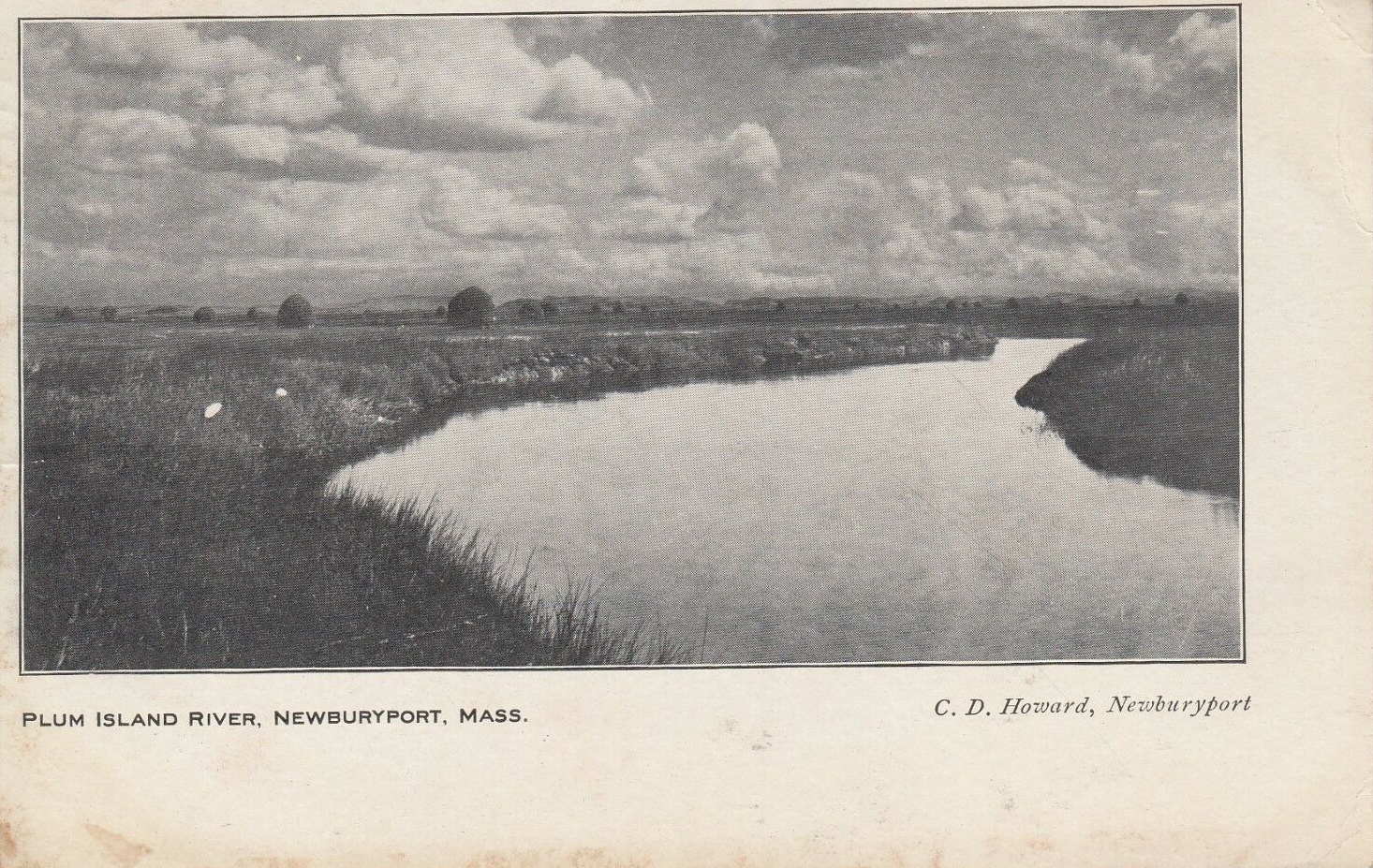
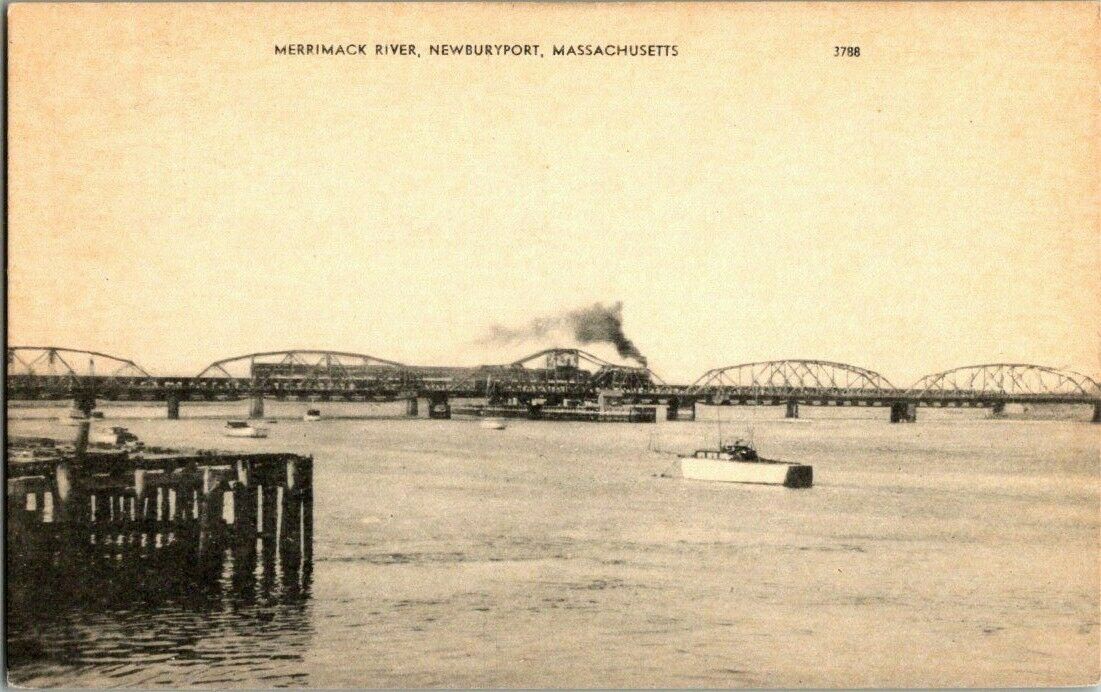
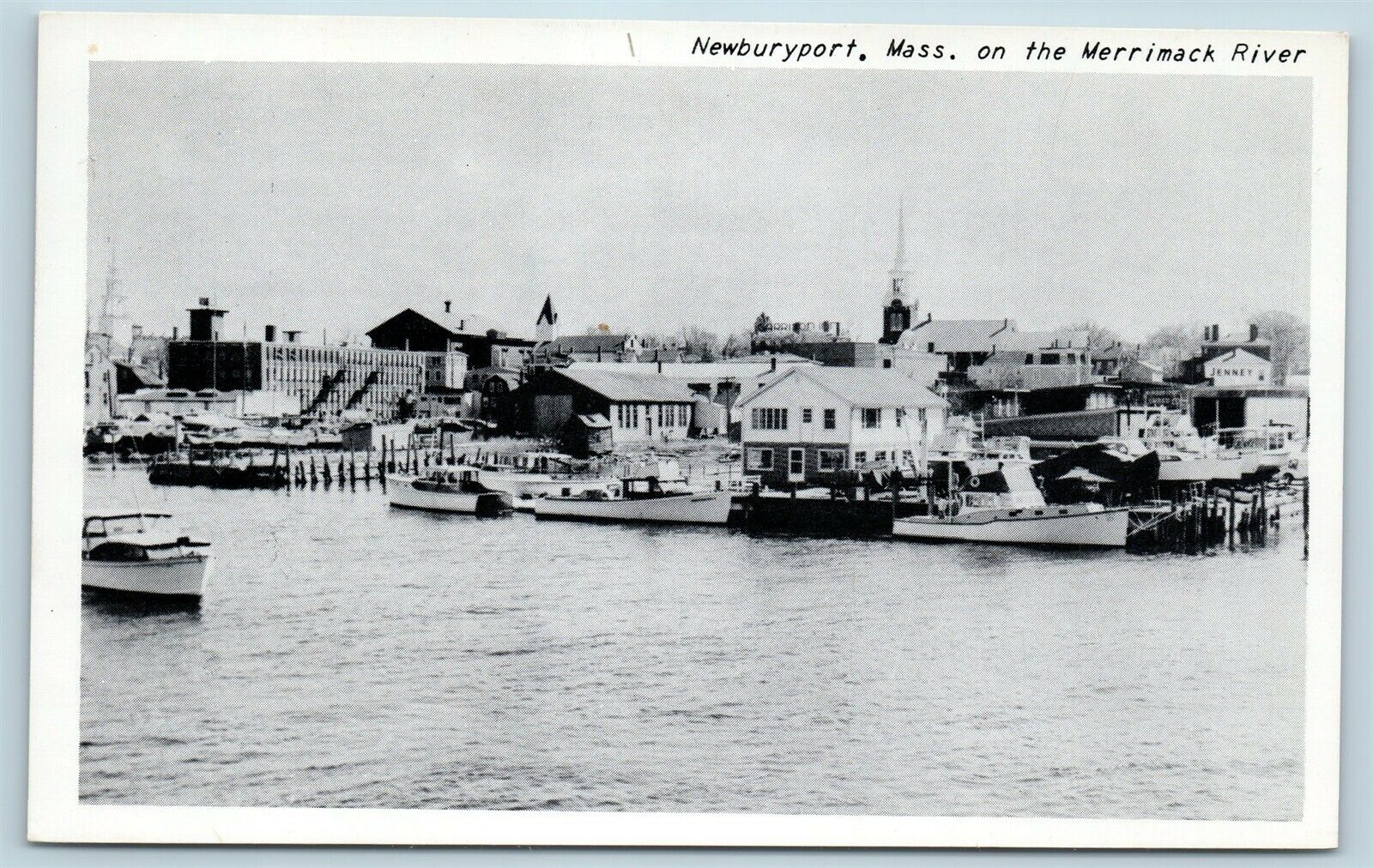
This week… back to Newburyport. Which was Lovecraft’s key model for Innsmouth.

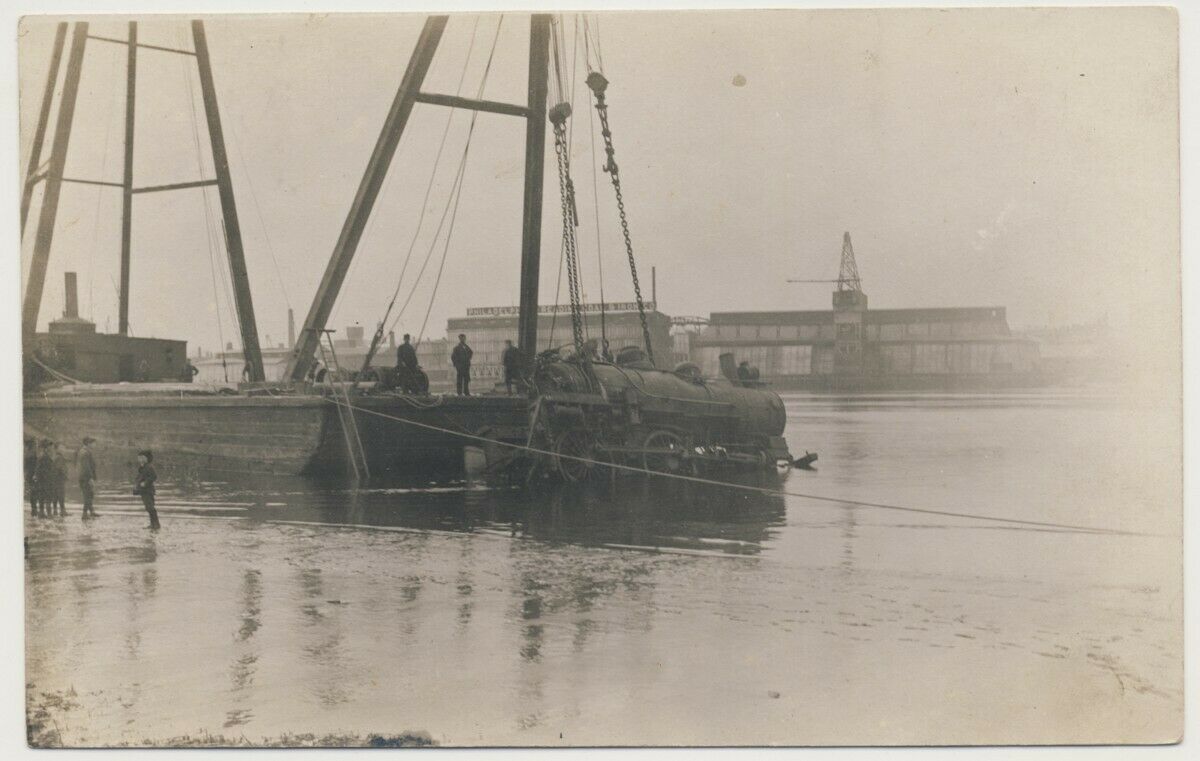
Below are postcards not seen before in posts on this blog. I’ve previously collected such cards in posts such as Along the Innsmouth shoreline. But those below are additional cards.

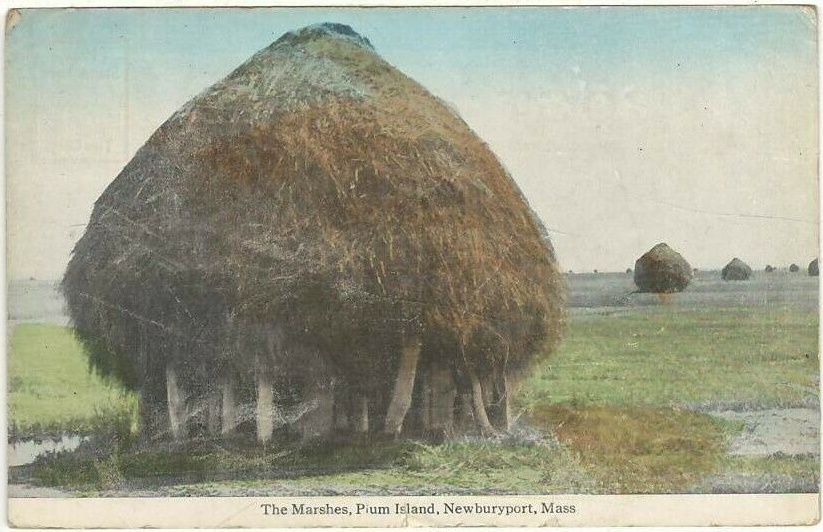
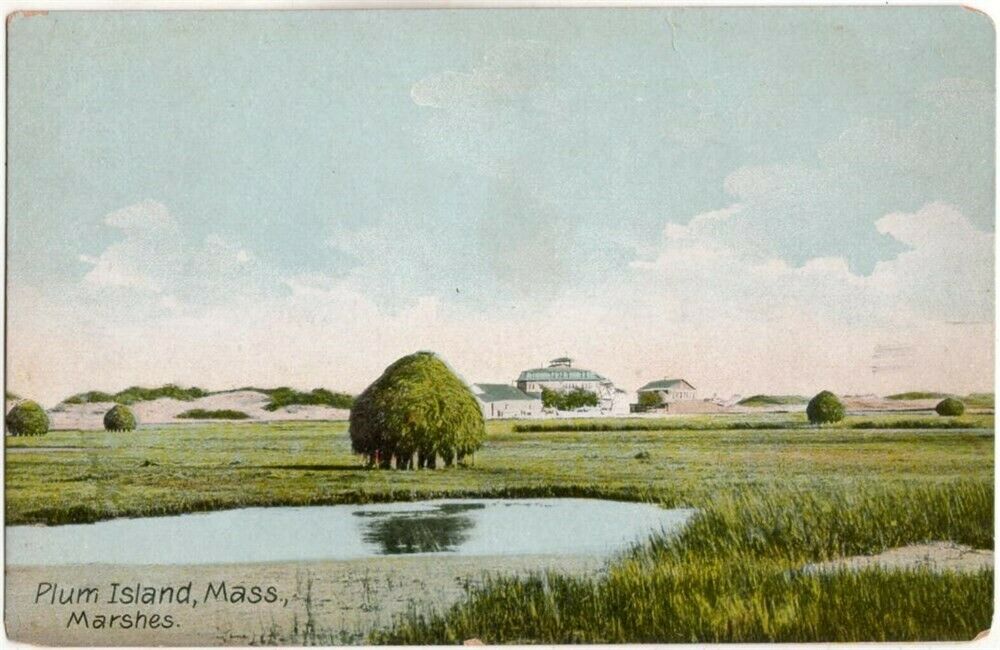
The marshes on Plum Island, and the river:


The river and working boats:

Locomotive gone off a bridge or swept away in a flood. Said by the seller to be Newburyport, but I’m not 100% sure.


Next week: the town and Joppa.

Guest post: “Lovecraft, alive in Paris!”

18 Thursday Jul 2019

Posted by asdjfdlkf in Guest posts, Historical context

≈ Leave a comment

Alban, of innsmouthmania.blogspot.com, has kindly sent in a translation of three articles and letters he published in French between 2013 and in 2015. These appeared in his “former blog dedicated to Innsmouth”. They’re published here at Tentaclii as a Guest Post, with my tidying of his translation and factual expansion of a couple of footnotes.


Lovecraft, alive in Paris! An American re-discovery?

In 1970 a young American student from Providence, Paul R. Michaud, travelled to Europe. On walking the streets of the French capital city of Paris Michaud was amazed to discover that a totally unknown American writer of the 1930s, a writer from Michaud’s own hometown no less, was on display in every bookshop. Moreover, this unknown ‘Mr. Lovecraft’ was enjoying an unprecedented posthumous success among the French. Michaud swiftly sent an article to his home town newspaper, the Providence Evening Bulletin, and this duly appeared there on 29th December 1970 under the title of: “In Paris, Lovecraft lives”. What follows is his text:—


“Paris —— Howard Phillips Lovecraft’s strangely accurate description of the sounds and smells of a little-known Paris street prompted a friend to ask him if he had ever been to France. “Yes,” Lovecraft replied, “in a dream with Poe. (1) Except for a few trips to Boston and a trip to the deep south, H.P. Lovecraft never left his home [the last address of which was] on College Hill, Providence. He was a loner who refused contact with the outside world. (2) Despite never having been to Paris, Lovecraft [has now] found a home in the French capital that had long been denied him in Rhode Island and the rest of the United States. Although considered dead to most of his compatriots, Lovecraft is alive and well and lives in Paris.

He is so alive in Paris that it is difficult to walk down the street without seeing his name either in a bookstore window or on a movie [house] front[age]. Just mention to a French student that you are from Providence and most often the name Lovecraft is automatically mentioned — often causing embarrassment to many Rhode Islander who have never heard of him.

Lovecraft is particularly revered by French students, many of whom carry his works in their pockets. For them, Lovecraft is as much a cultural hero as Albert Camus and Jean-Paul Sartre were in the past. Lovecraft’s translated works are in such high demand in Paris that most bookstores hold large stocks of several titles. Many of them even go so far as to devote entire showcases to them.

Roger Corman’s The Curse of Arkham, a film adaptation of a Lovecraft story, was so popular in the Latin Quarter that it ran continuously in at least two theatres for several months. One of the cinemas dedicated an entire outdoor display wall to Lovecraft.

Lovecraft’s first French translation appeared in 1954 and, in the following two years, most of his work was published. Since then, Lovecraft’s works have seen several editions and already more than 300,000 pocket[-book] copies have been sold in Paris alone.

Jacques Bergier, the man who spent 20 years trying to get Lovecraft published in French, is the kind of person H.P. Lovecraft would have become if he were still alive today. He is one of the most widely read science fiction authors in France, and recently published Le Matin des Magiciens [Morning of the Magicians, 1960] which has been sold in large print runs in its French and American editions, and is editor of the science fiction magazine Planète (*), he devoted his summer issue to a study of Ho Chi Minh, one of Bergier’s heroes. (3)

A chemical engineer by profession, Bergier has a long list of important discoveries to his credit, as well as the notoriety of having planned the destruction of the German missile base at Peenemünde as a Resistance fighter during the Second World War (4). Today, he is considering accepting an appointment at the University of California at Berkeley, as he plans to move to the United States in the near future.

If Lovecraft was so well received by the French, Bergier points out, it is because he was a writer who protested against the absurdity of a scientific civilization that was rapidly encroaching on man. Since 1940, the French have fought continuously, losing military battles on their own soil and abroad. While Lovecraft’s message was significant to them, it was only very recently accepted by his own country because Americans as a whole realized the absurdity of technology wars only in the mid-1960s, with the increase in American engagement in Vietnam. If Lovecraft’s condemnation of scientific civilization was well received by the French students known to Bergier it is because, like them, he is a “contender”, one who contests or questions the very basis of the society in which he lives. (5)

That Lovecraft is as popular as he is in Paris is very surprising, says Bergier, especially since the American author died more than 30 years ago. Lovecraft sold very well in Paris, despite not being there to promote his books. But, says Bergier, if Lovecraft were alive today, he would probably have avoided any contact with his reading public. This author from Rhode Island was a very shy man, and but for a small circle of friends he was very contemptuous of the human race. If Lovecraft acted in this way, says Bergier, it is because, as a child, he was repeatedly verbally castigated by his mother who told him that he was very mediocre and would never succeed at anything (6). The prediction proved true in Lovecraft’s daily life, as he was never able to earn more than $15 a week from his science fiction writings (7).

Arkham House has published a large number of works by Lovecraft, but in very limited editions. A recent spot-check of the Providence and Boston bookstores led me to find only two copies of Lovecraft’s paperback books — curiously in Fremont Street at a pawn shop. I didn’t find any in Providence. Because Lovecraft had no contact with the outside world, he wrote as if he had lived on another planet, says Bergier. One Lovecraft translation was quite rightly entitled: “Je suis d’ailleurs” (I Come from Elsewhere) (8).

But over the past thirty years, parts of this world that once exiled Lovecraft have begun to resemble very closely the world he wrote about. Little understood during his life as well as in his own country, Lovecraft, like many writers of his decade, became an expatriate, but an expatriate who never had to leave his hometown and country.


Note on the text: Once he returned home to the USA, the excited Paul R. Michaud sought the financial help of his parents to found a small publishing house in 1977. This was the Necronomicon Press, which he then passed on to his younger brother Marc R. Michaud. The aim was to publish works by Lovecraft, but also to discuss matters around and about his work, through publications such as Lovecraft Studies and Crypt of Cthulhu, and to provide a place where people like Will Murray, Kenneth Faig Jr., S.T. Joshi, Robert M. Price, and many others, who through their actions, would finally bring the prodigal child of Providence back home.

FOOTNOTES:

Italics = my additions.

(1) A beautiful but false story that Bergier liked to tell, because it was invented by him. Lovecraft did however, receive copious descriptive letters from Galpin during his time as a student in Paris, and also talked for hours in New York with Galpin’s French wife when she was ‘fresh off the boat’ from Paris.

(*) Planète ran 1961 to 1972. To call it a science-fiction magazine (in the British/American 1960s/70s sense) is somewhat misleading. It sometimes ran fiction by Asimov, Arthur C. Clarke, Ray Bradbury, and Asimov gave it a good interview in 1965. But by 1970 it seems it mainly… “explored esoteric ideas. Bergier was interested in the possibilities of extraterrestrial life and explored reported sightings of UFOs.” Evidently it was also an occasional organ of doctrinaire Marxist-Leninist communism in 1970.

The current Simon & Schuster blurb for the book Morning of the Magicians calls it… “The first book to explore in depth the Nazi fascination with the occult, Pauwels and Bergier also broke new ground with their study of pyramidology, alchemy and its close kinship with atomic energy, and the possibility of a widespread mutation of humanity that would herald the dawn of a new age for the earth.”

(2) False, except for a period when a young man. HPL as we now know, without being an actual ‘backpacking hiker’, took to travelling extensively during his adult years. Although even this was usually seasonal — a reclusive winter hermitage, then a sallying forth on travels during the late spring and through the summer.

(3) Paris had been deeply rattled by the failed revolutionary student uprisings of May 1968, while America was in the middle of the Vietnam War which was likewise rattling the nation’s sense of itself. Paris in 1970 was still in extreme political ferment, and the ideas of its intellectual salons and pamphlets were inspiring those who would soon unleash waves of armed leftist terrorism in Europe throughout the 1970s. “Ho Chi Minh” was one the many names of the Vietnamese Communist leader, a man responsible for spreading communist regimes across Vietnam, Cambodia and Laos. Minh was ultimately responsible for the deaths of around 4 million people, and the long misery of many subsequent generations in that region.

(4) He was part of the underground ‘Marco Polo network’ which warned London that the Nazis had carried out successful tests with long-range cross-Channel ‘V’ attack rockets. These messages, addressed to Colonel Remy, caught the attention of the British command — which took the threat into consideration and successfully launched an action to sabotage the base.

(5) In the swirl of post-’68 leftist politics in Paris, HPL was evidently deemed a fellow Marxist-Leninist and protestor! But there we feel that Bergier is speaking, and also suspect that Michaud, as an American, later became aware that HPL would surely have approved of the anti-communist aims of the Vietnam War.

(6) Psychoanalytical theory, such as it was in 1970, was commonly hazily understood among leftist intellectual circles to be ‘parent-blaming’, and this fitted well with the generational politics of the period. As for HPL, we now know that the facts of his misanthropy and his relationship with his mother was a little subtler than that.

(7) “Writings of weird fantasy” would have been more appropriate, but at that point in time few in America would have remembered what “the weird” once was.

(8) In fact: “The Outsider”, in the original title.


Paul Michaud, who actually lives in France, has written to us to give us more information:

“What you discovered, and ‘resurrected’ is only a small part of the original story [of ‘the news from France’ in 1970], acquired first by Jann Wenner of Rolling Stone magazine and later by the New York Times book reviewer — who lost the negatives I had sent them — and who ultimately did not publish it. Later it was August Derleth who, if I remember correctly, used some photos that I had the good idea to have printed before sending the negatives.

What was published in the Evening Bulletin is only a pale reflection of my original article, which contained, among other things, a larger part of the interview I had obtained from Jacques Bergier, who spent hours with me in his office on the Champs-Elysées during the month of August 1970.

Moreover there was a point years later, when Louis Pauwels (Bergier’s literary executor) also became a friend, and when he handed over Bergier’s archives to the Saint-Germain-en-Laye public library… then I noticed that the envelope marked by Bergier as containing his “correspondence with Lovecraft”, was… Empty! As for “completing” the version of my story, there was then no technical way to memorize or copy his writings, apart from using carbon paper on a typewriter, which unfortunately I did not do at the time.

I don’t remember the original [typescript] very well, the one that was typed for the Evening Bulletin. I had been their correspondent when I was in high school, alongside such luminaries as novelist Lesley Horwitz, or actor James Wood, and I knew they would take everything I had been unable to sell in the big newspaper markets. It is possible that my brother Marc Michaud, who took over the torch from Necronomicon Press in the late 1970s, has these good things to print in his archives, but given his constant travel, floods and other disasters, which he has faced in recent years, I doubt that he knows where the original article and my notes are located.

Moreover, my only contact with Lovecraft — until my first visit to Paris in 1970 — was through Ted Klein, whom I succeeded in 1969 as editor-in-chief of the Brown Daily Herald, the student newspaper of Brown University (Providence), and who had written a magnificent Lovecraftian piece titled “The Events at Poroth Farm” which Necromicon Press later reprinted, and which appeared at the time in one of Fantasy’s annual collections of ‘best writing’.

Ted during his last years in Brown lived with nine roommates in an apartment on Thomas Street, Providence, in the place which is featured prominently in an HPL tale (“The Call of Cthulhu”). It was also thanks to Ted that I was able to meet a very young writer who was also very influenced by Lovecraft, and not yet published at the time: Stephen King. He and Ted, conscientious objectors [to ‘the draft’ for the Vietnam war], taught English together in a school in Maine, in order to avoid being sent to Vietnam – an opportunity for them.


A further note, on Paul Michaud, HPL and Houellebecq in Biarritz.

In August 1979, Paul Michaud gave a lecture in Biarritz [expensive resort in the south of France] on Lovecraft in front of an audience of retirees, who had fallen soundly asleep under the overwhelming heat of the season. They woke only when he showed his slideshow of Weird Tales covers – those concerning the first publications of HPL – in which delicious nearly-bare pin-up girls fight against gelatinous or bestial semi-human monsters.

At the end of the presentation, a young man introduces himself. He says he is fascinated by the presentation, and asks for some references by which he might learn more about Lovecraft. As a gift, he offers the number [issue?] of the Que Sais-je collection on the ancient Gnostics, whose reading he had just completed. He tells the speaker that he is studying agricultural engineering and gives his address in Paris, near the Place de l’Odéon, not far from where Paul Michaud also lives — and finally gives his name: Michel Thomas.

It was only several years after this event Paul realized that this young man, passionate about Gnostics and Lovecraft, was none other than Michel Houellebecq and that undoubtedly, without really having sought it, Paul had helped him a little bit to “launch” his later literary career. Since in 1991 Houellebecq became the author of one of the first critical books in France on HPL.


Original Web links and some related pictures can be found here :

http://innsmouthmania.blogspot.com/2013/07/a-paris-lovecraft-vit.html

http://innsmouthmania.blogspot.com/2014/10/a-paris-lovecraft-vit-une-redecouverte.html

http://innsmouthmania.blogspot.com/2015/01/paul-michaud-hpl-et-houellebecq-sont.html

On Buzrael

16 Tuesday Jul 2019

Posted by asdjfdlkf in Historical context, New discoveries

≈ Leave a comment

A small unsolved mystery has long lurked in the text of “The Dunwich Horror”. The name “Buzrael” is used by the Rev. Abijah Hoadley when evoking the source of one of the “cursed Voices”. These Voices having been heard coming from under the ground near Dunwich Village, and thus preached against by Hoadley in a fateful sermon of 1747.

Joshi’s Annotated Lovecraft deems the name invented, and his Penguin Classics edition of Lovecraft states the same. Klinger follows, stating “unknown”.

I can now reveal that the name was invented, but not by Lovecraft. He took the daemonic name “Buzrael” from the satirical squit “The Funeral of Benedict Arnold” (Anon, 7th Oct 1780), in which the devil is deemed to have written a letter to congratulate his daemon emissary Buzrael (this being the infamous traitor Benedict Arnold) for subverting America. This letter was deemed to have been plucked from Arnold’s dying hand before the flames took it, and duly published as a public duty in the Pennsylvania Packet.

Lovecraft would have known this satiric letter from reprints in one of several standard early American history books, such as A Short History of the American Revolution. The earliest I can find it reprinted is in the collection Diary of the American Revolution: from newspapers and original documents (1860).

The name of course evokes ‘Buz—’ as in ‘buzzing’, thus lending itself easily to the idea of ‘strange noises’. The real Hoadley was the intellectual spark who lit the flame which led to the armed revolution in New England, and a man vehemently written against by Pope and Swift — as I reveal in my fourth book of Lovecraft in Historical Context essays. I can see no further connection between the real Hoadley and the real Arnold, although in this transitional period of Lovecraft’s writing the idea of linking the devil and the American Revolution was obviously on Lovecraft’s mind. For instance, as S.T. Joshi has noted of “Dexter Ward” (written 1927)…

the threat of Curwen and his unholy alliance with the devil becomes, according to Lovecraft’s retelling, the first spark of the American Revolution.

Oriental Stories, Winter 1932

16 Tuesday Jul 2019

Posted by asdjfdlkf in Historical context, Odd scratchings, REH

≈ Leave a comment

Newly on Archive.org for the first time, a good crisp scan of Oriental Stories for Winter 1932, Farnsworth Wright at the helm of this Weird Tales clone, and Robert E. Howard providing “The Sowers of the Thunder”.

The letters page has mention of The Cross Plains Review in Howard’s home town. A title obviously well known to Howard scholars, but it’s new to me. Howard thus appears to have had a strong local friend in the form of the town’s newspaper editor, something I hadn’t known before. It led me to find that there are now digitized scans of this newspaper online in PDF from a university, albeit the 1920s and 1940s and not the 1930s.

I also found a rather nice painting of The Cross Plains Review editorial building as it would have been…

The Fossil #380 – July 2019

15 Monday Jul 2019

Posted by asdjfdlkf in Historical context, Scholarly works

≈ Leave a comment

Out now, The Fossil #380 (July 2019), free in PDF.

The issue contains items of Lovecraft interest…

1) an essay by Ken Faig, looking in detail at Lovecraft’s acceptance of the NAPA silver ‘honorable mention’ medal for “The Street”. He solves a decade-long puzzle on the matter, with the aid of access to a previously inaccessible January 1922 amateur publication.

2) in a following note, Faig also briefly considers the assertion that in 1937 there was a lost ‘primary’ Lovecraft publication…

a “small booklet of poems” by Lovecraft entitled Science Fiction Bard, published by Donald Wollheim

3) a bibiographic and biographical follow-up to a Wilson Shepherd article, which appeared in the previous April 2019 issue.

Old Castro

14 Sunday Jul 2019

Posted by asdjfdlkf in Historical context

≈ 4 Comments

The Miskatonic Debating Club & Literary Society blog asks of Lovecraft, “did he base the character of Old Castro on Adolphe Danziger de Castro”? And offers some interesting comparisons.

Friday ‘picture postals’ from Lovecraft: the shacks of Marblehead.

12 Friday Jul 2019

Posted by asdjfdlkf in Historical context, Maps, Picture postals

≈ 1 Comment

whilst conversing with natives there [in the witch-town of Salem], I had learnt of the neighbouring fishing port of Marblehead, whose antique quaintness was particularly recommended to me. Taking a stage-coach thither, I was presently borne into the most marvellous region I had ever dream’d of, & furnish’d with the most powerful single aesthetic impression I have receiv’d in years. Even now it is difficult for me to believe that Marblehead exists, save in some phantasticall dream.” — letter from H.P. Lovecraft.

Marblehead thereafter became one of Lovecraft’s favourite places as a New England antiquarian. His first visit to the town was at dusk and relatively brief, and its atmosphere permeates his story “The Festival”. He did not visit the harbour area at that time, but walked upward and onto the headland for sunset views over it, then returned down the winding streets in the gathering dusk (as in “The Festival”).

Did he ever visit the harbour and step down to the shore? I can find no evidence he did. But he returned to the ancient town again and again and must surely have, at some point, closely surveyed the shorelines and jetties, if only from a distance. His July 1923 visit for instance, ‘did’ a newly discovered built-up section which he found went right down to the harbour…

Verily, here alone survives the maritime New-England of yesterday, with the glamour of ships and the salt winds of eighteenth-century voyages.

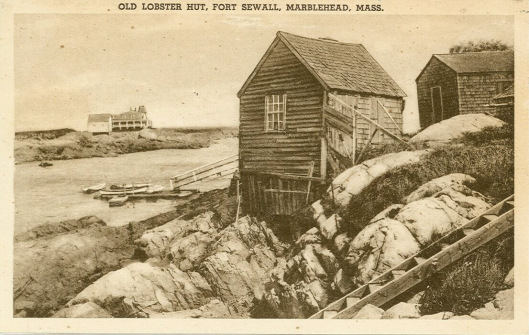
However, at Marblehead many of the lobster shanties appear to have been over on the Little Harbour, on the east side of the town. This was termed at that time a “cove at the lower end of the settlement”. Below is a map for orientation.

It may be objected that Lovecraft would have steered clear of going too close to an actual waterfront. Since, although a ship-captain’s sea-tang in the air seems to have been not unwelcome to him, he disliked the actual smell of fish. Yet here he is at Gloucester in 1927, exploring the still-working waterfront of the “really unchanged New England fishing port”…

one may actually get a lingering taste of old New England’s maritime past, along a waterfront filled with sail-lofts, ship-chandleries, and seamen’s missions.

Again, this doesn’t quite have him tromping down rough cobbled-stone slipways and then out along a sandy strand of loose grit and crushed lobster-claws. Which he might have encountered if he had walked over to Fort Sewall and down into Little Cove (or Little Harbour) in Marblehead. From the shacks at such places the fishermen worked as they always had. Lobstermen, in particular, still worked from shoreline structures such as those shown below, with their wooden lobster pots stacked up against the sides.

One could also see at Marblehead examples of houses which are basically fishing sheds, such as the ancient Gardner House (aka ‘Gardner Cottage’) now at 7 Gregory Street and “facing the quiet water of the tidal bay”…

A possible inspiration for Lovecraft? Well, there are many ‘Gardners’ in New England and, unless someone can dig up a “Nahum Gardner” here, there seems no reason to claim this place for “The Colour out of Space”.

What of other possible inspirations? Well, again one comes up empty. “The Lurking Fear” was written a year before Lovecraft discovered Marblehead. Thus it can’t be suggested that those particular shore shanties may have played into “Fear” settings such as…

The ground under one of the squatters’ villages had caved in after a lightning stroke, destroying several of the malodorous shanties; but upon this property damage was superimposed an organic devastation which paled it to insignificance. … The disordered earth was covered with blood and human debris bespeaking too vividly the ravages of daemon teeth and talon…

Nevertheless, there is a slim chance that there was some other shoreline encounter with “malodorous” shanties, likely surrounded by sun-bleached lobster detritus such as big claws (resembling “daemon teeth and talon”). That might be one possible real-life memory on which Lovecraft drew for this element in “Fear”, though there were doubtless others. It seems that lobstering was a craft practised pretty much all along the New England shoreline in suitable bays and coves, and that such big sun-bleached claws must have been a feature of shore-life. Such remains would have been a macabre if once-removed encounter with real-life deep ones.

What do the history books say? Well, they state that there had been a steady decline in lobster catches from the 1890s onward, probably due to over-fishing for the visitor trade. Then there were three prolonged cold snaps in a row, in the early 1920s, which soon made things quite tough for New England lobstermen by 1923. Worse times were coming, as tourist demand boomed in the hot summers of the mid 1920s and yet catches plummeted into the 1930s… just as the Great Depression really hit. Had Lovecraft actually met any old lobstermen on his travels in the 1920s and 30s, they would likely not have been very cheery people — in manner and sentiment probably much like old Zadok Allen of Innsmouth.

Thus, there seem to be no obvious aha! inspirations in the shanties at Marblehead. Oh well… one can’t expect to haul up new discoveries on every pictorial dive into Lovecraft’s places. But, those Lovecraftians looking for lobster and clam shacks in future will now at least be aware they were not only encountered by Lovecraft at the Joppa clam shanties at Newburyport (his main model for Innsmouth).

The remaining Howard Days videos for 2019

07 Sunday Jul 2019

Posted by asdjfdlkf in Historical context, Podcasts etc., Scholarly works

≈ Leave a comment

I don’t see more of videos coming online from the 2019 Howard Days, so below are links to what I take to be the final tranche.

Previous posts here at Tentaclii have already covered Howard Day 2019 – the first videos (trailer, keynote, and a main panel) and More Howard Days (“What’s new with REH”, and an excellent “History of Project Pride” which gives a fine insight into how just a few dynamic can-do people make all the difference to a small town).

The remains videos to be linked are:

* The Writers of REH, a 58 minute panel during which “Biographers of Howard answer biographical questions”.

* Glenn Lord Symposium 2019: Nicole Emmelhainz, giving a 40 minute talk about Howard’s letters and correspondents.

* Glenn Lord Symposium 2019: Ralph Norris, giving a short 20 minute talk about Howard’s Kull character.

* Fists of the Ice House 2019 is a 48 minute talk on Howard’s boxing stories, given dynamically in the very place where the author used to box. Followed by a 50 minute panel on Sailor Steve Costigan of the boxing stories.

Many thanks to Ben Friberg for the uploads and (I assume) he was also the one to be thanked for the clear audio and professional recordings.

Others? Unfortunately YouTube has near-enough turned off their ‘sort by date’, to the extent that it’s now very difficult to get a comprehensive slate of ‘most recently posted’ videos in the results for any keyword or phrase. So my apologies if someone else has also posted a Howard Days 2019 video, but I wasn’t able to find it. Nothing pops up on ListenNotes either, which is the best podcast search-engine. Sadly it’s 2019 and the world still lacks a ‘timely blog-post search’ engine like the old Technorati, but using the general search-engines to approximate that didn’t turn up anything in the form of .MP3s or video.

* The Abeline Reporter local newspaper has a good long write-up and crisp photos, “Howard Days celebrates Cross Plains writer’s legacy”. I’m pleased to see that this is accessible outside the USA (many small town newspapers block outsiders now). It includes the interesting news that…

At this moment, Howard is way bigger in France than he is the [United] States,” said French scholar Patrice Louinet, who regularly travels to Cross Plains to present at Howard Days. “He’s everywhere [in France].”

The local cemetery website also has a nice look at the excellent promotional poster for 2019, along with the artist’s details if you’d care to commission him for something similar for your town…

Friday ‘picture postals’ from Lovecraft: Around Brattleboro

05 Friday Jul 2019

Posted by asdjfdlkf in Historical context, Maps, Picture postals

≈ 2 Comments

H.P. Lovecraft’s correspondents were sent not only ‘picture postal’ postcards, but also lightweight brochure-leaflets from specific places. As America’s ‘visitor trade’ grew, in the late 1920s and early 1930s, Lovecraft could pick these leaflets up in stores, museum foyers, YMCA lobbies and the like. Presumably a keen visitor would be permitted to take a handful, if he promised the attendant he would ‘send them on to interested friends’. As Lovecraft became increasingly poor, such small items could have occasionally saved him the cost of buying pictorial postcards.

Above is a 1940 tourist map of the attractions and notable places around the town of Brattleboro. However, the map is identical to that on the reverse of this c. 1930 leaflet…

It may be of use to those trying to follow Lovecraft’s excursions out from the Goodenough farm in West Brattleboro, and the nearby Vrest Orton place. Such overview maps may be especially useful once we get the mammoth volume of Lovecraft’s complete ‘letters to the aunts’, due for publication soon. My guess is that we can probably expect to read there of a good many visits to obscure antiquarian shrines and remote mountain-vistas, all lovingly detailed. Possibly there may also be some mention of the 1927 Vermont floods at Brattleboro, though Lovecraft only saw the floods in pictures…

Lovecraft visited Vermont for the first time in the summer of 1927, returning in the summer of 1928. He did not actually witness the Vermont floods (a real event) [which gave rise to the story “The Whisperer in Darkness”], but they received extensive coverage in newspapers throughout the East Coast, and Lovecraft no doubt heard some first-hand accounts of them from several friends in Vermont including Vrest Orton and Arthur Goodenough”. — S.T. Joshi, A Subtler Magick.

Pictures: the subsiding 1927 floods at Brattleboro.

Readers will recall Lovecraft’s “The Whisperer in Darkness”, opening with lines such as…

… country folk reported seeing one or more very bizarre and disturbing objects in the surging [1927 flood] waters that poured down from the unfrequented hills, and there was a widespread tendency to connect these sights with a primitive, half-forgotten cycle of whispered legend …

Spurred by finding the above Brattleboro map, I went looking for an update on the conservation and restoration of the Goodenough farmstead at Brattleboro. Apparently the farmhouse has a covenant on it which states that it’s to be preserved intact in its original form. The Goodenough Farmstead Trust began in 2004 and they spent $65,000 on the place in 2006. Most likely on the excellent new roof, to be seen below. The last online report from the place appears to be that of the Lovecraft fan Dakota Rodeo and friends, who visited in summer 2014 and found the house looking good but interior works still ongoing…

GEDC2989_zps8777848cPicture: local girls at the farmstead in 2014, visiting for Lovecraft’s birthday.

Also, where exactly is it? Joshi in A Subtler Magick places Orton just outside Brattleboro itself, and states that Goodenough’s farm was “further to the north”. Yet the local historical society has it that Goodenough’s hillside farmstead is on “the Goodenough Road in West Brattleboro”, which would place it west of Brattleboro. Lovecraft himself states that Goodenough… “dwells not much above a mile from Orton’s”, Orton having… “hired a delightful farm some miles out of Brattleboro, in Vermont” (Orton had recently fled New York and the south Windham County house was on a long all-summer lease, not just a week’s holiday-let). Given this, Joshi’s “further to the north” must indicate “to the north” of Orton’s place, not north of the town itself.

While looking for Orton’s actually address I found additional interesting confirmation that that he and Lovecraft would have chimed politically. The author of a 1989 tourist book on Vermont had looked through Orton’s famous mail-order publications and noted their politics…

Vrest Orton, whose tartly conservative political views punctuated the [his] enormously successful mail order catalogue Voice of the Mountains“. — The roadside history of Vermont, 1989.

Voice was issued by Orton’s business the Vermont Country Store, and a collection of his columns were later published as the book The Voice of the Green Mountains: a collection of phillipics, admonitions & imponderables (1979). Orton’s late recollection of Lovecraft, first published 1982, also made a passing remark on Britain’s increasingly sorry state under socialism. This implies that i) his political views had not changed over time, and that ii) his memoir was likely penned some years earlier, perhaps in 1976-79, when Mrs Thatcher had not yet been elected.

But… back to finding the precise location(s) of Goodenough and Orton in the 1920s. If the Goodenough farmstead’s location is the address at which the Goodenough Farmstead Trust is formally registered today (and satellite photography in Google Earth suggests it is, offering the same building layout, roof shape, and arrangement of of the grounds) then that puts it about five miles directly west of Brattleboro itself. This further suggests that Orton’s springwater-fed and oil-lit “eighteenth-century” place may have been in the hills somewhere off Akley Road, about a mile south of the Goodenough farmstead. Orton’s late memoir of Lovecraft actually puts his rented place at “ten miles” from town, but no doubt Orton recalled every hairpin bend and switchback in that tally, as the neighbour’s Ford rattled along the back-roads through the hills. Here is Lovecraft, recalling the journey up into the backroads…

“The nearness and intimacy of the little domed hills become almost breath-taking — their steepness and abruptness hold nothing in common with the humdrum, standardized world we know, and we cannot help feeling that their outlines have some strange and almost-forgotten meaning, like vast hieroglyphs left by a rumoured titan race whose glories live on in rare, deep dreams.”

Picture: Brattlboro is the large town seen along the river on the right of the picture, and Guilford / Old Guilford straddles the road that runs south out of it. The curious line seen marching across the landscape near the farmstead, like an ancient Roman wall, is presumably a forest fire-break to protect the town? Despite being marked on the old tourist map as forest it probably would not have been quite so thickly wooded back then, because there has been massive forest ‘re-growth from farmland’ in the eastern USA since the 1930s, along with a general global greening since the 1990s.

There is a slightly curious place-name puzzle here. Orton’s newspaper report “A Weird Writer Is In Our Midst” (1928) states that Lovecraft’s 1928 visit was at “Guilford”, which the modern maps mark at about a mile and a half south of the centre of Brattleboro. He is “stopping with us in Guilford”, writes Orton in the newspaper. This is apparently confirmed by the title of “Literary Persons Meet in Guilford” Brattleboro Daily Reformer (18th June 1928). And yet Orton’s later memoir of Lovecraft clearly states that the location of the 1928 visit was his rented summer house, near the Goodenough farmstead, and that this was “ten miles from Brattlboro”.

But we know that the “Literary Persons Meet in Guilford” meeting was definitely held at the Goodenough farmstead. The local newspaperman was at the farm in person and reported… “Half a dozen literary persons met for a discussion yesterday at the home of Arthur Goodenough”. Lovecraft himself reported to fellow amateurs that… “there was a literary assemblage of much interest at the poet’s abode”.

The solution to this small riddle must be that, to local people, the place was considered to be part of Guilford. Even though Guilford/Old Guilford was many miles east-away toward the river, through the rolling hills. Indeed, looking more closely at the maps one can see a “West Guilford” area extending out toward the Goodenough farmstead.

Picture: Typical covered bridge and packed-dirt road, of the type then found in Guilford and Brattleboro.

← Older posts
Newer posts →


Please become my patron at www.patreon.com/davehaden to help this blog survive and thrive.

Or donate via PayPal — any amount is welcome! Donations total at Easter 2025, since 2015: $390.

Archives

  • March 2026
  • February 2026
  • January 2026
  • December 2025
  • November 2025
  • October 2025
  • September 2025
  • August 2025
  • July 2025
  • June 2025
  • May 2025
  • April 2025
  • March 2025
  • February 2025
  • January 2025
  • December 2024
  • November 2024
  • October 2024
  • September 2024
  • August 2024
  • July 2024
  • June 2024
  • May 2024
  • April 2024
  • March 2024
  • February 2024
  • January 2024
  • December 2023
  • November 2023
  • October 2023
  • September 2023
  • August 2023
  • July 2023
  • June 2023
  • May 2023
  • April 2023
  • March 2023
  • February 2023
  • January 2023
  • December 2022
  • November 2022
  • October 2022
  • September 2022
  • August 2022
  • July 2022
  • June 2022
  • May 2022
  • April 2022
  • March 2022
  • February 2022
  • January 2022
  • December 2021
  • November 2021
  • October 2021
  • September 2021
  • August 2021
  • July 2021
  • June 2021
  • May 2021
  • April 2021
  • March 2021
  • February 2021
  • January 2021
  • December 2020
  • November 2020
  • October 2020
  • September 2020
  • August 2020
  • July 2020
  • June 2020
  • May 2020
  • April 2020
  • March 2020
  • February 2020
  • January 2020
  • December 2019
  • November 2019
  • October 2019
  • September 2019
  • August 2019
  • July 2019
  • June 2019
  • May 2019
  • April 2019
  • March 2019
  • February 2019
  • January 2019
  • December 2018
  • November 2018
  • October 2018
  • September 2018
  • August 2018
  • August 2015
  • July 2015
  • April 2015
  • March 2015
  • February 2015
  • January 2015
  • December 2014
  • November 2014
  • October 2014
  • September 2014
  • August 2014
  • July 2014
  • June 2014
  • May 2014
  • March 2014
  • February 2014
  • January 2014
  • December 2013
  • November 2013
  • October 2013
  • September 2013
  • August 2013
  • July 2013
  • June 2013
  • May 2013
  • April 2013
  • March 2013
  • February 2013
  • January 2013
  • December 2012
  • November 2012
  • October 2012
  • September 2012
  • August 2012
  • July 2012
  • June 2012
  • May 2012
  • April 2012
  • March 2012
  • February 2012
  • January 2012
  • December 2011
  • November 2011
  • October 2011
  • September 2011
  • August 2011
  • July 2011
  • June 2011
  • May 2011
  • April 2011
  • March 2011
  • February 2011
  • January 2011
  • December 2010
  • November 2010
  • October 2010
  • September 2010
  • August 2010
  • July 2010

Categories

  • 3D (14)
  • AI (70)
  • Astronomy (70)
  • Censorship (14)
  • de Camp (7)
  • Doyle (7)
  • Films & trailers (101)
  • Fonts (9)
  • Guest posts (2)
  • Historical context (1,096)
  • Housekeeping (91)
  • HPLinks (77)
  • Kipling (11)
  • Kittee Tuesday (92)
  • Lovecraft as character (58)
  • Lovecraftian arts (1,628)
  • Lovecraftian places (19)
  • Maps (70)
  • NecronomiCon 2013 (40)
  • NecronomiCon 2015 (22)
  • New books (966)
  • New discoveries (165)
  • Night in Providence (17)
  • Odd scratchings (984)
  • Picture postals (276)
  • Podcasts etc. (431)
  • REH (184)
  • Scholarly works (1,470)
  • Summer School (31)
  • Unnamable (87)

Get this blog in your newsreader:
 
RSS Feed — Posts
RSS Feed — Comments

H.P. Lovecraft's Poster Collection - 17 retro travel posters for $18. Print ready, and available to buy — the proceeds help to support the work of Tentaclii.

Proudly powered by WordPress Theme: Chateau by Ignacio Ricci.