The DuckDuckGo search-engine has given $225k to a range of worthy open-source projects working on privacy, free speech and snoop-free communications.
Duck lays golden eggs
06 Friday May 2016
Posted in Spotted in the news

06 Friday May 2016
Posted in Spotted in the news
The DuckDuckGo search-engine has given $225k to a range of worthy open-source projects working on privacy, free speech and snoop-free communications.
01 Sunday May 2016
Posted in Spotted in the news
I’ve just heard about the museum fire in Delhi, the capital of India…
“A huge blaze gutted India’s Museum of Natural History Tuesday, destroying six floors of the building and possibly countless collections of the country’s flora and fauna […] The museum is the first and only natural history museum in India [and was] also home to a reference library for scholars [with] more than 15,000 books.”
One hopes that there were no un-scanned unique archival runs of vintage paper journals, or unique notebooks, in the Library.

While the Museum’s traditional ‘stuffed animals’ style of presentation may have appeared antiquated to many Western and (it appears) a few Indian curators, its steady educational work seems to have encouraged real interest in the natural world among receptive young people in the city. One Indian wrote of the fire online…
“We have all been here, and knowing that this beautiful place — with its host of priceless artefacts — doesn’t exist any more is heart wrenching.”
01 Sunday May 2016
Posted in Ecology additions, New titles added to JURN
Surtsey Research Progress (not yet fully indexed by Google)
Plant Sociology (not yet fully indexed by Google)
30 Saturday Apr 2016
Posted in Ecology additions, New titles added to JURN
Journal of Science and Cycling (bicycles and science)
30 Saturday Apr 2016
Posted in Spotted in the news
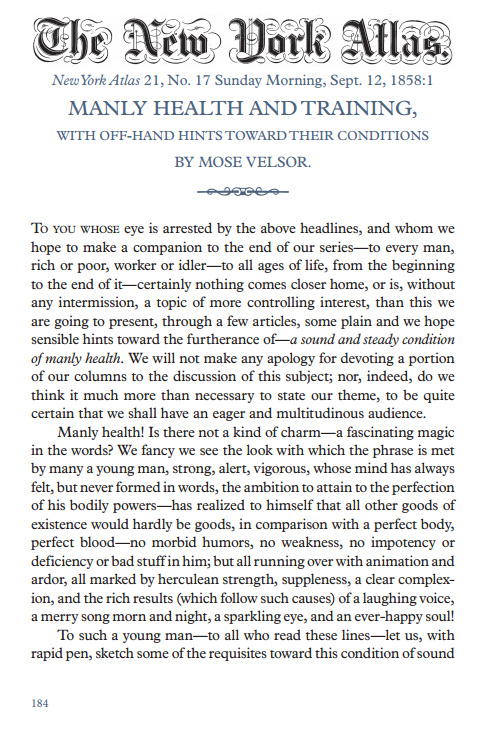
The newly-discovered book-length text by Walt Whitman, Manly Health and Training, has very kindly been published in full today in open access at the Walt Whitman Quarterly Review.
30 Saturday Apr 2016
A new Medium article, from the head of Ingenta Connect, “Is the Open Access discoverability problem solvable? And whose problem is it?”. It’s a cursory look at the problem, but even then it’s interesting for what it doesn’t say…
* For “institutional librarians” the author seems to imply that their future role is only to be in one-to-one “mentoring and facilitation” of researchers. No mention of anything else, like the big publishers working with librarians to craft and adopt universal OA-status tagging code for discoverability.
* For “scholarly authors” he only suggests academics might become marketeers for their own papers. Frankly, this seems like a waste of their valuable time. Given the salaries that full-time research academics get, they can afford to hire a virtual assistant. To promote four or five papers a year outside of one’s own disciplinary niche, simply go to UpWork (or similar) and hire your personal marketeer at $180 a paper (to get someone of quality, for a day and-a-half of work). One could probably find a way to write the $900 bill off against tax each year. Of course that assumes one is publishing something worth reading, rather than academic shovel-ware intended to tick boxes inside one’s own institution.
* For the big “publishers” the article vaguely suggests they need to embrace openness. Though perhaps only in order to capture it for their own purposes, via a… “drawing-together of all the dispersed OA content silos into one place”. Well, for their own limited set of OA content, the big publishers can solve that on Monday morning if they really want it. They just have to allow the seemingly-stalled Paperity to import the OA-only article feeds of Elsevier, Brill, Degruyter, Wiley and others, so that Paperity has full coverage of all OA articles from the big publishers.
29 Friday Apr 2016
Posted in Ecology additions, New titles added to JURN
Acta Naturalia Islandica (1946–1991, Icelandic Institute of Natural History)
Acta Botanica Islandica (1972-2004, Icelandic Institute of Natural History)
28 Thursday Apr 2016
Posted in New titles added to JURN
Marian Studies (on a repository that’s poorly indexed by Google)
Marian Library Studies (on a repository that’s poorly indexed by Google)
+
The Mars Society’s MarsPapers repository of scientific papers, reports and transcripts.
27 Wednesday Apr 2016
Posted in New titles added to JURN
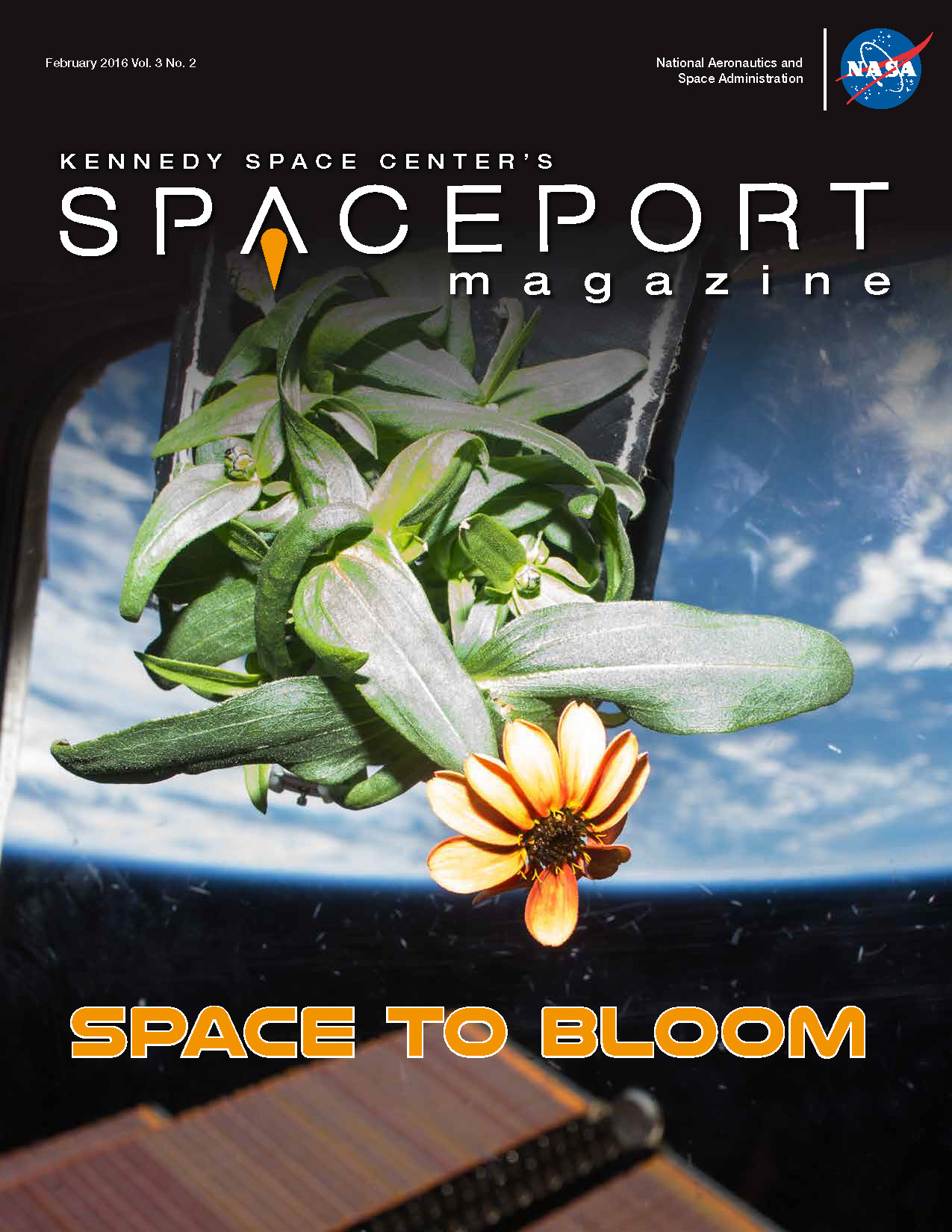
Added NASA’s Spaceport Magazine. The magazine’s Web page also has links to the earlier title Spaceport News, and a 1962 to 2010 index for that title. Also has Web links to all the other free magazines and newsletters from NASA.
26 Tuesday Apr 2016
Posted in Ecology additions, New titles added to JURN