Tolkien Gleanings #447
* New in the current rolling Journal of Tolkien Research, the Digital Tolkien Project has “Continuing Christopher Tolkien’s Work in a Digital Age”. Freely available online.
“It explores how digital philology can overcome some of the limitations of print, giving examples from the Digital Tolkien Project. It shows how structural markup, version alignment, parallel reading environments, and other approaches can make relationships between drafts and published texts clearer.”
* The latest edition of The Oxford Centre for Fantasy’s Mythmakers podcast digs out “The Top 5 Writing Lessons from The Two Towers” for creative writers. There’s also what appears to be an AI-assisted concise text summary of the podcast, titled “How to Write Complex Multiple Viewpoints Like J.R.R. Tolkien”.
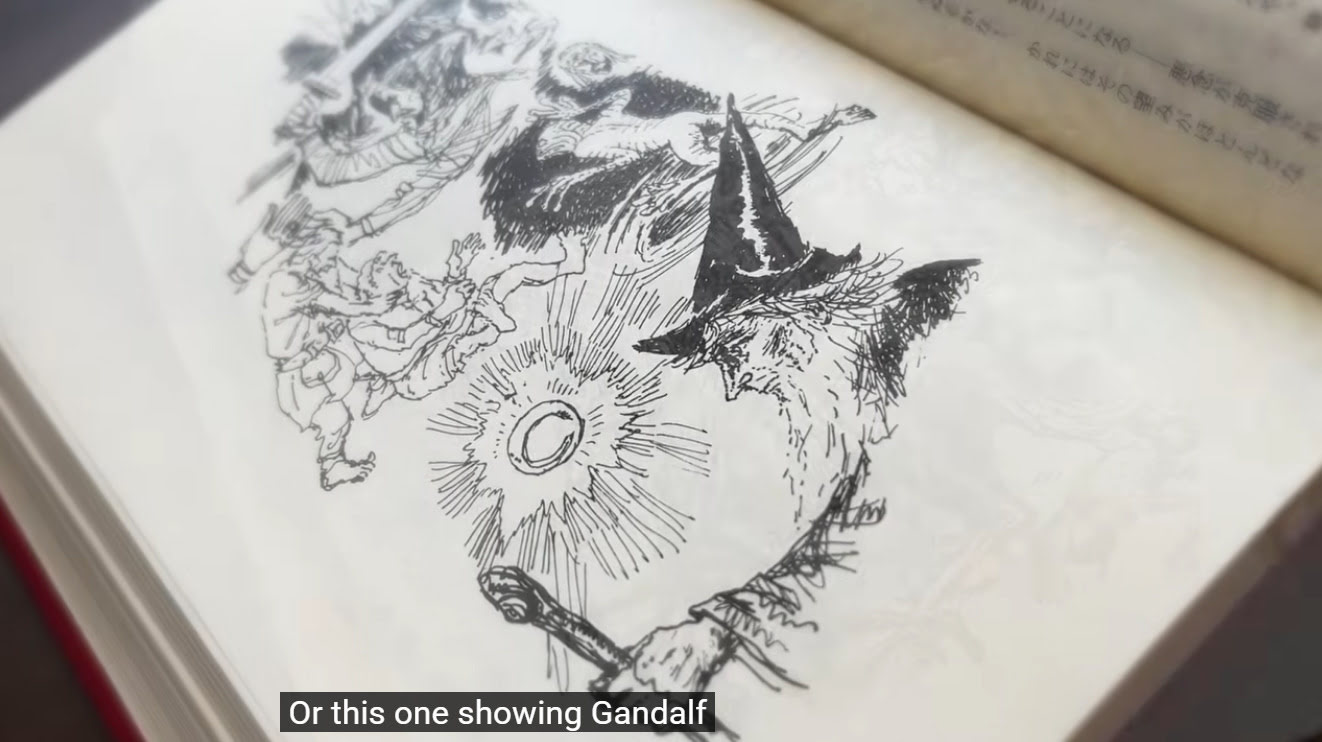
* On YouTube, the Bookel-men channel flips through and shows “The illustrated Japanese Lord of the Rings”.
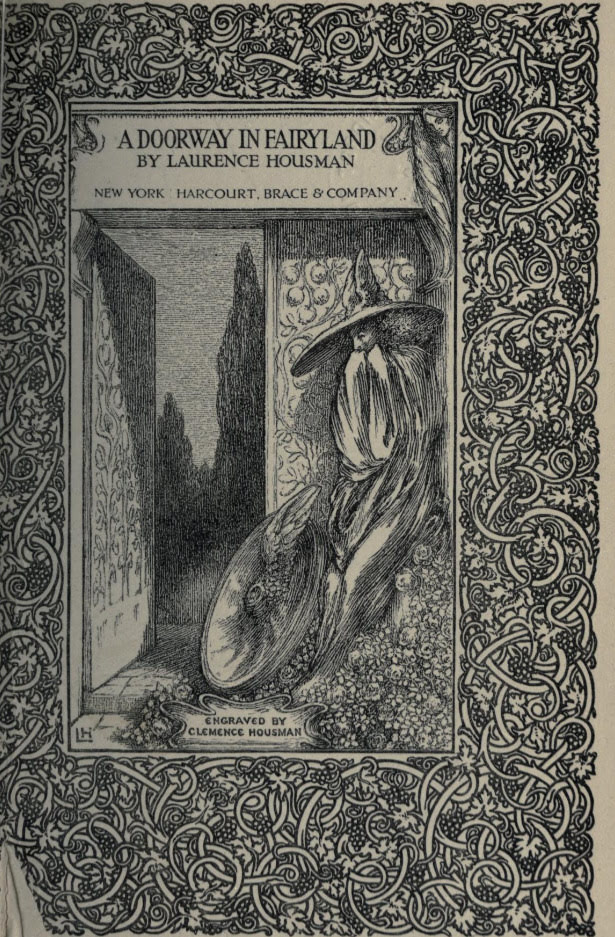
* New on Librivox, a free public-domain audio reading of A Doorway in Fairyland by Laurence Housman. The book appeared in Great Britain in 1922, containing a selection from his four previous fairy-tale books which had appeared 1894-1904. The U.S. edition of Doorway was 1923. The fairy tales were new, by Housman, the brother of the famous poet. The frontispiece engraving in Doorway instantly reminds me of the appearance of Gandalf (hat, beard, cloak), although admittedly the boots are not seen.
* A new Malcolm Guite video on YouTube, in which he talks about the “Return to Rivendell” in LoTR.
* And finally, I came across and restored a postcard of ‘the camp’ at Intack Farm, which was near the sea-cliff some two miles south of Withernsea (location checked against a map of the period). Tolkien was nearby, at the small camp at Thirtle Bridge which was about three miles NW of Withernsea.
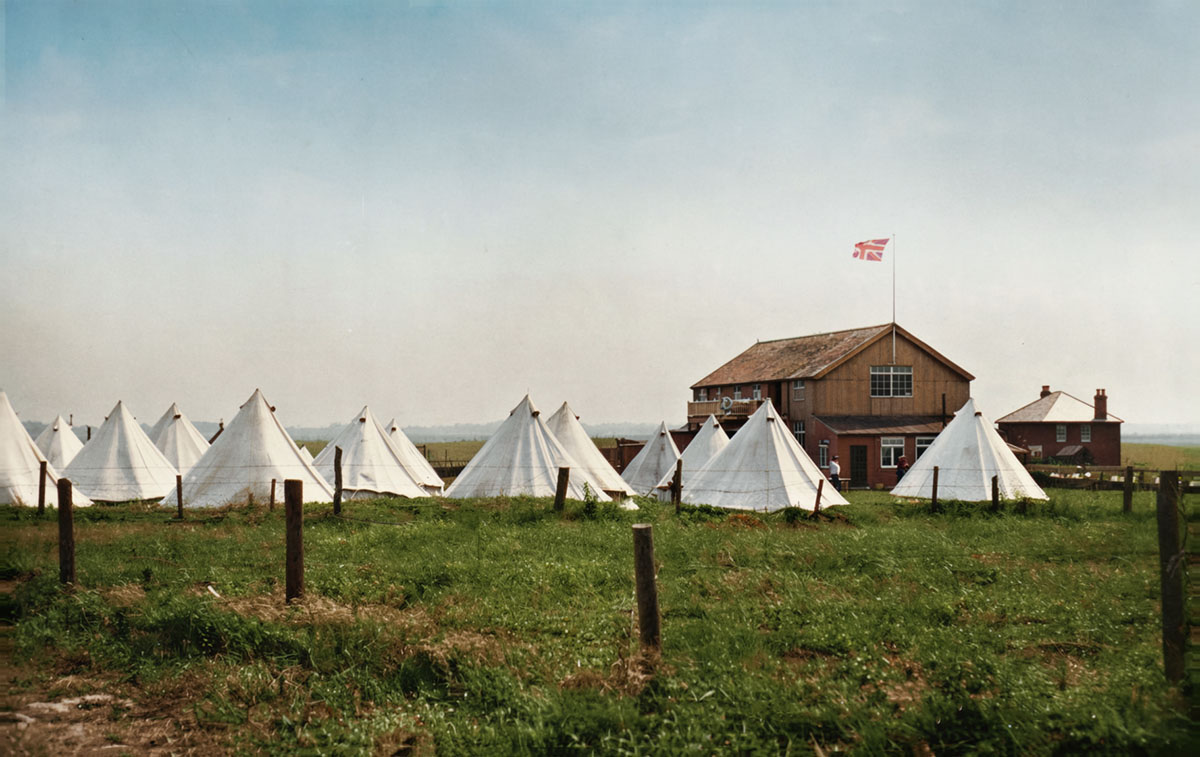
So this image is not his camp, and indeed the image may have been made after the First World War. But it is an indicative glimpse of the bleak and windswept small Army camps along the Yorkshire sea-coast near Withernsea, whose men helped to protect the industrial north against Zeppelin attack during the First World War. (See the excellent article “Tolkien and the Zeppelins” for more details).