The working life of Stoke’s stations in the days of steam

Here’s the first part of an evocative article from Railway magazine, June 1950. Giving a vivid account of Stoke and Hanley stations in the days of steam, circa the 1920s-1940s. Had from an eBay listing of the paper magazine, and the hasty and low-res eBay page-scans proved an interesting test for the current state of OCR text extraction. The open-source NormCap, a Windows screenshot utility that runs Tesseract OCR, did the job well even though the text was tiny and the .JPG compressed.


“North Staffordshire Memories”

By R.E.G. READ.

OCCUPYING a strategic position in the industrial North Midlands, and hedged in by two of our largest railway systems, the old N.S.R. [North Staffordshire Railway] was never widely known and one imagines was often too hastily dismissed with contempt solely by virtue of its size, which, incidentally, was not quite so small as it would appear at a first glance.

Nevertheless, the line was far from despised by those who knew it best. On the contrary, among even its season ticket holders — most critical of travellers — there were many who would point out with pride its achievements, such as the possession of a higher proportion of electrically-lit rolling stock and stations than most of the great main line railways could then show, its fine punctuality, and freedom from accidents — in this last respect it claimed that throughout its history no single passenger had received fatal injury — and, last but not least, its readiness to meet the special needs of the district it served.

The focal point of the system was Stoke, and here the platforms (of no great length) plus one short bay, had to deal with the passenger traffic, mainly local in character but of a density that gave ample point to the local boast that the station handled more passenger trains in the working day than Crewe. For some years prior to the amalgamation, the management had been making strenuous efforts to overcome the competition of the “Potteries” trams on the inner suburban sections and, amongst other things, had opened a number of “halts”, of which Mount Pleasant between Stoke and Trentham, and Basford and Hartshill between Stoke and Newcastle-under-Lyme, stand out in the memory. Railmotors were built to cater for this traffic, which was of short duration, for they, and most of the halts, disappeared quickly under the L.M.S. regime [London, Midland and Scottish Railway, est. 1923-].

Stoke station was a lively place in those days. There were no platform indicators then, and destination boards were conspicuous more often than not by their absence, so that the human voice, served instead. Only the [Potteries] “Loop” line trains were conspicuously marked. In the “rush” period when the short trains would follow each other along the platforms, each moving up in turn as the place before it became vacant, the noise would become a Bedlam, with the porters cries alternating between train announcements and warnings to “mind the doors” “stand clear” “train drawing up” and so forth. The train announcements, by the way, included all the intermediate stops, reeled off fortissimo and seemingly in one breath, and to the unitiated would sound the most utter gibberish. Some of the staff were rare characters, and are remembered by name to this day.

The “high spot” of the day’s working was undoubtedly the 1.14 p.m. to Euston (the 12 noon from Manchester, London Road) and forerunner of the ‘Lancastrian’, which of course filled the whole length of the up platform. To the normal activity was added an unusual dignity, reflected from the presence of the station-master and the train itself in its fine North Western colours. Until the early 1920s when a War Memorial arch was built across the circulating area on the up [east] side, together with platform gates, the station was an “open” one and a huge fire used to burn in the vestibule entrance to the down [west] platform. The refreshment rooms were deservedly well patronised and the whole station had the air of being what it in fact was, the hub of a railway system.

On the whole, the N.S.R. stations were quite substantial affairs, with a brick wall usually taking the place of the fencing at the rear of the platforms. The characteristic station house situated above and around the Booking Hall, Waiting Rooms, etc., seen perhaps to best advantage at [the town of] Stone and to a lesser degree at Sandon, was of a style delightfully summed up by Mr. C. Hamilton Ellis as “Victorian Tudor.” That at Longton was unusual in that it had both a short allover roof and platform awnings adjoining and spanning but two tracks, while Hanley station lay well below the level of its approach road, and access to the platforms was by means of a boarded slope — down which tardy passengers would chase full tilt into the waiting trains below, to the accompanying cries of the staff at both ends. Trentham was built in a style that matched the coach-houses of Trentham Hall — once the seat of the Dukes of Sutherland. Those outside the smoky towns often went in for gay flower borders and I particularly recall Radway Green, Sandon, and Alsager in this connection.

The intensive suburban service was seen at its most characteristic on the old [Potteries] Loop line, whose trains were distinguished by the carrying of that name on an oval plate above the front buffer beam. This sinuous and sharply graded [i.e. often steep] line, constructed after the opening of the direct route from Stoke to Macclesfield via Longport, left it at Etruria and serving Hanley, Burslem, and Tunstall together with their off-shoots, finally rejoined it at Kidsgrove. It was a tough locomotive proposition, triumphantly overcome by the designing of a locomotive stud for passenger train working with its special difficulties ever in mind. […] The hill-climbing ability of some of these machines was given eloquent testimony by Mr. Cecil J. Allen in his British Locomotive Practice and Performance articles of that day […]


The rest of the article is unavailable to me, but the Railway magazine now has full archives available online. The original article also has images of working railway engines.

New book: Alan Garner and the work of time

Just published, an academic book surveying the work of our local fantasy author Alan Garner, Alan Garner and the work of time (September 2026). Rather expensive, as academic books are these days. But here it is. Complete with a gloomy picture of local landmark Mow Cop, on the cover.

CONTENTS:

Introduction.

placeworntime.

Alan Garner and folk fantasy in The Weirdstone of Brisingamen.

The view from the vanishing point.

The melancholy matter of Britain.

‘Aback of everything’.

Dancing on the Edge.

‘We both look, but we see differently’.

Boneland.

Are you alright, Colin? Brisingamen to Boneland and back.

Strandloper, Treacle Walker and unified field theory.

Circles in the eternal.

Afterwords.

Stones, bones, Mr Garner and me.

Thin places.

Index.

Brake pads for the Apollo Phaze

As the darker wetter mornings once again sweep into the British Isles, it’s time for bicycle fixing-up and winter lubricating.

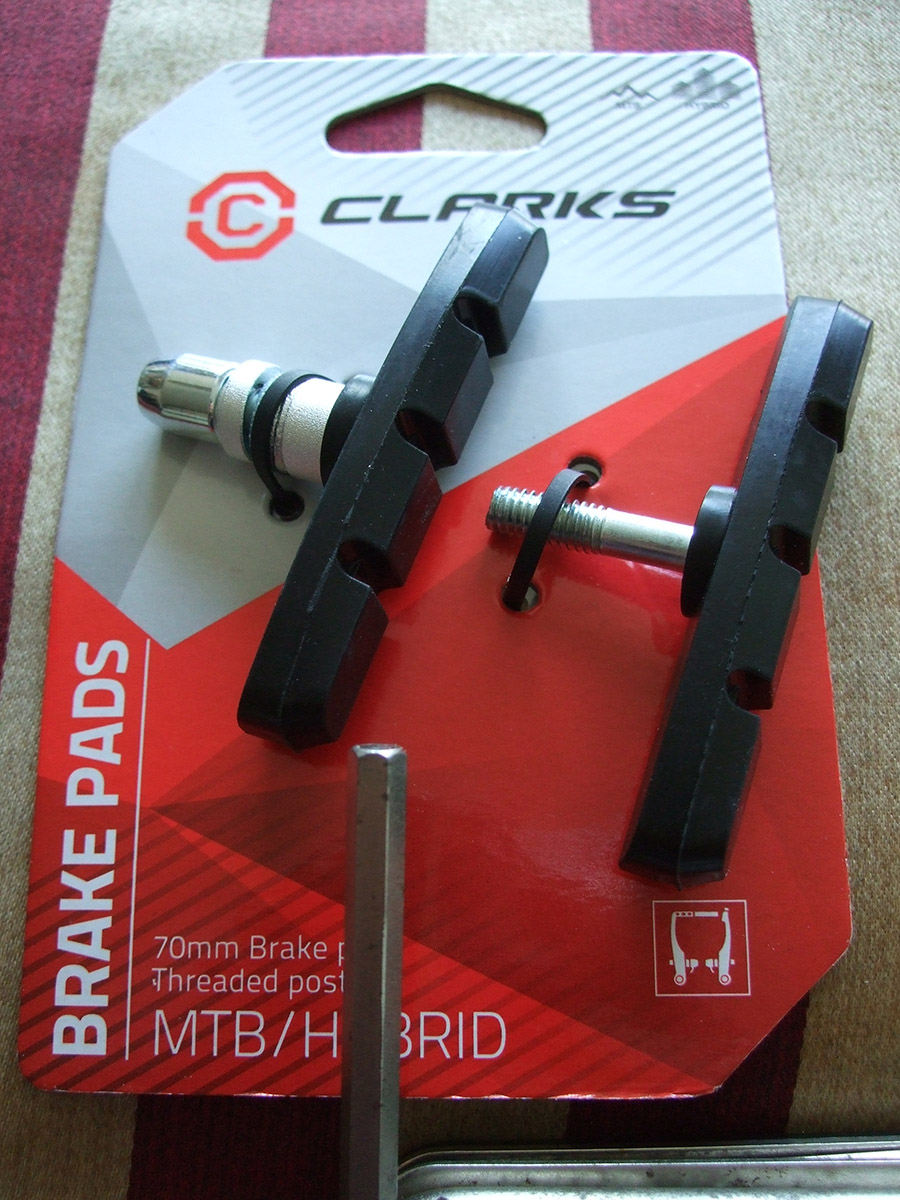
But… which replacement brake pads for a Halfords Apollo Phaze? I couldn’t discover this from the official manual, or from online sources. I did have what I thought were some replacement pads, from an older bike, but it turned out that the steel posts on them were too thick for the slots on the Phaze.

Go Outdoors had run out of pads today, so fortune took me tromping up the hill to Halfords itself. And there the helpful chap at the bike bay was able to point me to these on the fully stocked racks, as perfect for the Apollo Phaze… Clarks 70mm brake pads / threaded post/ Mtb / hybrid, where ‘Mtb’ stands for mountain bike.

The tool needed for fitting is seen sticking up in the picture. You may also need the same-but-thicker tool to get your old pads off, if the old ones have a larger holding nut. But most Swiss Army-style bike-tool sets should have both tools.

Not all the nuts and washers that fit onto the new steel post will be needed. In order to get my new brake pads on, with space between the wheel and the pad, I needed to leave one off.

Hopefully this information will help someone in the same situation, at some point in the future.

On the buses

A nice move, albeit one which should have been done decades ago. Stoke-on-Trent old age pensioners now get free bus travel all day and night, any day. Previously their free bus travel was restricted to certain times. The catch is that it’s still restricted in part, to “participating Stoke-on-Trent bus services” and companies.

Leek’s Nicholson Institute & Art Gallery to re-open

Good to hear that the Nicholson Institute in nearby Leek is to open its doors again this month, if all goes well — though the town’s Art Gallery needs another month…

“Leek’s museum and library are set to re-open on Monday 21st September following work to modernise and enhance these amenities and bring the lower ground floor back into use. … The art gallery has also been refreshed and will re-open in October.”

Alistair Sim films, which are worth watching?

I’ve been (mostly) enjoying watching some of the old British films with Alistair Sim in a key role. Mostly to look for a really good clip of his wonderful voice, in which he’s not too Scottish, to clone for Chatterbox TTS. For what it’s worth, here is my ranking:

**** Inspector Hornleigh on Holiday. 1939. Sim’s breakthrough as a co-star, the best of the three Inspector Hornleigh comedy-mystery movies. A good fun film.
***** Cottage to Let. 1941. Excellent comedy-mystery film, don’t let the dull title fool you. A very young George Cole ‘steals the stage’.
** Green for Danger. 1946. A serious hospital murder-mystery, gripping but the abundant 1940s histrionics get a bit wearing.
***** Hue and Cry. 1947. Excellent children’s ‘bombsite Britain’ comedy-crime movie, Sim is wonderful.
***** London Belongs to Me. 1948. Excellent, but the focus is firmly on Richard Attenborough.
**** The Happiest Days of Your Life. 1950. A fine pre-St. Trinians boarding-school comedy movie, with a strong focus on Sim as the wily headmaster.
*** Laughter in Paradise. 1951. Quite reasonable and watchable comedy, but note that Sim is only a quarter of the movie.
** Folly to Be Wise. 1952. If you like histrionic stage farces, this may appeal. Otherwise skip.
**** The Belles of St. Trinian’s. 1954. The first St. Trinians school movie, and the best of the four.
*** Geordie. 1955. A Scottish drama with fine landscape and touches of comedy. Sim has a low-key performance as The Laird (Geordie’s boss).
**** The Green Man. 1956. An excellently dark comedic part for Sim, as an assassin. Far-fetched, but very watchable and the support from George Cole is perfectly pitched.
* Left Right and Centre. 1959. Tiresome and rather bog-standard local by-election comedy-satire, from what I saw. I gave up half way through.
** The Millionairess. 1960. Strange and rather tiresome adaptation of a George Bernard Shaw play. The focus is not on Sim. Again, I gave up half way through.
*** School for Scoundrels. 1960. Very watchable sprightly 1950s-style British comedy, with Sim and Terry Thomas supporting.

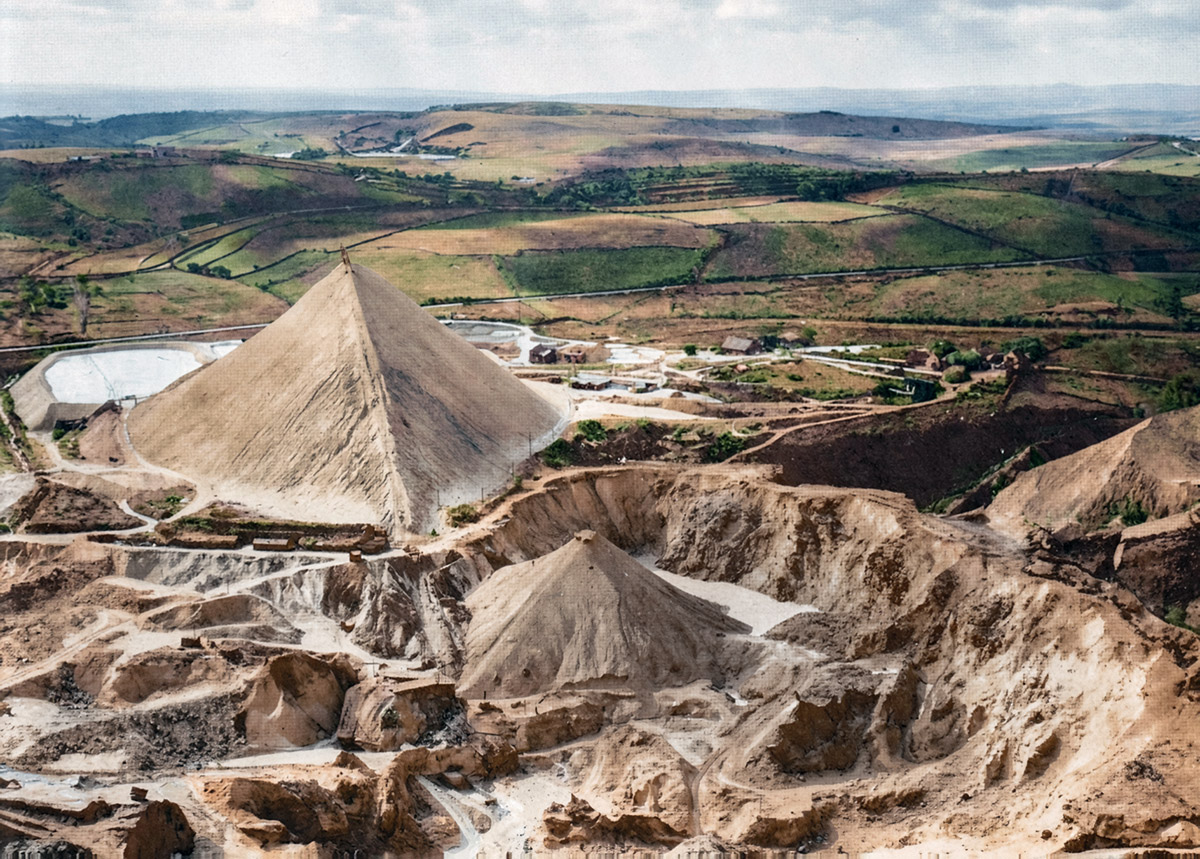
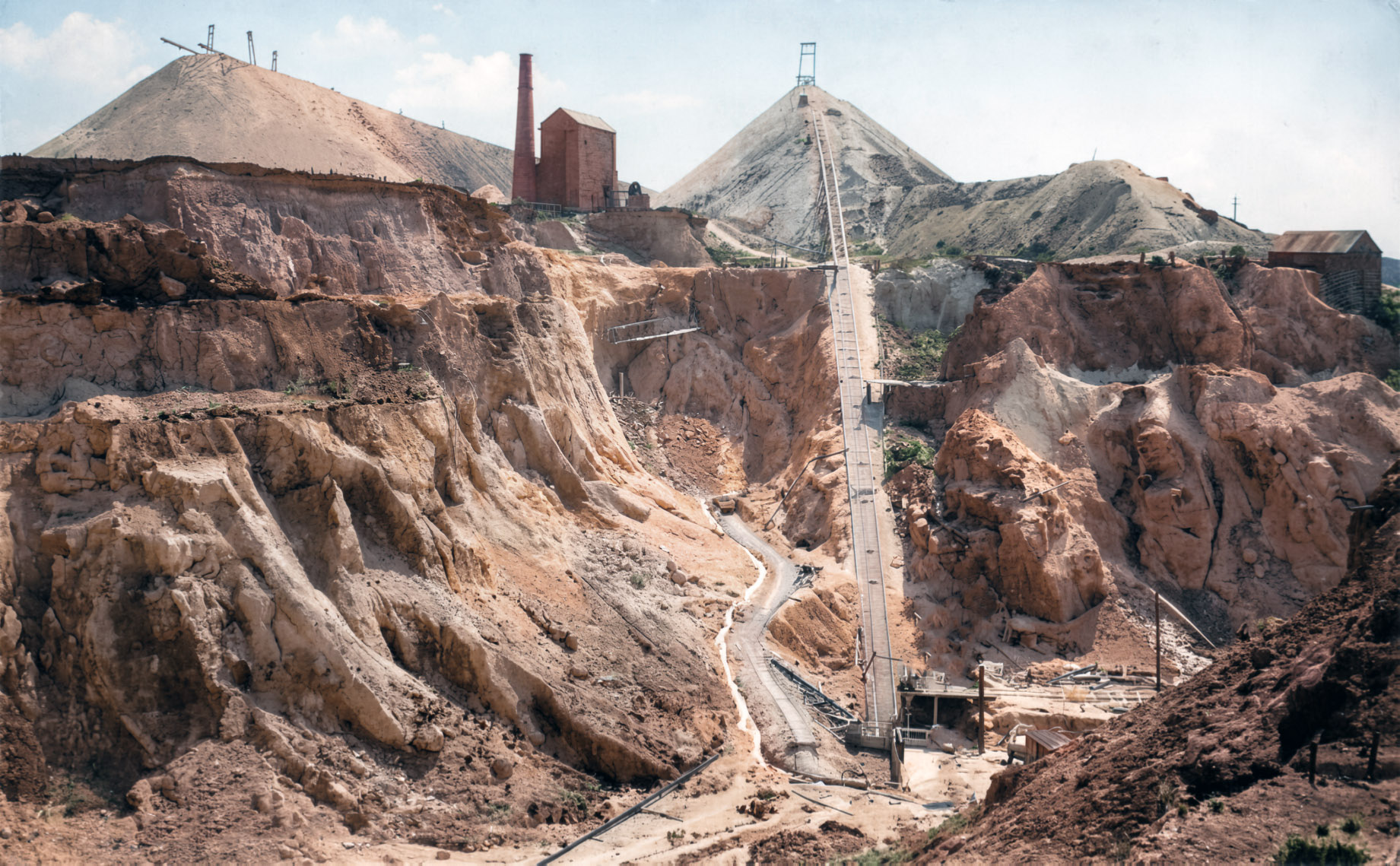
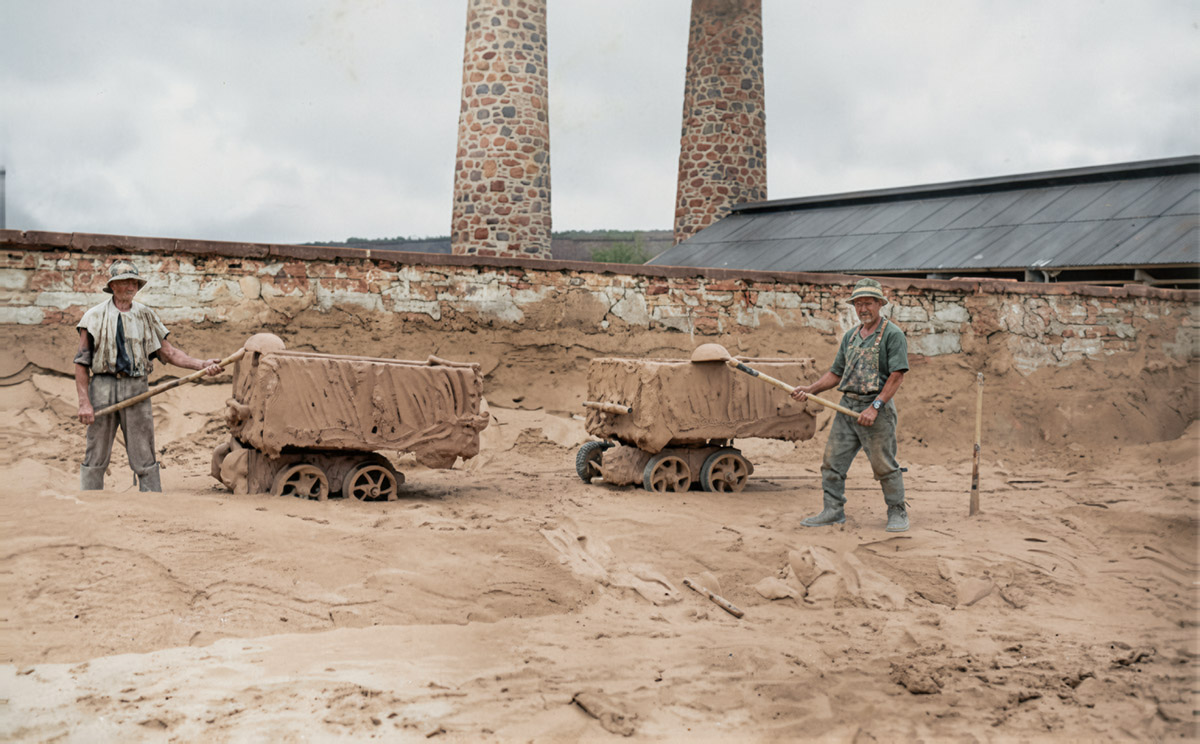
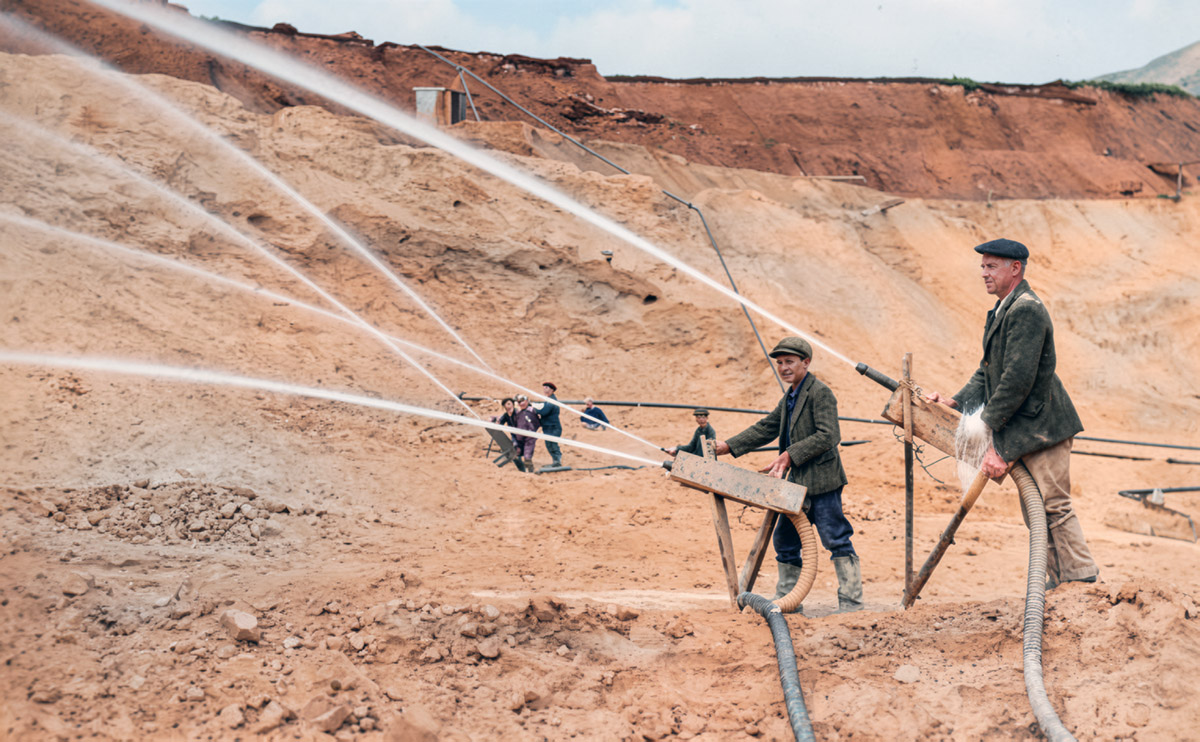
Where the Potteries gets the clay

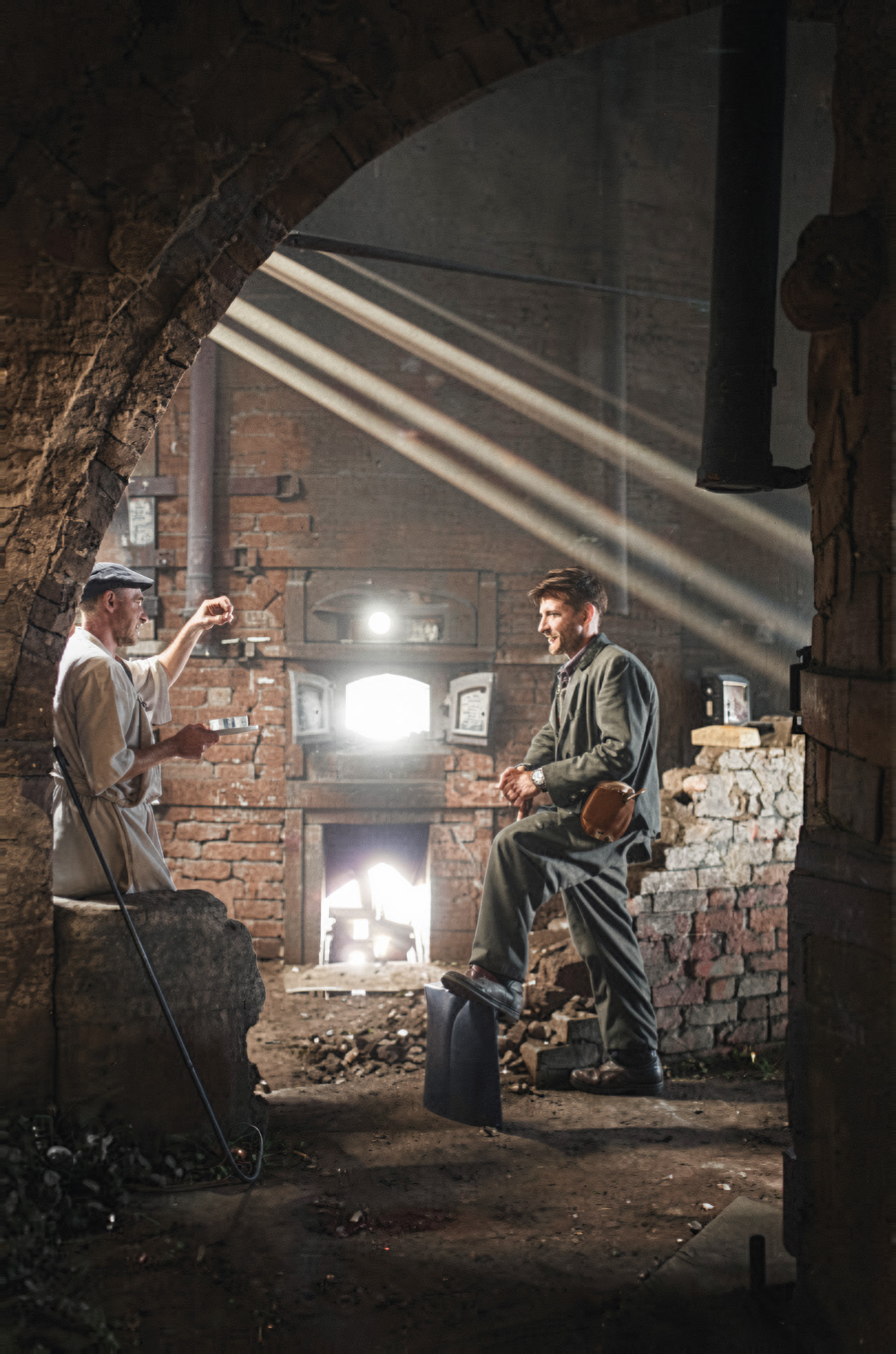
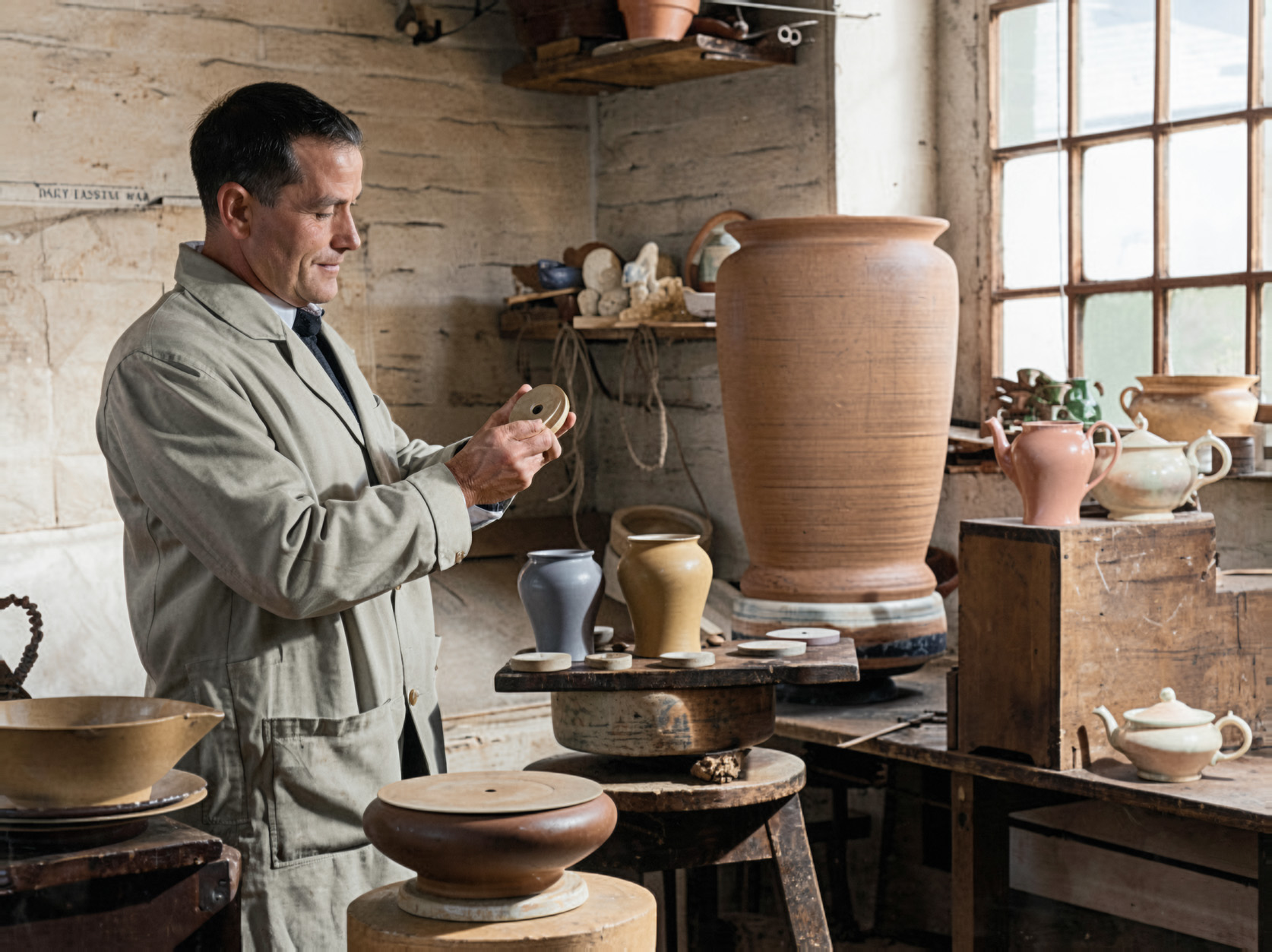
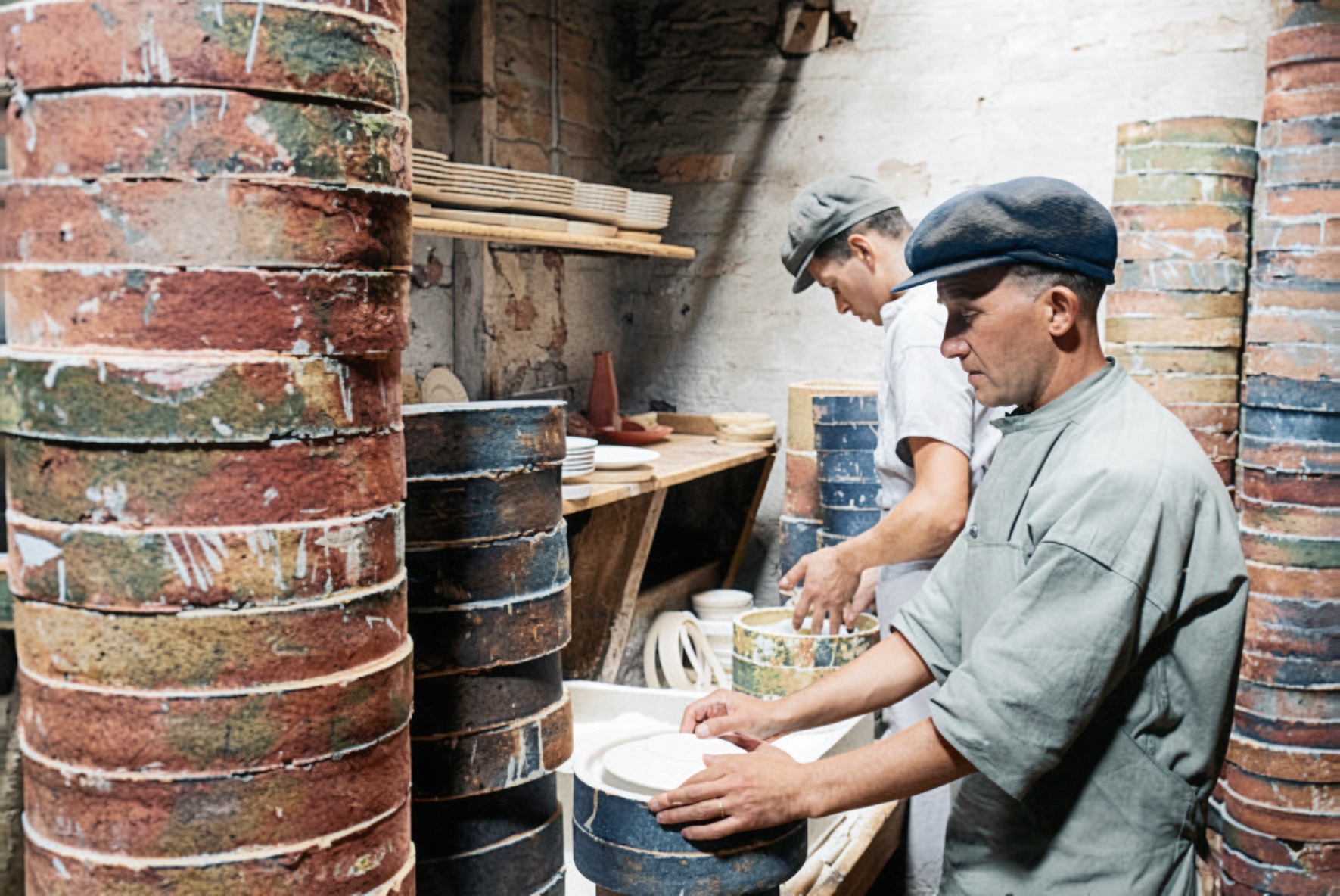
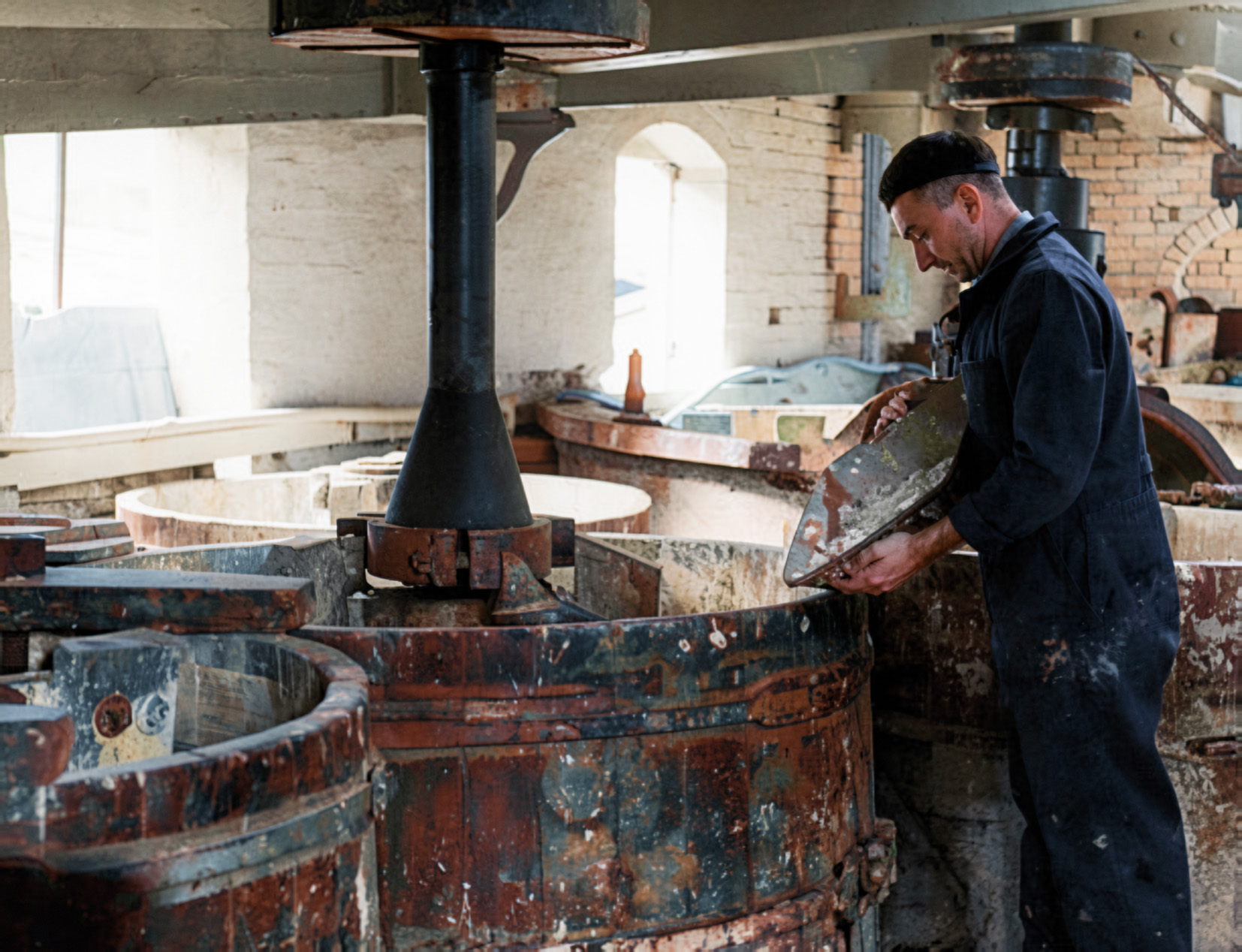
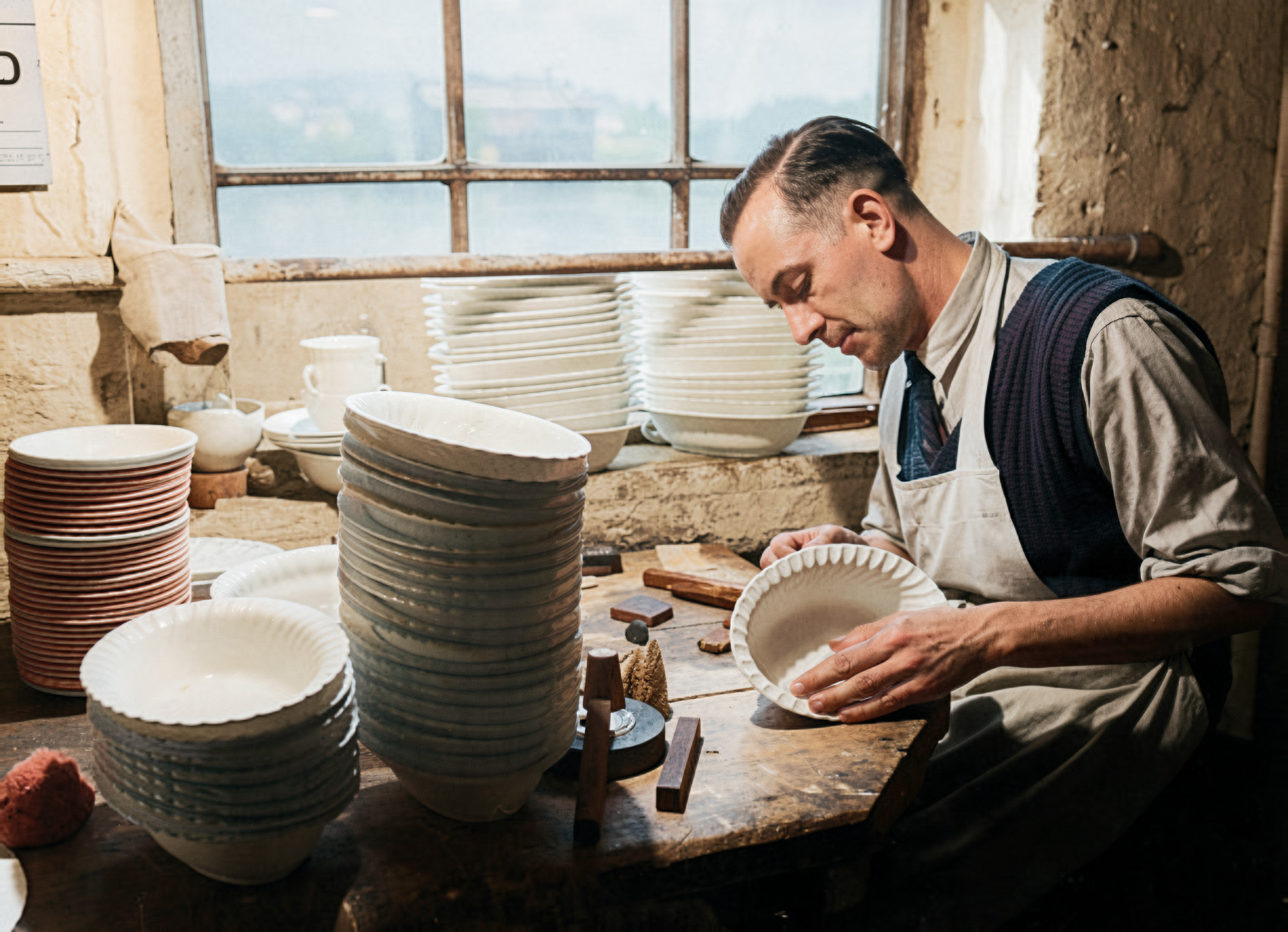
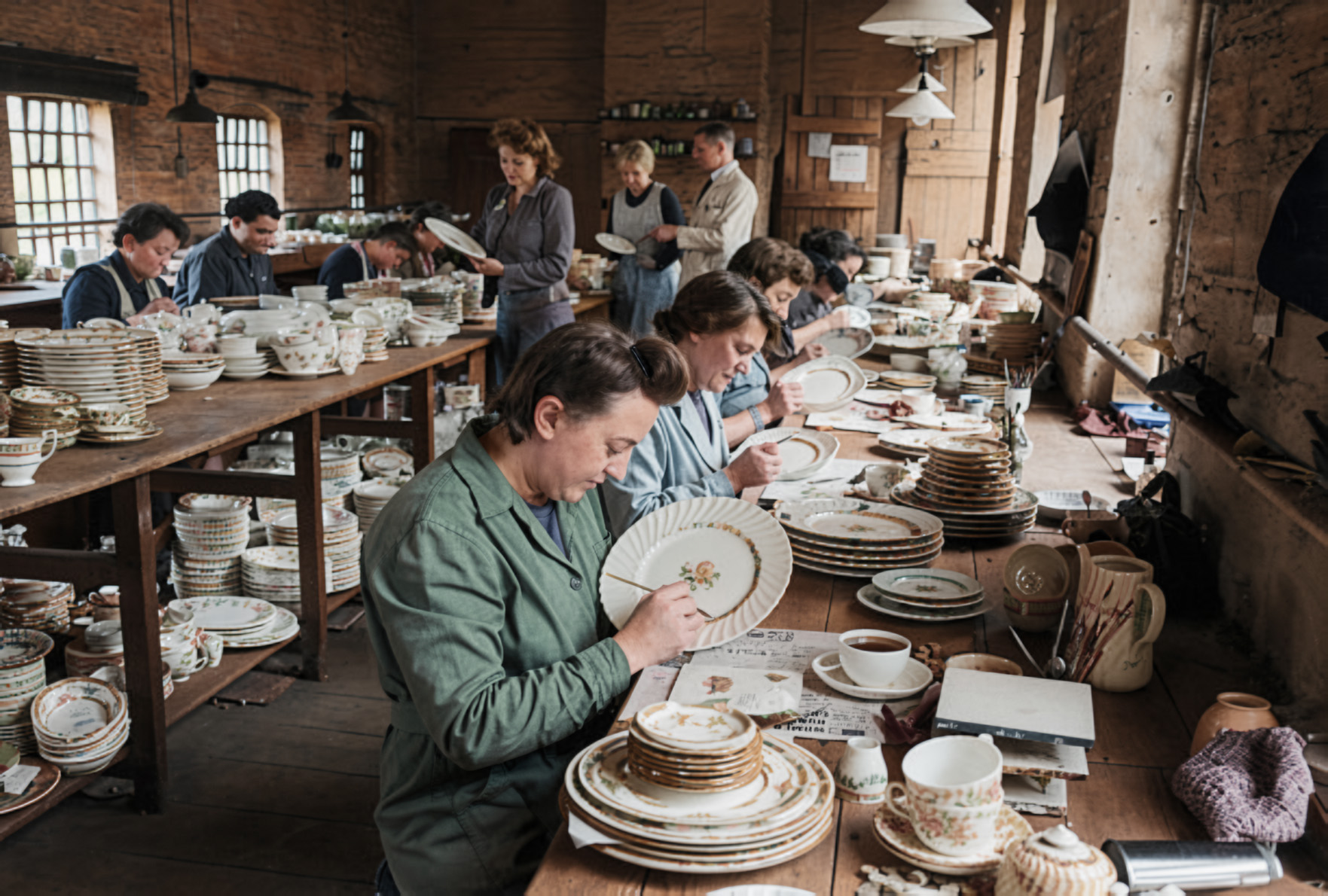
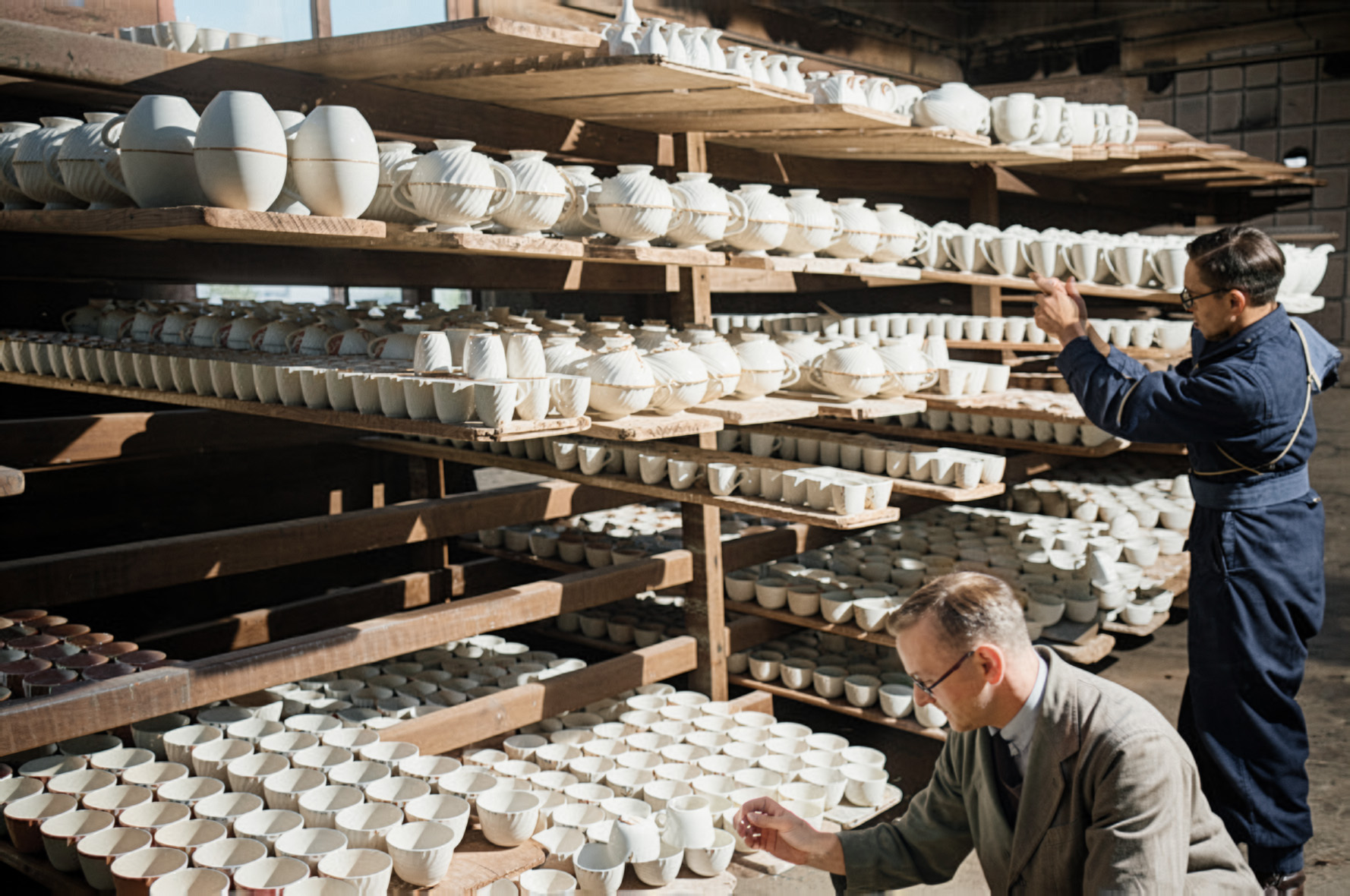
Some images of Cornwall’s china-clay mining district, circa the 1920s/30s.

Just a few restorations of scans easily available on eBay. One wonders if a Potteries Museum photography exhibition has even been staged on this theme? If not, could it be? The above serves as a taster.

Commando raid fail

Durn it. The perils of not being on Facebook. I find I missed another Commando and British Weekly Comic Swap Meet, held just across the valley in Wolstanton. It happened on 20th June. Still, the event write-up on Bear Alley has interesting details of a side-trip to Shrewsbury in search of vintage sci-fi. Apparently the town has several worth-browsing market stalls and the Welsh Bridge Books second-hand bookshop with a… “wall of science fiction from the era I like, A-format paperbacks, painted covers”.

New local research: “The Most Dangerous Factory in Britain”

Blimey! It seems the centre of Stoke-on-Trent could have been gassed during the First World War, had things gone awry and the wind been in the wrong direction. A forthcoming local history article has the details, “The Most Dangerous Factory in Britain: First World War Gas Warfare and the H.M. Cylinder Depot, Stoke-on-Trent“. The factory was located a mile or so east of Hanley, at Bucknall…

“By 1916 it was storing some 70,000 defective, dud and partially-discharged poison gas cylinders salvaged from the Western Front [the battlefield frontline in France]. With desperate gas shortages, cylinders were emptied, repaired and sent on to regional manufacturers to be refilled. The factory operated on a 24/7 basis.”

And there were escapes. For instance, William Heath of Silverdale was a worker there and was awarded the Medal of the Order of the British Empire for his bravery. From his citation… “This man, on numerous previous occasions [in addition to bravely rescuing a man saturated with escaped gas], has also displayed bravery and promptitude in dealing with serious escapes of poison gas”.