Tolkien Gleanings #429

Tolkien Gleanings #429

* Newly online, the German Inklings Yearbook, as Inklings Jahrbuch fur Literatur und Athetik 42 (2026). This has the proceedings of the ‘Fantasy for Children / Children in Fantasy Symposium’ of 2024, plus book reviews. Freely available online and under Creative Commons Attribution-ShareAlike. Includes the paper “Fairy Lands Forlorn: (Re-)Enchantment in Fantastic Children’s Literature”, plus book reviews for…

   — Tolkien Studies Vol. XX.
   — The Romantic Spirit in the Works of J.R.R. Tolkien.
   — Germanic Heroes, Courage, and Fate: Northern Narratives of Tolkien’s Legendarium.

* I’d overlooked two talks at the Oxford C.S. Lewis Society this term, now given and gone. But I’m noting the titles here, and hopefully search will (in due course) reveal recordings or papers placed online…

   — 5th May: “J.R.R. Tolkien and the Patriotism of G.K. Chesterton: Little England, The Shire, and Notting Hill”.
   — 19th May: “Cordial Dislike or Careful Distinctions? Exploring Tolkien’s Complicated Use of Allegory”.

* From the USA, a new Masters dissertation “Creation as Calling: The Intersection of Faith and Craft” (2026). Freely available online..

“analyzes the literary strategies used by C.S. Lewis, J.R.R. Tolkien, and Brandon Sanderson to embed faith into their narratives. It compares Lewis’s use of allegory, Tolkien’s concept of ‘applicability’ and sub-creation, and Sanderson’s complex worldbuilding as three distinct but complementary models for presenting spiritual truths without overt religious instruction.”

* The Fantasy Hive blog takes a trip to the lovely island of Corfu, and visits the Spiros Gelekas gallery devoted to the art of Middle-earth.

* A casting call for a forthcoming film…

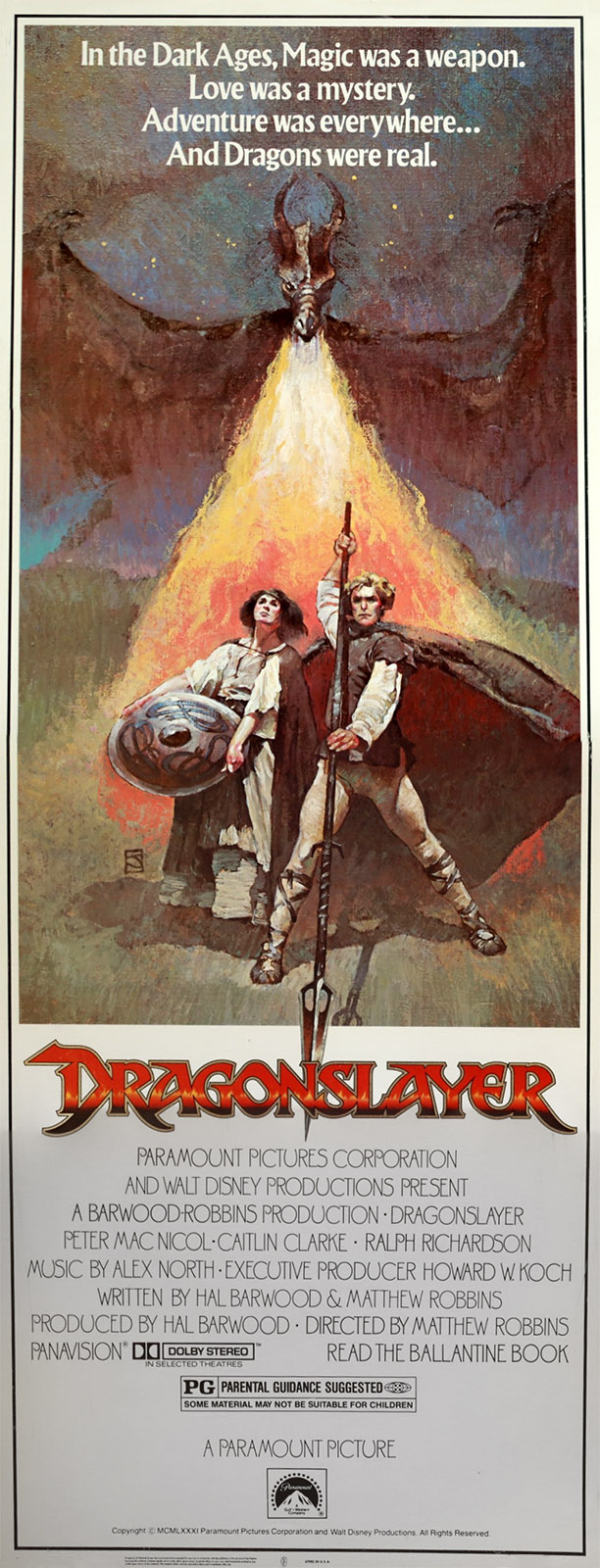
* And finally, a timely discovery as three days of 90-degree dragon-breath weather (and consequent media hysteria) sweeps across England. Who knew that 2023 saw the release of a full labour-of-love restoration, SFX upgrade, and 4k Blu-ray of the major fantasy movie Dragonslayer (1981)? Not me. The news passed me by completely, until now.

Tolkien Gleanings #428

Tolkien Gleanings #428

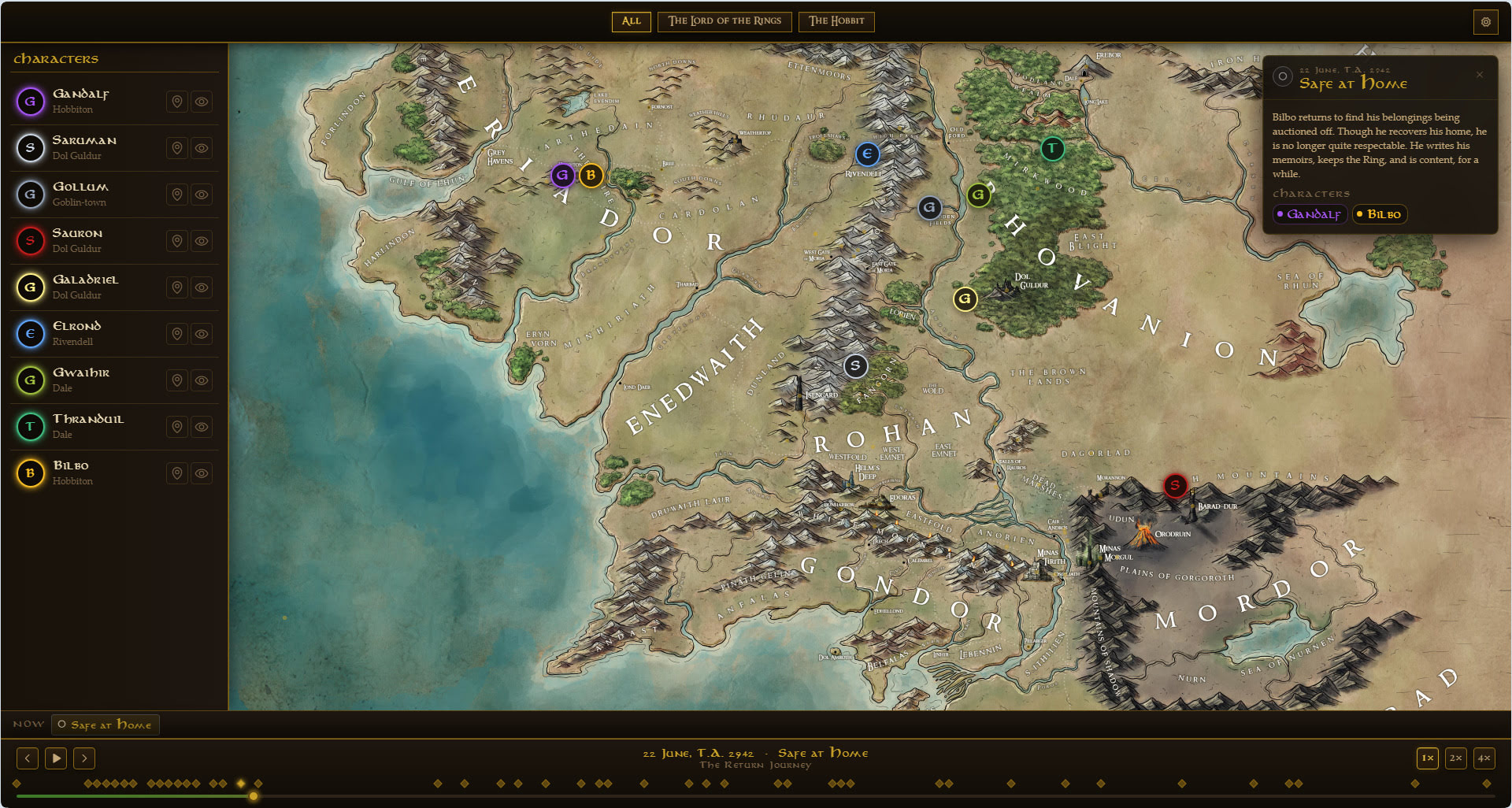
* An elegant new interactive map, Middle-earth Storyteller. It shows the movements of each character across time, along a unified timeline and a dynamic map of Middle-earth. More characters, such as Radagast, are set to be added soon. Freely available.

* In the latest Edinburgh University Press journal Moreana, devoted to Thomas More studies, the article “From Utopia to Faerian eutopia: Thomas More, Ernst Bloch, and J.R.R. Tolkien”. ($ paywall).

“This article attempts to reconstruct Tolkien’s understanding of utopia, through his letters and his familiarity with utopian literature — particularly Thomas More’s Utopia. It positions Tolkien’s writings in relation to Ernst Bloch’s philosophy of hope and within the broader twentieth-century crisis of utopia, marked by the disillusionment caused by the rise of totalitarian ideologies.”

* The latest issue of The Independent Review: A Journal of Political Economy reviews Tolkien, Philosopher of War (2024). Freely available online.

* New Renaissance Mindset reviews Tolkien’s The Monsters and the Critics and Other Essays. Freely available online.

“What gives the collection its lasting importance is that Tolkien’s critical positions are inseparable from his creative practice. He is not writing from the sidelines. The arguments in these essays illuminate The Hobbit, The Lord of the Rings, and the whole architecture of Middle-earth, just as the fiction gives the criticism its authority.”

* In the latest issue of North Wind: A Journal of George MacDonald Studies, “Phantastic Art: George MacDonald’s View of the Imagination”. The issue is dated 2024 but seems to be late, being placed online only in the last few days. Judging by the date on the article itself, it is to be dated as 2026. Freely available online.

* New in the first issue of the journal Life Writing, “Editing Friendship: Arthur Greeves and Walter Hooper as Custodians, Curators, and Censors of the C.S. Lewis–Arthur Greeves Correspondence” ($ paywall)

* Newly uploaded to Archive.org, a run of the journal Filologia Polska (‘Polish Philology’), 2015-2025. Freely available.

* In the latest issue of the Virginia Tech undergraduate journal Philologia, “How the Symbolism of Color Illustrates Honor in Sir Gawain and the Green Knight”. Freely available online.

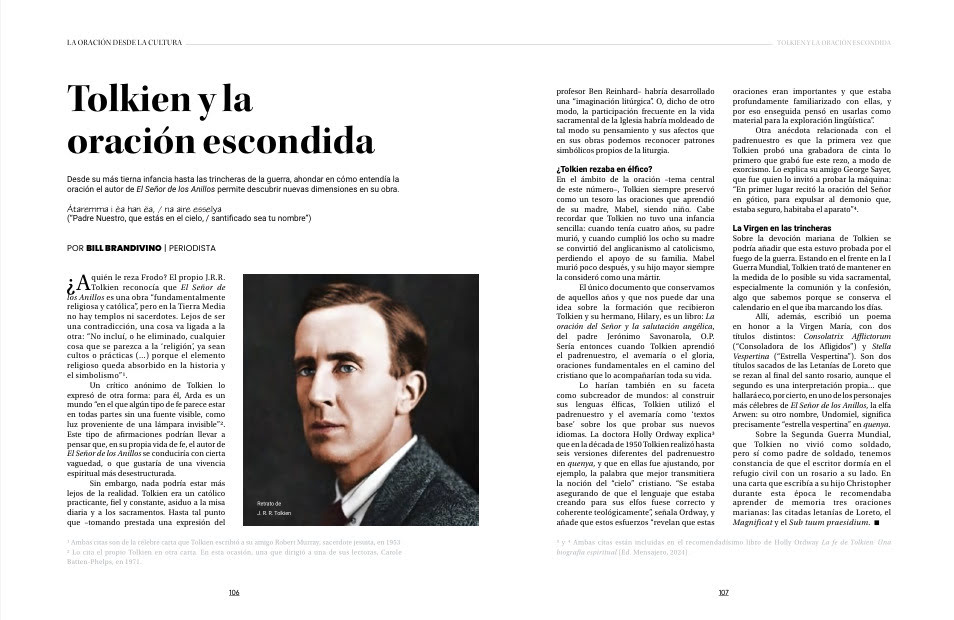
* In Spanish, the latest issue (No. 11) of the free PDF magazine La Antorcha is a special issue on prayer. It includes the short article “Tolkien and the Hidden Prayer” which suggests that… “delving into how the author of The Lord of the Rings understood prayer allows us to discover new dimensions in his work.”

* Stafford Borough Council now has a listings page for the Tolkien Weekend at Great Haywood on 11th to 12th July 2026, along with contact details for the organisers.

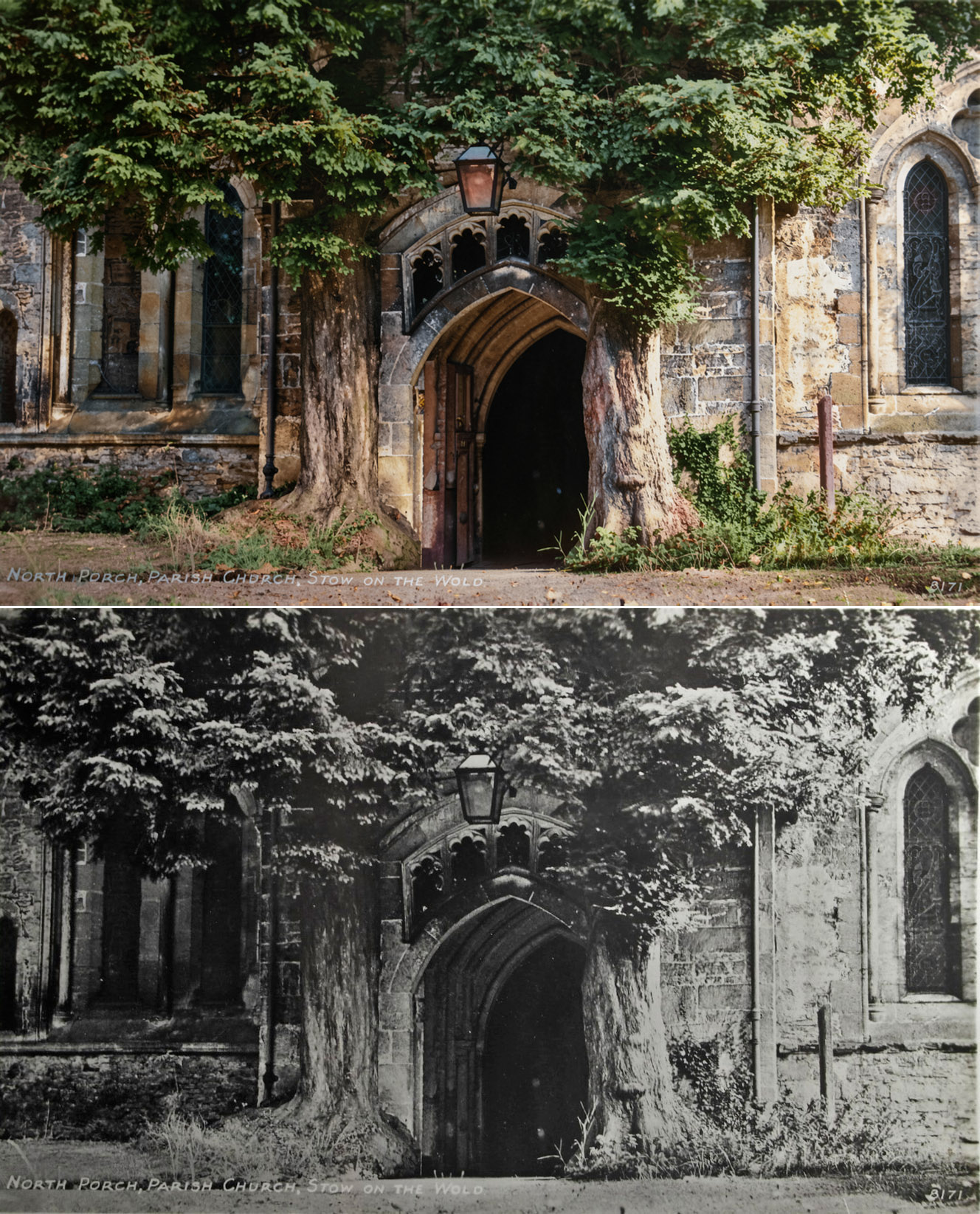
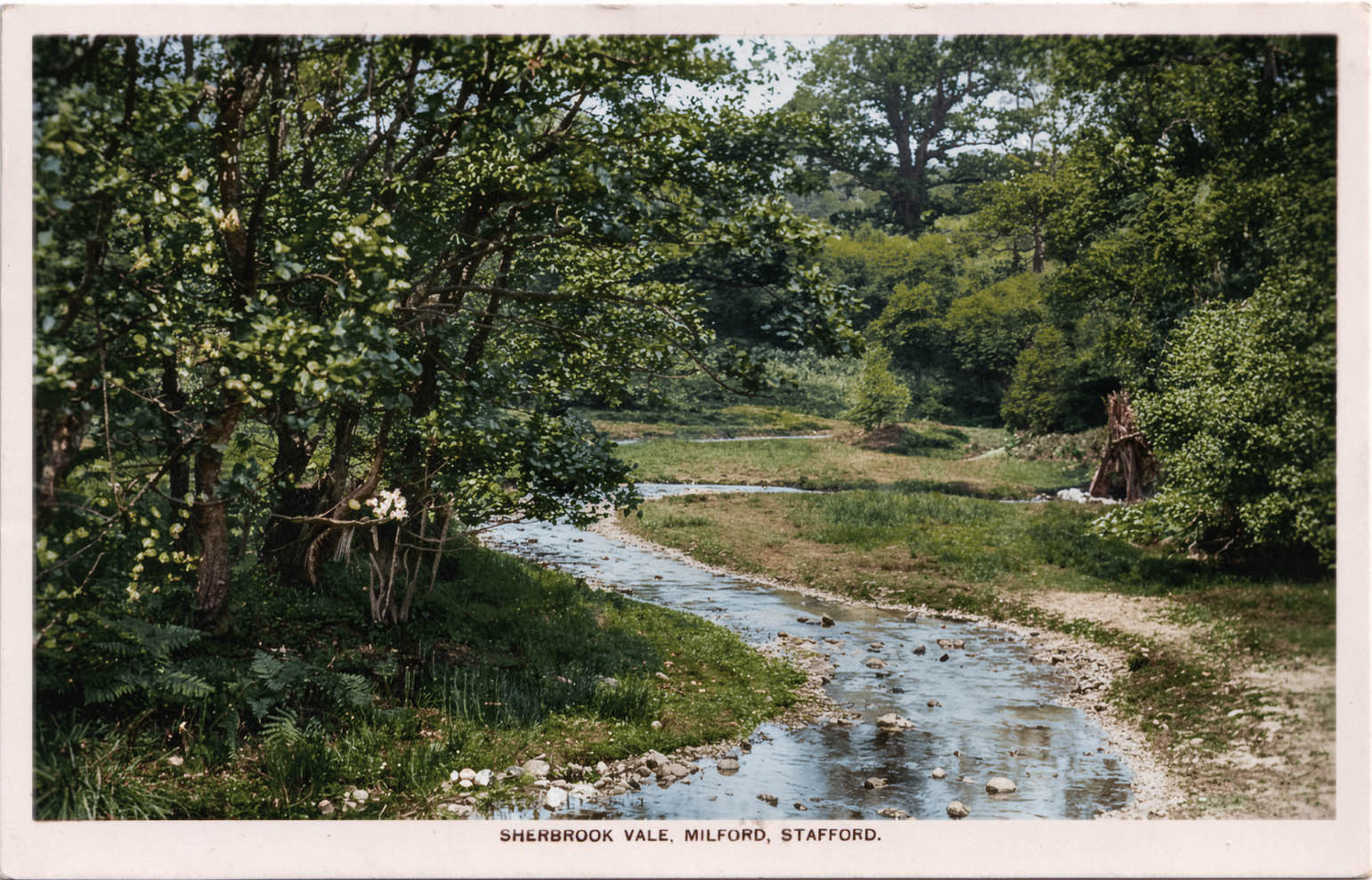
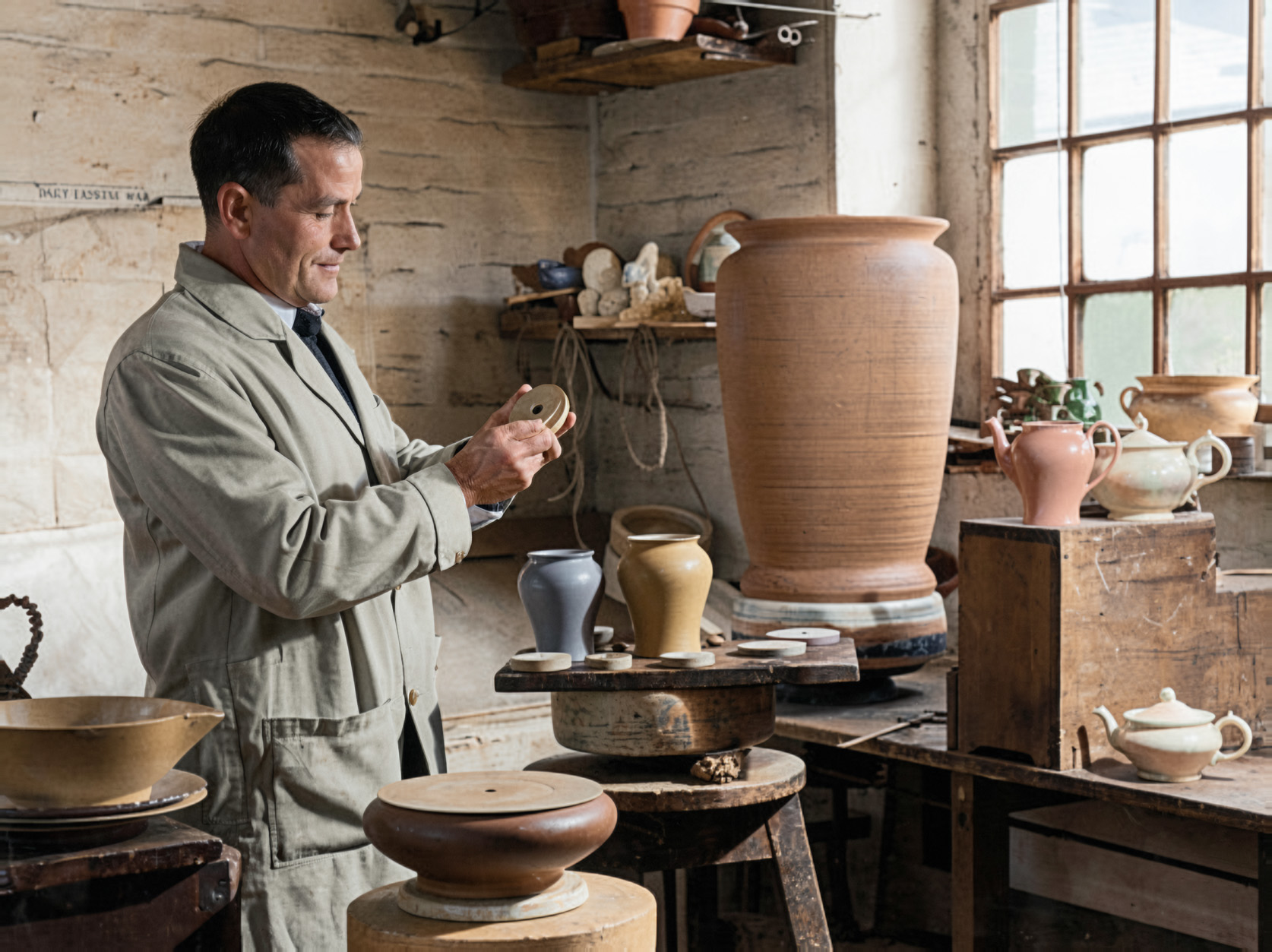
Picture: Sherbrook Vale circa the 1930s, a short walk from Great Haywood. Colourised.

* And finally, “Tolkien’s Argument for Solitude” as a 30 minute YouTube talk. Notes the history of hermits and the Desert Fathers and monastic traditions in Christianity, and then relates hermits to the relative isolation of Beorn, Tom Bombadil, Treebeard and Gollum. Of course, Beorn does have his animals and very lively visiting bear-kin, and Bombadil has his lively young Goldberry. So they’re not really alone. Radagast might have made an interesting addition, though admittedly not so much is known about him.

Tolkien Gleanings #427

Tolkien Gleanings #427

* This year’s J.R.R. Tolkien Lecture on Fantasy Literature was given on 19th May at Oxford Town Hall, by author Brandon Sanderson. The one-hour recording of his talk is now freely available on YouTube. Sanderson talked about some key elements Tolkien introduced into fantasy that were lacking: absence of cynicism and irony; a world built with a many-layered authenticity and crafted with a scholar’s care; magic that can act at many differing levels within the plot; he re-made elves / goblins / dwarves / ‘the little-people’ and wove them into a coherent whole; and he added a gripping ‘save the world from the dark lord’ plot. Sanderson went on to defend fantasy as a genre. Yes, fantasy can be a temporary escape but it can also bring hope to many, and hope can spur good things in the real world.

* Talking of ‘revolting dark lord’ story plots. In the November 2025 issue of Modern Philology, “The Night Departure: Tracing Medieval Epic from Ariosto to Milton” (£ paywall)…

“reading ‘Paradise Lost’ against ‘Orlando furioso’ and its chivalric predecessors allows Satan’s revolt to be situated in a long line of rebel baron epics […] The epic quality of the Fall, usually ascribed to the artful debasement of classical models, is also indebted to the medieval poems of feudal revolt. Recognizing the persistence of the older epic form has important implications for both poetic and political readings of the poem.”

* From South Africa, a Masters dissertation which offers “A psychobiography of J.R.R Tolkien: exploring his psychological development and creativity” (2025), through the lens of a psychological theory from the period (“1950, 1968”). Freely available for download.

* The knowledgeable Exodus 90 podcast… “unpacks the First Book of Kings [Hebrew Bible] and how it relates to J.R.R. Tolkien’s vision of kingship”. Freely available on YouTube.

* Also new on YouTube, Nerdvana visits Oxford, Blackwell’s bookshop, the Bodleian, and Tolkien and C.S. Lewis sites. With a steadycam, thankfully.

* There’s been lots of local newspaper coverage for the UK’s first official Brandywine hobbit festival here in the UK. The above Web link is to coverage in the nearby local newspaper for the town of Shrewsbury.

* And finally, “Crickhowell launch fundraiser to buy Lord of The Rings letter”. Given that the letter also has Tolkien expanding on a bit of the plot of LoTR, I suspect it’ll go for more than the relatively modest guide-price. The town may find they’re having to stump up a lot more than they expect. Especially as they’ll be up against American institutions with deep pockets.

Tolkien Gleanings #426

Tolkien Gleanings #426

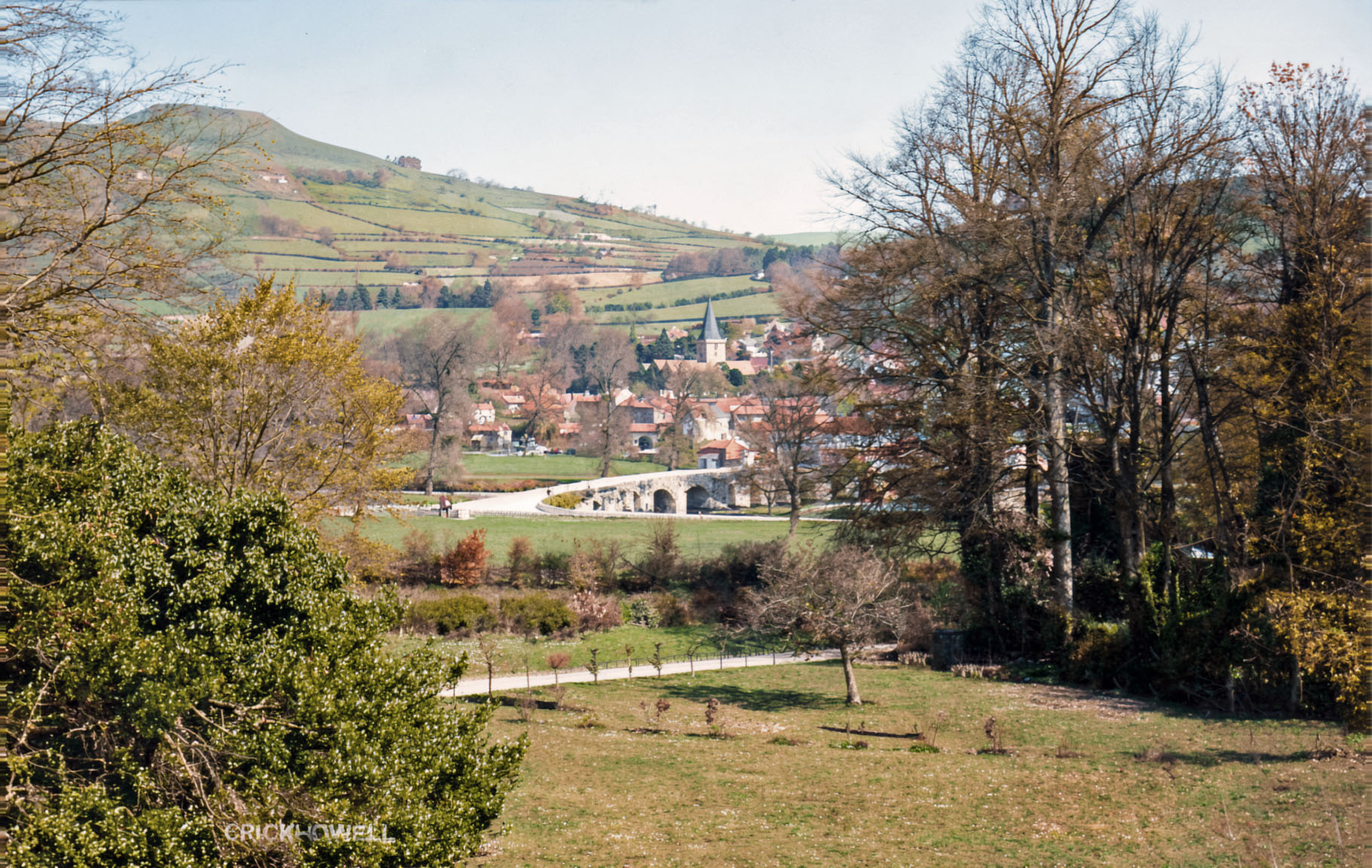
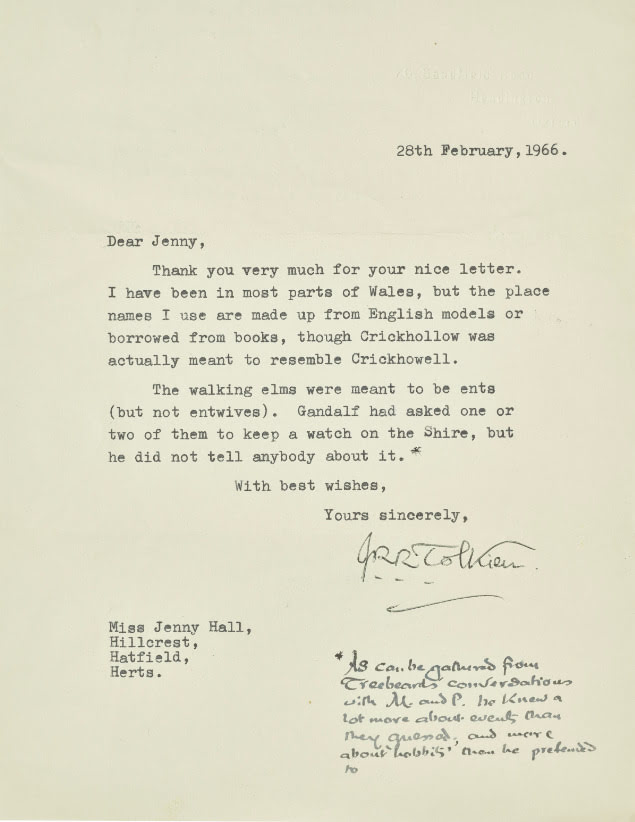
* Crickhowell in Breconshire does, after all, have at least a place-name link with Crickhollow in The Lord of the Rings. The Abergavenny Chronicle local newspaper this week notes the contents of… “A letter written by Tolkien in 1966, that is due to be auctioned next month at Christie’s”. In it Tolkien wrote…

“I have been in most parts of Wales, but the place names I used are made up from English models or borrowed from books, though Crickhollow was actually meant to resemble Crickhowell.”

Clear enough, though it’s the placename rather than the place. Thus local claims for being the inspiration for Buckland, Bucklebury, the Brandywine Bridge or even Erebor are all still unsupported. The letter appears to be unpublished.

* More interesting for the wider world in this new letter is that the “walking elms”, one of which you’ll recall was seen on the edge of the North Moors by Sam’s cousin, were indeed ents. Tolkien writes that they were… “keeping watch on the Shire” at Gandalf’s bidding.

Which suggests that some ents had a foothold in the north somewhere. Most likely in the high Hills of Evendim, where they would be within reach of both the Rangers at Fornost and the elves of the Grey Havens, and from which they could fairly easily patrol the northern border of the North Moors (the ent was seen “away beyond the North Moors” — Sam, my emphasis). Either the Rangers or the elves could then have conveyed a message from Gandalf to guard the hobbit hunting-tracks on the northern approaches to the Shire. Also, we can assume the northern ents were especially gigantic ‘Elm ents’, since Sam says… “as big as an elm tree, and walking – walking seven yards to a stride”, while the smaller Fangorn ents only made much less to each stride. If elms, then we might also infer that the high Hills of Evendim (high enough that the elves who once lived there travelled exclusively by river) were not all forbidding steep slopes of close-packed northern pines and firs, at least on the western / south-western side.

* A new book, The Language of Early English Dialect Literature (2026). Reveals…

“the rich and varied forms that linguistic creativity takes in the work of dialect writers from across England between 1547 and 1877, ranging from Cumbria in the north-west and Newcastle in the north-east, to Cornwall in the south-west and Kent in the south-east. Challenging the traditional view of dialect literature as backwards-looking and conventional, this book makes a case for its stylistic ambitiousness and complexity.”

* Matej Cadil on “Roast Mutton: Trolls at Dawn and Treasures Underground”, this being the second long illustrated post for his… “illustrated journey through The Hobbit”. (Substack, but nearly all free).

* Pre-orders are now live for the CD-sets and scores for the demo recordings for Musical Chapters from The Hobbit, performed by Volante Opera and authorised by the Tolkien Estate.

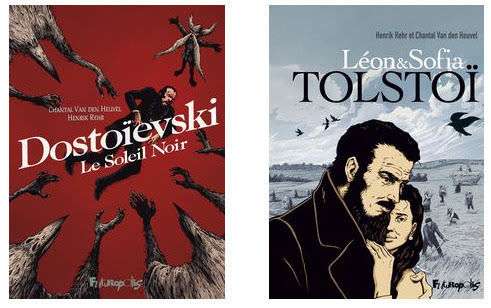
* And finally, Futuropolis appear set to release a new Tolkien biography in August 2026, by Henrik Rehr and Chantal Van Den Heuvel. Their previous books were BD-style illustrated albums, running 130-160 pages, on the lives of Dostoevsky and Tolstoy. I’d assume the same format for their Tolkien book?

Tolkien Gleanings #425

Tolkien Gleanings #425

* John Garth has a new article on “How the tides of Tolkien’s world shaped The Lord of the Rings” (Substack, but free). This puts some basic time parameters on his newly-undertaken PhD research. He will look at the gathering storm in the 1920s and 30s, as well as the Second World War and its immediate aftermath…

“my Oxford doctoral research will continue the same work [as the First World War book] by graphing the relation between Tolkien’s ‘outward circumstances’ and what he wrote from the 1920s to 1940s, particularly The Lord of the Rings.”

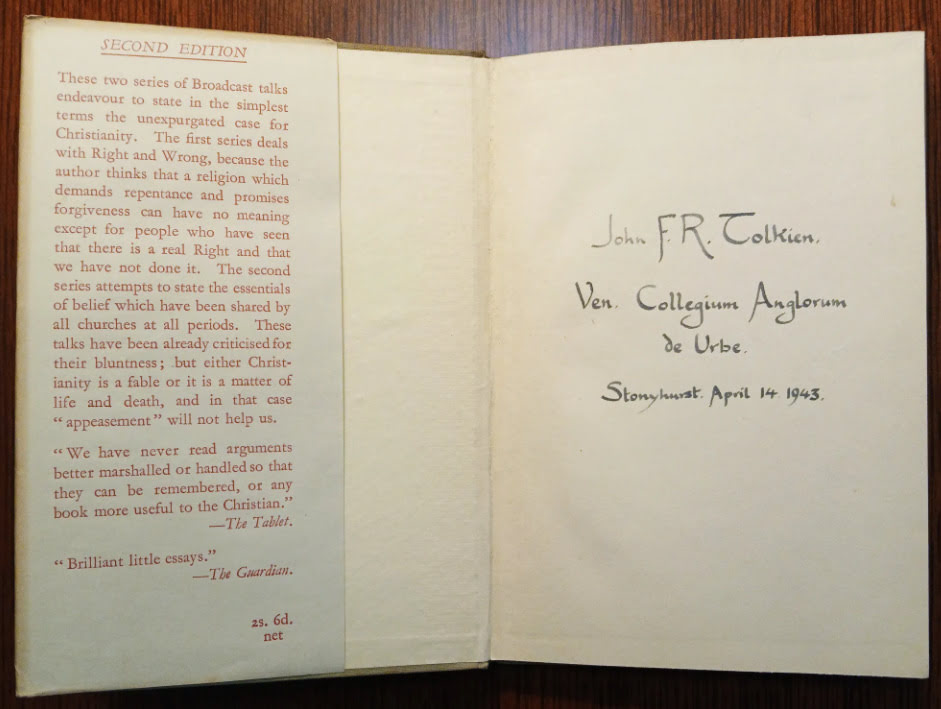
* In the USA, the Wheaton Archives & Special Collections and the Marion E. Wade Center has a blog post on their “New Treasures”. These include Tolkien’s copy of C.S. Lewis’s Broadcast Talks, talks broadcast to the nation on Christianity during the early part of the Second World War.

* Dreaming Spires outlines “a syllabus for my 2026 Oxford Project” ($ SubStack, partially free)…

“we’re going to apply for Reader’s Cards at the Bodleian Library. [… the research in Oxford will focus on how the] same threads [that are to be seen in The Lord of the Rings also] appear in the web of words and ideas of three other famous Oxonians of the century preceding Tolkien’s arrival in 1911: St. (Cardinal) John Henry Newman, the art critic John Ruskin, and novelist, poet, and designer William Morris, the leading light of the Arts & Crafts Movement.”

* A new article at The Times of Israel website muses at length on seeming parallels between Jewish mysticism and Tolkien’s work…

“The apophatic withdrawal of God as a precondition for creation, the concept known as tzimtzum, has no precise structural equivalent in Augustine or Aquinas. The concept of evil as an active structure that imprisons divine sparks rather than a mere privation of good is absent from the Thomistic framework. The insistence that repair is collective, partial, and never completed within history, which Tikkun Olam describes, stands in direct tension with Christian soteriology, where a single act of redemption is sufficient and complete. […] The lineage of Aquinas, Boethius, and Pseudo-Dionysius does not account for the active structure of evil, the collective and partial nature of repair, or the divine spark within the fallen.”

* The French literary site PhiLitt has a new long article on Tolkien and Barfield. Freely available online.

* The new Italian book Note d’autore: casi editoriali tra musica e letteratura (‘Notes and Authors: editorial fusions between music and literature’) (2026) has a chapter on The Hobbit and music/song.

* The revised and expanded edition of The Letters of J.R.R. Tolkien has just arrived in Spanish bookshops, in translation.

* The Dwarrow Scholar website has had a design makeover. The Neo-Khuzdul Dictionary of the Dwarves is now online as a search-box, as well as being a PDF to download. Both versions are free.

* And finally, Sweden’s Shadow of Morgoth is graduating from making heavy-metal music videos, and is now starting to put Turin’s story on the screen. Three parts so far. One, two and three. All free on YouTube.

New local research: “The Most Dangerous Factory in Britain”

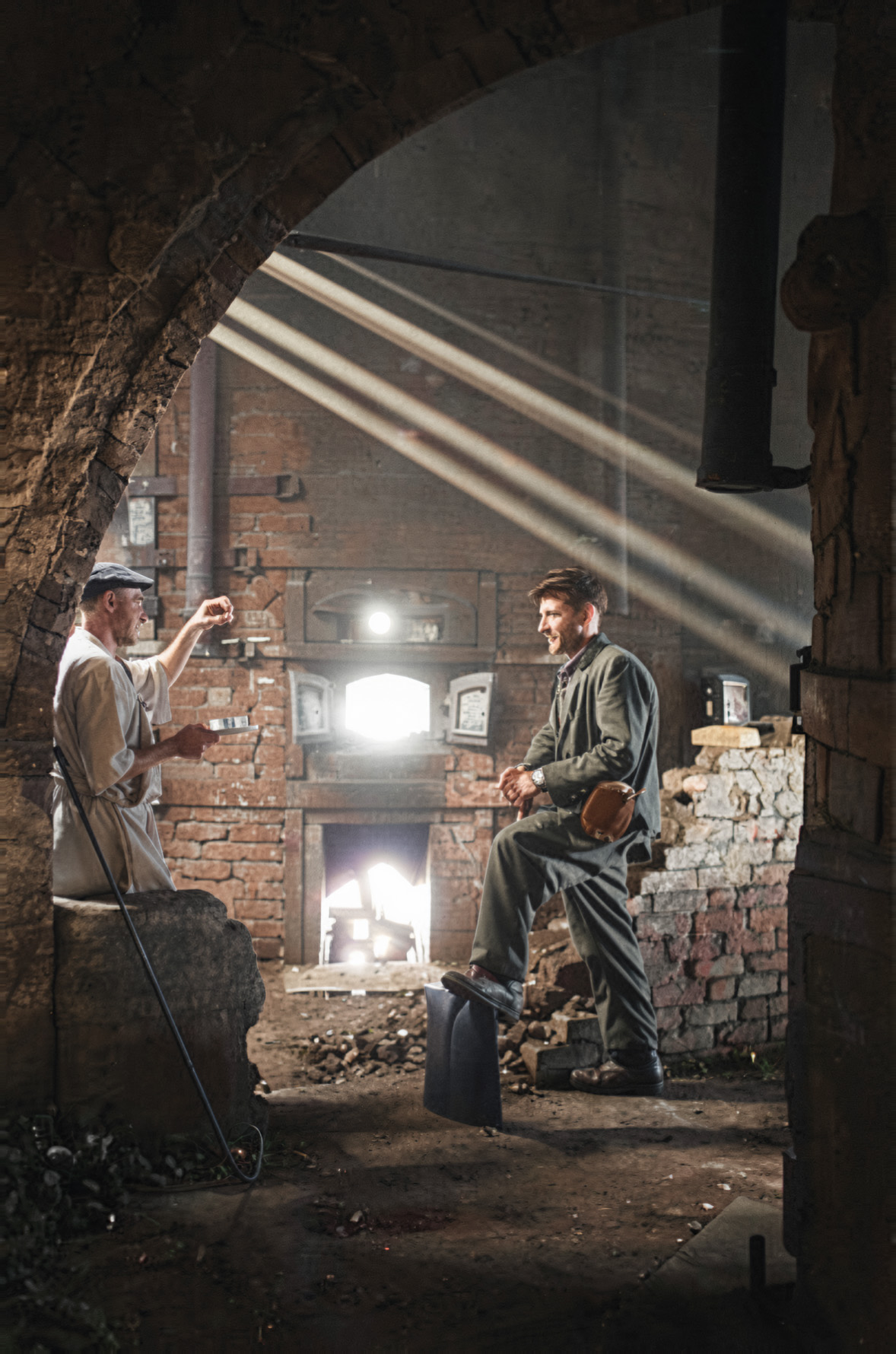
Blimey! It seems the centre of Stoke-on-Trent could have been gassed during the First World War, had things gone awry and the wind been in the wrong direction. A forthcoming local history article has the details, “The Most Dangerous Factory in Britain: First World War Gas Warfare and the H.M. Cylinder Depot, Stoke-on-Trent“. The factory was located a mile or so west of Hanley, at Bucknall…

“By 1916 it was storing some 70,000 defective, dud and partially-discharged poison gas cylinders salvaged from the Western Front [the battlefield frontline in France]. With desperate gas shortages, cylinders were emptied, repaired and sent on to regional manufacturers to be refilled. The factory operated on a 24/7 basis.”

And there were escapes. For instance, William Heath of Silverdale was a worker there and was awarded the Medal of the Order of the British Empire for his bravery. From his citation… “This man, on numerous previous occasions [in addition to bravely rescuing a man saturated with escaped gas], has also displayed bravery and promptitude in dealing with serious escapes of poison gas”.

Tolkien Gleanings #424

Tolkien Gleanings #424

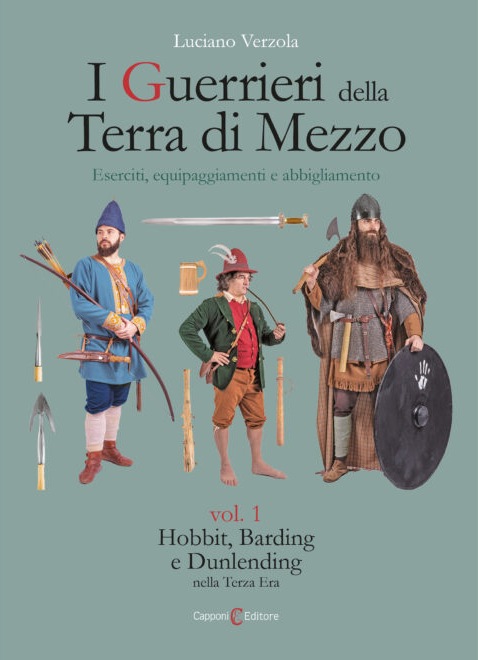
* Just published as an ebook, an English translation of an Italian book from 2023, The Warriors of Middle-earth – Armies, Equipment and Clothing: Vol.1: Hobbits, Bardings and Dunlendings (2026). It’s been properly translated by a human, not an automated system, and has a sumptuous photographic page for each costume along with its detailing and accessories.

“Drawing on extensive research, this volume sheds light on some lesser-known aspects of Middle-earth’s material culture, offering readers a deeper and more realistic understanding of this world and its history. […] intended not only for scholars and admirers of Tolkien’s work, but also for enthusiasts of historical costume and military history, as well as illustrators, costume designers and historical re-enactors.”

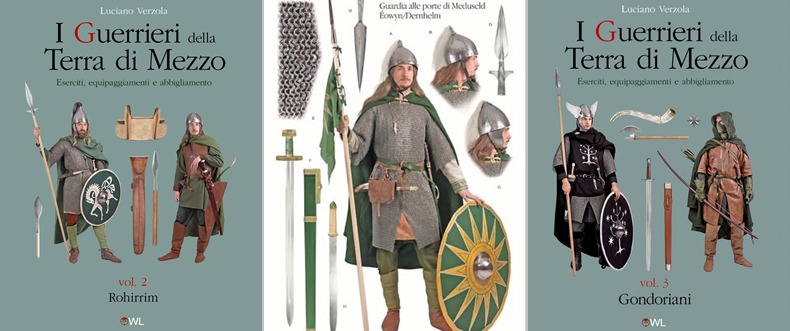
Two other books by the same author can be had in Italian, as yet untranslated.

* A forthcoming book from Bloomsbury, Tolkien’s Material Culture: (Extra)ordinary Objects in Middle-earth and Beyond. According to Amazon UK this is set for release in February 2027, to be priced at the ‘university libraries only’ price of £75.

* An undergraduate dissertation, newly published as an ebook, Tolkien’s Medieval Naming Methods (2026). Examines medieval naming principles, as they appear to have fed into Tolkien’s personal names, place names, and even things like the “names of swords or calendars” and other material items. (I assume calendars could have been material, in the form of wooden clogg almanacs, notched stave tallies and suchlike).

* The Mexican scholarly journal Euphyia has a new special-issue on ‘Paradise Lost: Myth, Knowledge and Action’. Includes, in Spanish, the article “Nostalgia for paradise: Exile and redemption in the mythology of J.R.R. Tolkien”. Freely available online, in open-access.

* Now published by De Gruyter, Tolkien Spirituality: Constructing Belief and Tradition in Fiction-based Religion (2026). I’m uncertain if it’s an updating and expansion of the author’s PhD thesis The Spiritual Tolkien Milieu: a study of fiction‐based religion (2014), or not.

* The Tolkien Society will host a one-day online seminar on Tolkien’s Invented Languages, an event set for 21st November 2026. Not to be confused with America’s 11th International Conference on Tolkien’s Invented Languages which is set for 30th July – 2nd August 2026.

* Shawn Marchese has an online report from Westmoot 2026. I was especially interested to hear of these talks…

   — Jeremy Edmonds, who trekked through fanzines to share a glimpse of the early years of Tolkien fandom in the 1950s.

   — Chad Bornholdt, who presented exhaustive research conducted with Bill Fliss of Marquette University, tracking the movements of each of the nine Ringwraiths across the Shire and beyond during the hunt for the Ring.

* The recent Tolkien Days 2026 festival, in Geldern-Pont in Germany, is reported to have been a success. The major four-day Tolkien festival at the end of May 2026, attracted… “around 14,000 visitors and combined Tolkien-themed activities, art shows, LARPs, live entertainment and concerts for attendees from across Europe”. The headline music act for 2026 was Italian power-metal band Wind Rose, their first appearance at the festival.

* Crowdfunding now, a screen documentary about the Tolkien Society Forodrim of Sweden.

* And finally, just a reminder that 2027 will mark the 50th anniversary of the publication of the Silmarillion in mid September 1977. Now might be the time to start planning special events and publications, if the anniversary is not already on your calendar. 1977 was also the year of the Carpenter Biography.

Tolkien Gleanings #423

Tolkien Gleanings #423

* St. Catherine’s College Oxford has a new college blog article, “Visiting Fellow uncovers unpublished Tolkien translation”. This is about the newly discovered Soul’s Ward.

* The Imaginative Conservative has a new post appreciating the book The High Hallow: Tolkien’s Liturgical Imagination (2025). Freely available online.

“I knew absolutely nothing about Tolkien’s abiding friendship with the extraordinary French theologian and priest, Louis Bouyer. Bouyer, critically, believed in continuity from pagan worship to the Mass as well, and Reinhard considers Tolkien’s own mythology a type of manifestation of Bouyer’s thought.”

* Personal Canon Formation has a new long article on “Tolkien’s Ents: Ecology Meets Philology”. (Substack, but free for me).

* Tolkniety has a long trip-report in English on “bringing Polish fans to England and Wales”. The trip was back in early May 2026, so they would have had both lovely weather and fresh foliage…

“[In Birmingham] our archaeological and conservation mission [was] at the Key Hill Nonconformist Cemetery. We found the grave of J.R.R. Tolkien’s grandparents and the symbolic grave of his father, Arthur Reuel. We also had to clear the grave, so that others could read the name TOLKIEN.” Followed by a… “beautiful Mass in Latin” at the Birmingham Oratory.

* Advance news that a World Fantasy Convention is being planned for Birmingham, England, and mooted for 24th-26th September 2027. Apparently it would be run under the same team that ran it in 2025, which bodes well.

* A forthcoming exhibition in Switzerland, Fantastische Karten zu Legendaren Geschichten (‘Fantastic maps from legendary stories’). At the Central Library in Zurich, opening 4th September and running until 5th December 2026. Tolkien maps and more, from much-loved tales.

* Bonhams has a 1971 Tolkien letter newly up for auction. The notable part, a comment on the onset of a “Noachic” rain and Oxford mystery plays, has already been published in the Letters.

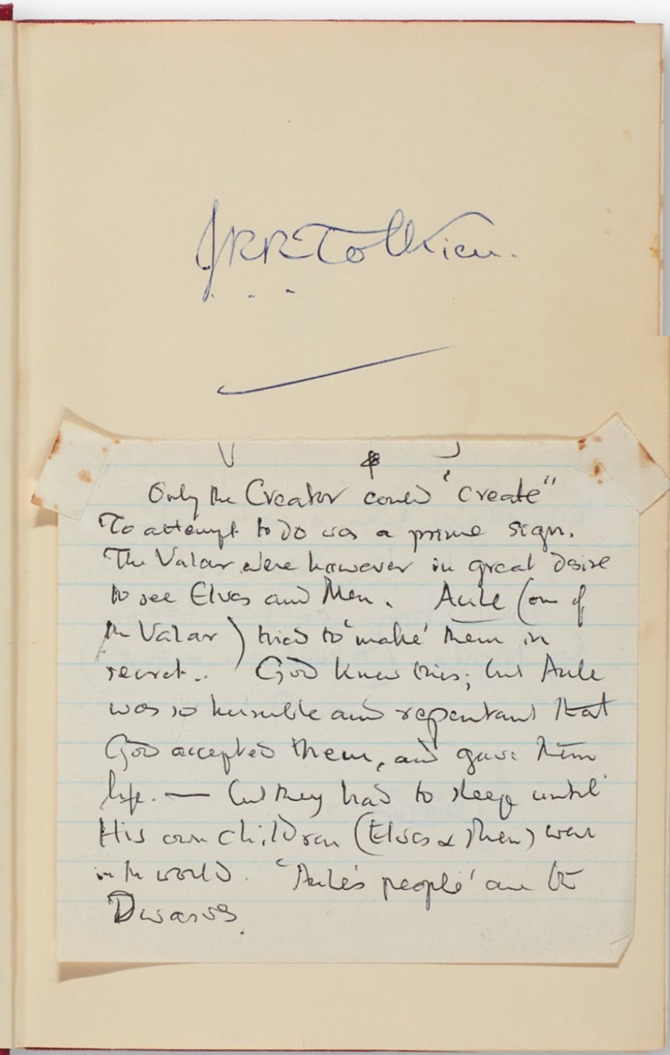
* New on Archive.org, the catalogue for Profiles in History: Autograph Auction 36, Winter 2003. Featuring an image of a Tolkien-penned page with “I sit beside the fire…”.

* And finally, Malcolm Guite’s latest YouTube video features Noel: an overlooked gem by J.R.R. Tolkien.

Tolkien Gleanings #422

Tolkien Gleanings #422

* Now freely available online, “J.R.R. Tolkien’s Soul’s Ward: A critical edition of his unpublished translation of the early Middle English homily Sawles Warde”. The translation had been wrongly sorted into a box of his Sir Orfeo material, and was thus lost until now.

* John Garth has announced he is undertaking a part-time DPhil at Oxford (the Oxford equivalent of a PhD, 75,000-word thesis). He’s launched a crowdfunding appeal for it, aiming at £900 a month. His research is… “about how world war and other modern conflicts shaped Tolkien’s masterpiece”.

* Also crowdfunding now, a short film from New Zealand

“When a grieving father joins a Lord of the Rings location tour, he unexpectedly discovers connection, healing, and hope. Set against the stunning landscapes of Queenstown, the film stars Bruce Hopkins (Gamling in The Lord of the Rings movies) in the lead role, bringing authenticity and emotional depth to our story.”

* I think I missed noting the listing for the Tolkien Seminars at Magdalen College, April – June 2026. Still, the last two are yet to come, and all the talks should be on YouTube in due course.

   – Downfalls and ruins: Tolkien and the Lost World of Catholic England.
   – Old English and Old Norse Loan Words in Tolkien’s Gnomish Lexicon (1917).
   – Revisiting Songs for the Philologists.
   – Tolkien and Sawles Warde.
   – Genealogy of Smaug: draconic influences on Tolkien.
   – Charting Faerie: Cartography as the Threshold of Enchantment.
   – The Verbal System of Quenya.

* Signum University online short-courses for August 2026 include “Beginning Quenya 1”, “Tolkien and the Classical World”, and “Exploring Tolkien’s ‘On Fairy-stories'”.

* The editor of Pop Culture Fandoms, apparently a paid-for book set for publication by Bloomsbury in 2028, has called for short contributions. Send 200-300 word abstracts of your topic(s) by 30th August 2026. Only 100 fandoms will be chosen, so it may be best to also briefly state why your fandom is a worthy one.

* Matej Cadil has a long article on “Mushrooms in Middle-earth”. I hadn’t before considered that Merry’s book Herblore of the Shire would also have discussed mushrooms and fungi. I’d add to Cadil’s article, that Tolkien once wrote that the Druedain had great knowledge of fungi… “those that were poisonous, or useful as medicaments, or good as food” (from The Nature of Middle-earth). As such, I imagine that some of their fungi-lore, gained in lands adjacent to the Shire and with similar weather, would probably have found its way into Merry’s Herblore. (Cadil’s long Substack article is nearly free, but six of his new illustrations at the foot of the article are behind a paywall).

* The official Tolkien Calendar 2027: The Hobbit 90th Anniversary is set for release in August 2026. 13 images and… “Published for the first time, this calendar also includes a sketch by Maurice Sendak, creator of Where the Wild Things Are”.

* And finally, the “making-of ‘Ancalagon the Black’ for the 2027 Beyond Bree Tolkien calendar”…

Tolkien Gleanings #421

Tolkien Gleanings #421

* A new Middle English translation by Tolkien is to be published in a few days. According to the Telegraph ($ paywall), a ten-page heavily-annotated typescript was found at the Bodleian and realised to be a long-lost and unknown translation. It had been lost due to mis-sorting into a box of Sir Orfeo papers. His translation of the homily Sawles Warde will now be published for free on 8th June 2026 in an edition of the journal The Review of English Studies, as “J.R.R. Tolkien’s Soul’s Ward: A Critical Edition of His Unpublished Translation of the Early Middle English Homily Sawles Warde”.

A little research shows that the West Midlands alliterative dialect homily was written c. 1210 (sources differ, some say 1240), most likely in Herefordshire in the far south-west of the West Midlands. The homily was itself a partial translation and popular local adaptation/expansion of part of Hugh of St. Victor’s De Anima. Tom Shippey called it a “little allegory” of the guarding of the purity of the soul with a protective structure. The recent book Tolkien on Chaucer quotes a passing mention of it by Tolkien, found in a 1920s review by Tolkien of an edition of the Hali Meidenhad. Tolkien said there of Sawles Warde that it… “approaches the liveliness and picturesqueness, if not the humanity” of the Hali Meidenhad. A 1984 essay by Anne Eggebroten remarks… “the Sawles Warde author copies [Hugh’s] passages on heaven and hell more or less ver­batim, [but] he expands and strengthens the castle metaphor, dramatizing it with a fuller cast of characters.”

* The Tolkien Guide has a review of the new book J.R.R. Tolkien and G.B. Smith, With Wind in our Ears, and also an interview with Giuseppe Pezzini. The recording of the interview is also on YouTube.

* A new special-issue of the Journal of Tolkien Research on Asexuality in Tolkien’s Legendarium. The usually ‘rolling issue’ format is this time forgone and we have a complete-in-one-go edition. As usual, freely available online. Includes amongst others…

   – Introduction: Asexuality and Aromanticism in Tolkien’s Works.
   – “Motions of Love and Friendship”: Elven (A)sexuality.
   – “As Bachelors Very Exceptional”: An Asexual Reading of Frodo Baggins.

* Lawyers, Guns and Money has a new long post on The Art of Cor Blok in relation to his illustrating Tolkien. Freely available and heavily illustrated. The author notes that the artbook A Tolkien Tapestry: Pictures to accompany The Lord of the Rings can still be had on Amazon, and I’d also note that it’s a reasonable £20 in hardback.

* Elfenomeno has a blog post on a newly revised and expanded edition of the Tolkien FAQ book in Spanish. Apparently “fully up to date”, and the full title is J.R.R. Tolkien: Frequently Asked Questions (and a Few Odd Ones). The handsome new hardback book can be had from Legendaria Ediciones.

* And finally, new to me is a series of four French-language France Culture podcasts on Tolkien and fantasy worlds, from the national broadcaster Radio France. From 2018, but still freely available in the UK and without captchas or region-blocking.

Traditional orchards in Stoke-on-Trent?

I looked for Stoke-specific items in the new Local Nature Recovery Strategy for Staffordshire and Stoke-on-Trent (Consultation draft, May 2026).

“Action T12. Appeal for information on orchards”.

They consider it possible that Stoke may be one of three districts in the county that still have a few traditional orchards, or partial relics of traditional orchards with a few old variety fruit-trees left. Let them know, if you know of one locally.

That’s it, in terms of the Stoke-specific Action items nestled among the boilerplate copy-paste and questionable climate claims. Though several other potential Actions seem relevant to Stoke, such as…

– reducing heathland fires in summer
– creating viable new ponds
– create rich new hedgerows
– care for ex-quarry habitats, especially rocky outcrops
– wildlife corners / strips on allotments
– reduce light pollution

No mention of litter and dumping, though, or of keeping dogs out of nature reserves.

Also of note…

According to the latest BlueSky data, [tree] canopy cover in Staffordshire County is currently around 14.5%, whilst Stoke-on-Trent has similar canopy cover of 14.7%.

Nice to think the city is as tree-ish as the county, and I assume the figures were calculated on local council area and not on postcode (the ST postcode ranges far afield). If so, then leafy Kidsgrove would have been excluded from the Stoke tree-count.