Tolkien Gleanings #400

Tolkien Gleanings #400

The 400th edition of Tolkien Gleanings! If you find my regular Gleanings useful, please consider a small monthly donation via Patreon.

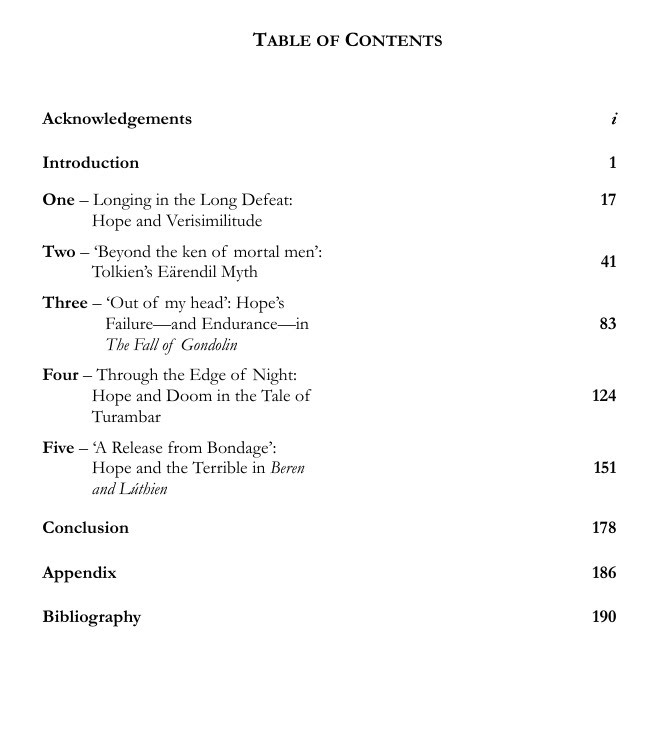
* A new PhD thesis from New Zealand, “Echoes of music dim: Hard hope in J.R.R. Tolkien’s early heroic legends” (2026). Freely available online, the thesis…

“examines the presence and quality of difficult Hope in J.R.R. Tolkien’s early mythology, chiefly across the years c. 1913 to c. 1938. Approaching his work through the combined lenses of biography, mythological vision, linguistic pursuit, and religious conviction, it treats the ‘tower’ of Tolkien’s legendarium not as a structure to be dismantled, but as a work of remarkable craft still able to grant a meaningful view. At its centre lies Hope as a vital, often hidden bond-stone in Tolkien’s so-called Great Tales: not optimism, but a hard and costly longing for things to come right, somehow, grounded in an ultimately eschatological horizon. Because Tolkien was not a theologian working in systematic terms, this study follows Hope as he himself explored it”

* The new book Vikings, Knights, Elves, and Ogres: Essays in Honor of Shaun F.D. Hughes (2026) has the chapter “Thoughts on J.R.R. Tolkien’s and E.V. Gordon’s ‘Viking Club’ Songbook at Leeds, and Related Nordic Songbooks”.

* Tolkien: Medieval and Modern has the new long essay “On Darkness and Tongues”, musing on the ‘darkness’ of the… “words of the secret dwarf-tongue that they teach to none”. Freely available online.

* Thoughts on Tolkien plausibly considers “The Long Shadow of Bilbo”, re: his likely influence on the breaking of the Fellowship. Freely available online.

* At Reddit, a seemingly new “List of all aphorisms from The Hobbit and The Lord of the Rings”.

* Mythprint Vol 60, No. 4 (2023) is now released from its membership embargo and freely available for download. This issue has a review of the book Middle-earth, or There and Back Again (2020), this being Cormare Series No. 44 published by Walking Tree.

“In the tradition of source studies and those reception studies which undertake close readings, [the book’s authors] engage with material with which Tolkien was certainly familiar, and yet they are not afraid to move beyond an illustrative mode of correspondence, that is, treading the lines between ‘source’ and ‘target’”.

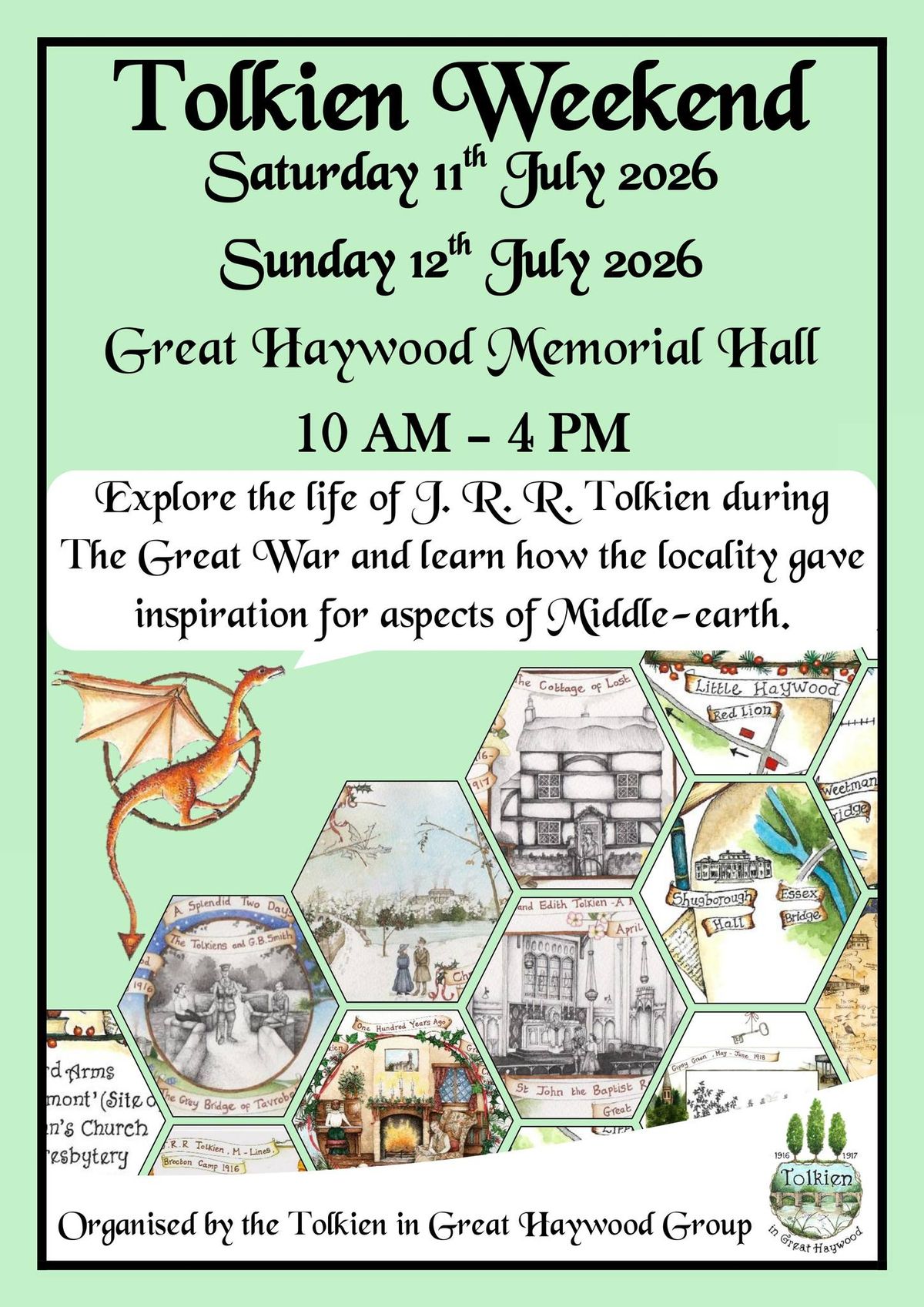
* And finally, a Tolkien weekend is planned for Great Haywood in mid Staffordshire, in July 2026. Free admission. With the event poster suggesting there will also be a showing of artworks relating to Tolkien and Edith in the locality during wartime. Some of these are glimpsed on the poster.

More fantasy / supernatural books set in Stoke-on-Trent

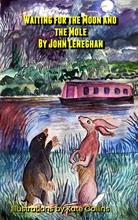
A new fiction book set in Stoke-on-Trent, in Sideway to be precise. Waiting for the Moon and the Mole (2025) is a substantial children’s story by poet John Leneghan.

We used to walk from our housing estate in Blurton to this childhood place of adventure. [At Sideway] there were stationary railway wagons, disused railway tracks, a canal, a farm called Whites Farm (but most folk used to call it Whiteys Farm), open fields with brooks with countless blackberry bushes, climbing trees, rope swings, woods and fishing ponds. It was just the perfect children’s playground. A natural playground, should I say. [The book imagines the Sideway canalside] animals of today, trying to survive the many changes in this place.

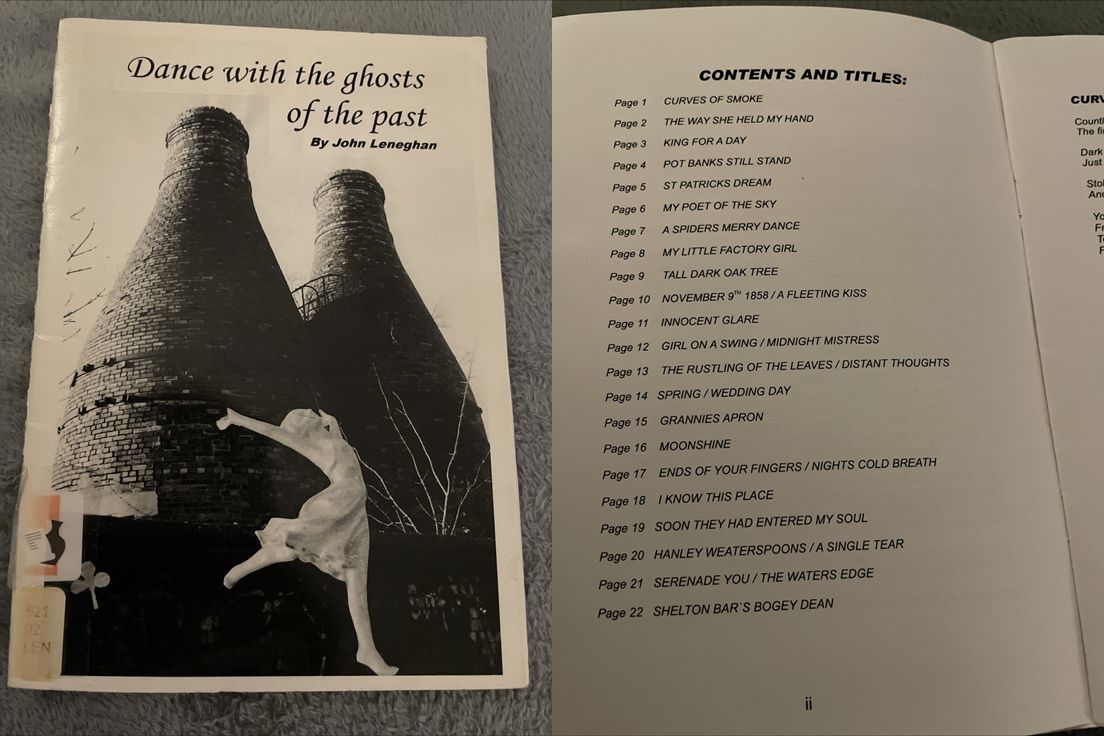
The author is also the author of a book of poems about the various “ghosts of Stoke-on-Trent”, a book also new to me.

Currently on eBay, Dance With the Ghosts of the Past seems to be a discarded library book. Local libraries really shouldn’t be discarding poetry books like this, they should be sending them to the Local Collection at Keele.

Tolkien Gleanings #399

Tolkien Gleanings #399

* News of a forthcoming book, Joy Beyond All Worlds: Universal Salvation, George MacDonald, and J.R.R. Tolkien. Judging by the table-of-contents it looks like a deep dive into MacDonald’s Christianity and its historical context, followed by a shorter four chapter section relating these ideas and themes to Tolkien’s Ainulindale.

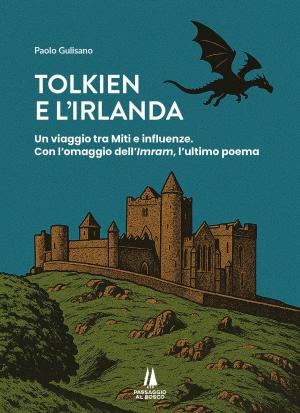
* News of a new book from Italy, from the author of Dentro i panni di Gandalf: Tra letteratura e spiritualita nella Terra di Mezzo di J.R.R. Tolkien (2024) (‘In Gandalf’s Shoes: Between Literature and Spirituality in J.R.R. Tolkien’s Middle-earth’). He is giving a university talk on his new book due soon, which appears to be on the theme of ‘Tolkien today: between cinema and literature’.

* A short interview in Italian with the art historian who worked on the new Tolkien in Italia documentary film, which is now screening in Italy…

“His letters clearly show how much Tolkien was struck by the beauty of the places he visited in our splendid country. He stopped briefly in the city of Verona, but his most significant memories are associated with Venice and Assisi, in Umbria. He was fascinated by the mosaics of San Marco and the paintings of Tintoretto, but the pilgrimage to the lands of Saint Francis aroused very strong emotions in him. As a Catholic, he felt even more the spirituality that always fills those places. Oddly enough, he never went to Rome, the capital.”

* In German in the Swiss magazine HR Today, Thomas Honegger interviewed on leadership lessons from The Lord of the Rings. Freely available online.

* On Etsy, pre-orders are now open for the book Tolkien’s Tragedy: Concerning Numenor, the Rings of Power, and the Second Age. The third volume in his ‘The Mind of Tolkien’ series from a popular podcaster, the book seeks to unravel the “hidden narrative unity” of the Second Age. Hopefully, the title’s apparent reference to the TV series is just a marketing ploy.

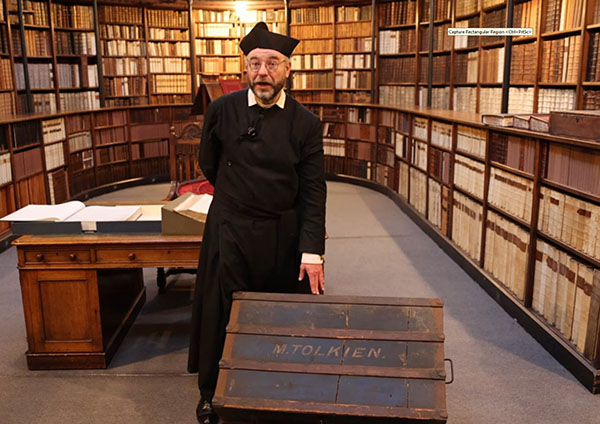
* A new YouTube channel has two short clips in English, “Birmingham Oratory and J.R.R. Tolkien” and “Newman’s Library in Birmingham”. Filmed inside the Birmingham Oratory, but I’m uncertain where they’ve come from.

I should also add that the presenter is a little ‘off’ on his facts. The Tolkien brothers did not find shelter in attic rooms in the Oratory itself, but rather attic rooms at the top of a house over in 25 Stirling Road. He also gives hesitant and passing credence to the hoary old claim about the ‘Two Towers of Edgbaston Waterworks’. I daresay the Oratory could instantly crowd-fund a few million to make a high-quality feature-length Ken Burns-style documentary film about the young Tolkien in Birmingham, with a focus on his religious upbringing in the city, but… these clips don’t feel like they’ve come from something like that.

* And finally, Tolkien: Medieval and Modern has another fine long essay on how “Everyone Knows a Sam”

“Sam speaks ‘sermo humilis’ (a description he’d not even know how to define). It’s humble speech, the style of the Gospels: the books in the Bible that talk about fisherman and tax collectors, those on par with Sam the gardener.”

Tolkien Gleanings #398

Tolkien Gleanings #398

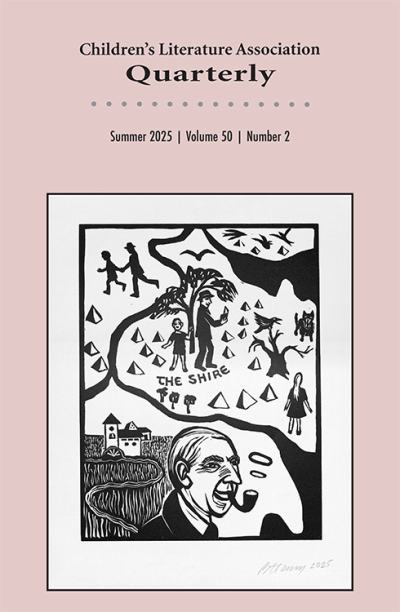
* The Children’s Literature Association Quarterly for summer 2025, is a Tolkien special issue. The lead articles are “Four Wizards, Six Hobbits, and One Poor, Obsolete Elm-tree: Tolkien and Childhood” and “The Fairy Tale Debate with Andrew Lang in J.R.R. Tolkien’s “On Fairy-stories”” ($ paywall).

* New in the latest Journal of Tolkien Research, Entiscum yrfe Ealdniflunga: Meter and Poetic Style in Tolkien’s Old English Attila. In which Tolkien recreated in Old English… “a ‘lost original’ poem of the Nibelung saga”. Freely available online.

* From Italy, an abstract for an embargoed 2026 book chapter in Italian, whose title translates as “The Return of a King: Models for Imperfect Sovereignty”

“Aragorn […] could be defined as an example of imperfect kingship. Elrond’s teaching enriches his character by instilling complexity and originality, and thus Aragorn escapes the classical model of the king, instead asserting himself in his own way. To understand this, we will examine models of kingship to which Tolkien was certainly sensitive and which oriented his and his generation’s mental frameworks. It is not a question of tracing a precise collection of historical models, but of recognizing prejudices and expectations, rooted in the political culture of the times. These make the Professor’s approach to kingship — and, in particular, to the return of King Aragorn — truly original.”

* From Japan, a 2026 article in English on “Vengeance and Grace in Tolkien’s Sub-Creation”. Freely available online.

* Tolkien: Medieval and Modern has a new blog essay “On Tolkien’s Usage of Style”.

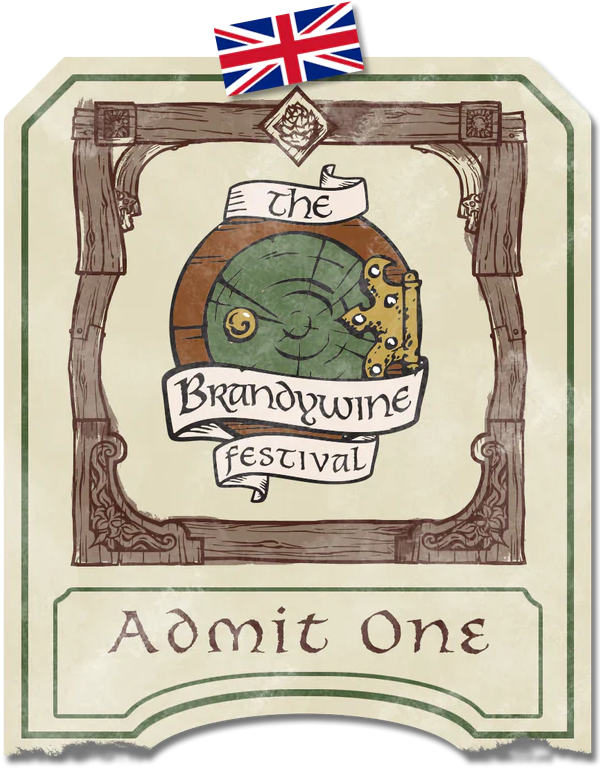
* Looks like the Brandywine Festival tickets are now on sale for Staffordshire in 2026. Note the £25 surcharge ticket for early arrival, and the requirement to bring your own food.

* The major fan-fiction website Archive of Our Own is at last leaving behind its long-running Open Beta status.

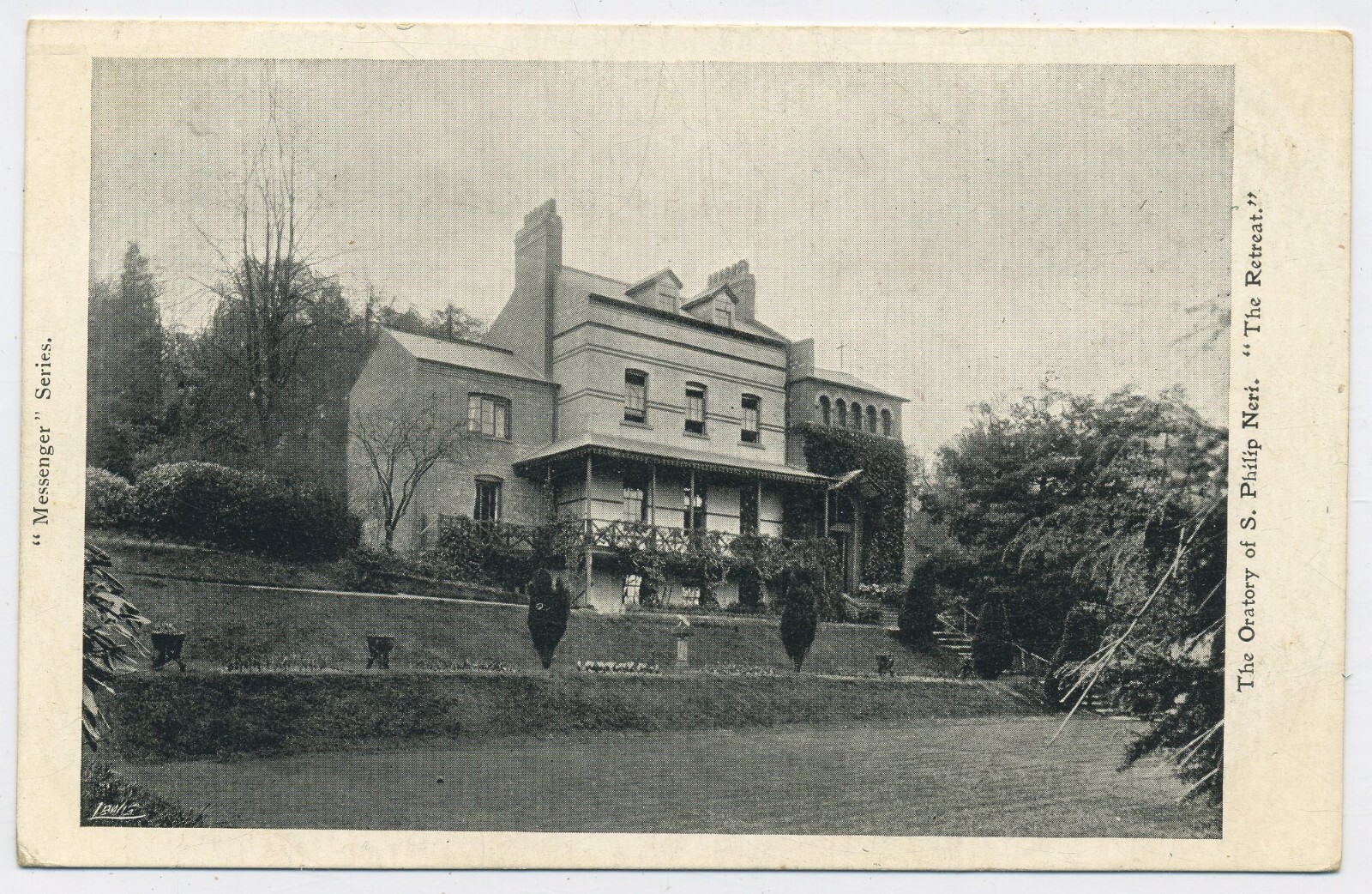
* On eBay, another chance to get a vintage postcard of the Birmingham Oratory Retreat, at Rednal in the north of the Lickey Hills.

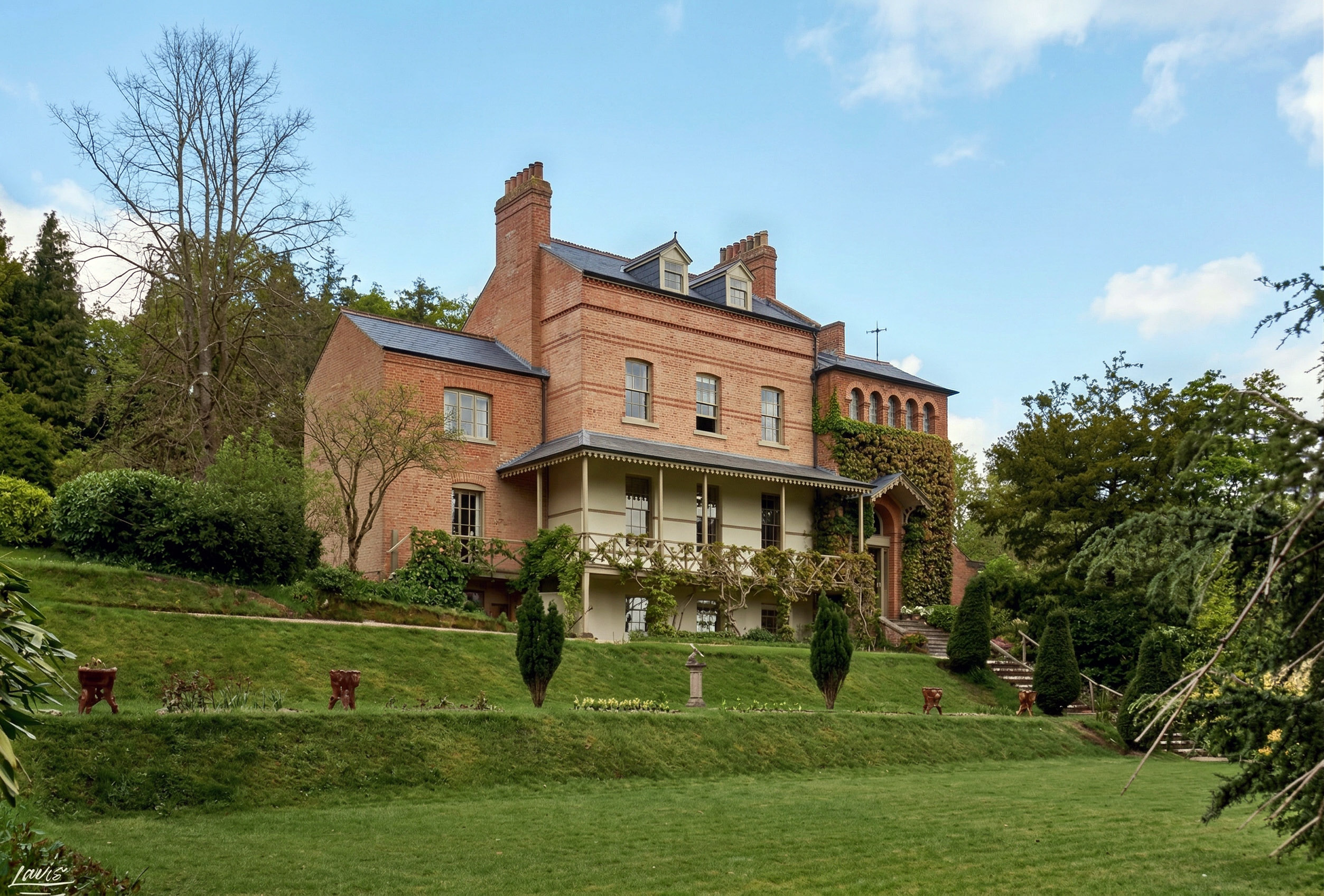
Restored version via Nano Banana v2, which is very prone to inventing details that didn’t exist at the time. But in this case my prompt worked well: “Restore and colorize the image, as if photographed with a modern Hasselblad camera. Retain the exact layout, proportions, foliage massing, and the outline of the building against the sky.” Even then, the sundial needed manual Photoshop-ery to get it back to being a sundial rather than a blobby ‘sculpture’. And Banana has shut three of the open windows. Google’s Nano Banana v2 (online only) can be had for free with 400 free credits a month, at the Comfy Cloud, and with none of the proportions-jiggering and watermarking malarky that you get at Google Gemini (also free). Though you will need to know how to use ComfyUI, as this worthy local freeware’s user-interface is reproduced exactly in your Web browser. If you need two tries at generating a large 2k image, then you’ll consume around 40 credits. There’s no monthly rollover of credits.

* And finally, the Oxford Mail local newspaper reports that a local antique shop has unearthed a copy of Songs For The Philologists. The booklet has thirteen poems by Tolkien, and… “just 15 copies are thought to be in existence”. The copy, now for sale at a whopping £65,000, was once in the possession of…

“Professor Arthur Brown (1921-1979), who taught literature at University College London and was an associate of Tolkien. He shared the Oxford professor’s interests in Anglo-Saxon and Icelandic literature, and alongside his copy of Songs For The Philologists — probably obtained during his tenure at UCL — Prof. Brown also owned Tolkien’s original illustrated manuscript for Visio de Doworst.”

The Doworst mentioned here was Tolkien’s… “Humorous verse ‘report’, relating remarkable errors committed by nervous students in oral English examinations at the University of Oxford”, written in the style of Piers Plowman (Reader’s Guide, 2007).

Readers unable to find the requisite bitcoin down the back of the sofa, can find the text of Songs For The Philologists for free at the Internet Archive.

More Nano Banana, in combination with Gigapixel AI

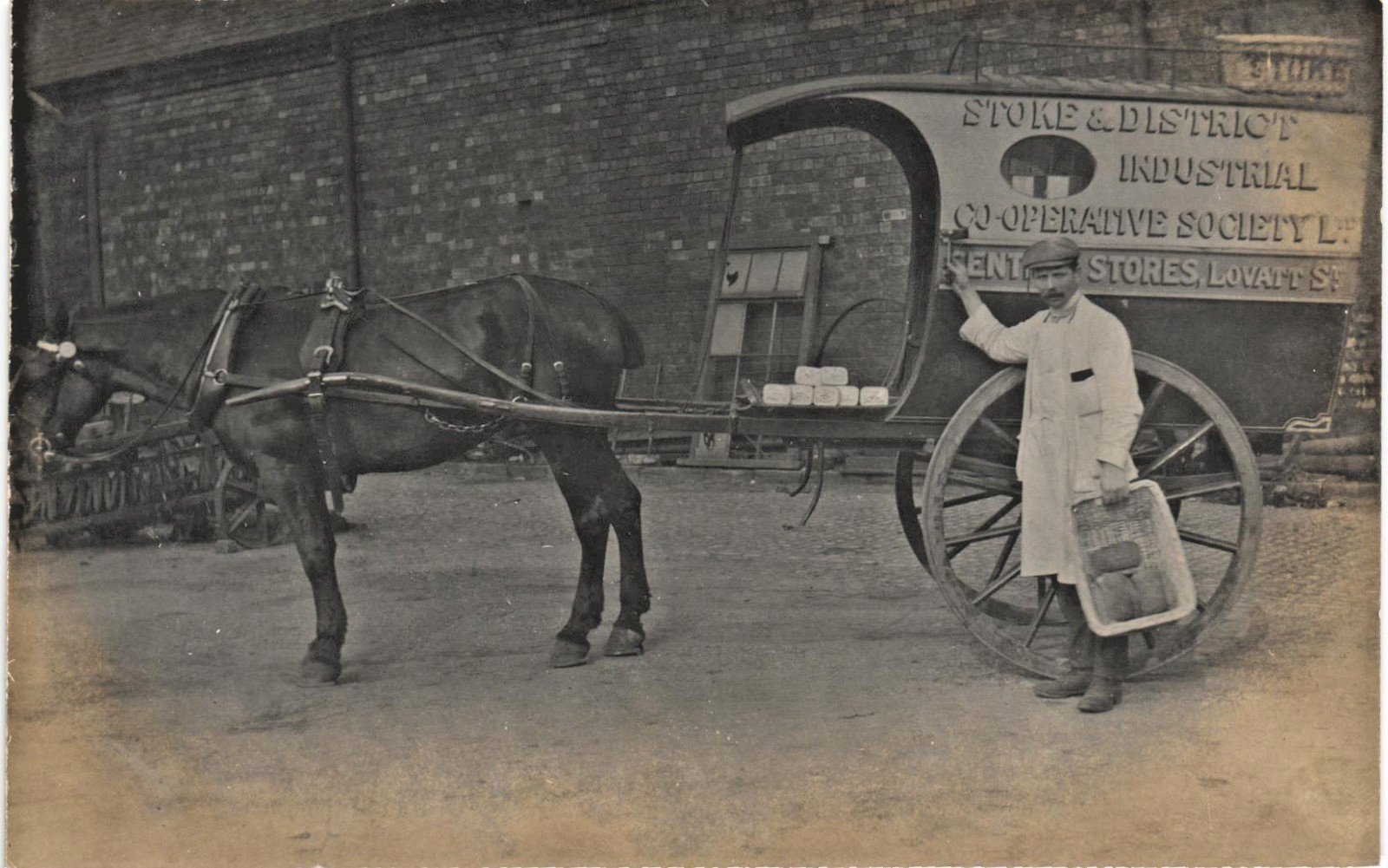
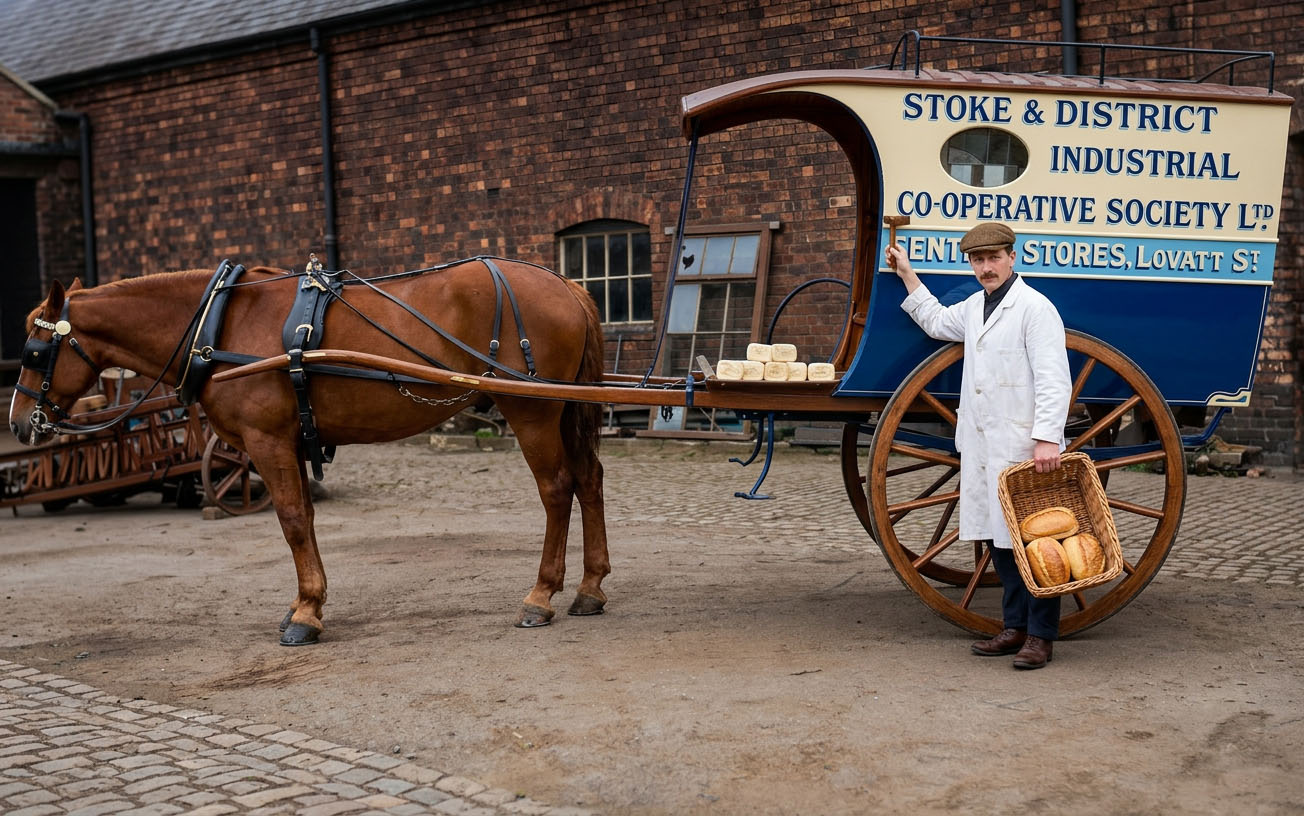
More on Nano Banana and restoring old pictures. Here’s a particularly tricky old picture. Tricky because of the small face and also the typography involved.

Online the USA’s Nano Banana 2 will distort the face, and offline Germany’s Flux2 Klein 4B model will both distort the face and subtly mess with the typography. Here’s a workflow with appears to work fairly well…

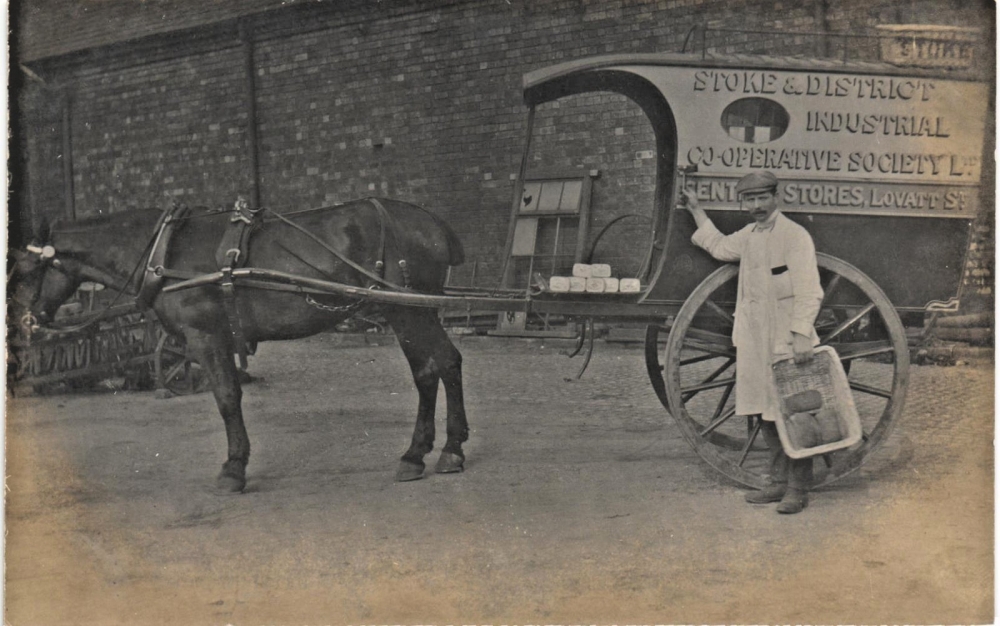
1. The source eBay scan image at 1600px, from a small photographic postcard. Reduce to 1000px, to make it suitable for processing by Texas’s Topaz Gigapixel AI 7.x and its Recovery v1 (beta) module. Recovery v1 (beta) was tuned for 1000px. Tests I’ve seen elsewhere suggest that the later Recover v2 and v3 were faster, but not better.

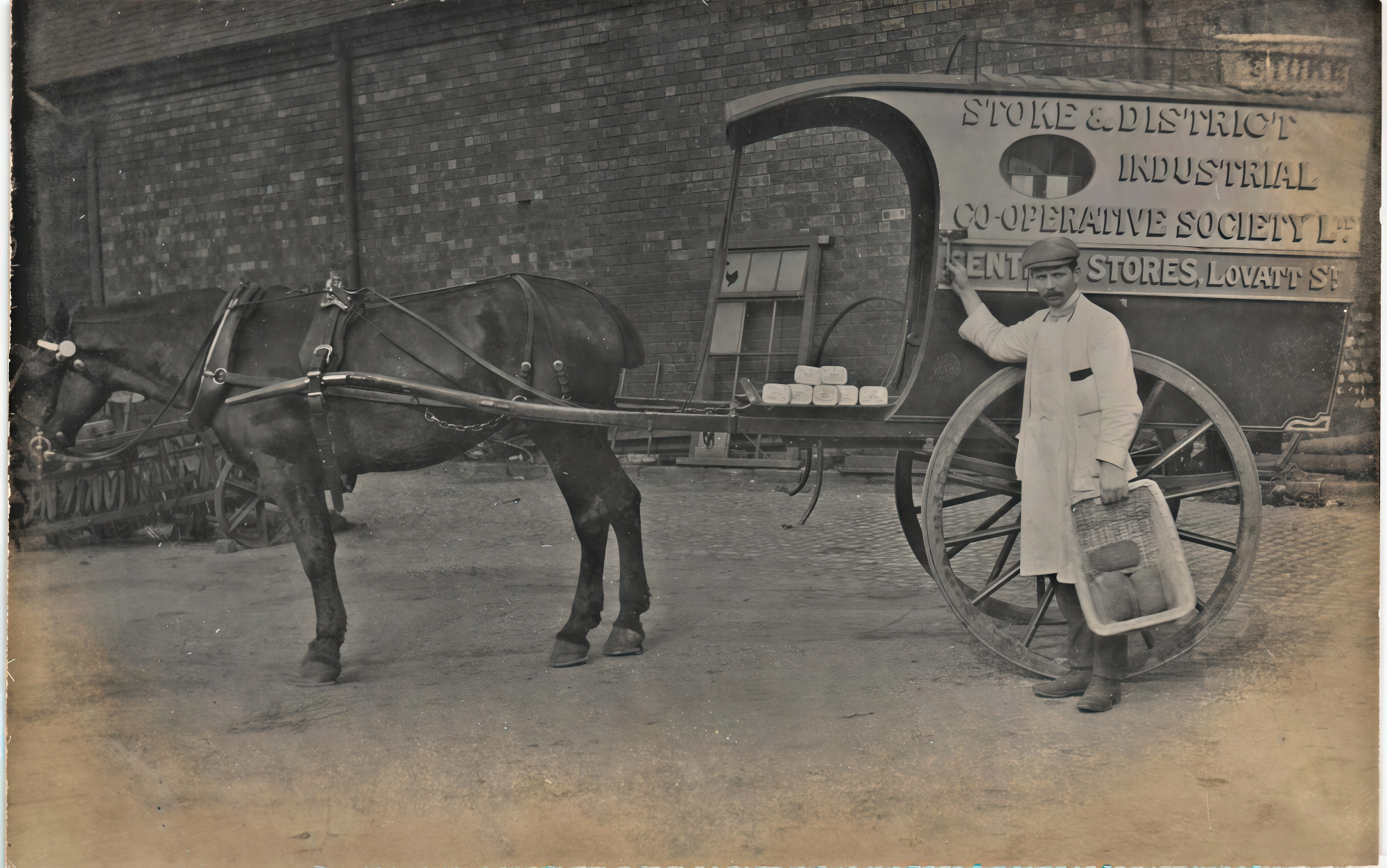
2. Run Topaz Gigapixel AI 7.x and its Recovery v1 (beta), on a 2x upscale to 2000px. Takes a long time, maybe 12 minutes on a 3060 12Gb card. Note that this is the old offline Windows standalone Topaz, not the new online-only subscription only offering.

Slow, but the result is nice. Save it as a .PNG file. It’s pretty much kept the face, without mangling or odd invention. The rest of the image is intact and in place.

3. Save the .PNG as a .JPG in Photoshop, using max. quality. This is done only to reduce the file-upload time to the Comfy Cloud.

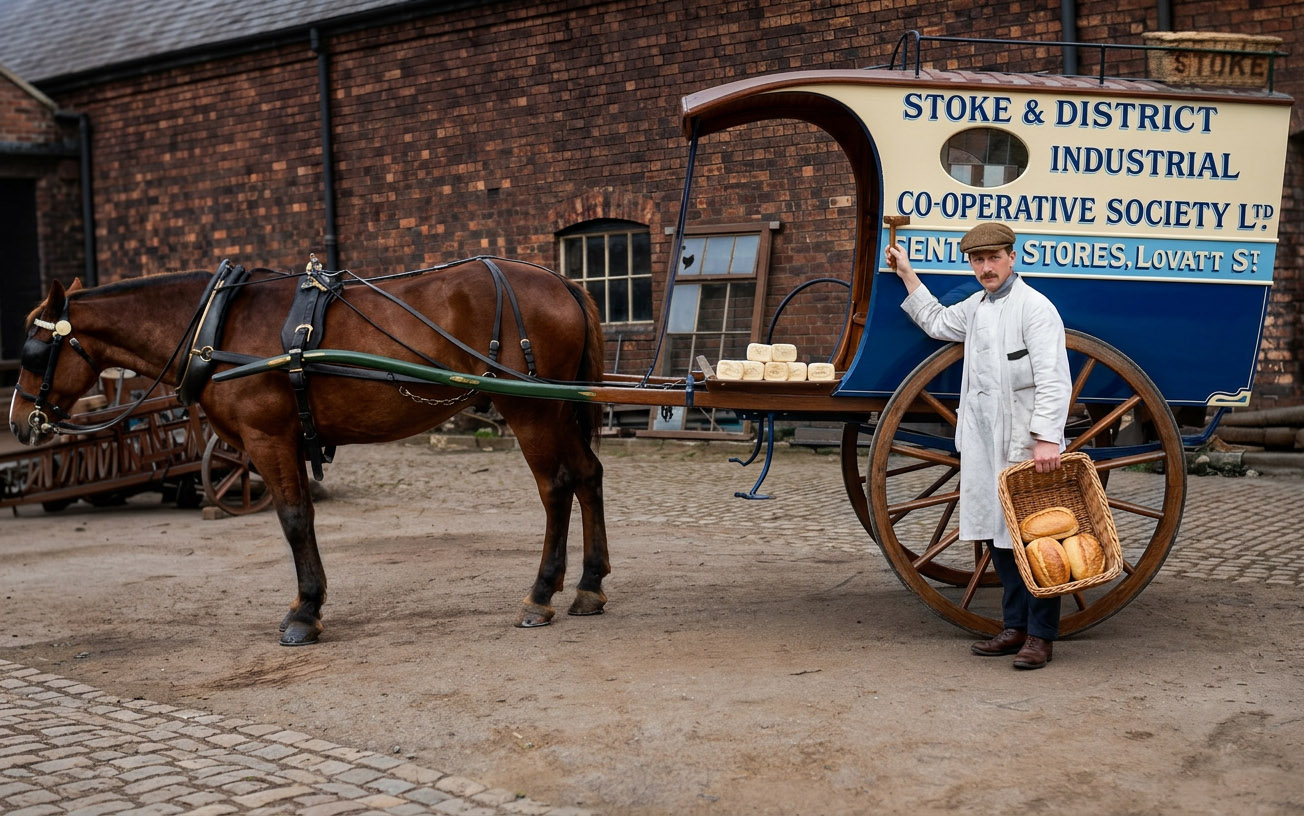
4. Upload to a Nano Banana 2 workflow running in Comfy Cloud. Comfy Cloud offers 400 free credits per month, no rollover. The workflow’s system prompt was left unchanged and my prompt was simply: “Restore and colorize this photograph, as if photographed with a modern Hasselblad camera.” The result…

Not bad, the face remains very similar and also a bit more appealingly human. We’ve lost the “d” in “Ltd” on the van, but that was very indistinct on the source. The livery of the cart/van is an appealing green, but the original was probably in blues and creams. So, by changing the prompt and re-running Nano Banana we can fix both the livery and the ‘Ltd’ problem…

Restore and colorize this photograph, as if photographed with a modern Hasselblad camera. The main livery colours of the cart are a rich dark blue on the lower part, a light blue on the central strip, and a pale cream on the top section, with the roof a rich dark wood color.

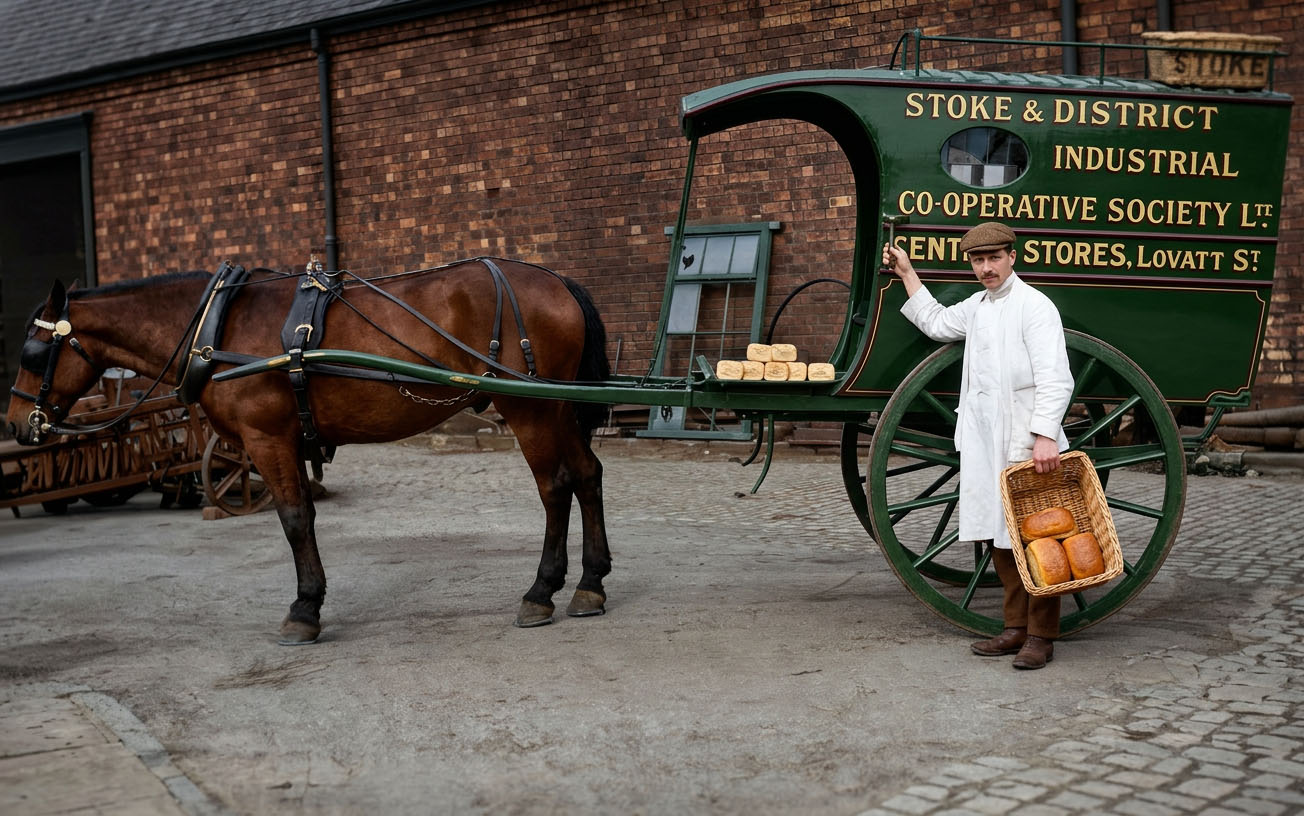
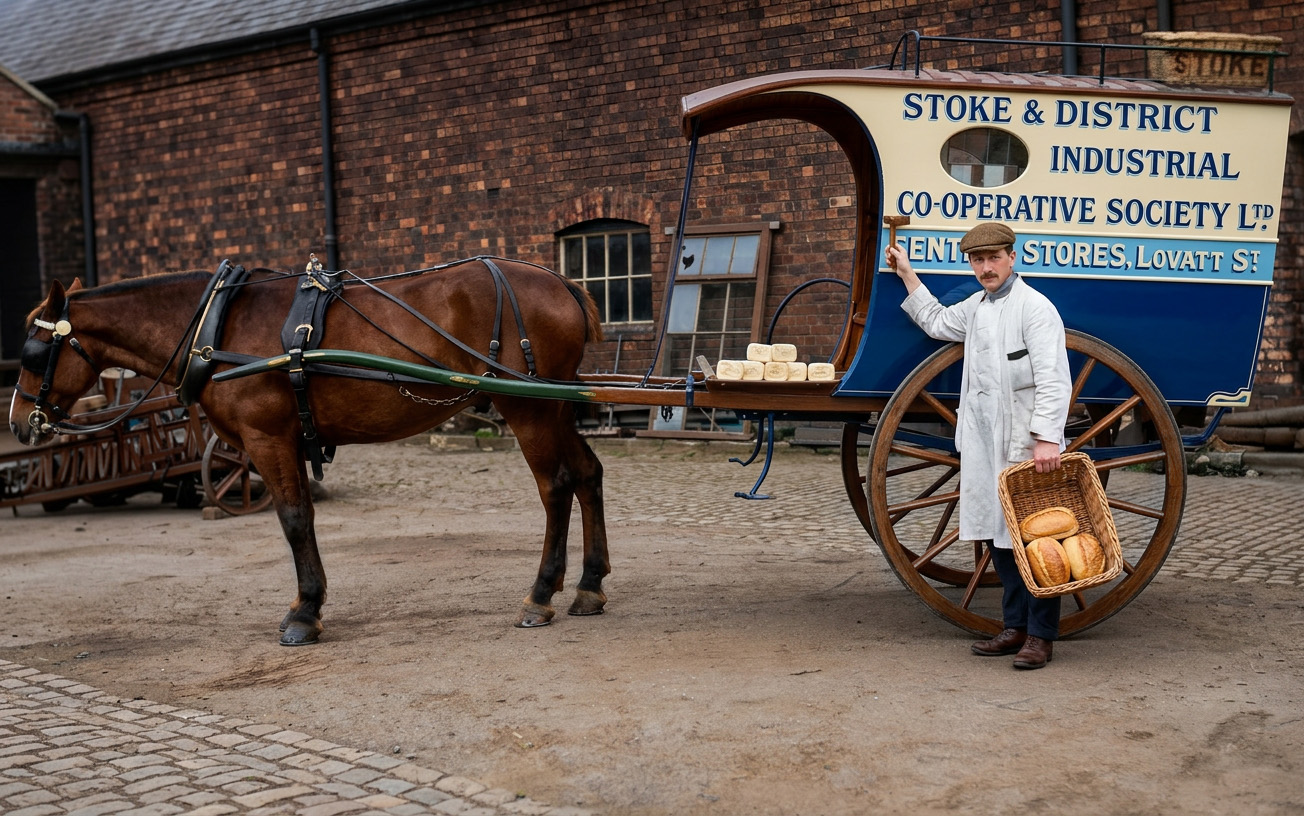
By adding specific details to the prompt we’ve got what was wanted on the van, but have unintentionally triggered some ‘invention’ problems. The horse has taken on the colour of the cart’s wood, the uniform has become more of a modern 1960s milkman’s uniform, some background pipes are lost on the right edge, and the ‘Stoke’ bread basket on the roof has totally gone missing. All of which are a result of starting to be specific with ‘prompting for details’. And all of which we can then solve by dropping in the first success in Photoshop, then masking and erasing. Then add a few finishing touches such as adding back his pocket orders-book, toning down the ultra varnish on the wheels, and balancing the contrast on his white garments. The final image…

So the trick seems to be: use Gigapixel first, then Nano Banana in two stages (one very simple prompt, then another prompt for colours). Then edit the results together in Photoshop. More than a one-click process, and taking at least 30 minutes per picture, but the result is good.

It is however, easy to think you’ve finished but miss important details. The horse’s tail has gone from being cropped to uncropped. Had it had the full tail, the tail would have been flicking dried dung onto the bread! So that means another ten minutes of skilled Photoshopping, to fix that grave historical error which some future historian might use to claim ‘unhygienic food’ in the Edwardian period…

Even then, I had still completely overlooked the invention of the new cobbles down in the lower-left! And the new window. I decided to leave those in, as they feel natural.

As you can see, getting it right is far from the ‘one-button click approach’ that some imagine it to be.

Nano Banana test – Moreton Old Hall

After signing up a few weeks ago, I got around to doing a quick test of Google’s Nano Banana 2 AI in the free ComfyUI cloud. Their Cloud now offers an easy-access free-tier with 400 free credits a month (no rollover). Nano Banana 2 is currently one of the free options.

The image shows the frontage of the local Moreton Old Hall, near Stoke-on-Trent. This cost 32 credits for a huge 5300px 30Mb .PNG output (here resized back to a manageable .JPG). So, at 32 credits for a 5K image restore, you’re looking at maybe 10 images a month with some credits left over for other things.

Good enough for an occasional local history blog, with some manual correction of its colourizing mis-fires and inevitable tendency towards neon oranges (a problem which all colorizers seem to share). Plus a careful consideration of what has been invented by the AI. For instance, here on the original we can see the AI has invented the closed door (open and not visible in the original) and also the stone wall on the right (the grass falls down to the water, in the original). Ideally one would also show the original with the restoration, for articles where details are historically important.

Note that Google Gemini can also do this restoration free, and a lot faster than the Comfy Cloud, but i) there’s only basic control over the image ratio, ii) there’s a discreet watermark, and iii) there are also usage limits. Comfy cloud is slower but appears to gives users a 1:1 ratio-match with the original, no watermark, and .PNG output. Users do however, have to be familiar with the ComfyUI interface, which for the Cloud is simply reproduced online.

Note that subtle expressions in smaller faces are often also lost, and thus character insights are lost. Telling it to retain facial proportions and features makes no difference. It can be a fine tool for pictures of landscapes and architecture/vehicles, if you do a second run and prompt it to correct the hallucinations it made in the first run. But it seems historically questionable when dealing with small faces (and also text) in a not-so-great source image. This is the sort of image it will struggle with, small face and lots of typography…

Tolkien Gleanings #397

Tolkien Gleanings #397

* The forthcoming Leeds International Medieval Congress 2026, set for July 2026, now has paper abstracts freely available online. A wealth of Tolkien papers are to be presented. Including “Philological Play across Time: Humour and Language in Tolkien’s Lesser-Known Poetry”. The abstract for this paper names seven poems, so anyone with the Collected Poems can pick them out for reading.

* Elfenomeno has “The Equatorie of the Planetis: The Dual Investigation of Tolkien and Andoni Cossio into the ‘Holy Grail’ of Chaucer”. Many are familiar with Tolkien’s contribution as philological ‘consultant detective’ on the Nodens name, but in this article one learns about a similar 1952 job…

“For Price, Tolkien was not merely another consultant but the ultimate “detective”. He needed someone capable of conducting a forensic linguistic analysis, and Tolkien was exceptionally well qualified. […] if anyone could distinguish an authentic Chaucerian text from the work of a later scribe, it was Tolkien.”

* Heritage Auctions is auctioning off ‘The David Aronovitz Collection of Important Science Fiction and Fantasy’. First editions, along with Edith and Pricilla Tolkien: A collection of 41 letters, and an “apparently unpublished” 1955 letter by Tolkien. Although its key item of data is already known…

“the Index of Names […] proved impossible to include [in LoTR]. The labour of compiling one even as far as the middle of Vol II [was done but] was great, and largely responsible for the delay in the appearance of Vol III”.

* The American Spectator magazine has the new article “Tolkien and the Power of Fantasy”. Freely available online.

* The Reformed Journal has the new long article “Oft Hope is Born When All is Forlorn”, on Tolkien and despair/hope. Freely available online.

* Signum University now has its online-short-course listing for June 2026. Among others, “Many Voices, One Song: Leadership in Tolkien’s Middle-earth”, and “The Dark Zone: Caves, Myths & Meaning in Medieval English Literature” (on “the rich subterranean imagination of Old and Middle English literature, tracing caves, hollows, and underground spaces from the tenth through the sixteenth century”).

* Trinity College (USA) has a new video of Joseph Loconte giving a talk about his new book, The War for Middle-earth: J.R.R. Tolkien and C.S. Lewis Confront the Gathering Storm, 1933–1945 (2025). I’ve now found time to read the book, and am about three-quarters through. I’m enjoying its unfolding story and vivid anecdotes, and I will likely review it. The book is made all the more enjoyable due to occasional hilarious Americanisms, such as having C.S. Lewis… “traveling by train across the English countryside through villages such as Perthshire, Shrewsbury, and Cumberland”.

* The Tolkien tapestries exhibition has travelled to Angers (a city about 200 miles SW of Paris), and will be on show there from 10th April – 8th November 2026. Also of note in France, Paris has a substantial exhibition on Imaginary Maps, 24th March – 19th July 2026.

* And finally, further to my earlier notion that the distinctive railway/road bridge at Tolkien’s Barnt Green could have for a moment seemed a sort of forbidding door to a dark underworld (when seen in the dark on the way to/from the railway station) and thus akin to the Moria gate in LoTR. It could have formed a key entrance to the village for Tolkien and his brother, when visiting their cousins. I’ve now found a card which suggests this arch was perhaps of some importance to the village, at least important enough to feature in its own right in a postcard.

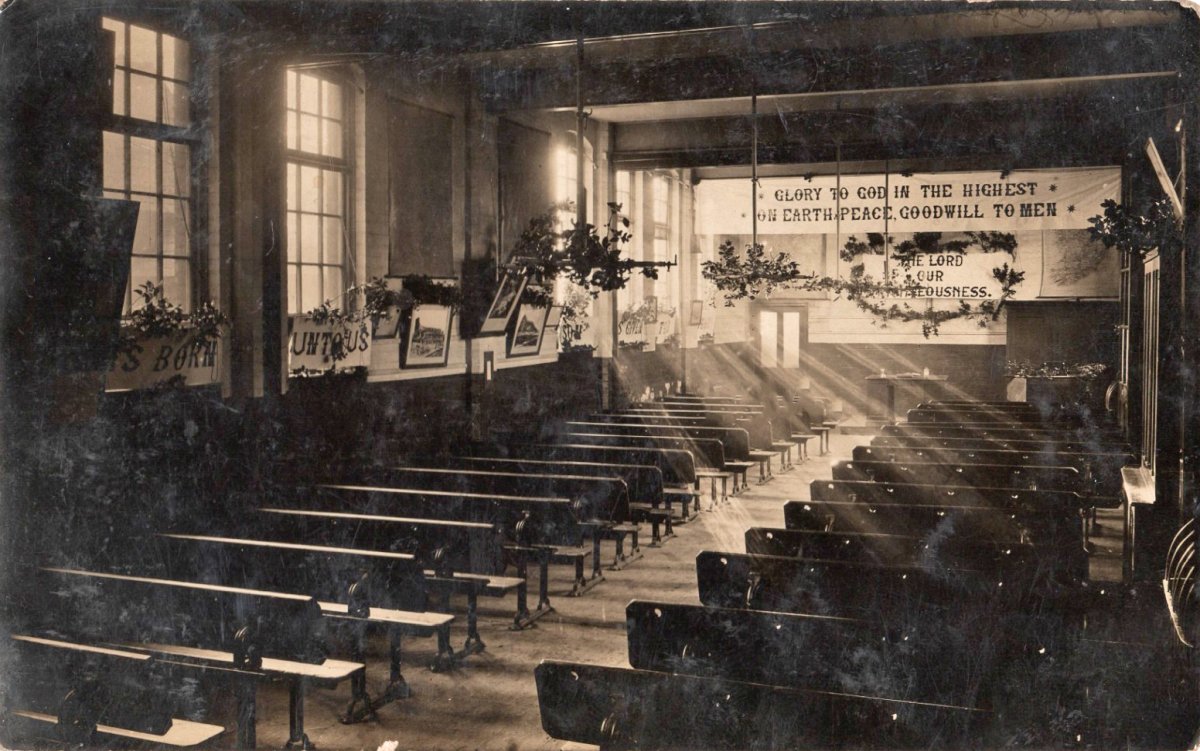
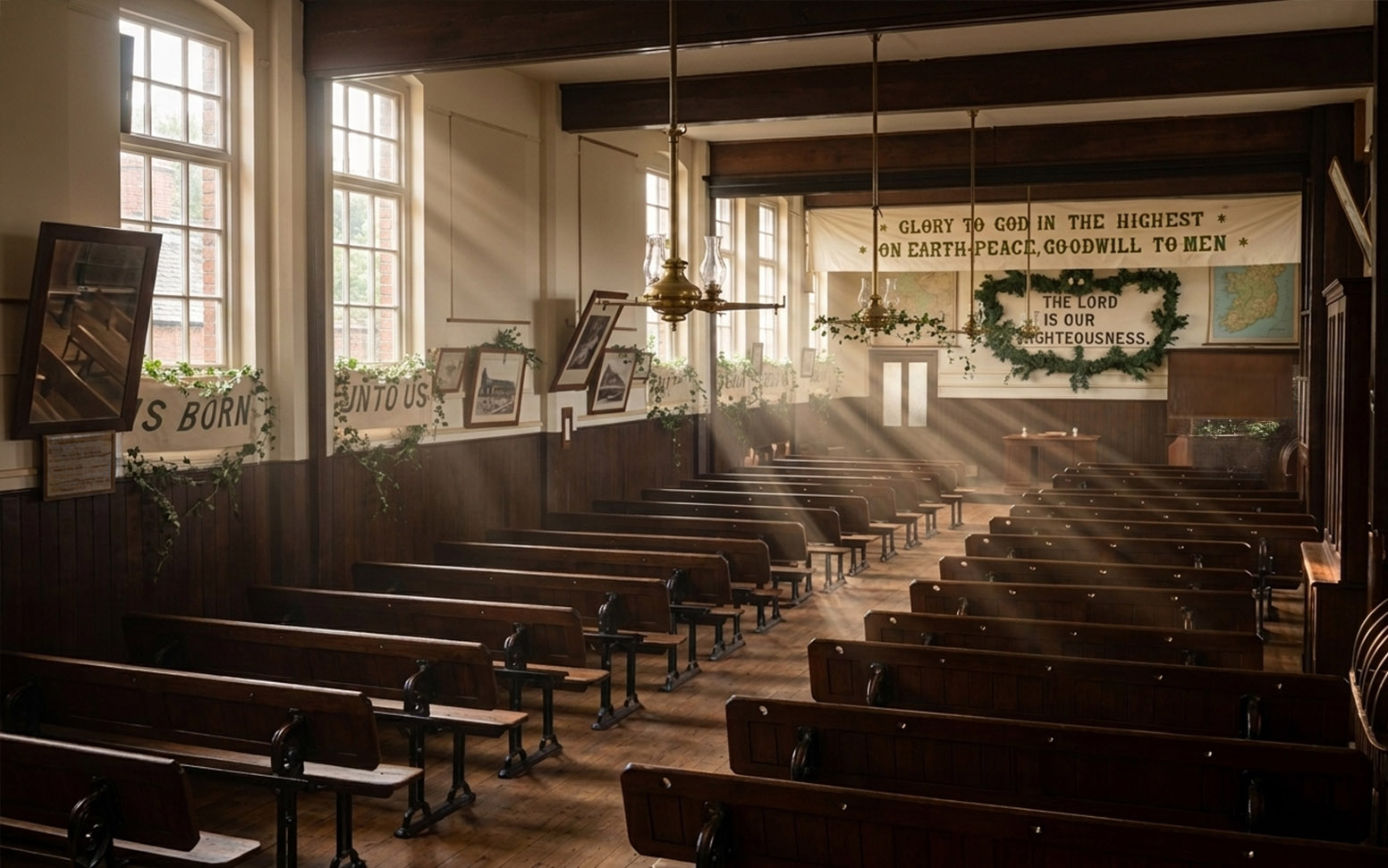
Restoration:

Original eBay scan:

Wider context:

Tolkien Gleanings #396

Tolkien Gleanings #396

* A new edition of VII: Journal of the Marion E. Wade Center at Wheaton College. Volume 41 (2025) was released in February 2026, and has the theme of “intellectual friendship, understood as a kinship of thought, values, and mission”. The issue is online but partly paywalled ($20). Among the open-access contents are…

   – “More Things in Heaven and Earth: C.S. Lewis on Elementary Spirits”.
   – Book review of Tolkien on Chaucer, 1913-1959.

* Three events at The Wade Center, Wheaton College, for spring 2026. Recordings will appear on YouTube after the events.

   – “Magic, Science, Poetry: C.S. Lewis and the Battle for the Modern Soul”.
   – “C.S. Lewis: A Mentor by Mail”.
   – “Under a Northern Sky: Early Medieval Influences on Tolkien’s The Children of Hurin”.

“This lecture will consider the ways in which Tolkien was inspired by different stories from what he calls the ‘nameless North’, suggesting that the legends of Sigurd and the Volsungs can deepen our appreciation of the tale of Turin and tell us something about Tolkien as a reader of early medieval literature.”

* Tolkien: Medieval and Modern has new essay-posts on “Great Tales Never End: The Reality of Tolkien’s Middle-earth”; “Death and Decline” (and its inevitability in LoTR); “What Remains: Language, Dreams, and the Fragmentary World of Tolkien”; and “The Same Tale Still: What We Gain From Imagining Tolkien as History”

“Tolkien’s trick of linking the world of LoTR to our modern one means that LoTR is neither strictly Secondary World nor Primary/Real World history. We are both inside the story and outside of it, participants and spectators to this tale.”

* The Shortlist for the Tolkien Society Awards 2025, including previews of the candidate artworks. Sadly I can’t vote, as I’m having to skip membership for at least a year to save money. In the age of AI you might think that cleaning toilets in Stoke-on-Trent would be a secure job. But my hours have been trimmed back to make savings for the company due to the minimum wage-rise, which has left me significantly worse off (despite the slight rise in the hourly rate). Thus there’s a knock-on effect on my memberships and book-purchases.

* New to me, the book The Fairy Way of Writing: Shakespeare to Tolkien (2013, Johns Hopkins University Press). The last chapter is about Tolkien. The book…

“recovers a distinctive aspect of English literary culture from across the entire early modern era and beyond, one that has been studied in the context of individual periods and writers but is only now explored in relation to the history of European nationalism and the creation of the modern literary system. […] argues that the fairy way of writing not only sets the stage for the fairy tale, the Gothic novel, and children’s literature but also informs genres beyond the English canon, including painting, twentieth-century fantasy fiction, and French fairy tales.”

* Talking of fairy tales, I read that Owen Barfield’s children’s book The Silver Trumpet was republished last summer. Written in 1924, and first in the shops in Oct or Nov 1925 (according to the pre-Christmas book trade publications of the time, which vary). It can now be had as an affordable centenary paperback, with new illustrations. According to the Barfield Estate blog there was a free version, previously officially on their website, but this has been taken down with the advent of the paperback. Apparently that free version had a few OCR errors, which have been corrected for the new print edition. Note that, despite its publication date of 1925, it appears not to have been published in the USA in 1925. Therefore it is presumably not in the U.S. public domain. Barfield also lived a very long life, to age 99, and so there’s no copyright release there either.

* And finally, a picture of the front board of the first edition of Barfield’s The Silver Trumpet, without the paper dustjacket. The book was an instant favorite of the Tolkien children on publication, apparently having been lent to them by C.S. Lewis. In the firelight (Tolkien them told stories standing, with his back to the warm fireplace), I wonder if one might even mis-see the figure on the book’s boards as having… large furry feet? There is also a certain very vague resemblance to a rabbit in the stance and the huge behind. A proto-hobbit?

Tolkien Gleanings #395

Tolkien Gleanings #395

* The Tolkien Society has released YouTube videos from Westmoot 2025 (9th-11th May 2025). Too many to list here, but among others they include…

    – Tolkien’s War from Cannock Chase to the Somme and Little Haywood.
    – The Tolkien Brothers in World War I.

    – Freedom From History in Tolkien (on little kingdoms, hidden kingdoms, and middle kingdoms in Middle-earth).
    – Hallowed Ground: Naturally Santified Earth in Tolkien’s Legendarium.

    – Tolkien’s Myth-making and Dreams of Earendil (chronological survey of various appearances of Earendil in Tolkien’s work).
    – Collecting Sir Gawain and the Green Knight: Tolkien’s life-long passion (starts at 2:30 mins, the second half steps through the editions in detail).

* Miriam Ellis was asked to make the logo for the forthcoming Oxonmoot 2026.

* The Tolkien Society is to bring back the Sarehole Festival in 2026. Sarehole Mill is in south Birmingham, and its surroundings were a key childhood place for the young Tolkien brothers. Volunteers, traders and food vendors are all wanted for the event. I’m guessing they might consider sponsors offering little bags of dragon-gold, as well? The date is two months away, on 30th to 31st May 2026.

* Artist Matej Cadil’s new article on “Gardens in Middle‑earth”, accompanied by his painted illustrations. (Substack, but free).

* On YouTube, a quick broadcast TV interview about a new Italian film about Tolkien, titled From Middle-earth to Italy, an Unexpected Journey. This is a…

“documentary about Tolkien, directed by Nicola De Toma and Raffaele Rago, available on RaiPlay. In the TV studio, Oronzo Cilli, President of the Italian Tolkien Collectors, discusses the documentary, the connection between Tolkien and Dante, and how their works are similar.”

RaiPlay has the film for Italian subscribers…

“Exclusive […] A journey into the emotions and words of those who have read, loved and studied it: journalists, translators, art historians, essayists, Franciscan friars, songwriters, theologians and passionate readers. Directors: Nicola De Toma, Raffaele Rago.”

Other sources reveal it was partly funded by Italy’s Ministry of Culture, and that the finished film is 52 minutes and has been available online since 25th March on RaiPlay. The documentary is apparently accurate on the facts, both of Tolkien’s life and the reception of his work in Italy. It evidently attempts to cover a lot of ground, but visually it takes advantage of Tolkien’s 1955 visit to Venice and Assisi. It is apparently partly informed by Oronzo Cilli’s book Il mio viaggio in Italia. Tolkien e l’Italia (2016) (‘My trip to Italy: Tolkien and Italy’). Reports are conflicted about if the documentary makes comparisons to Dante or not. One source says yes, another says no.

* Elfenomeno interviews Martin Simonson

“I would like to continue transforming academic content into engaging essays for the average reader, presenting them in beautiful editions accompanied by artistic expressions such as illustrations, music, creative graphic design, cartographic works, etc. Making books in some way full of enchantment. Right now, I am working on several projects of this type: one linked to the forces of nature in The Hobbit, and another to the echoes of Norse mythology in Tolkien’s legendarium.”

* The Church Times newspaper concludes its Lent / Inklings series of articles, with “How fantasy can enrich reality”. Freely available online.

* And finally, Malcolm Guite on YouTube, on Sir Gawain and the Tolkien Fireplace.