Tolkien Gleanings #408

Tolkien Gleanings #408

* Words Do Things podcast has a new ‘Elvish English’ series, and a new interview with Verlyn Flieger on Tolkien

“In the second episode in the ‘Elvish English’ series, Sorina Higgins has the distinct honor of talking with Verlyn Flieger, one of the greats of Tolkien studies.”

The .MP3 download link is hidden under the “… More” button.

* Malcolm Guite has the chapter “Allegory Among the Inklings”, in the new £150 book The Oxford Handbook of Allegory (May 2026). Readers of this may find David Bratman’s free online A Handlist of Books by the Inklings a useful accompaniment.

* Elfenomeno has an Interview with Michael Martinez, author of Parma Endorion: Essays on Middle-earth (2001).

* From the University of East Anglia, an abstract for “Teaching, Learning, and Biblical Symbolism: The environmentalisms of J.R.R. Tolkien and C.S. Lewis” (2026). This is a Masters dissertation, currently under university repository embargo until 2028.

* A new Reading Soundscape for The Adventures of Tom Bombadil ($ Substack, with a paywall for the audio)…

“Soundscapes are original music and sound design that are meant to accompany your reading and they really are such a lovely way to experience Tolkien’s works. Jordan’s soundscape for Smith of Wootton Major by J.R.R. Tolkien was such a delightful addition to our slow reading for our Faerie segment and I’m really excited that we now have a soundscape to accompany our reading of Tolkien’s poems!”

* The International Association of Music Libraries has the new long article “The Piano Makers: An exploration of the musical history of the Tolkien family”, well illustrated with period images. It also serves as an update on project progress…

“We have found a functional Tolkien piano located at Winterbourne House in Birmingham that we will visit and photograph. […] we will be recording some of the smaller scale works [discovered as a sheet music], possibly even all of them if we can bridge the gap of financing small projects without affecting our other projects and aims. The operas and cantatas by Frederick Tolkien (of which there are some incredible reviews of performances in the late 1890s to early 1900s) may be beyond our means currently, but we have been retrieving the scores and supporting documents for them. A book may be a possibility with new editions of the printed music and family history connecting it.”

* “St. John Ambulance and British Army officers wait for the arrival of wounded soldiers from the Western Front at Snow Hill, 1916” (restored, and for once Nano Banana 2 got the details right — even the slowing train, which looks vaguely modern, is the same in the original).
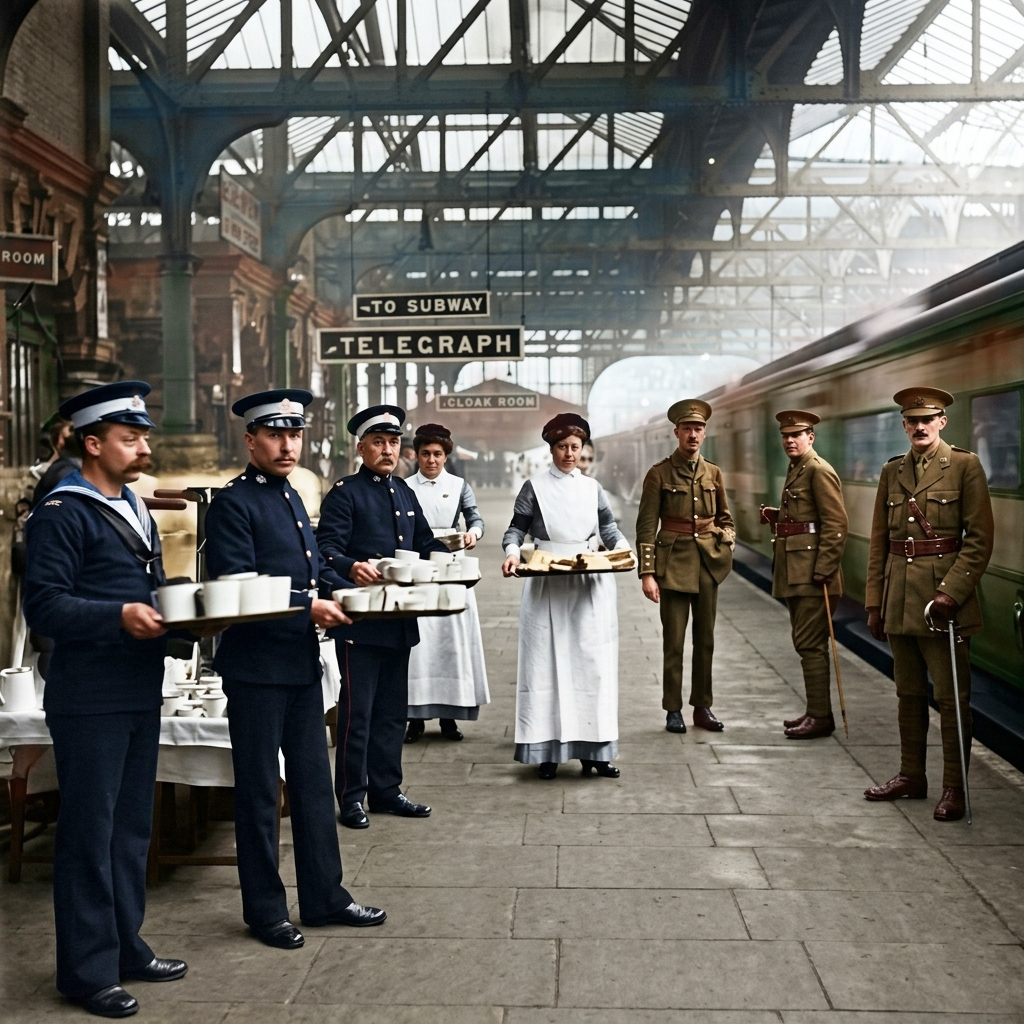
It appears from the photograph that Tolkien’s First World War “ambulance train”, then the common name of the train which carried battle-front soldiers home from the hospital-ships, arrived at Birmingham Snow Hill and not (as might be expected) at New Street station. A little research discovers that the women of the Birmingham Nursing Corp., assisted by men of St. John Ambulance brigade, led… “the rest station at Snow Hill [which] has been organised and developed until it is now acknowledged to be not only the largest, but in all respects the best rest station in the country” (Birmingham Post newspaper, 6th November 1917). They organised the initial reception of the ambulance train at the station. Tolkien’s hospital ship docked at Southampton, and the pre-closure/pre-1950s Snow Hill station appears to have had the required direct ‘Southampton docks to Birmingham Snow Hill’ connection, via Worcester. I see Snow Hill (later re-opened and now a working station again) still sells tickets for the three-hour journey from Birmingham to Southampton.

* And finally, in Greece, “The ‘Guardians of the White Tower’ stage epic Tolkien battle in Thessaloniki city-centre”. Sadly not in costume and on the streets. Rather, it’s an innovative approach to tabletop war-gaming that combines gaming with storytelling…

“more than 1,000 hand-painted miniatures will be deployed across nine themed boards, all custom-built to capture Gondolin’s aesthetic […] The programme will run for approximately five and a half hours and […] follow Tolkien’s narrative arc. This approach aims to offer a complete visual and strategic experience, combining storytelling with tactical gameplay [to re-enact The Fall of Goldonin]”.

40 years since the Stoke-on-Trent National Garden Festival 1986

This week marks the 40th anniversary of the opening of the Stoke-on-Trent National Garden Festival 1986. The event was opened by the Queen and was open to the public for six months on a transformed site that is now Festival Park, Stoke-on-Trent. Its associated improvement works also stretched south along the Trent & Mersey canal through Etruria, and north through Grange Park and Rogerson’s Meadow and to within a stone’s throw of the gates of Burslem churchyard. Despite that summer’s atrocious weather, which saw near-constant rain and high winds, the festival was a visitor success and also a huge environmental success. It showed the world that even one of Europe’s most scarred and polluted heavy-industrial sites could be scoured, cleansed and restored. Rapidly, imaginatively, and at relatively little cost. The Festival’s wet weather may well have helped the long-term ‘bed in’ of the new tentative new environment, which had (in some cases, as in an imported peat-bog that was otherwise destined for destruction) been quite literally ‘laid over’ the old industrial landscape. The site, in May of 2026, now amply rewards the efforts of those who worked on restoring it all those decades ago. Both in terms of the richly maturing garden landscape and the wealth of jobs.

BBC Radio Stoke has the new short radio documentary “The Story of Stoke-on-Trent 1986”, apparently “available now” but I see no download button. Possibly it’s only available via the BBC’s player.

Several books give the story of the site’s reclamation and the Festival itself, including Etruria: Jaspers, Joists and Jillivers: The History of the 1986 Garden Festival Site Stoke-on-Trent (2002), and in brief in the official Festival handbook (1986). There’s also the Sculpture at Stoke – 1986 Garden Festival booklet and catalogue which is online as a rough scan at the Internet Archive, as well as Up The Garden Path which was a Dungeons & Dragons RPG adventure set at the site.

The Staffordshire Film Archive also has a DVD documentary, which appears to be still available.

Tolkien Gleanings #407

Tolkien Gleanings #407

* The Oxford C.S.Lewis Society has posted its list of April-June 2026 events. Talks include…

    — J.R.R. Tolkien and the Patriotism of G.K. Chesterton: Little England, The Shire, and Notting Hill.
    — Biography of C.S. Lewis’s Library: The Kilns’ Years.

* Tolkien: Medieval and Modern muses on “Tolkien’s Metaphysics”.

* The Tolkien Pop! podcast has a new long interview with Dr. Luke Shelton, editor of Mallorn and author of a recent thesis on the reception of The Lord of the Rings among young readers.

* Tolkien Oddments tracks down the “Books Dedicated to J.R.R. Tolkien During His Lifetime”. (Substack, but freely available).

* Miriam Ellis reviews Malcolm Guite’s new book Galahad and the Grail (2026).

* The Church Times reviews Fairies: A history (2026).

* The Gondolin Student Project has built Tolkien’s Gondolin in 3D and rendered a view of it using the open-source Blender software.

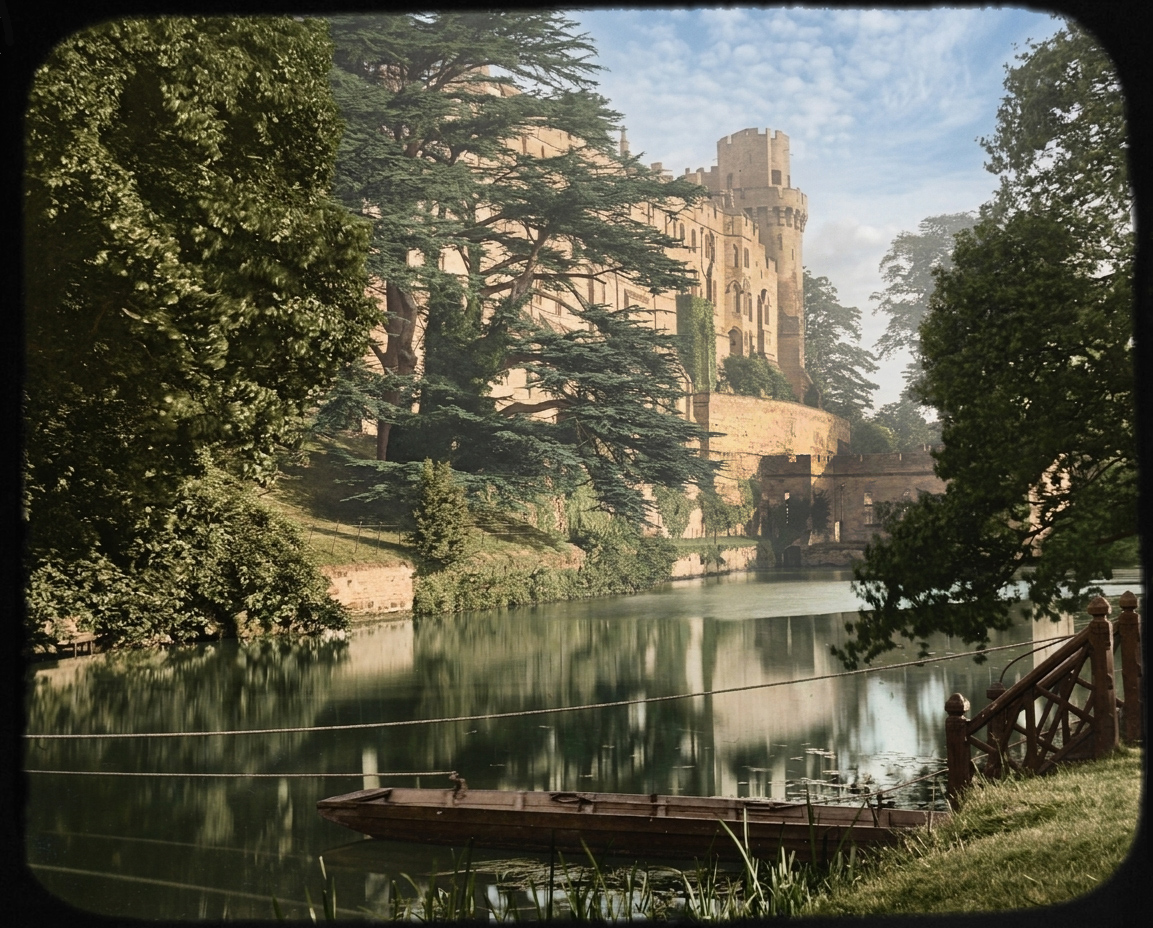
* And finally, via a crisp eBay scan, a restored and colorised ‘magic-lantern’ slide of Warwick Castle from the river.

“June-July 1914: Tolkien spends the early part of his vacation visiting Edith in Warwick. Probably on this visit he draws a view of Warwick Castle seen from under a bridge, apparently made from a punt or boat on the river. He will later date it ‘1913-14?'” — Hammond & Scull, Chronology.

O fading town upon a little hill,
Old memory is waning in thine ancient gates,
The robe gone grey, thine old heart almost still;
The castle only, frowning, ever waits

— Tolkien, from the first version of “Kortirion among the Trees” (1915).

Tolkien Gleanings #406

Tolkien Gleanings #406

* New listings for the May and June 2026 Tolkien Research Seminars at the University of Oxford…

   – Lexical Palimpsests: Old English and Old Norse loan words in Tolkien’s Gnomish Lexicon (1917).
   – Tolkien the Parodist: Revisiting Songs for the Philologists.
   – Tolkien and Sawles Warde.
   – Genealogy of Smaug: Draconic influences on Tolkien.
   – Charting Faerie: Cartography as the threshold of enchantment.
   – The Verbal System of Quenya: Structures, functions, and linguistic models in Tolkien’s linguistic invention.

* Luna Press have picked up the book Las Vacaciones de un Hobbite (2022) for an English translation. In their English edition it will be titled A Hobbit’s Holiday: J.R.R. Tolkien’s Journeys in the Belle Epoque. The book apparently considers the young Tolkien’s various real journeys as formative encounters, made in unfamiliar landscapes such as Switzerland, Scotland, Paris, Brittany, Cornwall etc.

* The Inklings blog notices the 100th Anniversary of the meeting of Tolkien and C.S. Lewis. (Substack, but freely available online).

* The Imaginative Conservative has a new article on “Tolkien, Chesterton, & the Sloth of England”. Freely available online.

* Matej Cadil starts blogging his artistic journey through Tolkien. (Substack, but freely available online).

“So here we set out together: chapter by chapter through The Hobbit. In each post I’ll reflect on Tolkien’s text — its story, themes, connections, and what caught my attention — and then turn to my illustration for that chapter to discuss my choices, influences, and small discoveries that shaped it.”

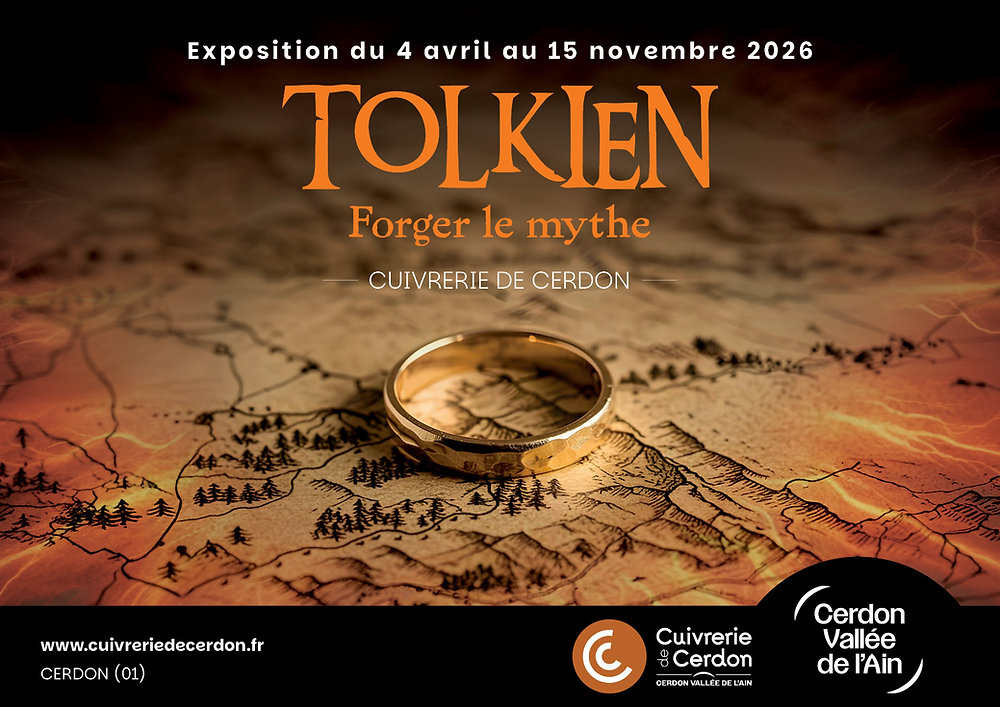
* And finally, in France the La Cuivrerie de Cerdon seems to be a newly restored and reopened large ex-industrial site, now specialising in crafts metalwork training. It’s located about 40 miles east of the city of Lyon in central France. This summer and autumn they have a Tolkien and metalwork exhibition

“a unique exhibition where copperwork meets the imagination of J.R.R. Tolkien. Through the theme of forging, discover the fascinating links between Middle-earth and our industrial heritage. La Cuivrerie de Cerdon opens the doors to a universe where metal comes to life and speaks of legends.”

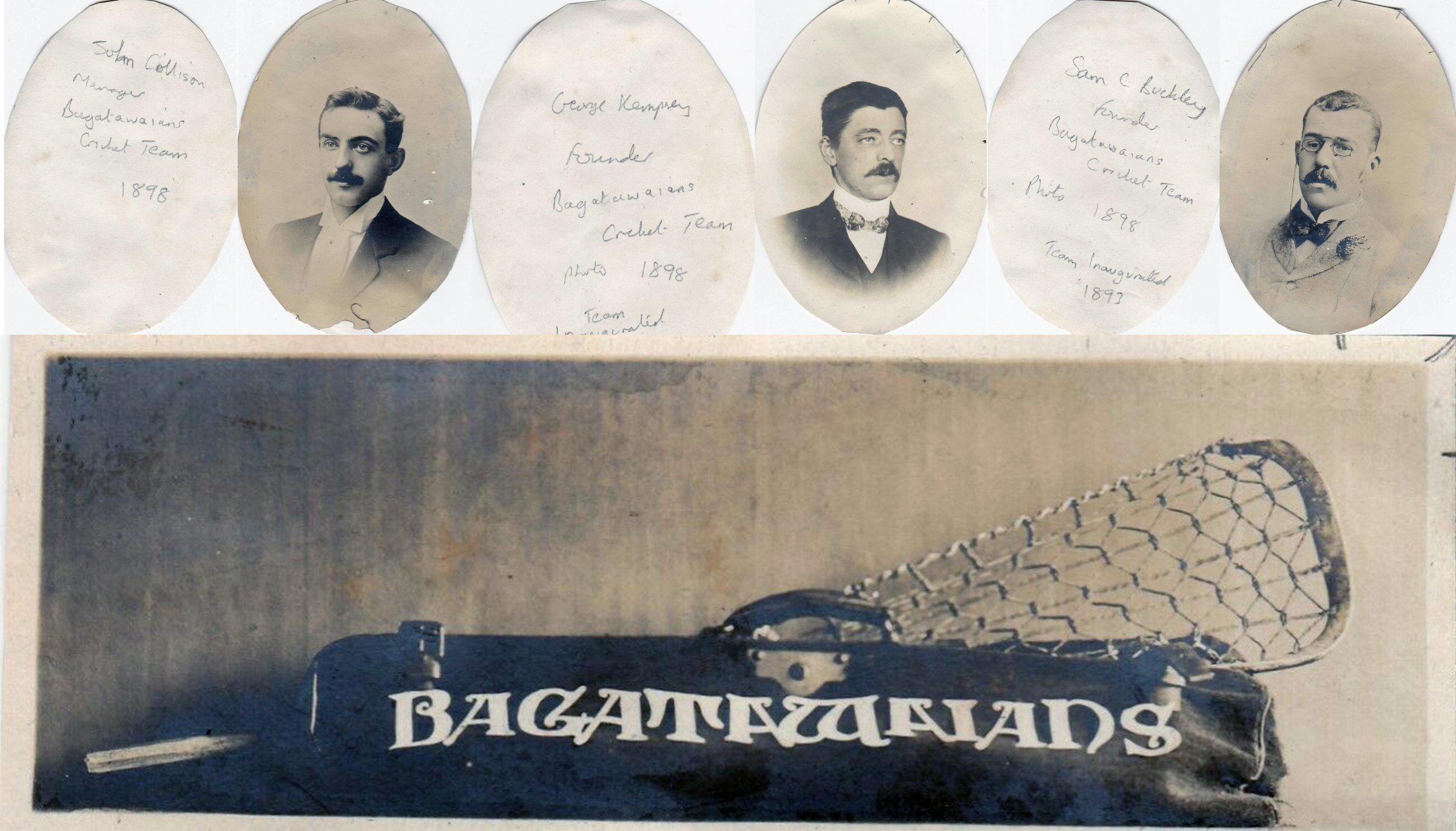
The Bagatawaians

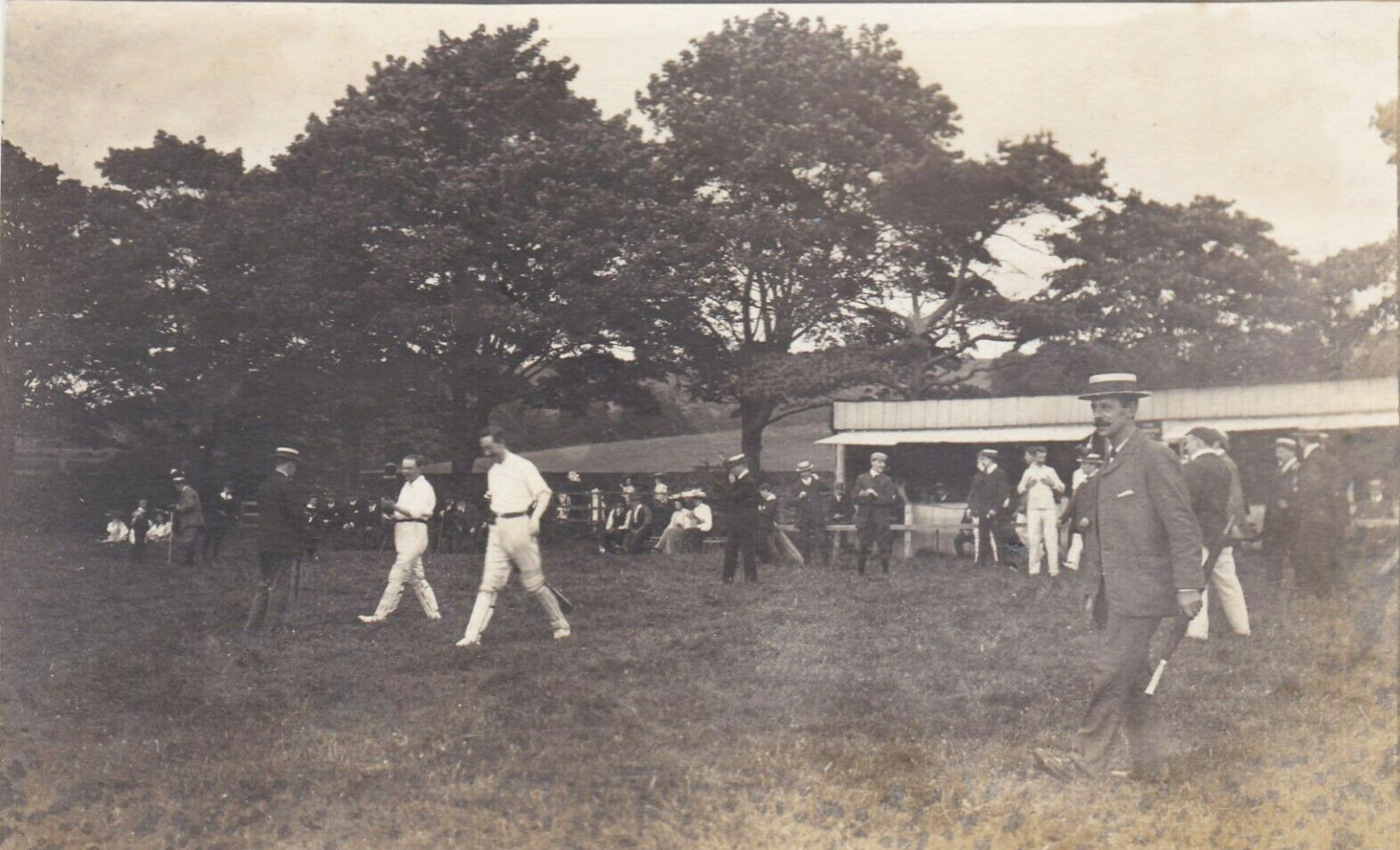
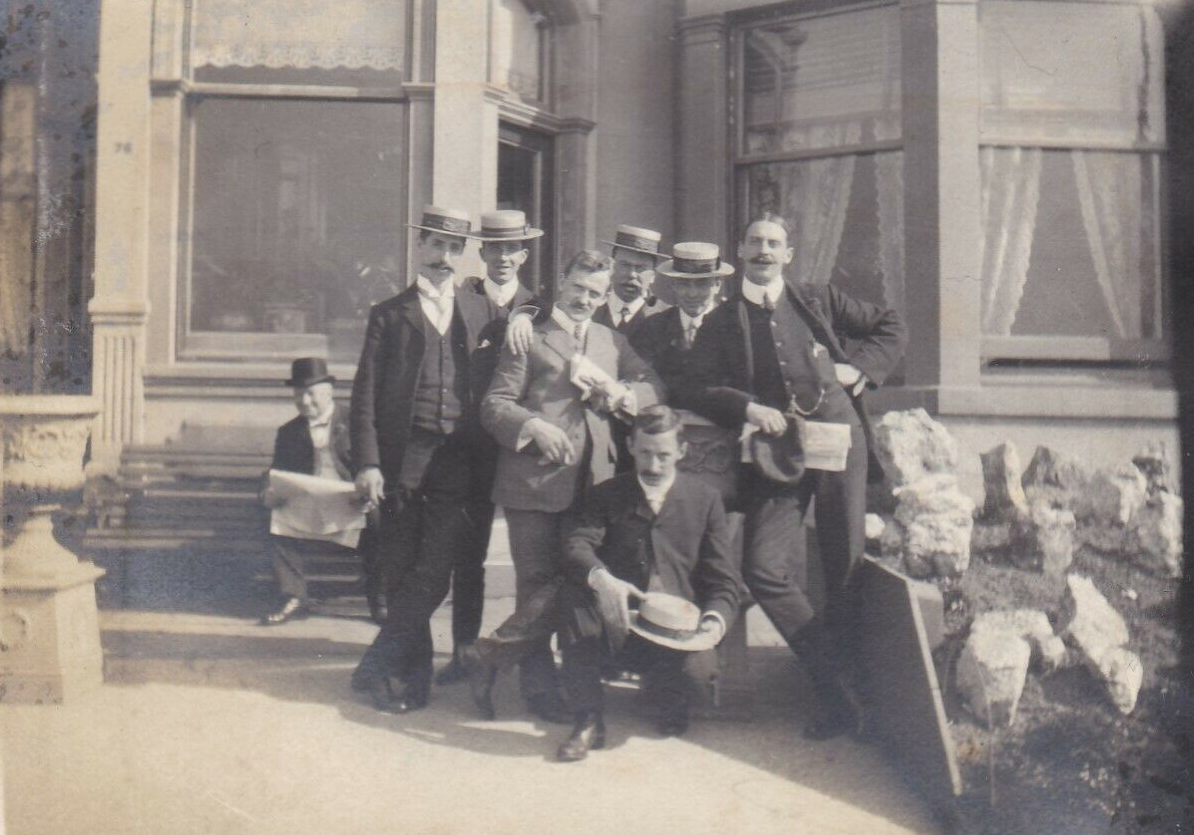
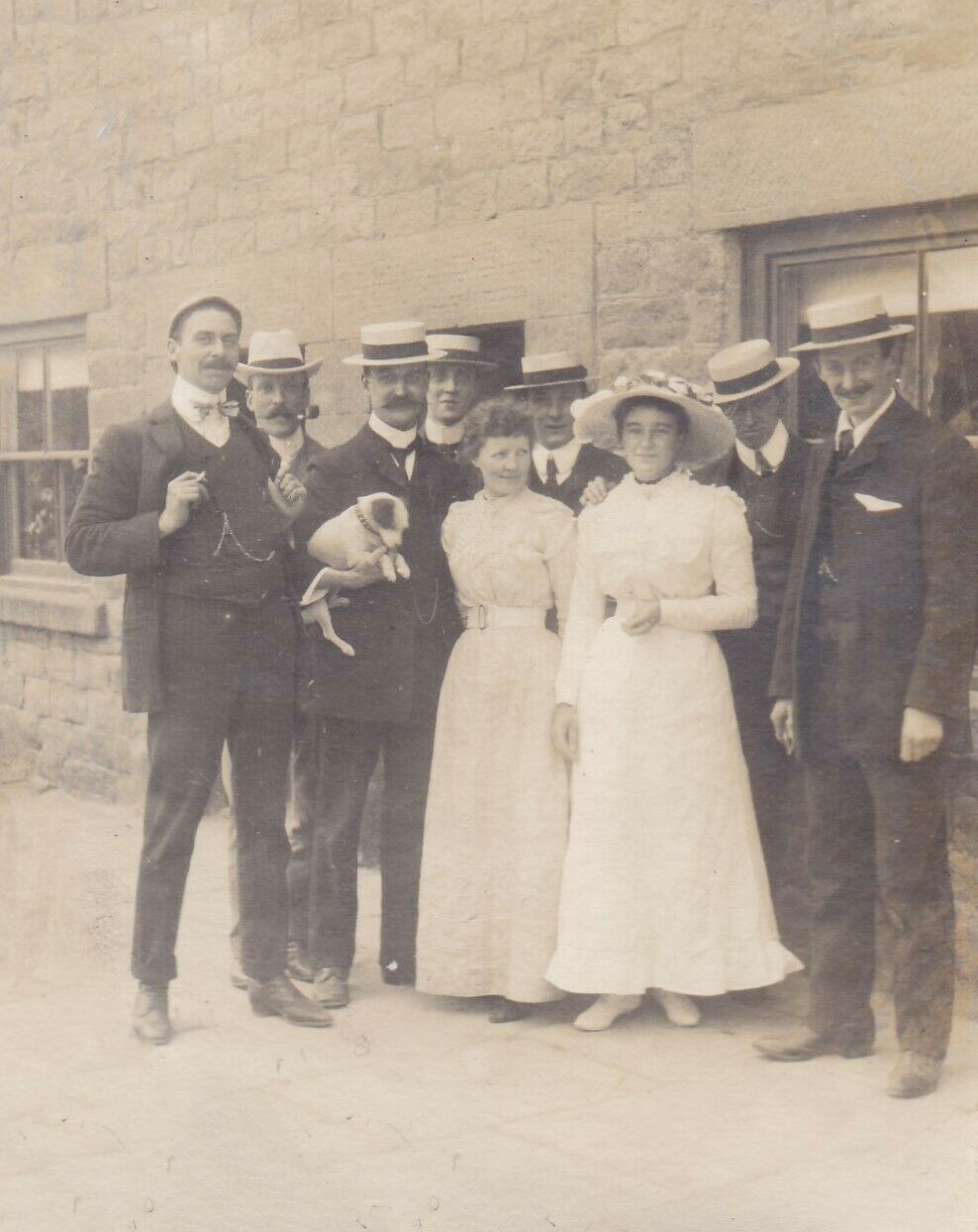
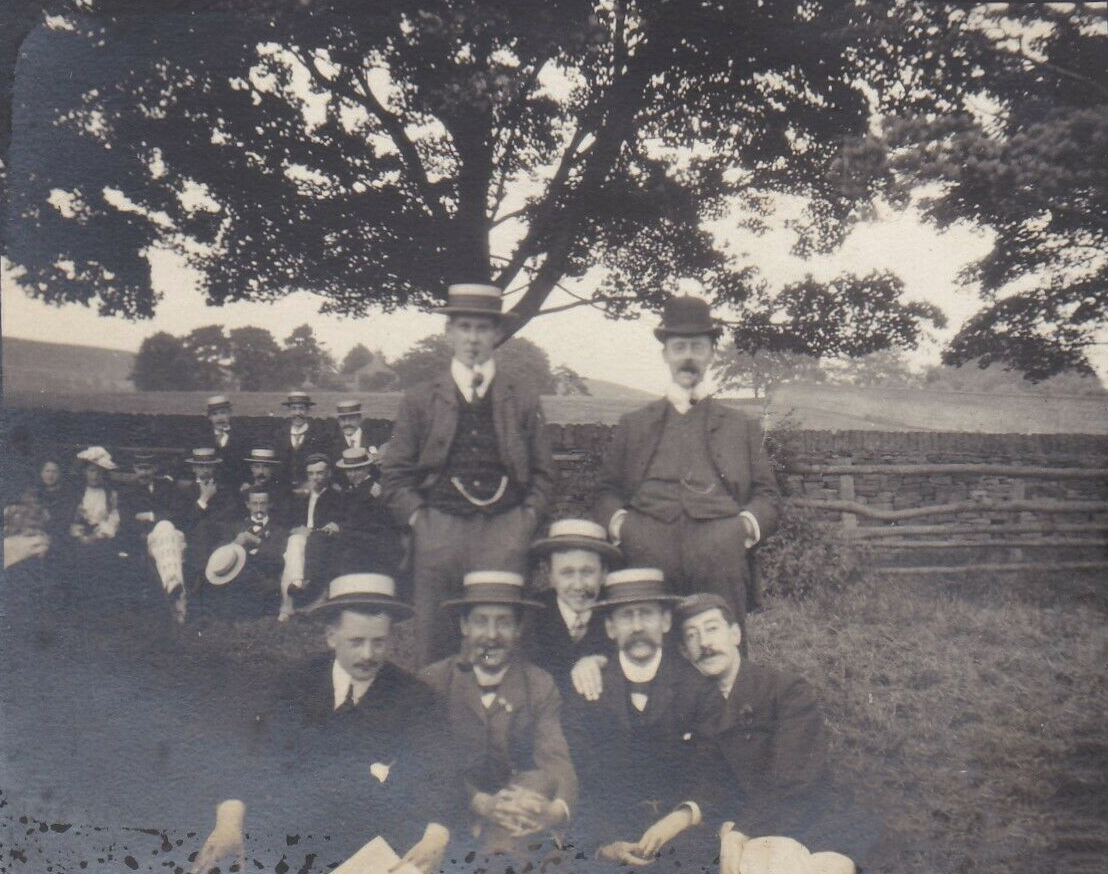
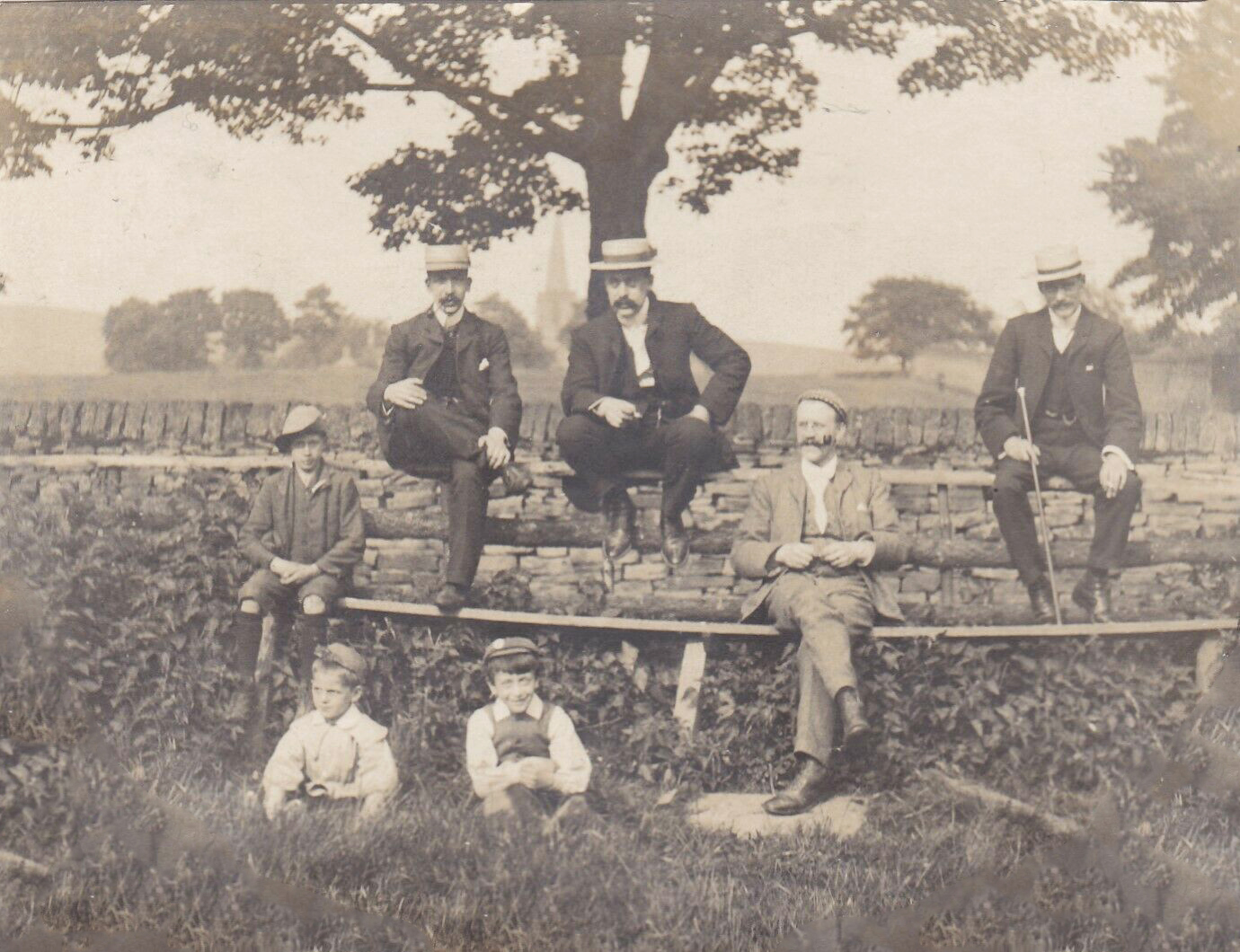
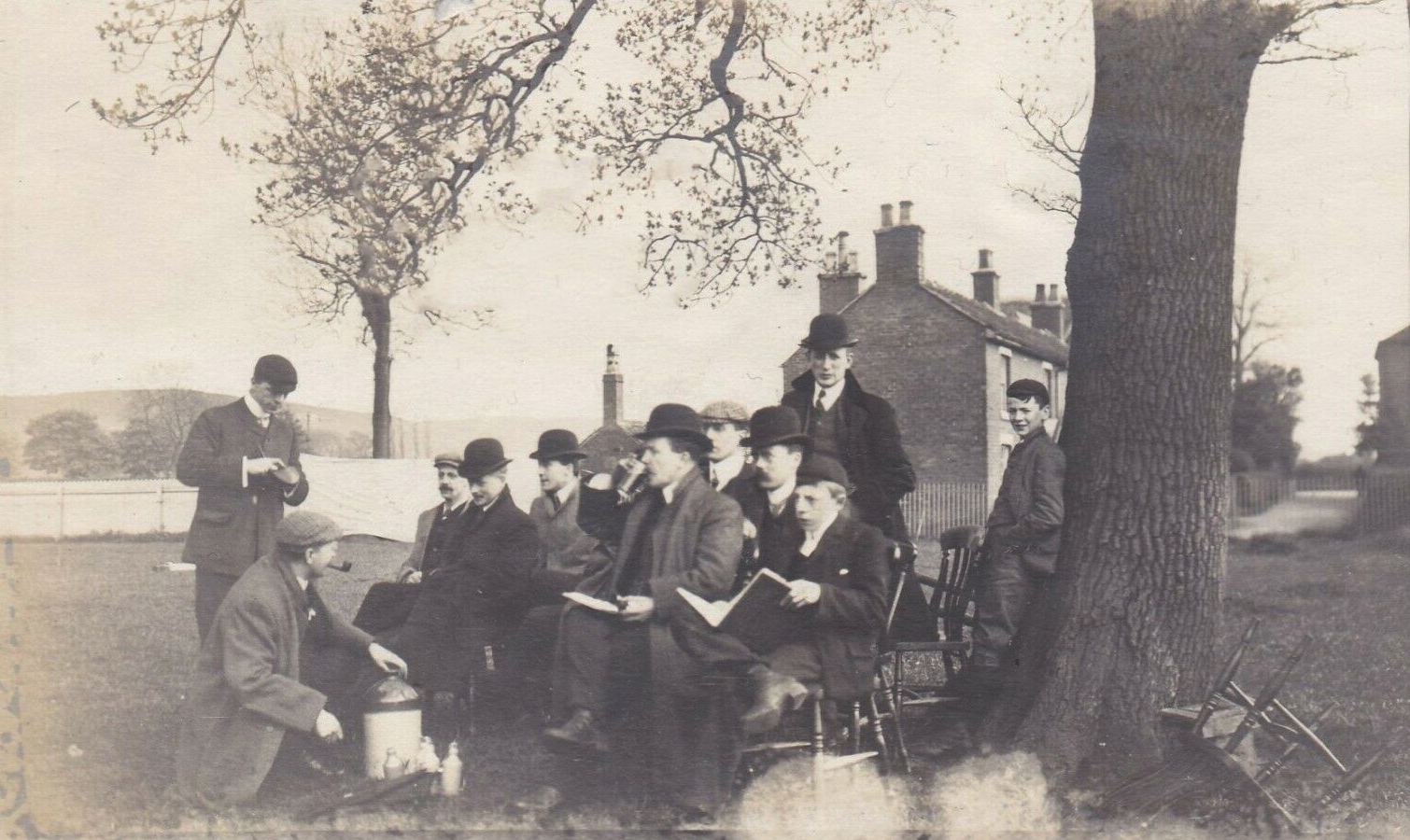
A peep into the long-ago activities of a cricket team known as the Bagatawaians, of which a cache of pictures turned up on eBay in 2020. They were founded in 1893, possibly in Derbyshire. Toured Cheshire (Congleton, Macclesfield?), Derbyshire (High Peak, arriving initially via Alderley Edge station) and Lancashire (Blackpool) between 1893 and 1905. Several of the pictures below are from Hathersage in the Peak in 1905, so possibly they show their final match?

I was going to run them through Nano Banana v2 to ‘restore and colorise’, but with small faces like this it just ruins the facial expressions by ‘normalising’ them towards an average.

My guess would be that the team may have raised money for charity, by enabling local cricket teams to ‘put on a ticketed show’ against a formidable team, perhaps of former county cricketers? Nothing more can be discovered about them online.

Taking the field, Hathersage in the Peak in 1905.

Outside their boarding house, Blackpool, 1904.

Outside a village pub, in the High Peak.

All good fellows. Possibly including non-players along for the trip?

Match spectators, with local lads.

At Congleton. Possibly a mix of local pressmen, cricketing officials, and reporters for specialist cricketing publications?

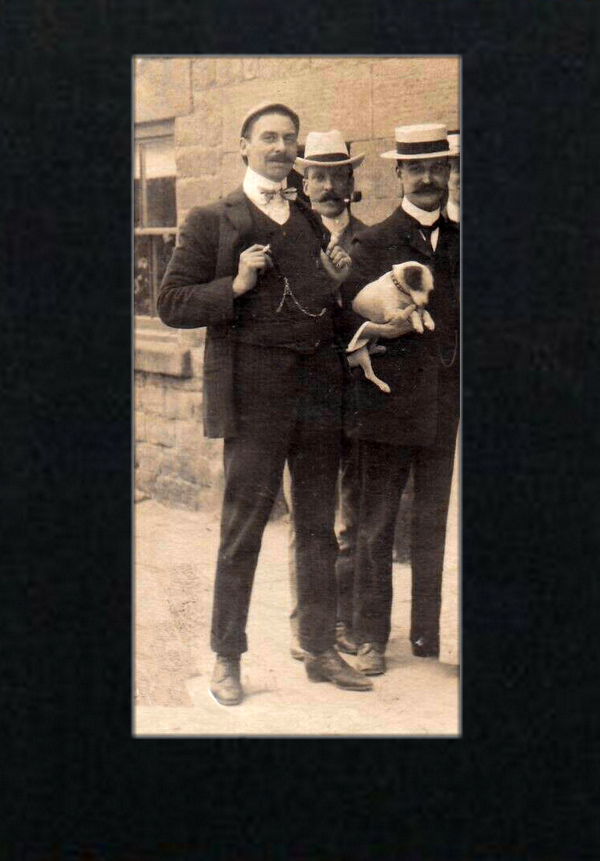
This cropped picture is (unintentionally) the very image of the three main characters in Arnold Bennett’s masterpiece “The Death of Simon Fuge” (1907), set in Burslem. Loring the visitor is at the rear.