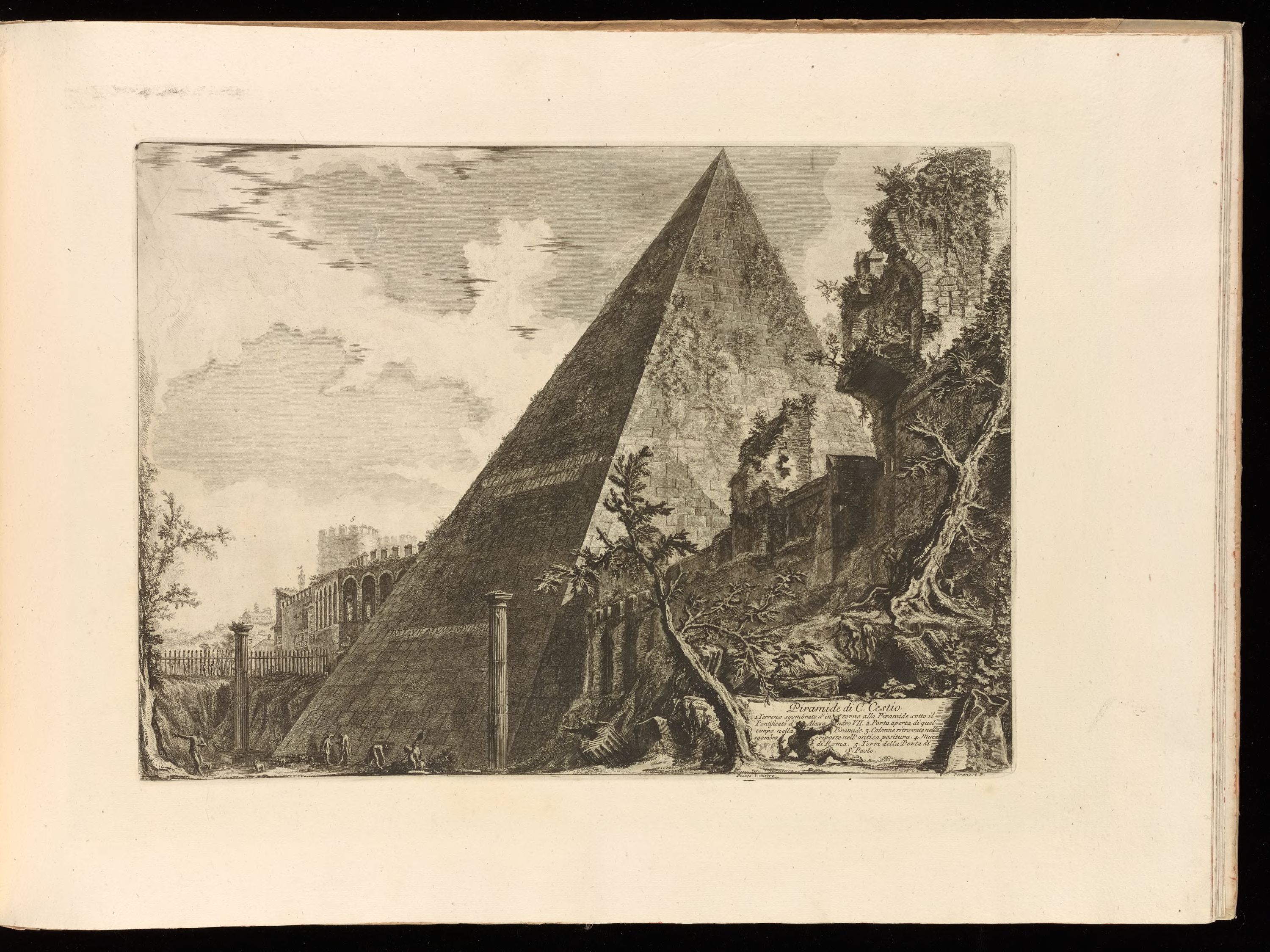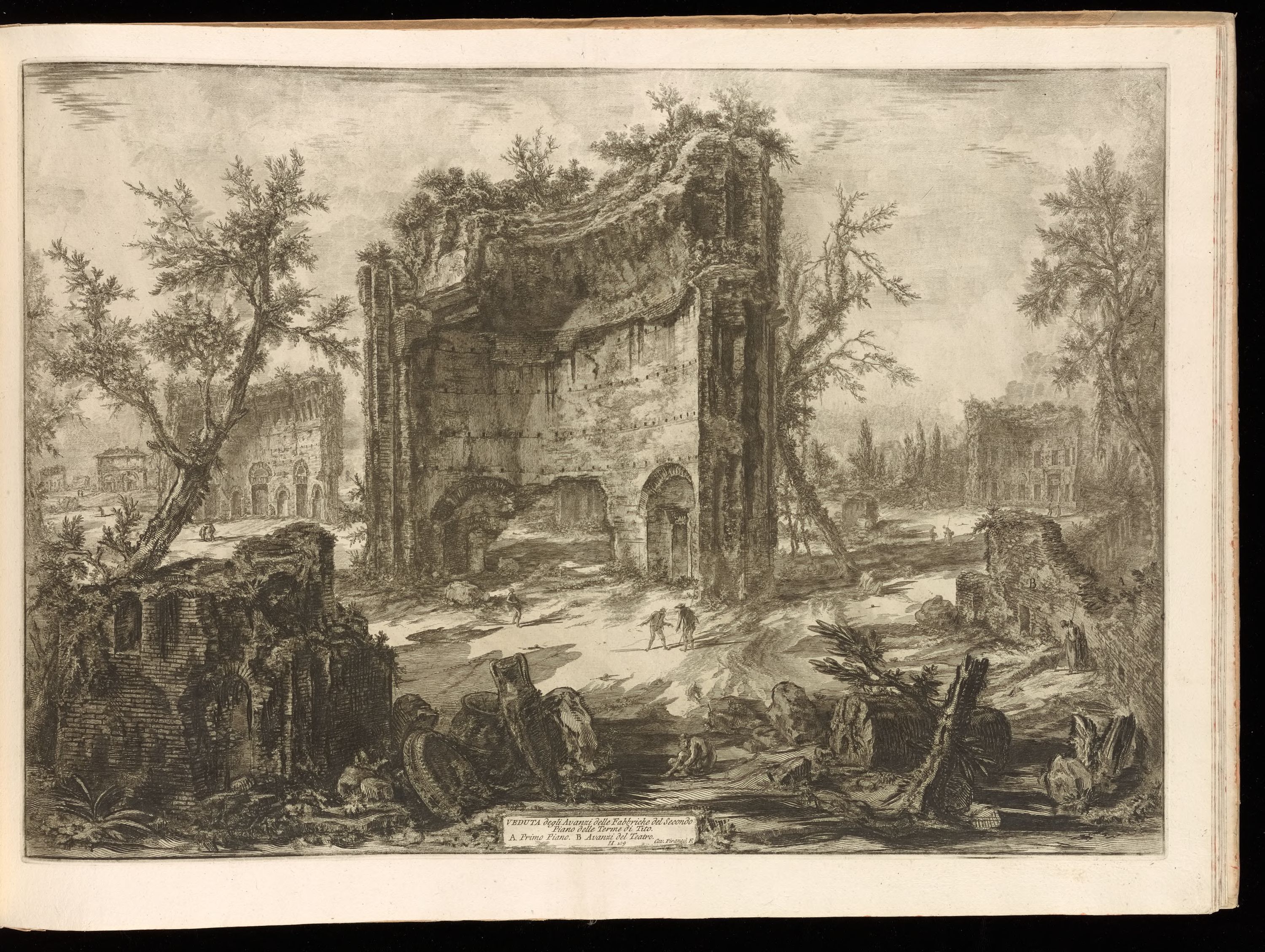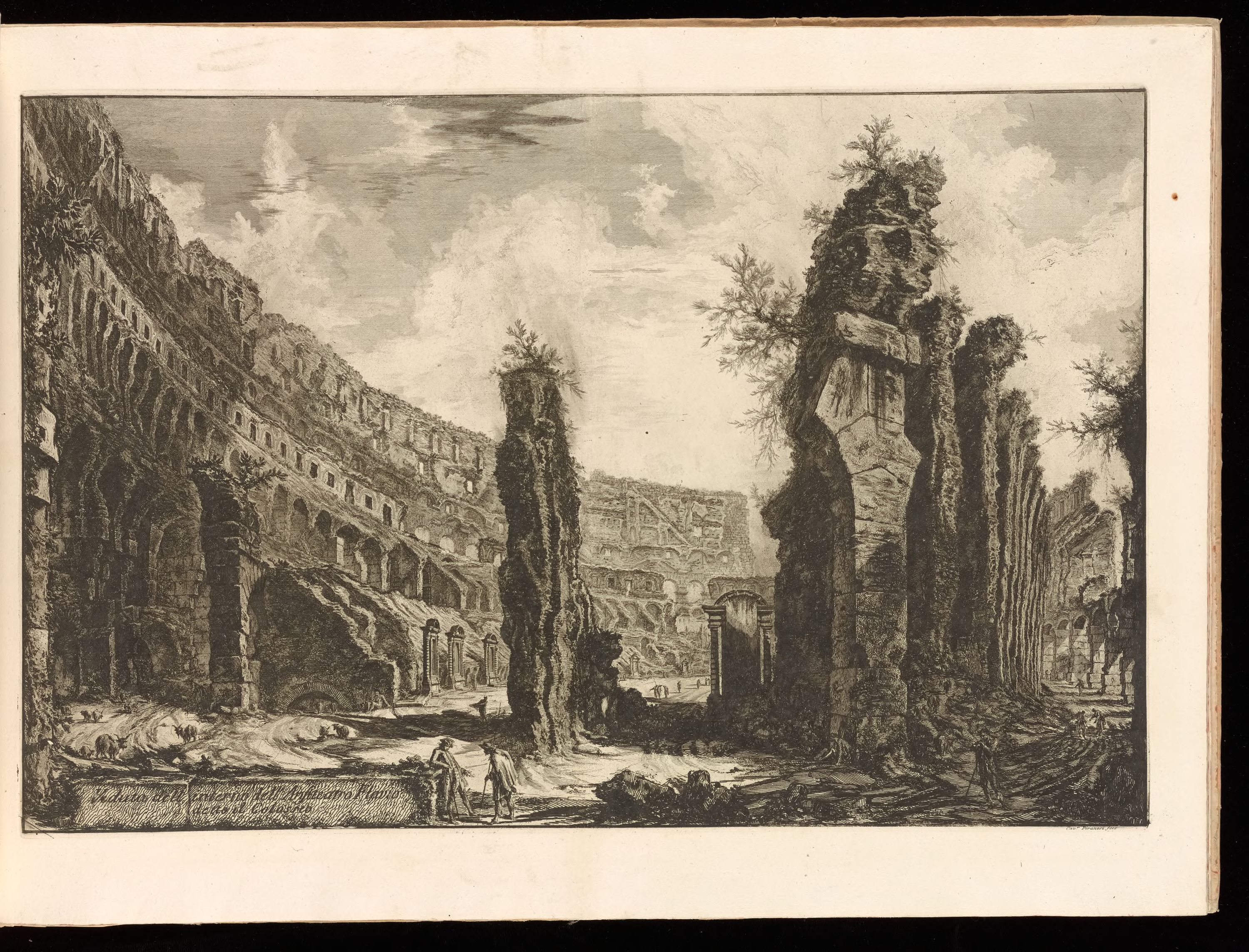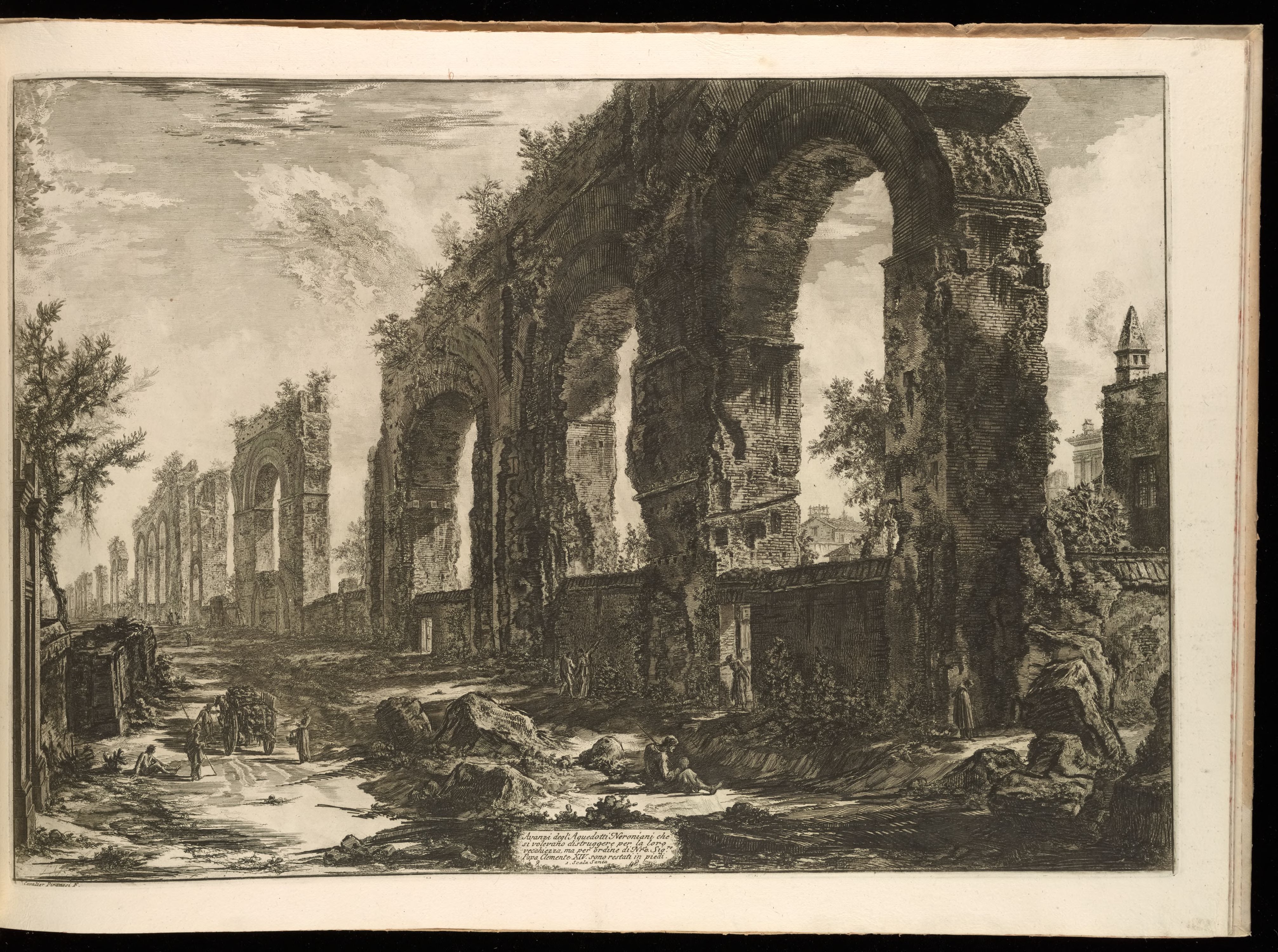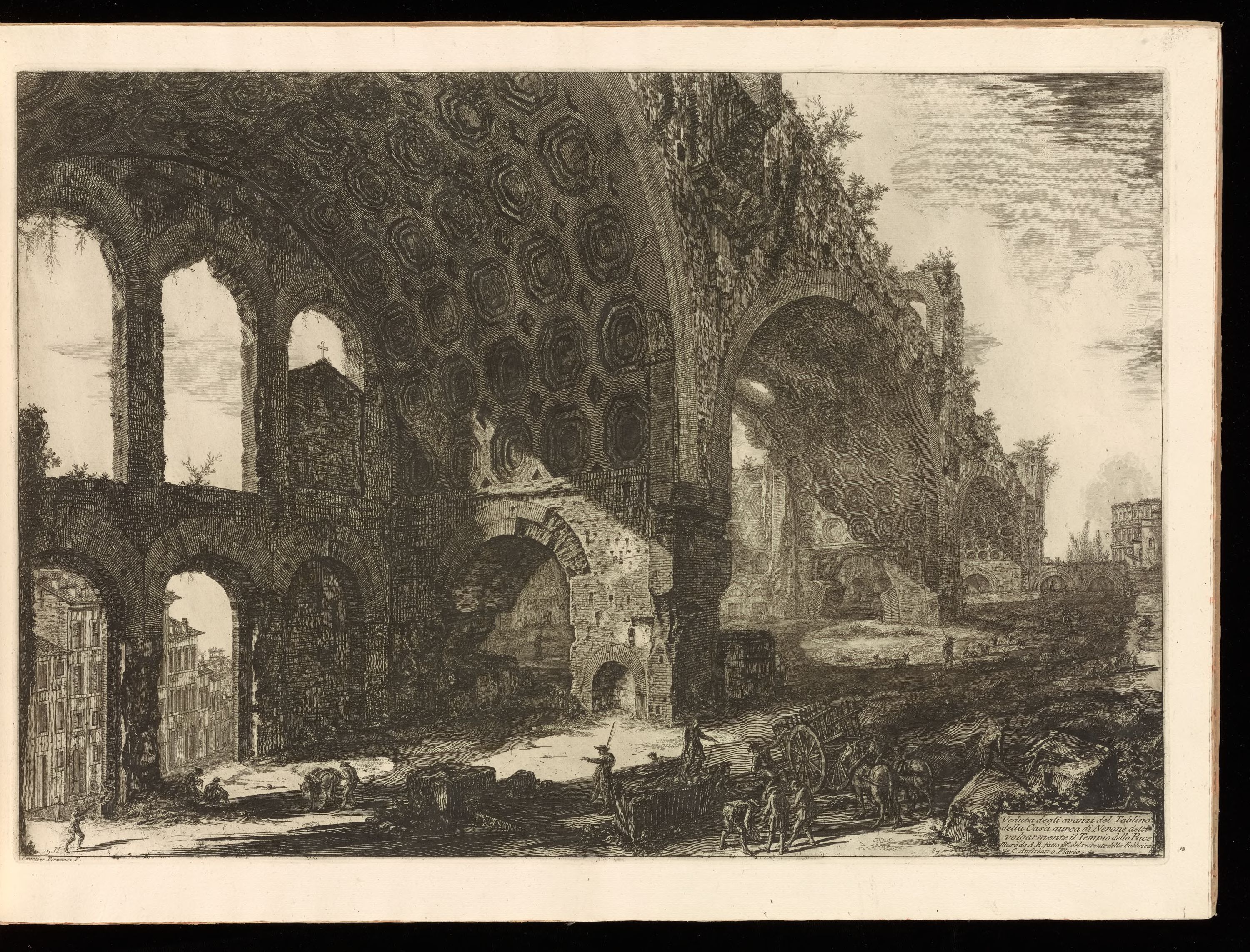
Selected pictures from Piranesi’s Views of Rome (Vedute di Roma), of the ruins of Rome as they were when the place was still a “living in the ruins” city. I’d had it my Amazon wishlist for ages in print form, but now Archive.org has it (search: Piranesi + Roma, not Rome).
Category Archives: Uncategorized
Trolls discovered in Manchester
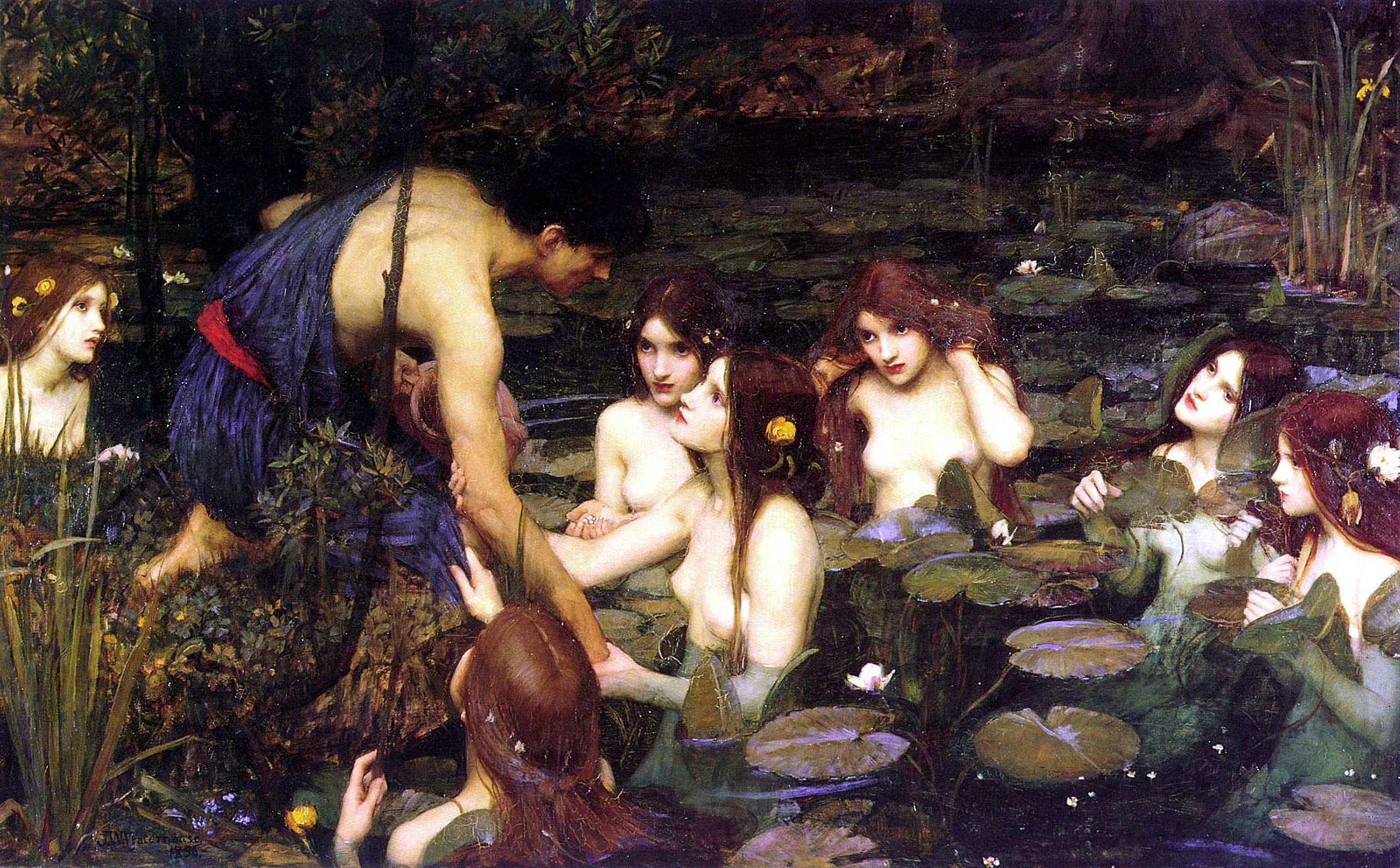
The Manchester Art Gallery‘s Director has removed a well-known Pre-Raphaelite painting “Hylas and the Nymphs” (1896) by J. W. Waterhouse, calling it an “embarrassment”.
This is obviously about the political trolls getting ‘a foot in the door’ and trying to widen the spectrum of ‘acceptable’ political censorship in art galleries. Accept this, and the next removals will be even more serious.
If I know the political far-left then their end-game is pervasive censorship of nudity (to make a ‘safe space’ for various groups), alongside a ‘Year Zero’-style erasure of the mythic past from museums and galleries. The leftist Independent newspaper gives the game away on this, with a headline which asks: “Why are we in such a hurry to erase the past?”. Which implies that the left’s political project is to “erase the past”. But that the left doesn’t want to hurriedly tip its hand too soon, and thus make the public aware of what its long-term aims are.
Thankfully it’s all futile, a powerless power-fantasy of the leftist professional elites who are rapidly losing their status as cultural gatekeepers. So possibly the censorship in Manchester is just about the Director cynically angling for a big pay-off, when she’s sacked for bringing both the gallery and the curatorial profession into disrepute.
“Blind Orion Searching for the Rising Sun”
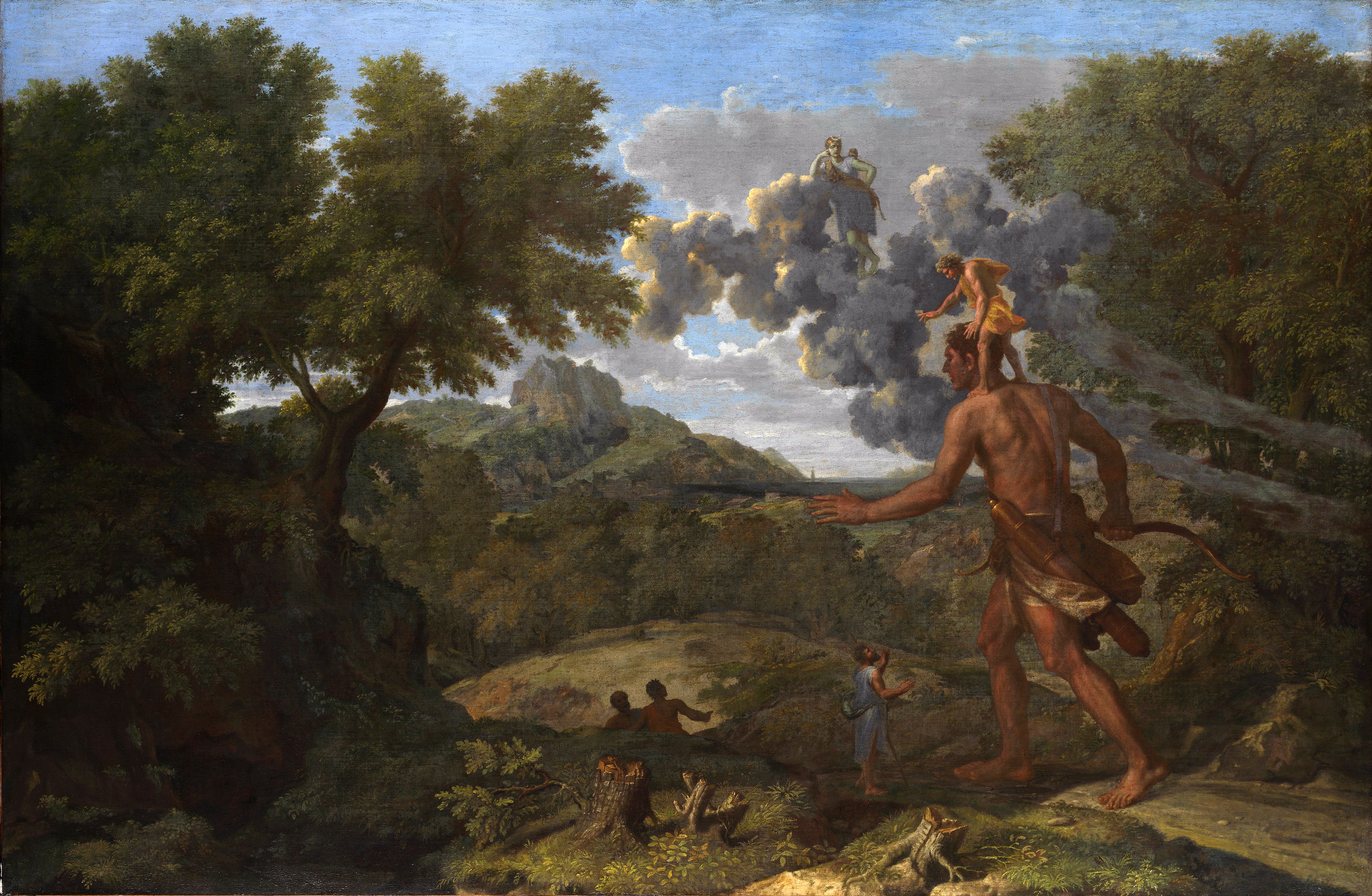
Poussin’s painting “Blind Orion Searching for the Rising Sun” (1658):
The painting draws on the deeply confused1. classical Greek and Roman stories of Orion, with a tilt toward the later Roman versions which emphasise the huntress Diana. Broadly these stories can be boiled down thus:
Before he was a constellation in the night sky, Orion was deemed by stories to be a giant youth and an impulsive hunter. He was an earthly being, but also a primal son of the dynamic Sea and the fertile Earth.
He was blinded due to his youthful lust, but he believed that his sight would be restored if ever he reached the seat of the rising Sun. In this he embodied the typical adolescent conflict between base impulses and lofty aspiration, something typical of humanity as a whole during prehistory.
Seen on Orion’s shoulders is the blacksmith’s assistant Cedalion. In some of the stories the blind Orion was wading (or stepping upon and over) the ocean and he was drawn toward the sound of the ‘source-of-all-fire’ smithy, where he picked up the fire-god’s assistant Cedalion. As shown by his orange robes in the painting, Cedalion is a primal ‘fire-associated’ being. He stands on the shoulders of the giant, and with his far-sight he tries to guide Orion to find the ever-elusive seat of the rising sun. In his guiding role Cedalion symbolises ‘the flame of knowledge’, guiding impulsive and blind humanity through its historical adolescence.2.
In this painting the rising place of the sun is hidden by storm clouds which emanate from the (implied-mystical) woodland of the goddess Diana. The edge of her deep woodland realm is seen in the bottom-right of the picture. Poussin’s picture shows the moment the goddess Diana spies and falls in love with the blind Orion.3. The figure can be identified as Diana because she wears the bow-like crescent moon on her brow and she is equipped with the bow and quiver of a woodland huntress. The green tint on her skin might be meant to indicate that her realm is that of the woodland seen in the right-hand corner, or it could be that the paint has colour-shifted.
The educated viewer of the painting would remember the next part of the general story. Infatuated, Diana will take Orion into the sky to hunt in her perpetual pre-sunrise dawn woodland. From which place he will never reach or see the earthly sunrise. Presumably his hunting skill is so superlative that he can hunt even while blinded, and possibly Diana values him partly because he loves her for herself and not for her visual beauty (which he cannot see). He of course stays too long in the pre-dawn sky. His hubris in chasing the title of ‘the greatest hunter’ leads him to try to hunt everything. Including, fatefully, even an attempt to hunt the sacred doves of the Pleiades. He has clearly outstayed his welcome. This dove-hunting, and Diana’s apparent elevation of an earth-dweller to the heavenly realm, angers the gods. The gods cause Orion to be killed, with either Diana’s own arrow or a scorpion-sting.
But Orion had proven himself to be ‘the greatest hunter’, so the gods then place Orion in the night sky as the famous constellation of stars, where he is forever a hunter facing the constellation of the Bull with the Pelaides flying above its back, while Orion is also being circled by the She-bear (The Great Bear). But Orion is fixed in place among the nightly wheel of the constellations, and by sunrise he has vanished from the sky. Thus he can never again enter the pre-dawn sky to be with Diana/Aurora.
1. The first chapter of Joseph Eddy Fontenrose’s book Orion: The Myth of the Hunter and the Huntress (University of California Press, 1981) makes a valiant attempt at a concise summary and comparison of the tangled mess of stories.
2. This is an inversion of today’s understanding of the common phrase ‘standing on the shoulders of giants’, which arises from a literary culture of transmission. Here the giant is impulsive/blind, and it is the inventive ‘bright spark’ who stands atop him who has the intelligence and far-sight.
One can also suggest that the enduring idea of “the pot of gold at the end of the rainbow” bears comparison with Orion’s quest for the golden sun. Like “the end of the rainbow”, he can never reach the point at which the sun rises.
3. In the painting Diana ‘stands in’ for the rising-dawn pre-sunrise goddess Aurora, who was the protagonist in older versions of the story — in which it was Aurora who took Orion into the pre-dawn sky, and only later does Orion somehow meet Diana while hunting there.
Mothlach
Mothlach was a word in old Irish, meaning “rough, bushy, tangled, scraggy”, with the implication of a type of scrubbily wooded place. With the variant Mothrach being the name for an equivalent woody tangled place if the place were persistently wet and damp, such as an overgrown wet hollow.
In Welsh it took the form of the very similar mwthlach, meaning a tangled and scrubby bit of overgrown ground. Later, and within living memory in the 1900s, it was applied in parts of Wales to a soft person who was a bit of a ‘walking heap’. Presumably with the implication that a few moths or flies might be flitting about them.
The words are mentioned by Sir John Rhys in his Celtic folklore, Welsh and Manx (1901, in two volumes, I and II), and I found the variant Mothrach in an earlier Irish dictionary. There was also the related meaning of murlach from the Isle of Islay, as ‘woman having an ugly head of hair’.
I can’t discover scholars noting a link to the Norse Myrkviðr (Anglicised as Mirkwood by Scott, Powell, William Morris and then picked up by Tolkien), but the meaning is broadly similar if on a much larger scale. Myrkviðr being a “dark boundary-forest” (Tolkien) which is “untracked” (Drout, J.R.R. Tolkien Encyclopedia, p. 430) and thus implicitly defensive in military terms. Drout refers to the deeper…
proto-Indo European roots for *mer– “to flicker,” with derivatives indicating dim states of illumination, and *merg-, “boundary, mark, border”
Interesting. Moths flicker in dim illumination, and recent linguistic scholarship seems to confirm the ‘soul’ cultural connotations…
“certain other small, often winged, creatures are marked as special by the fact that their death, unlike that of “normal” animals, can be described with forms based on the Proto-Indo-European root *mer– (as in Lat. morior), otherwise reserved for humans.” (Anatolisch und Indogermanisch, 2001, Indogermanische Gesellschaft Kolloquium, page 209)
Those “certain other small, often winged, creatures”… again that sounds to me like moths. The ecological habitat of a dark “trackless” wood, windless and “rough, bushy, tangled, scraggy”, would certainly be conducive to abundant moth-life. One wonders if there was an ancient perception that moths were “already-dead things” or linked with human death? I found immediate confirmation of this notion via a quick search…
“folklore describes moths or butterflies — and occasionally, bees — which appear after a person’s death and which hold their escaping soul.” Source: Henderson, George. Survivals in Belief Among the Celts. Glasgow: James MacLeose and Sons, 1911 (in The Encyclopedia of Celtic Mythology and Folklore, 2014).
This reminded me of my recent and similar musing on a local instance in which a ‘lady well’ spirit was referred to with the curious phrase “or else an insect” by a local informant.
This brings me neatly back to Rhys’s authoritative Celtic Folklore, in which I found Mothlach. Elsewhere, on page 612 of volume 2, he notes…
“Cornish tradition applies the term ‘pisky‘ both to the fairies and to moths, believed in Cornwall by many to be departed souls. So in Ireland: a certain reverend gentleman named Joseph Ferguson, writing in 1810 a statistical account of the parish of Ballymoyer, in the county of Armagh, states that one day a girl chasing a butterfly was chid [chided] by her companions, who said to her: ‘That may be the soul of your grandmother.’ This idea, to survive, has modified itself into a belief less objectionably pagan, that a butterfly hovering near a corpse is a sign of its everlasting happiness. … it is also stated that the country people in Yorkshire used to give the name of souls to certain night-flying white moths.”
In which case the dense tangled woods that defensively surrounded hill-forts such as The Wrekin…
“according to him [Caesar] the British idea of a town or fortress was a place with a tangled wood round it, and fortified with a rampart and ditch” (Sir John Rhys, Celtic Britain, page 53)
… might have been understood by the ancient inhabitants to be flickering at night with the souls of their recent ancestors. And these large white moths would have visited for nectar the first wood anemones — wind-stars or windflowers in the Midlands. These beautiful flowers are the first and commonest woodland flowers of the year and are likewise white, since they have no need to attract day-time insects (there are none at that time of year). The wearing of these wood anemone flowers on the lapel or in the hair was recorded by late English folklorists as deeming bad luck, and I wonder of this was originally due to their cultural association with attracting the souls of the dead (in moth form)? In this they would be rather like Tolkien’s grave-associated Simbelmyne white flowers, which likewise grow at the edge of a large hill-fort.
Sadly the excellent word mothlach doesn’t appear to have survived into English, its meaning having been superseded in use by common Norse and French words. Although in meaning “tangled, scraggy” it has a likeness to the disused Old English mothfret, meaning something moth-eaten. To say today that an item of clothing had been found to be “moth-fretted” would still be understood in modern English.
Lastly, if someone wanted a title for an eclectic magazine or academic journal then Mothlach might serve.
Arthur Machen, weaver of fantasy
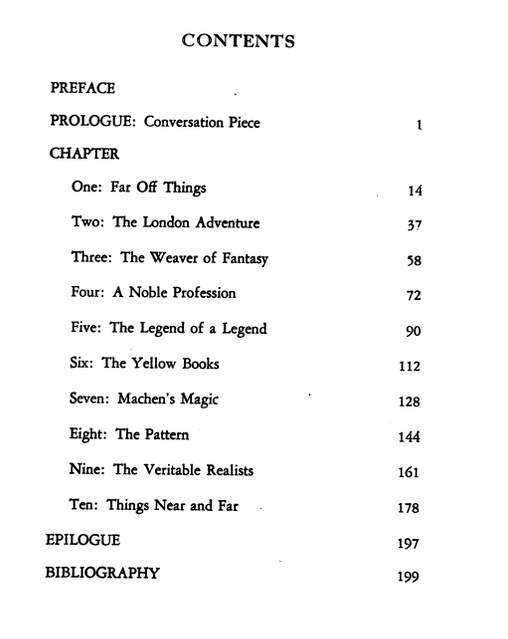
New on Hathi, in public full-text: the book Arthur Machen, weaver of fantasy (1949).
Mary Flynn in Stoke
“Farewell to Faha’s Friend”, the orthopaedic nurse Mary Flynn…
“Last week the small community of Faha outside Kilmacthomas [County Waterford, Ireland] mourned the death of one of its oldest and longest residents.
[When young] Mary and [her sister] Philomena found it difficult to get [nursing] work experience at home [in Co. Waterford, deep in rural Ireland]. Undeterred, they decided to travel to England to seek work, heading for Stoke-on-Trent where their aunt worked as a radiographer and a ward sister in City General Hospital. Mary had embarked on the daunting journey firstly, followed shortly afterwards by Philomena.
With little money and no modern telecommunications, they travelled to Dún Laoghaire to catch a ferry to Holyhead [in north Wales], a train to Crewe, and another train to Stoke-on-Trent. Travelling outside Waterford for the first time, Mary and Philomena faced many challenges but recounted their time in England with fond memories. Mary spoke of nursing the late English soccer international Sir Stanley Matthews, widely regarded as one of the greatest ever players of the game in Britain.”
Saga Book of the Viking Club
PDFs for the Saga Book of the Viking Club, 1895-2015, and associated publications. Public, OCR-d and searchable.
Map of the Arthurian Regions, 1910
Bartholemew’s 1910 map of the Arthurian Regions. Public Domain.
Interesting, but now seems a bit wayward in places. Chester as Caerleon? Some places, such as Wolverhampton, are presumably there only for orientation. The location of Sir Gawain and the Green Knight, the Staffordshire Moorlands, was only discovered by scholars many decades later.
Britannia
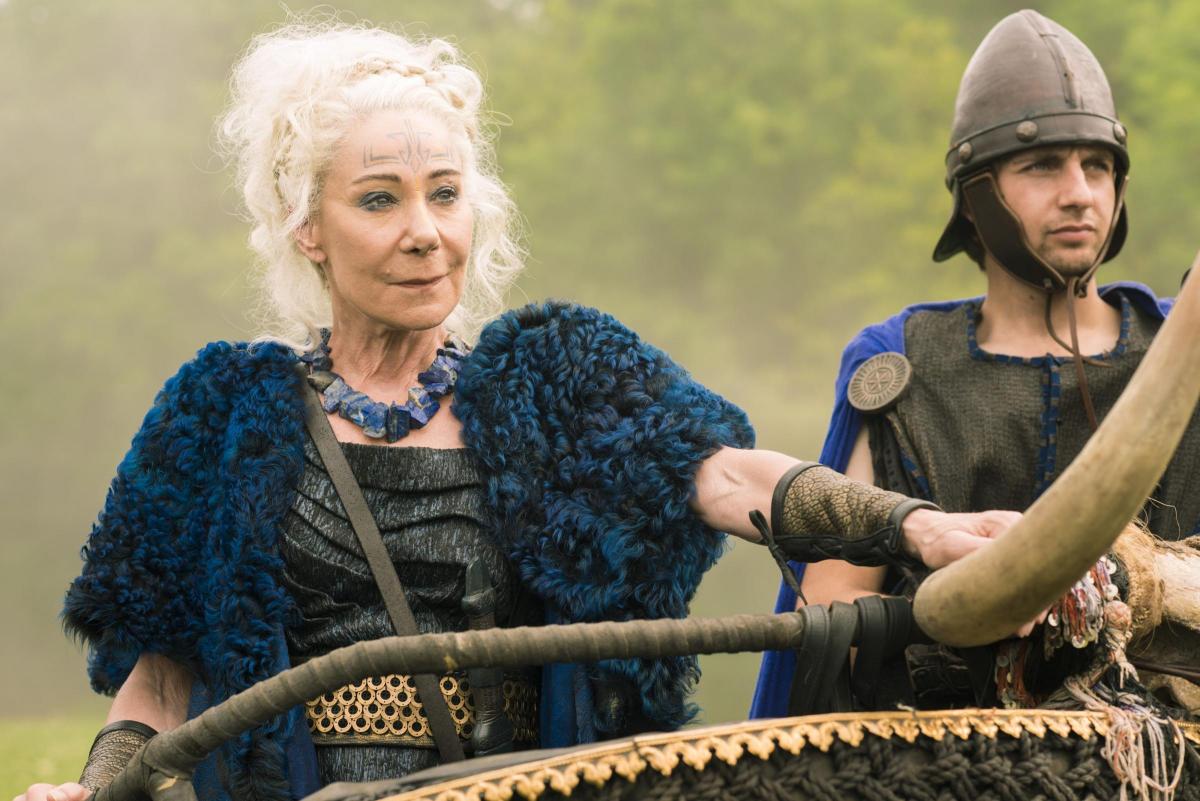
I’m usually very sceptical of me-too Game of Thrones knock-offs, but the new Britannia series (starting tomorrow night) intrigues. Sky Atlantic’s new series is about the Roman conquest of Britain. It’s from a very good writer and team, which is encouraging, but sadly the rival BBC’s Radio Times reports today that…
“there’s a decidedly contemporary feel to the drama”
Oh well. I guess the actors weren’t up to quite that much period acting, consistently and across the entire cast. That’s an understandable approach in terms of cohering a sprawling historical epic, I suppose.
The costumes and make-up and props do look fabulous. Lots of mud n’ blood, apparently, of course. No fantasy dragons, but fantastical special effects are said to come from the psychedelic mushroom-chomping of the two local tribes. It’ll be interesting to see how deeply the series explores and visualises the animistic and land-magic angles.
Sadly the quotas and subsidies mean that its nine parts (some sources say ten) had to be filmed in the Czech Republic, with only small bits filmed in Wales. But hopefully it’ll stimulate more public awareness of the Iron Age in the British Isles. The tribes in the first series are the Cantii (Kent) and the Regni (roughly Sussex and Surrey). So they’re actually fairly civilised continental tribes of the Gaulish type (from where modern Belgium is, roughly), who had crossed over and occupied that part of our south coast about 170 years before the Romans arrived, and who had thus displaced the native British (the latest genetic testing suggests, up toward what is now London and over toward Devon/Cornwall).
So the Romans in the series are first encountering Gaulish Belgic recent-incomer tribes, relatively civilised tribes of the sort they’ve already become very familiar with on the continent. As Julius Caesar had noted of the tribes some ten years earlier, from his first-hand experience…
“those that inhabit the lands of the Cantii [Kent] are the most civilized and it is a wholly maritime region. These Cantii differ but little from the [continental] Gauls in habits of life. But [by contrast,] many of the inland Britons do not grow corn. They live on milk and flesh and are clothed in skins. All the Britons stain their persons with a dye that produces a blue colour. This gives them a more terrible aspect in battle.”
So how historically correct Britannia will be remains to be seen. Will the wild indigenous Britons be lurking mysteriously in the background, or will the “most civilized” Gaulish Cantii and the Regni be given wilder British aspects for dramatic purposes?
Katherine Thomson (1797–1862)
I’ve found another Stoke writer. Katherine Thomson (1797–1862) was the seventh daughter of Thomas Byerley of Etruria. She compiled many ‘memoir biographies’, and wrote a string of historical novels. Here is The Chevalier : A Romance of the Rebellion of 1745 (1844), with a description of Hartshill…
“It was more than two days’ journey before the famous hill, called Mow Corp, at the foot of which lies Congleton, rose, darkened by the bilberry wires which dotted its sides, before the view of the travellers. They had journeyed along through what is now a defaced, and revolting country [the Jacobites had reached Macclesfield, but the town did not welcome the invading Jacobites and was murderously hostile]; amid hills, now obscured by volumes of the darkest smoke [a sign of pillaging Jacobites, seizing supplies], and vales … [They arrive at the industrialising Potteries, which in 1745 was pre-Wedgwood] standing on the ridge of the valley of Stoke, you may see countless chimneys vieing in height … The Trent [below was] narrow in this part of its course, where it has but lately quitted its source, wound through fertile fields, and beneath, at this point, a gentle rise, upon which, not many weeks since, wavy corn had been growing attracted the eye. A windmill stood on this fair bank, bearing the name of Harts-hill, just by a group of dark pines which rose against the blue sky. … Only a few days ago, the Trent had reflected that blue sky, that grove of pines, and the withies that grew on its bank. It was now fringed with a row of tents; the vale was speckled over with the [English army] camp, and its appurtenances. Horses were fording the shallow Trent; women were washing linen low down in the [Fowlea] stream; pennons [i.e.: war pennants] were waving in the breeze; the miller at Hartshill was weighing out his corn to the ravenous tyrants of the [English army] commissariat; beasts were penned in folds, in the grassy fields. The inconveniences of war were manifest … ”
The windmill was later the site of Holy Trinity church at Hartshill.
Thompson followed this two years later with a three-volume Memoirs of the Jacobites of 1715 and 1745, outlining from first-hand accounts the local manoeuvring of the armies…
The Duke therefore assumed the command of an army ten thousand strong [to prevent the Jacobites reaching Lichfield, and thus the road to London.] The Duke of Cumberland was by no means so ignorant of the force which he was now destined to attack [as he] had become acquainted with the peculiar mode of fighting practised by the Highlanders …
At Macclesfield, Prince Charles gained the intelligence that the Duke of Cumberland … was quartered at Lichfield, Coventry, Stafford, and Newcastle-under-Line.
The Prince then resolved to go direct to Derby; and it was to conceal his design, and to induce the Duke to collect his whole army at Lichfield, that [his man] Lord George Murray marched with a division of the army to Congleton, which was the road to Lichfield. Congleton, being on the borders of Staffordshire, was sufficiently near Newcastle-under-Line for Lord George to send General Ker to that place to gain intelligence of the enemy. General Ker advanced to a village about three miles from Newcastle [which would suggest Burslem?], and very nearly surprised a body of dragoons, who had only time to make off. … [Cumberland then decided to try to force a battle, meeting the invading Jacobites just outside Stone rather than Lichfield, but the battle there never materialised].
Upon the third of December, Lord George Murray with his division of the [Jacobite] army marched by Leek to Ashbourn; and the Prince, with the rest of the [Jacobite] forces, came from Macclesfield to Leek, where, considering the distance of the two columns of his army, and the neighbourhood of the enemy, he naturally considered his situation as somewhat precarious. It was possible for the enemy, by a night-march, to get betwixt the two columns; and, contemplating this danger, the Prince set out at midnight to Ashbourn, where it was conceived that the forces should proceed in one body towards Derby. “Thus,” remarks a modern historian, “two armies in succession had been eluded by the Highlanders; that of Wade at Newcastle, in consequence of the weather or the old Marshal’s inactivity, and that of Cumberland” … The young Prince [and] this gallant but trifling force was enabled to return to Scotland … scarcely ever was there a handful of valiant men placed in a situation of more imminent peril.
The John Murray Prize
John Murray has a new £20,000 prize for non-fiction. The John Murray Prize is only open to “previously unpublished authors”, and the topic of the required essay is “Origin”.
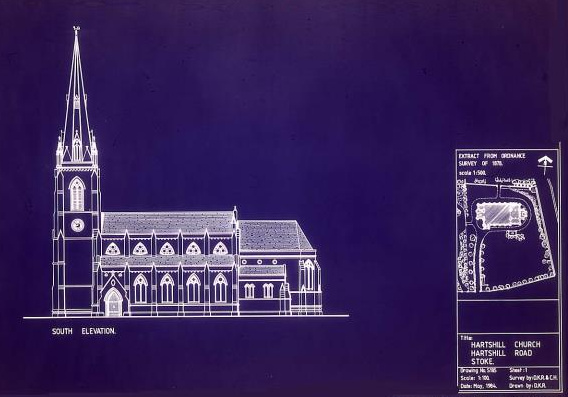
Holy Trinity church, Hartshill, Stoke-on-Trent
I happened to encounter the page on Holy Trinity Church, Hartshill, published by our local Council. Its description foregrounds an axe murder, of all things…
“Visit this magnificent church and listen to the gory tale of ‘Murder Most Foul’ – the story of an 1845 axe murder victim.”
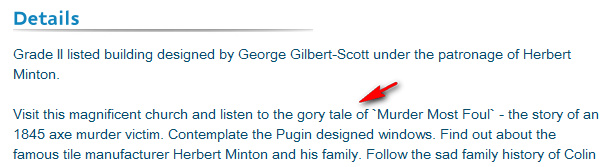
Very cheerful. But perhaps it’s a relic from the Council’s immiserated socialist years, now in the past.
Here is Nikolaus Pevsner on the church, in his masterly survey Staffordshire (1974)…
“HOLY TRINITY, Hartshill Road. Built at the expense of Herbert Minton to the design of George Gilbert Scott in 1842, i.e. an early work. And, thanks to Minton’s attitude, also a large work. It is entirely Camdenian, or rather Puginian, i.e. it appears with the claim to be genuine Middle Pointed. w steeple, windows with geometrical tracery. The chancel incidentally was given its apsidal end only about the 1860s or 1870s. The date of the plaster ribvault is not recorded. It obviously cannot be Scott’s. It need hardly be said that glazed Minton tiles are copiously used inside, especially for the dado zone. Scott also did the SCHOOL behind and the PARSONAGE to the west, and again Herbert Minton paid. The school is quite large and an interesting design. The parsonage has been totally altered. Again built with Minton money is the long and varied group of Gothic brick houses with black brick diapering more or less opposite the church. They must be of before 1858.”
The Ecclesiastical Gazette of 1843 noted approvingly that…
“The form and arrangement of Hartshill church are those of the ancient English parish churches : a chancel of good proportions, a nave, aisles, south porch, and western tower, with spire.”
Historic England’s record page for the church adds a little more. Saying of the “apsidal end” that had been noted by Pevsner, that …
“The chancel was added in memory of Herbert by his nephew Minton Campbell. Notable pew ends carved by apprentices and stained glass windows depicting Biblical stories.”
The survey report Minton Tiles in the Churches of Staffordshire (2000) has a short summary account of the tiles of the interior. There was apparently a severe fire inside the church in 1872, which occasioned new work. There are also more details in the 1992 150th anniversary booklet. The fire means the tilework is mostly 1870s, apart from the nave pavements. Fish tiles added at that time, referencing the ancient Christian symbolism of the fish, were made by the Campbell Brick & Tile Co. I’ve discovered that this early symbolism must echo the original ethos of the original design work. For instance, The Ecclesiastical Gazette of 1843 noted the original chancel ceiling was… “divided by wooden moulding into panels, which are filled by tiles of a rich blue, studded with stars of gold, in imitation of the ceilings of some early churches.”
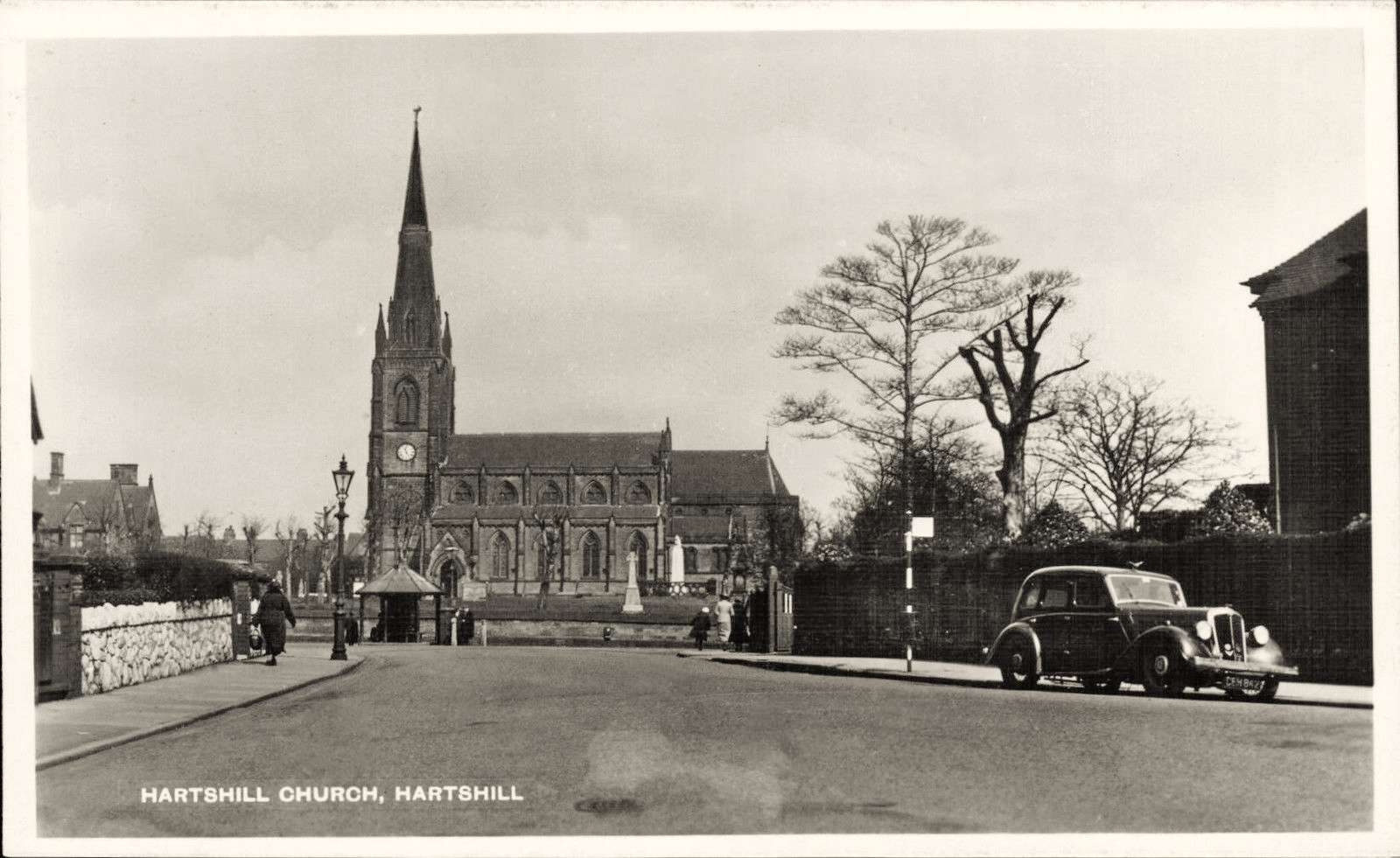
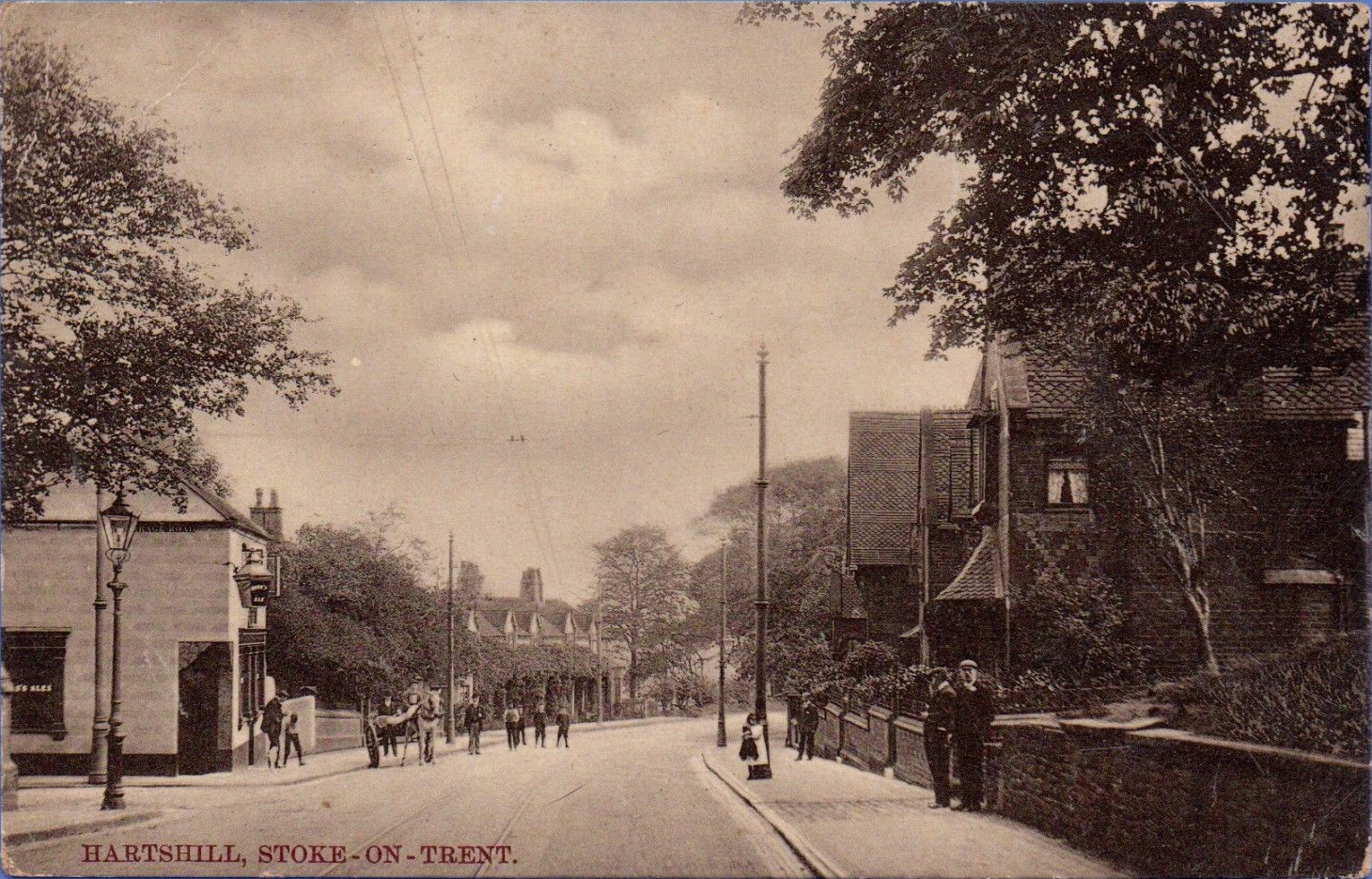
While undeniably plain when seen from the side at a distance (see above postcard), the book The Work of Sir Gilbert Scott (1980) suggests its fine interiors and windows were partly inspired by Lichfield Cathedral, and that these served to establish Scott’s reputation. These interiors, especially the “square-ended chancel” being…
“the first of Scott’s considered adequate by Victorian standards”
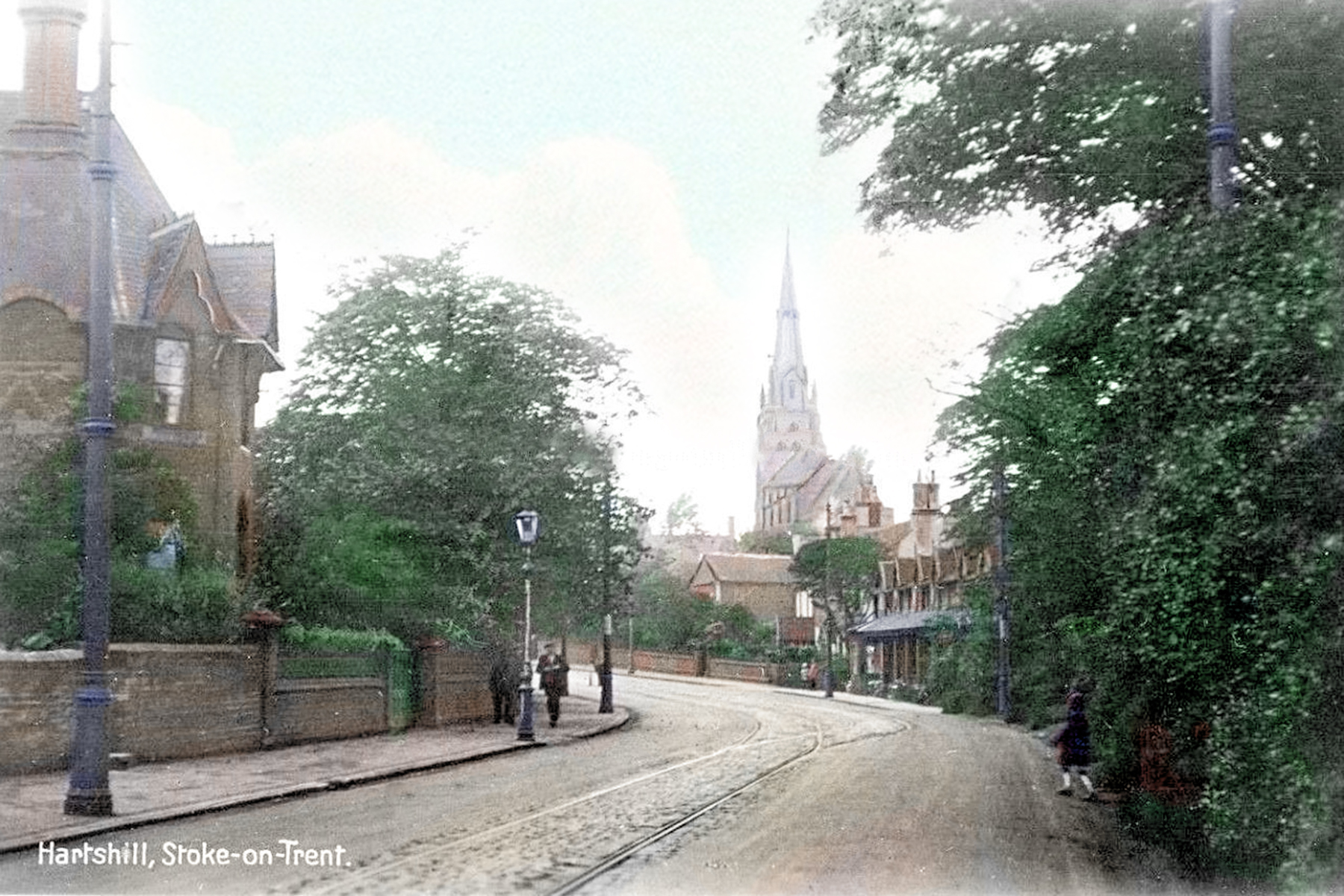
One can also see here (see above photos) how the exterior profile might have been designed to appeal more to those climbing up the road from Stoke in the valley below, rather than to those who saw the church side-on. Sadly Stoke-on-Trent Council (Lab) allowed the cottages on the right to be demolished. Labour allowed them to be replaced by a 1980s petrol station, delightfully flanked by a decrepit used-tyres dump. But the similar and larger buildings opposite have survived, and are still homes. Here these are seen from the opposite direction, with the church behind the camera and to the left…
The pub on the corner has also survived, and today is one of the best in Stoke.
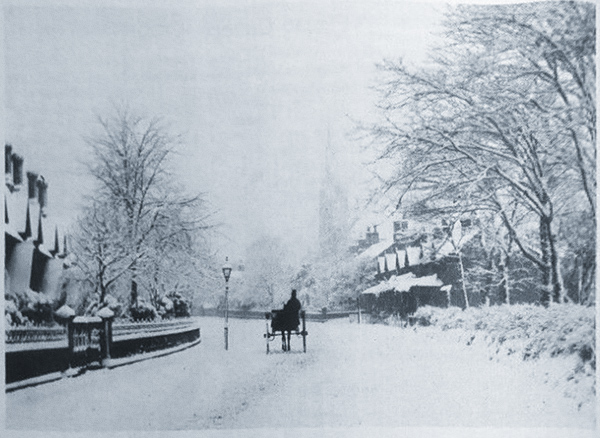
The Edwardians appear to have recognised the unappealing quality of the side-on view of the church, and they allowed trees to grow up to block it…
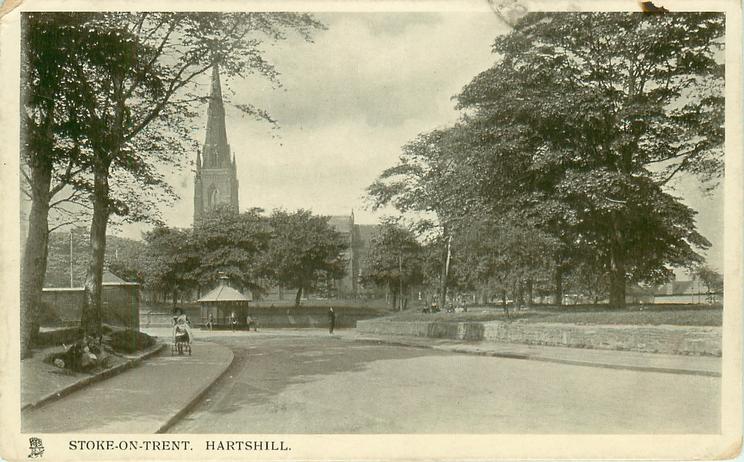
The potteries.org website cites Neville Malkin writing in the mid 1970s, on what was there before the church. This commanding crest of the hill was the site of a windmill.
“One of the few remaining windmills in the Potteries occupied this prominent site in Hartshill, until the late 1830s when it was demolished to make way for the church of the Holy Trinity”.
This is confirmed by Katherine Thomson‘s novel The Chevalier (1844), set in 1745. Thompson was a local writer who had grown up locally at Etruria…
“The Trent, narrow in this part of its course, where it has but lately quitted its source, wound through fertile fields, and beneath, at this point, a gentle rise, upon which, not many weeks since, wavy corn had been growing attracted the eye. A windmill stood on this fair bank, bearing the name of Harts-hill, just by a group of dark pines which rose against the blue sky.”
The Victoria County History has details such as the name of the Church’s first vicar, and details of its local mission houses in the Stoke valley below. It also adds just a little more detail on the size of the churchyard and who gave the churchyard land…
“The church of HOLY TRINITY at Hartshill was built and endowed in 1842 by Herbert Minton of Longfield Cottage (1792–1858). He also built the house for the incumbent to the west and the schools to the south and gave 2 acres of ground for the churchyard.”
Here is a view of some of the local people Holy Trinity would have served in the 1900s. The main-road gates of both the church and the vicarage are seen on the right of the picture, and the camera looks toward Newcastle-under-Lyme. Tram-stops are just out of sight on either side of the camera.
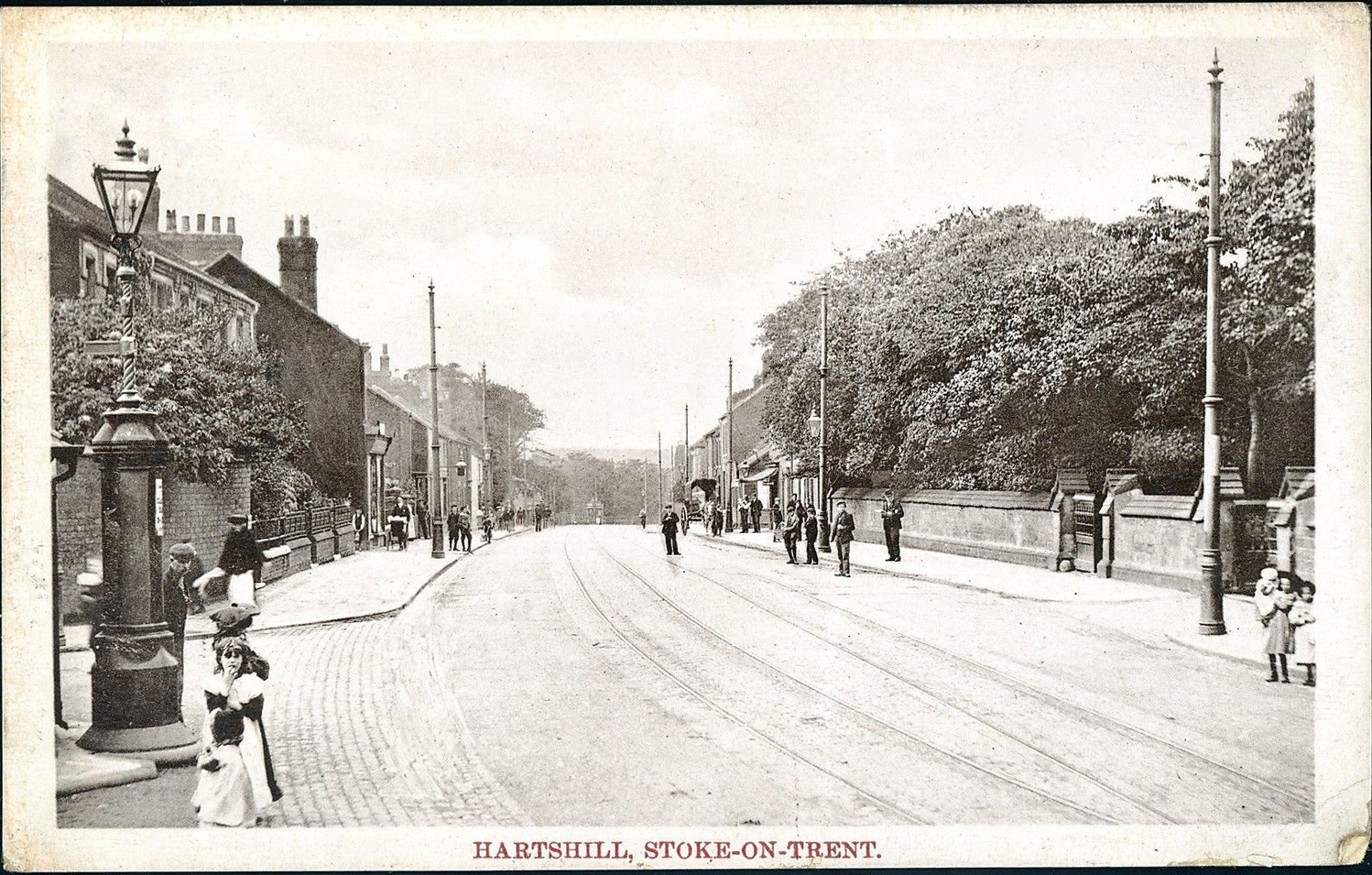
Many of these lads would have later served in the First World War. In the 20th century the potteries.org website notes the church had a …
“new organ (1948) to serve as memorial to those who fell in the two World Wars.”
According to the National Archives the newer 1948 organ was overhauled and rebuilt in 1973.
The original organ was designed by Edward Wadsworth of Manchester, built by Bewsher and Fleetwood. According to The Architect and Building News it was destroyed in the fire of 1872…
“Hartshill Church, Stoke-upon-Trent. This church … damaged by fire, has been restored sufficiently to allow some of the services being resumed. Besides other damage, the organ gallery was burnt and the organ destroyed.”
Today the church still appears to have its bells, and with a fine peal, since I heard them being rung a few years ago while passing by. There are occasional open days, usually about one a year. There are apparently windows high in the tower: The Ecclesiastical Gazette of 1843 noted the new church’s spire that it was “pierced midway toward the apex by canopied windows”, though today the chances of being permitted to ascend and open a window on Stoke are likely to be slim.
WikiMedia has several modern photos including one interior.
What of the future, for such churches in Stoke? The government has just published a major review on the upkeep of such parish churches. It suggests two new networks of professionals: a temporary national staff working to boost suitable local uses of churches, while also helping local people to carry on such work at the grassroots; and a dedicated national network of ‘church repair professionals’ and apprentices, to ensure that churches don’t fall into disrepair or become fire-risks through lack of routine repairs and neglect.