Some forthcoming Tolkien books

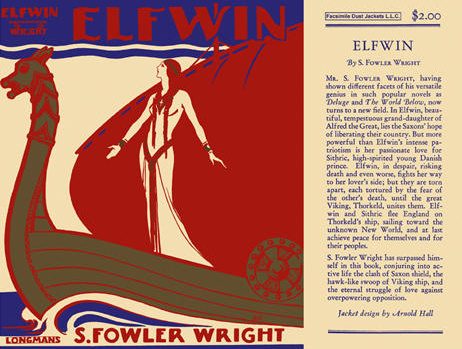
A quick glance over the forthcoming Tolkien items, on the spring/summer 2020 book lists and as known to Amazon UK:

* A Companion to J. R. R. Tolkien, in the Blackwell Companions to Literature and Culture series. It’s not clear what this is, but I suspect it may be the cheaper paperback edition of Blackwell’s earlier A Companion to J. R. R. Tolkien (2014), which had the same page length.

* Tolkien’s Cosmology: Divine Beings and Middle-Earth, by Sam McBride, from Kent State University Press. Looks promising, though the blurb suggests that close-readers of The Silmarillion will enjoy it the most. Tolkien is very subtle in dropping hints that imply the existence of ‘structures of belief’ in the Shire, and I wonder if the book will pick up on such hints. (I don’t mean physical structures such as churches, as the term indicates ‘sets of structured ideas’).

* John Garth’s Tolkien’s Worlds: The Places That Inspired the Writer’s Imagination appears to have been delayed again, and Amazon is now saying June 2020. I’d suspect that the virus may delay it even further.

Also of interest, I’ve found a French journal on Fantasy Art and Studies. In French, but with at least one English article in each issue. They have a current Call for texts and illustrations for a themed issue on Animaux fabuleux / Amazing Beasts.

My wilderness in bloom

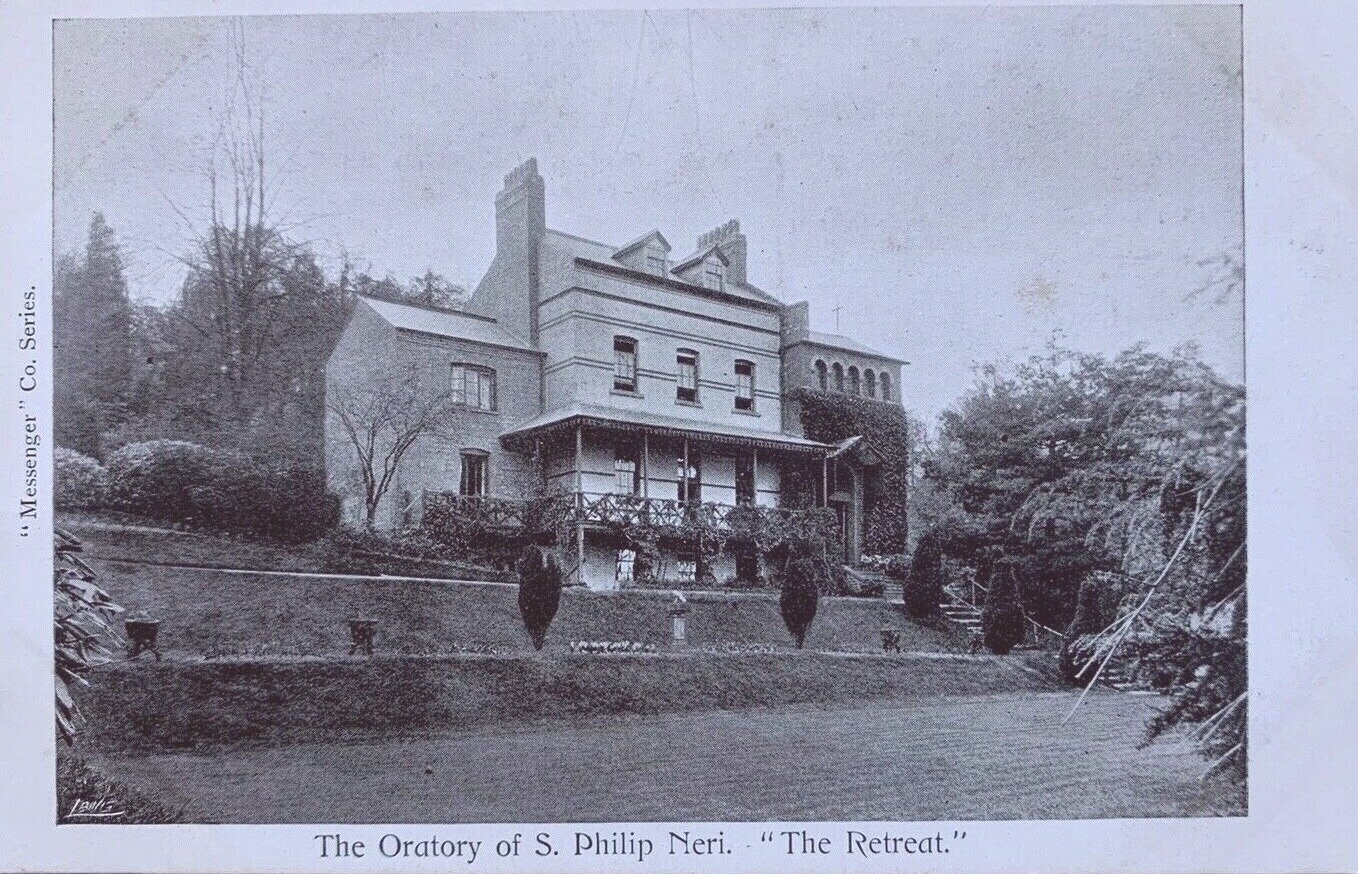
New on Archive.org, Phil Drabble’s book My wilderness in bloom (1986), which tells the story of how in 1963 the famous naturalist took a derelict farm near Abbot’s Bromley in mid Staffordshire, and transformed it into an oasis for nature — and it became what is now the Goat Lodge SSSI nature reserve. That was back the great days of the TV naturalists, when men such as Drabble and David Bellamy were household names.

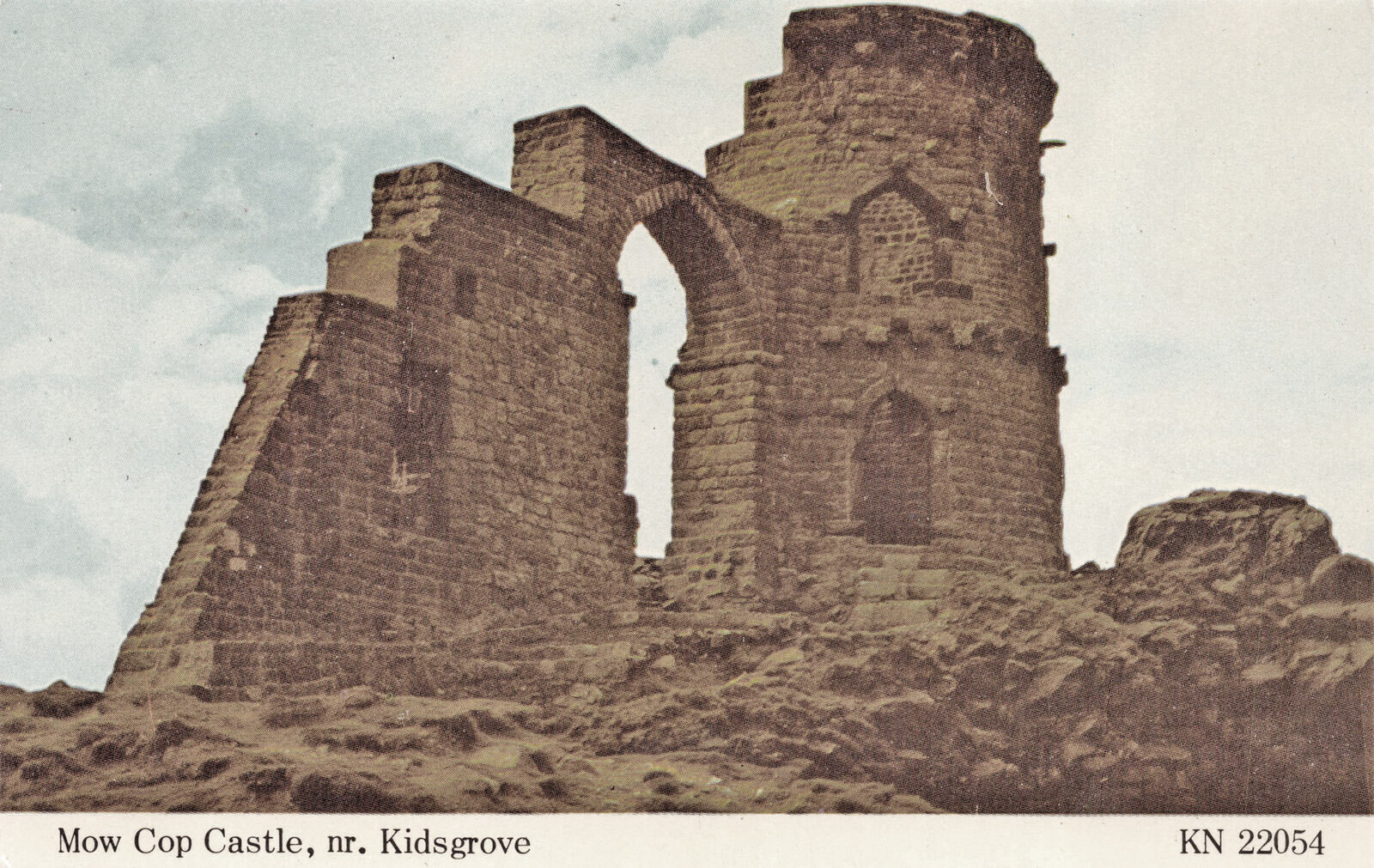
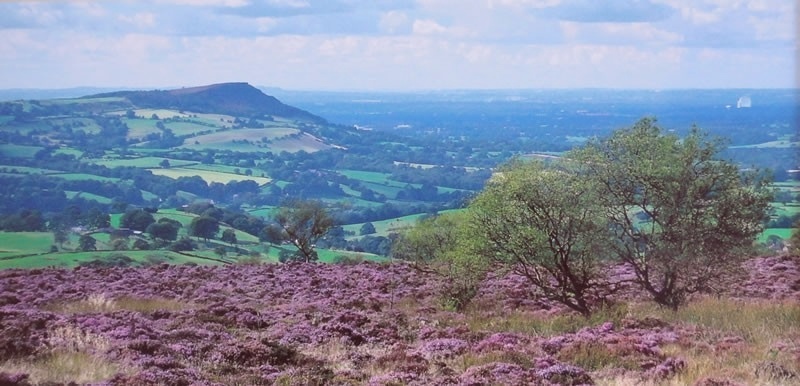
The above is a pre-Drabble picture of Goat Lodge.

One can also get the book My wilderness in bloom very cheap, used, from Amazon UK. It seems to me that it’s a prime subject for a new documentary film, with current footage of the site interwoven with Ken Burns’ style pan-and-scan and some interview clips.

Keary’s The Mount – now online

C.F. Keary’s substantial novel The Mount (1909) is now online for free at Archive.org. Only as one of the poor-quality Public Library of India scans, but the text is quite readable. The scan is from the 1911 German edition, printed in English, presumably destined for the overseas market in India and the colonies.

Keary’s fiction, including a volume of acclaimed weird tales, is not online and Hathi totally locks down their copy of The Mount. This situation is strange, given he’s now in the public domain. Anyway, it’s good that readers can enjoy this acclaimed novel once again.

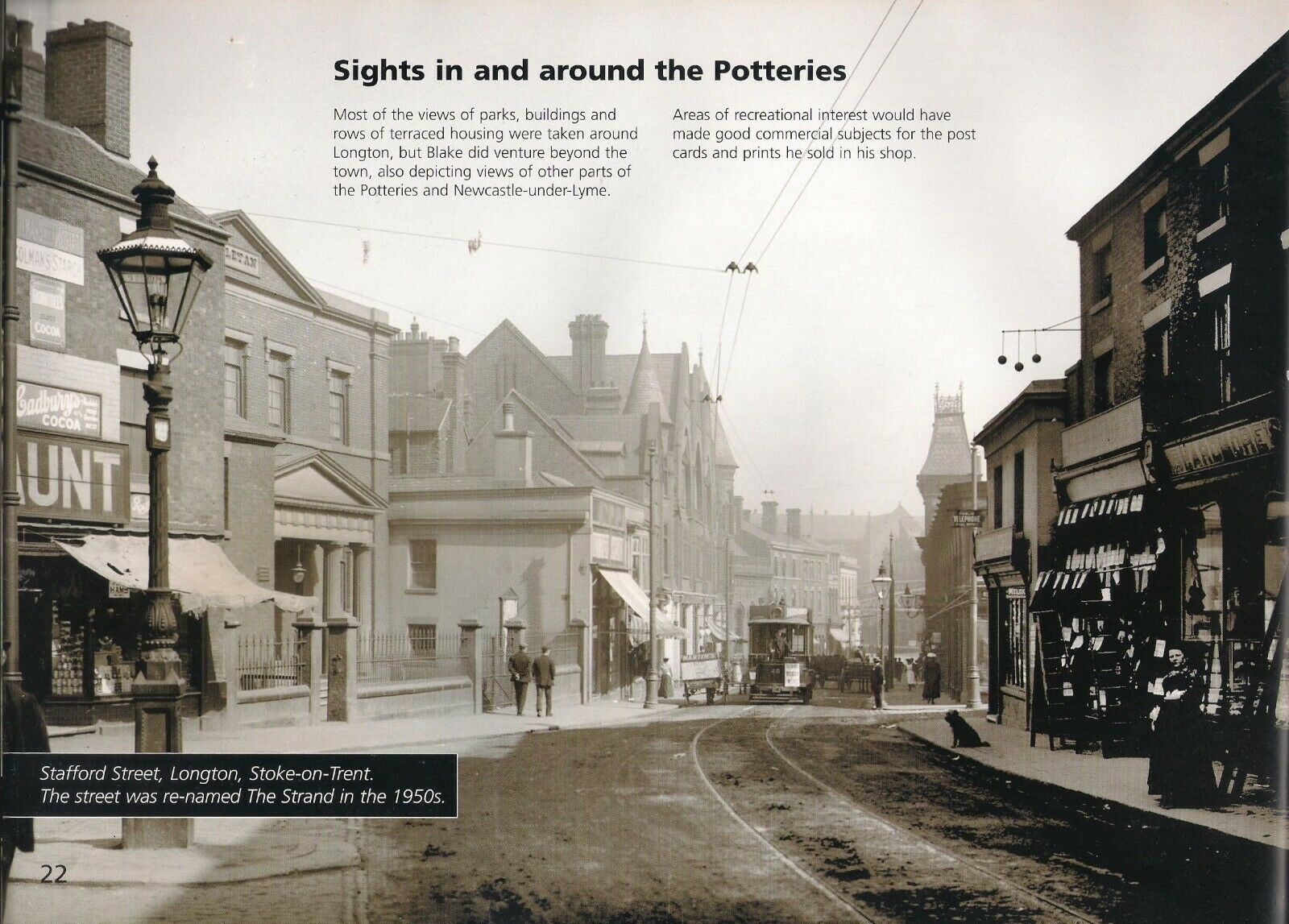
The novel’s fictional setting of “Hartlebury” is a large town of both clay and breweries, seemingly a lightly-disguised amalgam of the Potteries and Burton-upon-Trent. Ha-nley and Bu-rton giving “Hartlebury”, with an possible further nod to Hartshill in Stoke. But despite such topographic twirls the industrial Potteries is the obvious inspiration, complete with the Etruria-like blast furnace which causes the sky to light up at night…


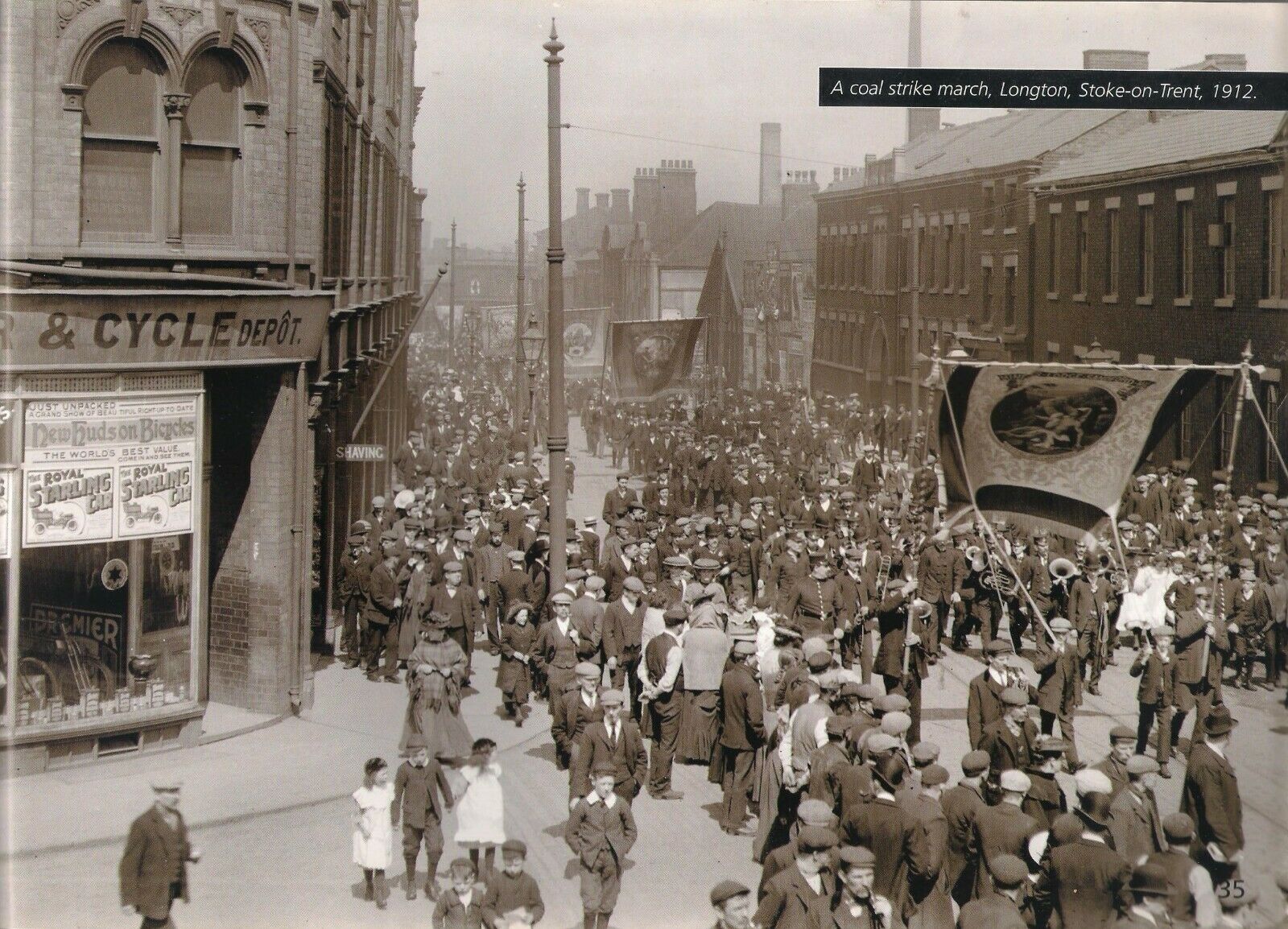
… when not in black rain Hartlebury lives in black mist; and of all the arrangements of which the town can boast that of its gas [lighting] seems the most stricken with paralysis. About six o’clock or half-past the streets of Hartlebury are usually thronged. Most of the manufactories [factories] disgorge their hands: then many miners from the day shift must come back to clean themselves. Or maybe they have done so already, and now issue forth, some with their wives, the most part without, to enjoy the evening. Women bustle through the throng to make their purchases: a queue has already formed at the door of the Palace Theatre of Varieties: the publics [the pubs] turn up their gas [lights] to look as gay as possible. Only a few of the folk in the streets are really in a hurry: the most part are ready to pass the time of day with an acquaintance.

Amid the throng wandered interested, yet detached, a girl not more than six-and-twenty years of age: looking much less. It was indeed to a first view a peculiarly innocent and childlike face; but not lacking either knowledge or power to an observant eye. […] For the present let her remain anonymous to us, as she was to the crowd: and distinct from it, apart from its hopes and fears […] this girl felt no discomfort of the smoky atmosphere, the muddy streets. All she saw seemed interesting, and what she heard; but as she was an artist, it was the sights rather than the sounds which gave her pleasure. The dimness of the streets was lit up now and again by the glare of a smelting fire [iron works] from one of the hills round about Hartlebury, and then the shadows of the passers-by would be thrown upon a blank wall as it were an exhibition of ombres chinoises [Chinese shadows, shadow plays]. This was to our onlooker particularly interesting, because she was making some experiments in designing after this fashion. She would not have felt that interest in all she heard and all she saw, if she had not had within her a source of constant content: not a positive source of pleasure, but a negative source of content. She felt that she had struck out a line for herself, or had it thrust upon her — she could hardly have said which — such as very few indeed of British girls do strike out or follow. And she realised how much of solid contentment, of physical well-being mostlike, had been the result.

Around her talked workmen and their wives in that peculiar accent of the Western Midlands…


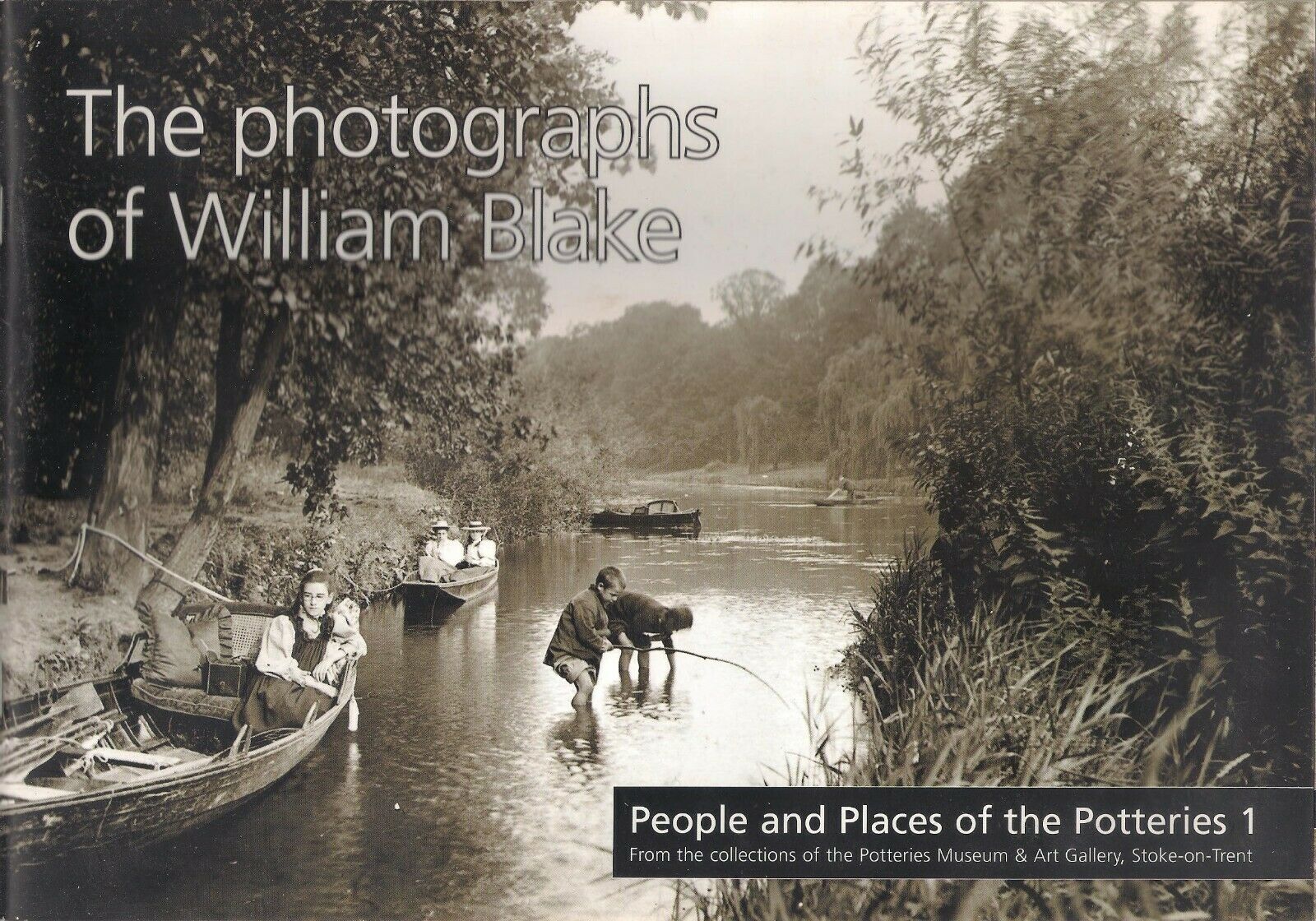
The book was first identified here in my February 2014 post The Mount (1909) by C. F. Keary, as being both of local interest and high quality.

Dreams of Nantwich

A “Dreams of Nantwich” exhibition is on now at the nearby Nantwich Museum and runs until Saturday 7th March 2020…

The exhibition seeks to create the mythical and fairy tale story of Nantwich through its beauty and history. Presented in the medium of watercolour, the artwork concentrates on an imaginary vision of the town. … and also includes watercolour paintings of animals and fantasy creatures by the artist’s son Jan Obolewicz.