In the 1960s and 70s, the well-remembered Malted Milk biscuits came from Uttoxeter, Staffordshire.
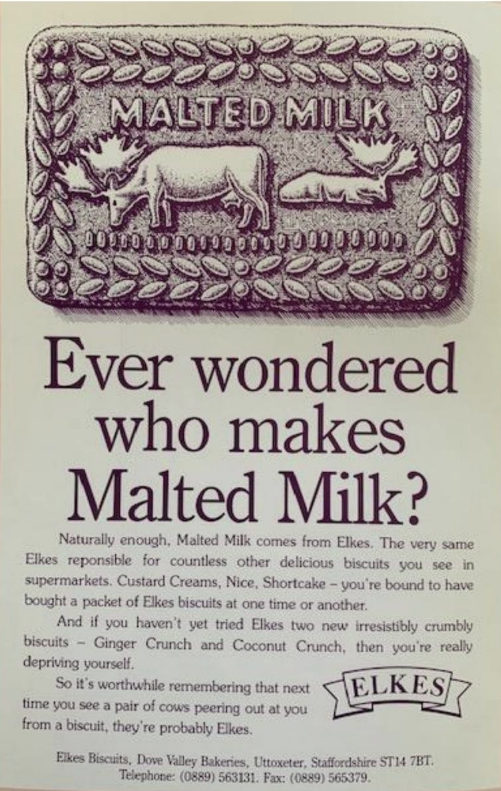
Biscuit-making is still a big employer in the town today.
In the 1960s and 70s, the well-remembered Malted Milk biscuits came from Uttoxeter, Staffordshire.
Biscuit-making is still a big employer in the town today.
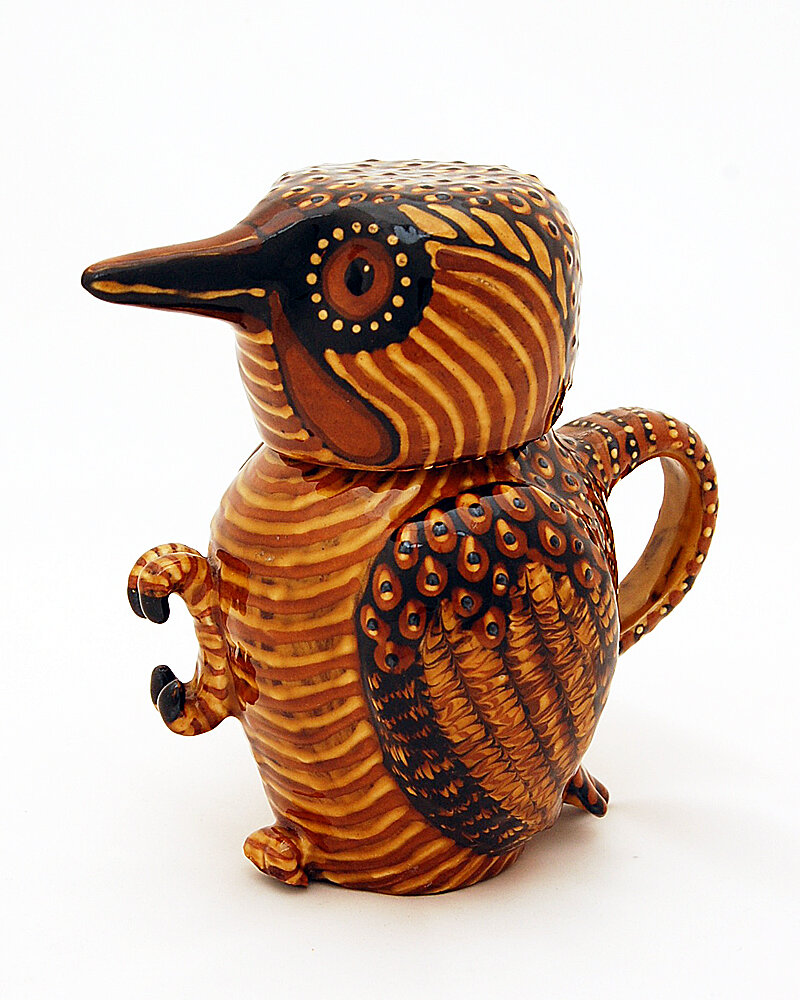
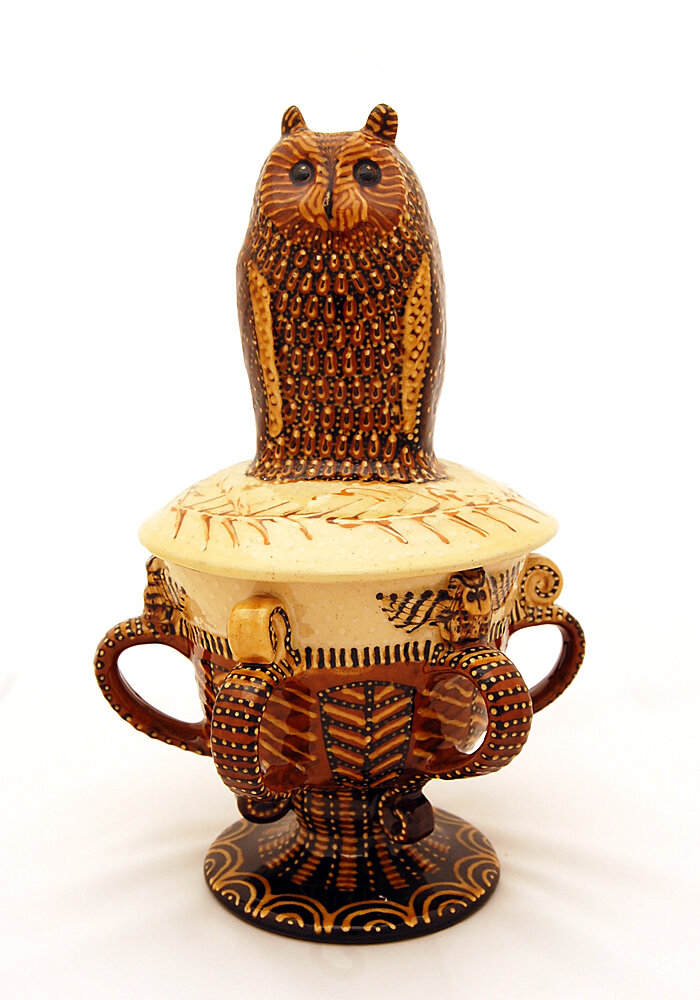
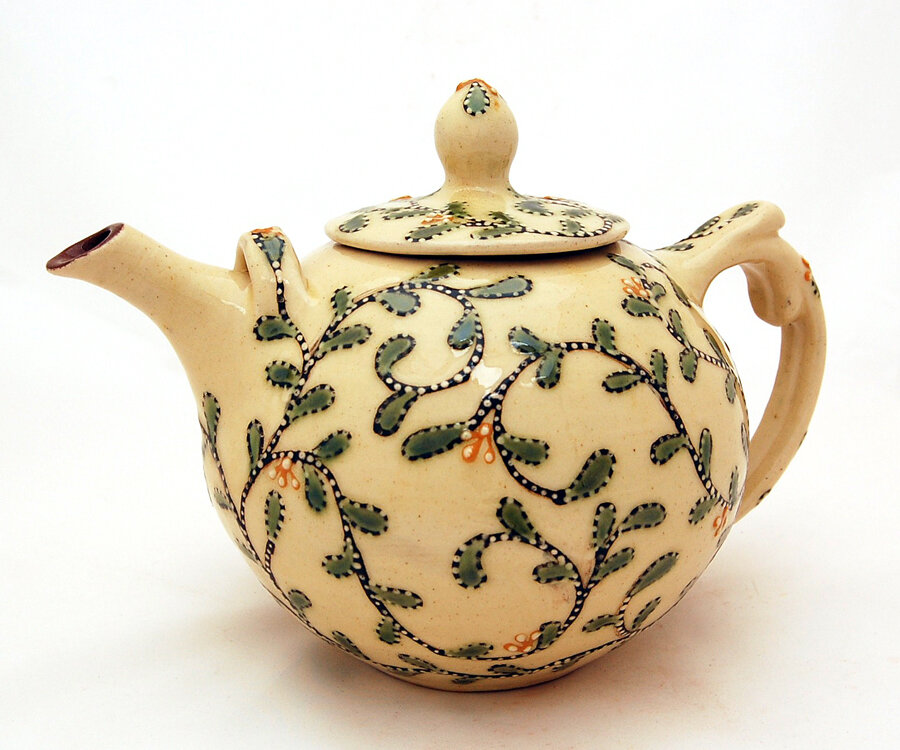
Superb Thomas Toft-inspired ceramics, being made and sold now by Carole Glover Pottery in nearby Stafford.
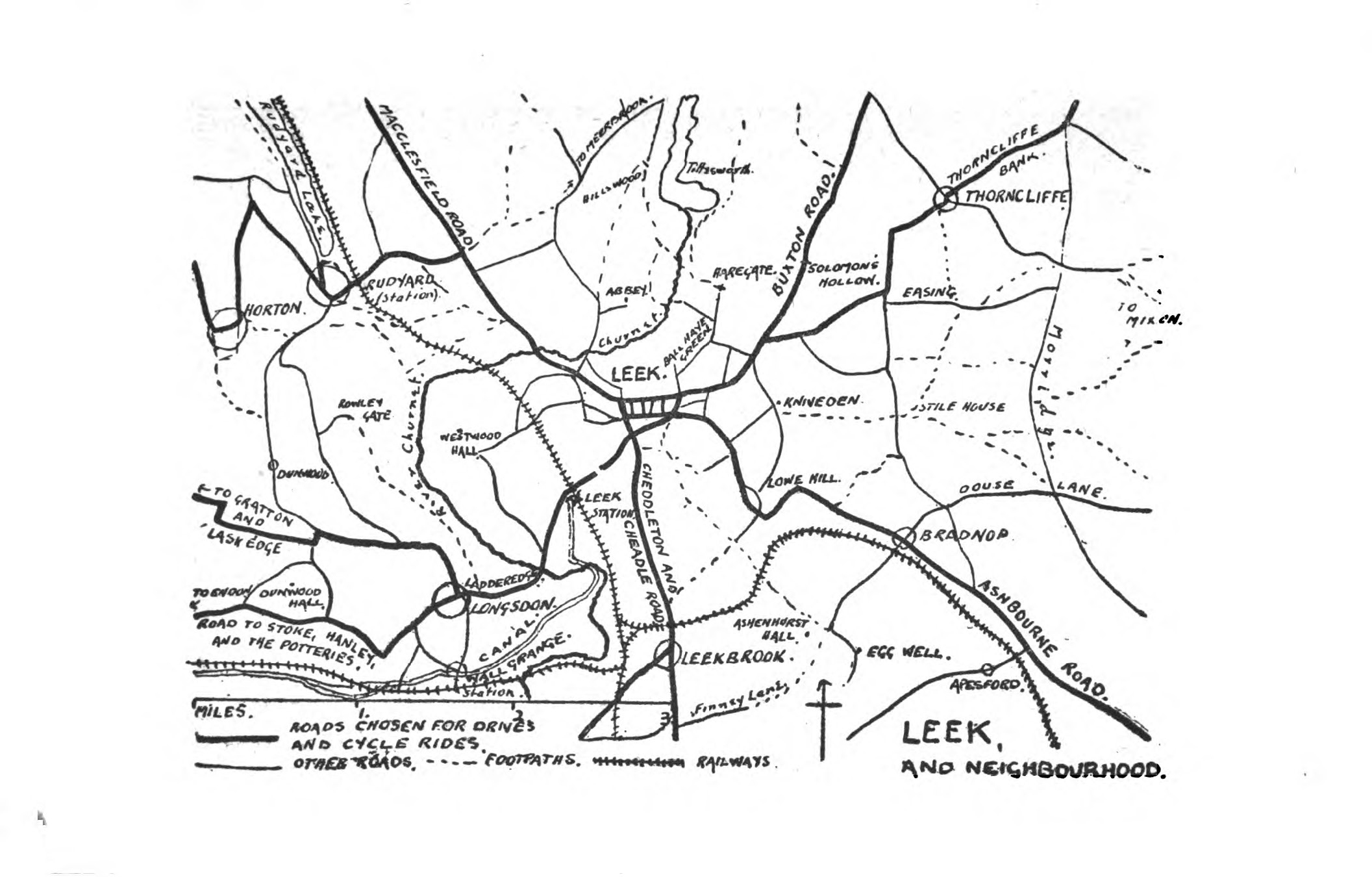
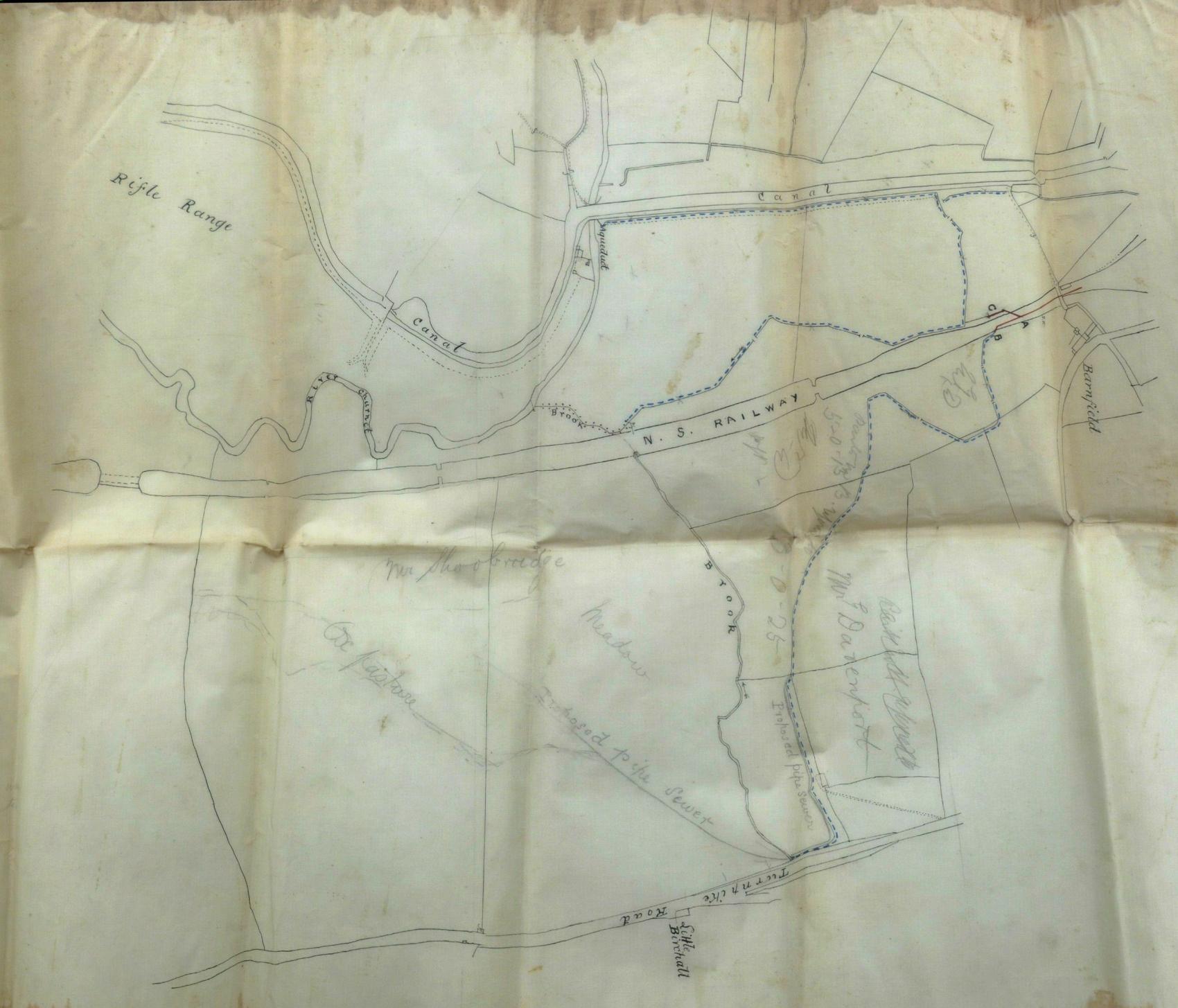
An old railway surveyor’s map of the Churnet, showing the railway and the canal. Likely to be of interest to someone, especially those interesting in flooding in the Moorlands and exactly where the old drains ran (one is marked on the map in pencil and, since it was put in by the railway, is probably still there). Placenames are Barnfield, Little Birchall, and a route still labelled as a “turnpike”. Appears to be about where the Country Park is today.
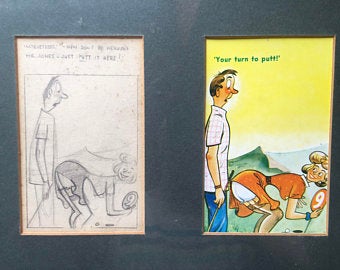
Well, well. An eBay listing reveals that many saucy ‘seaside postcards’ were actually produced in… Stoke-on-Trent. Hartshill to be exact, by one “Thomas Trow”. The Cartoon Archive has more information…
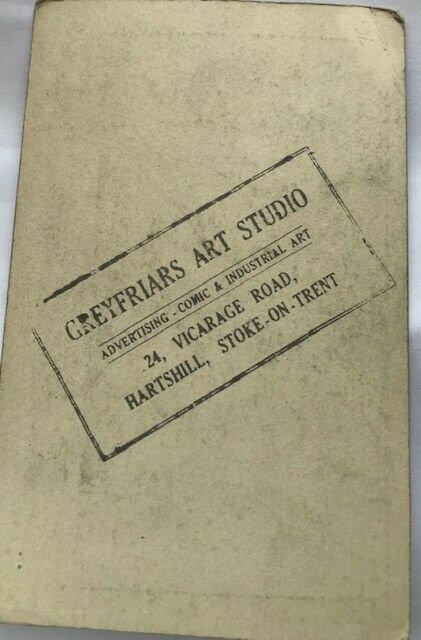
“Thomas Trow (1909-1971) of Stoke-on-Trent, whose address appears on the reverse of surviving artwork, as the Greyfriars Art Studio.”
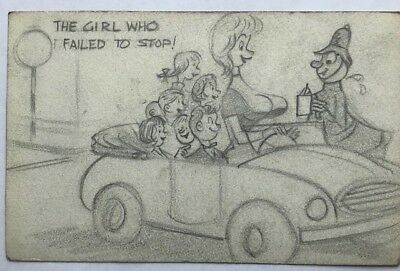
This is what they looked like when finished and on the racks…
Trow’s old house at 24 Vicarage Road is an unassuming terrace on the short road that runs back of the Jolly Potters pub, going alongside the church to reach the middle-top entrance of Hartshill Park. For a while he appears to have also published cards as “Trowel Publishing”.
Unfortunately I can’t find more about him, other than that he was actually prosecuted. It’s difficult to imagine that saucy seaside postcards could be prosecuted by the police in the courts. But that was how it was until about 1966 and, according to The Cartoon Archive, his were prosecuted at least once by the Director of Public Prosecutions.
Once there’s a new permanent landlord in the Jolly Potters, they might want to put up a small display of his funniest postcards and an information plaque. Although in these censorious and humourless days, I suppose that might bring the police around again.
So, it’s Autumn 2020 and the question is… is there yet any immersive ‘Google Street View’ VR headset for the impoverished historian and topographer, at under £300 and with good visual resolution?
The latest edition of the UK’s venerable PC Pro magazine triggered my interest in this question, with a review of a £300 VR unit called the Oculus Quest 2. Apparently it’s rather good, 1920px per-eye at a 90hz refresh-rate, £299 and just starting to ship now.
Looks good, so the deal-breaker question is… can it run Street View? It’s a difficult question to answer via search. You would think that everyone and their dog would have a neat Web page listing VR kit that works with Google Street View in 2020.
Turns out that my question was formulated wrongly, due to me being totally clueless about VR. Oculus effectively has its own app ‘wrapper’ for Street View and it’s called Wander and sells for £8. This app lists as being compatible with the Oculus Quest, so will presumably also be compatible with Oculus Quest 2. The reviews of the late-2018 app suggest the app was a bit dodgy until the end of summer 2020, when it had updates which fixed a lot of the complaints.
But Will Hart at CthulhuWho1 provides a vital snippet of information about the budget Oculus Go as a Wander-capable sub-£300 option…
“The Oculus Go does require a Wi-Fi connection, and the one-time use of a smartphone to get it connected at first”
So, while it appears the Oculus Go can currently be had for £150 from Argos in the UK, and less if you’re willing to risk eBay, the smartphone activation is a deal-breaker if you don’t actually own a smartphone. I assume that the “smartphone activation” may also be the case with the Oculus Quest 2 too.
This vital information then led me to discover that the Go and the Quest are just the wrong headsets, as…
“Oculus Rift S is meant to work with a desktop PC, connected through a dual USB 3.0 and DisplayPort cable, the Oculus Quest is completely wireless.”
Right, so that’s the solution. What I actually need is an Oculus Rift S + desktop PC + the cables. Which would actually be powerful enough to run not Wander, but rather the full Google Earth VR on Oculus Rift. Google Earth VR added Street View at the end of 2017, and is free rather than £8. It’s perhaps also more likely to continue working in the long-term.
Additionally, when I go back to the PC Pro review I learn that…
With Oculus killing off the Rift S (£399) in the coming months, the Quest 2 really is in a league of its own.
Thus the answer to the “£300?” question appears to be: wait until the Oculus Rift S can be had for £250, perhaps as a ‘discontinued hardware’ bargain in the New Year sales for 2020/21? One should be able to use it with the full Google Earth VR app and a desktop PC, given a USB 3.0 port and possibly a DisplayPort splitter cable. The risk there is that cheap Oculus Rift S’s don’t actually flood the market in a few months time, but keep their price and gradually become expensive eBay rarities for VR headset-collectors.
The other possibility is that Oculus manages to get the Oculus Quest 2 to offer a one-time activation option via an Android tablet such as the popular Kindle Fire, rather than a smartphone. But I guess one of their aims may be to harvest the phone-numbers, which they couldn’t do from tablets. Also, it would mean Facebook interfacing with an Amazon device.
Until then, it seems that the impoverished topographer has to carry on using Google Earth while nudging his nose into a widescreen desktop monitor… for free.
Update, May 2021: the Oculus Rift S never went into the bargain sales. But there are now big 34″ curved monitors priced below £500 inc. VAT. These are meant for videogamers but could be a viable StreetView alternative for many older desktop users who don’t want the VR games and want to use normal spectacles etc.
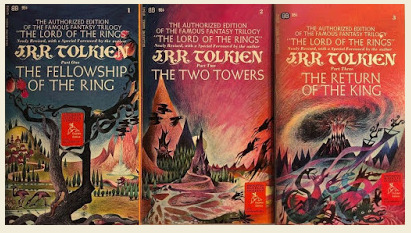
Grognardia surveys The Covers of The Lord of the Rings in the U.S. paperbacks. From the perspective of the UK I don’t recognise any of these, but they probably mean a lot to American readers. But they’re interesting, as I’d never seen the covers for Donald A. Wollheim’s pirated Ace Books paperbacks. The American paperback covers get noticeably worse over the years, with the Barbara Remington / Ballantine covers being the best in a sort of Moomintroll-ish way — though rather puzzling as to what they actually show…
A new 2020 M.A. dissertation reconsiders the discounted idea of a monastic authorship for Sir Gawain and the Green Knight, in “Revelations in the Green Chapel: The Gawain-poet as Monastic Author”. It is online in open access.
The case for monastic authorship is not at all proven, but the dissertation’s discussion still makes for interesting reading. The author draws on Philip F. O’Mara (1992) who proposed that one Robert Holcot could have been a possible tutor for the young Gawain-poet. This is compatible with the timeline in my recent book and indeed fits it quite nicely. O’Mara’s short article looked at themes and symbolism and suggested that the Gawain-poet clearly…
“knew the Moralitates [by Holcot], and perhaps Holcot’s more professional works.”
O’Mara then makes a leap. He suggests that, to know Holcot’s work and his thinking, the Gawain-poet likely had some personal tuition under Holcot…
“If he was born between about 1310 and 1330 [he may have become, personally] “Holcot’s student (perhaps informally) … more probably at Northampton [re:] Holcot’s work in Northampton in his last years.”
The dates do match mine very well. Robert Holcot left the service of the rather liberal-sounding Bishop of Durham in 1342, and after (perhaps, maybe) a series of winter lectures at Cambridge Holcot was assigned c. 1343 to serve with a Dominican religious house in Northampton. These dates would be a perfect fit for a then 16-18 year-old Gawain-poet, boarded with a suitable lesser house and educated locally when young as was the custom (Swythamley, in relation to Alton?), but then in need of some further tuition and polishing for a year or so. The intellectual dispositions of both the Bishop of Durham and Holcot also fit very well with the concerns and approaches of Gawain.
There is the question, though, of to what extent Moralitates was “published” in 1340. And, if then widely distributed and digested by c. 1342, could it then have been taken up for use in teaching by other personal tutors and abbots of the time? But perhaps the most likely explanation is simply that the Gawain-poet closely read and absorbed Holcot’s works at some time between 1342 and 1376.
I’m pleased to see the makers of old-school The Midderlands RPG have nearly fully-funded their Kickstarter, and in just a few days.

The game is set in a gritty fantasy-comedy-horror late-medieval West Midlands. It has my unofficial Stoke-on-Trent expansion and I see there’s also a new September 2020 “Chewer of Fingers” introductory Midderlands game set in “Staffershire”, specifically in the bogs along the river Pegridge (Penkridge) north of Wolfhorton (Wolverhampton).
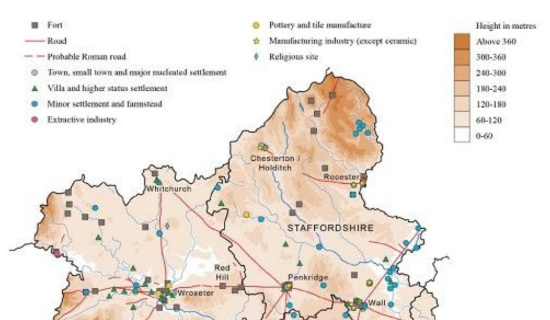
A couple of new issues of the Midderzine fanzine have appeared since I last looked, Midderzine #4 and Midderzine #5. #4 has an interesting new character-class: Serpentist, and #5 has another “Staffershire” location detailed, “Abbots Bream: A merchant’s town in Staffershire” and “The Town Market: An Abbots Bream market complete with stalls.” (Abbots Bromley).
All in all, the game appears to be expanding quite nicely into mid Staffordshire, with the option to make an unofficial trek up the new earliest canals into the fledgling early-industrial Potteries in North Staffordshire. Once there, slipping past the Clay Guard and stowing away on one of the pottery canal barges there would offer a natural way for your party of adventurers to reach ‘The City of Great Lunden’ which has its own Midderlands book.
The game’s £7k of Kickstarter funding will now bring this table-top RPG to the fifth edition of the Dungeons & Dragons rules (“5e D&D”, popular, but perhaps no longer an ideal-fit in terms of its new-found politically correctness). It currently runs on the free Swords & Wizardry tabletop RPG system. The Kickstarter looks set to go far beyond its base £7k though, in terms of hitting expansion goals.
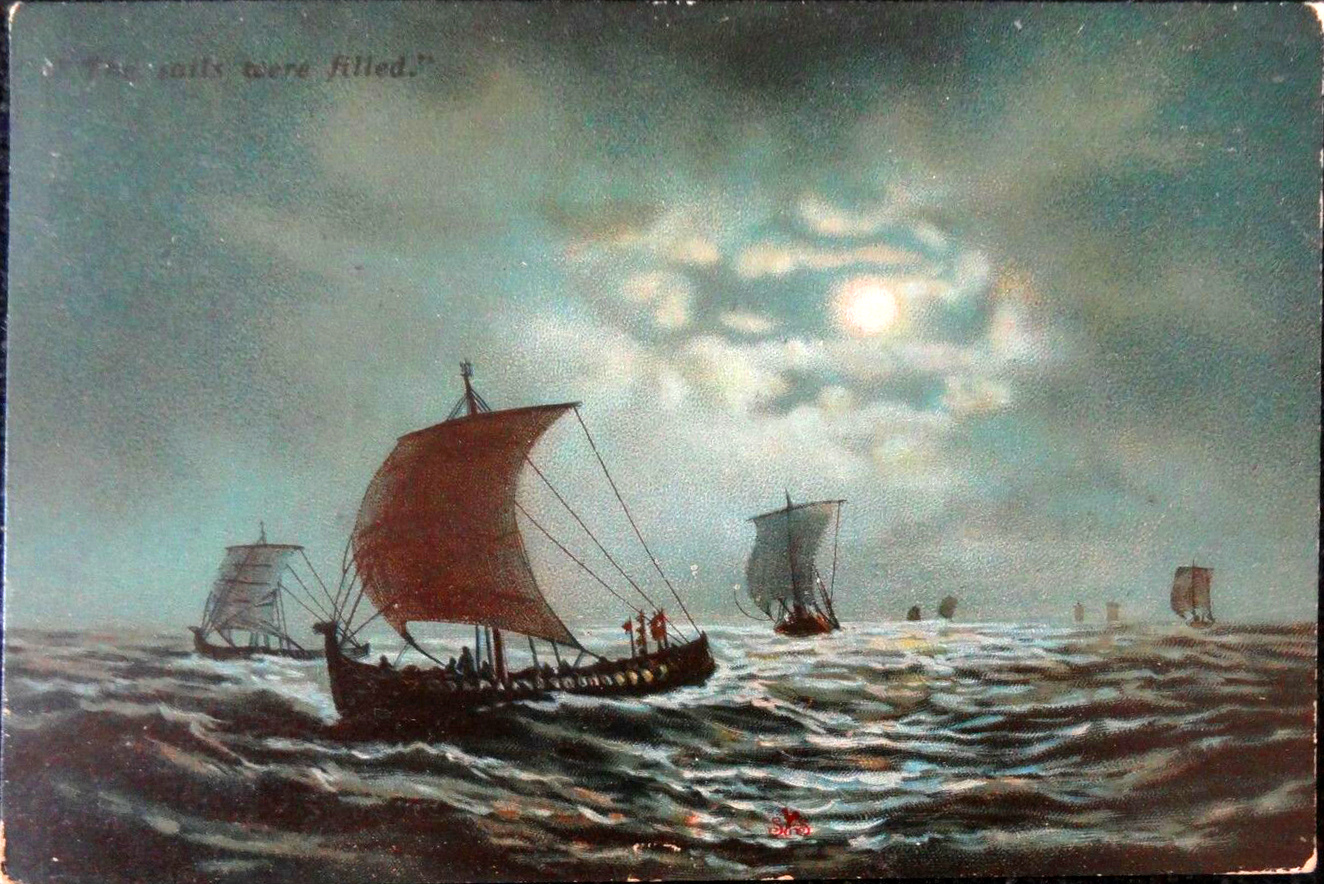
As we head toward The Swedish History Museum’s massive door-buster exhibition on the Vikings (set to open early 2021, when last heard of), there are reviews of two recent books on the topic. The Silver Key reviews Tom Shippey’s Laughing Shall I Die: Lives and Deaths of the Great Vikings, in which Shippey rebuts the ‘shy, sensitive antiques dealers’ image of the Vikings that is currently purveyed by academics…
I didn’t realize the extent to which this re-evaluation of the Viking character was working overtime in the halls of academia. Laughing Shall I Die: Lives and Deaths of the Great Vikings (2018, Reaktion Books) is Shippey’s semi-bombastic rebuttal to the revisionists and whitewashers. It’s not that Vikings weren’t also great traders, or slowly shifted from raiders and slave-takers to land-owners and eventually settlers, but Saga literature and even the archaeological record paints a picture of savagery and warrior ethos that can’t be so easily explained away.
The Russell Kirk Center reviews How the Vikings Saw Themselves, which takes more of a hard archaeological and ‘material culture’ view, also informed by the latest research on the religious practices…
“Price, a professor of archaeology at Uppsala University in Sweden, has added a simultaneously authoritative and accessible account to the rapidly growing and interdisciplinary scholarship on the Vikings. … Through the Vikings’ material culture, he discovers a civilisation thoroughly invested in the stabilising force of monarchical rule. Despite the Vikings’ pursuit of power abroad, they had a firm sense of tradition and stability within their own realms. … It builds on his innovative work in The Viking Way (2002), which delves in great scholarly detail into the spiritual lives of the Old Norse speaking peoples.”
A new blog-post series has started, on Tolkien’s early drafts of The Lord of the Rings. Here are the first two short essays on the early days of the text and story…
Tolkien Begins the Sequel to “The Hobbit”.
Tolkien’s “The Return of the Shadow,” 1937-1939.
They appear to provide a good introductory overview, though not a huge amount of depth. While it’s true that, as a name, “Bingo Bolger Baggins is somewhat of an absurdity” to modern post-war ears, if might not have seemed so in the late 1930s. According to the dictionaries the game seems to have emerged as ‘Lotto’ from the mid 1920s onward and had some overlap with lotteries. But so far as I can tell ‘Lotto’ only became ‘Bingo [Cards]’ when these arrived as a thing after the war. Bingo halls were only a big thing after the mass arrival of TV in the later 1950s, meaning that loss-making cinemas were converted to bingo halls in the early 1960s.
There appears to be a good philological reason for the original choice of “Bingo” (Frodo’s original name) and I suspect there would be others found if I dug deep enough. But Tolkien was definitely not naming his hero after the gambling dens of the local housewives.
“Trotter” (the original Aragorn) is also mentioned in the blog posts and his characteristics also have philological roots, though these lead into Northern myth and lore rather than the linguistics via the name. Also south, to Jason.
More authoritative accounts will of course be found in the Hammond & Scull three-volume Companion and Guide, aka Chronology and Reader’s Guide, not to be confused with their The Lord of the Rings: A Reader’s Companion.
Also on matters Tolkish, I’m pleased to report that I’ve scraped up enough silver pennies to buy the new John Garth book on Tolkien’s various topographies and topophilias, emboldened by its increasingly excellent reader reviews. It’s very rare that I buy a book at full-price and in hardcover, but this has become a ‘must-read’. It should be arriving in the Amazon locker next week.

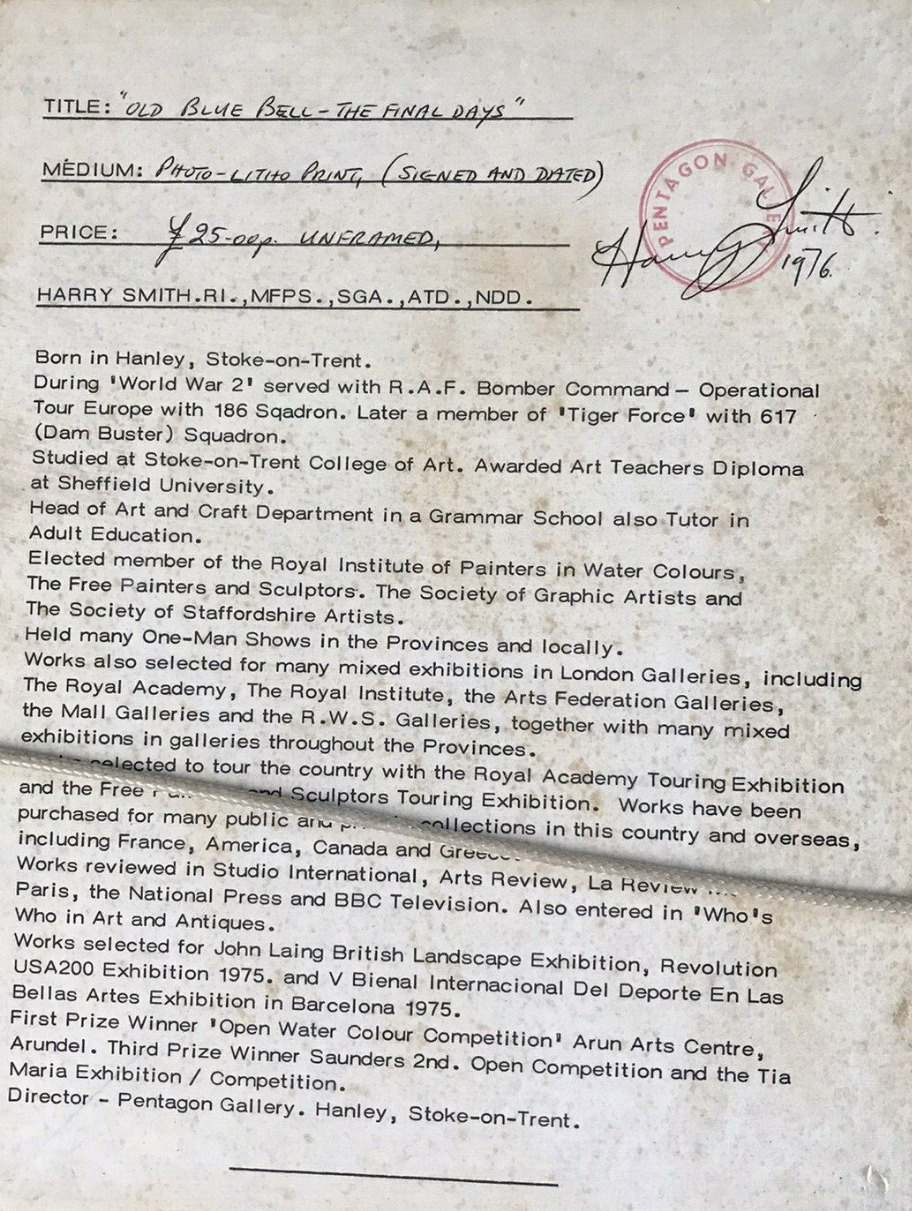
The old “Blue Bell” bottle kiln, Stoke-on-Trent, by Harry Smith. A blurry eBay image, so not representative of his fine ink-work. This popped up on eBay and had this usefully complete biography stuck on the back…
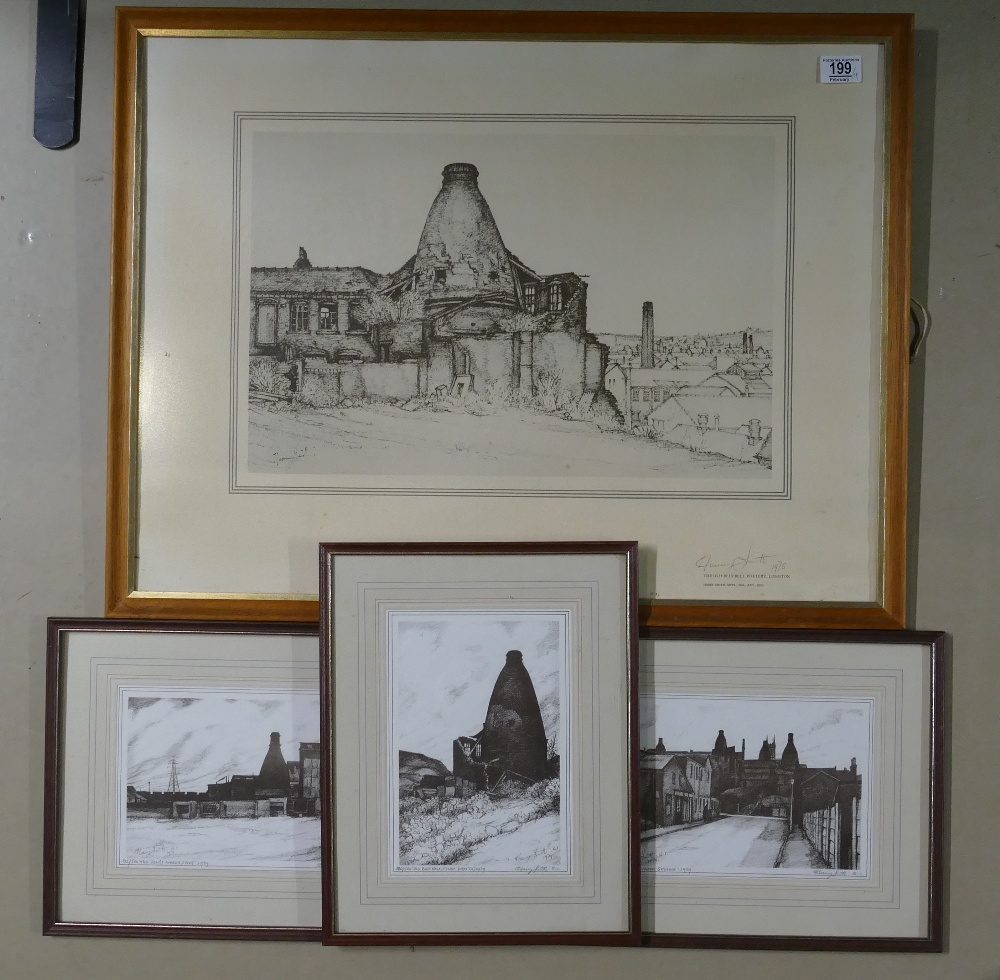
A little riffle through the Potteries Auction website also found these…

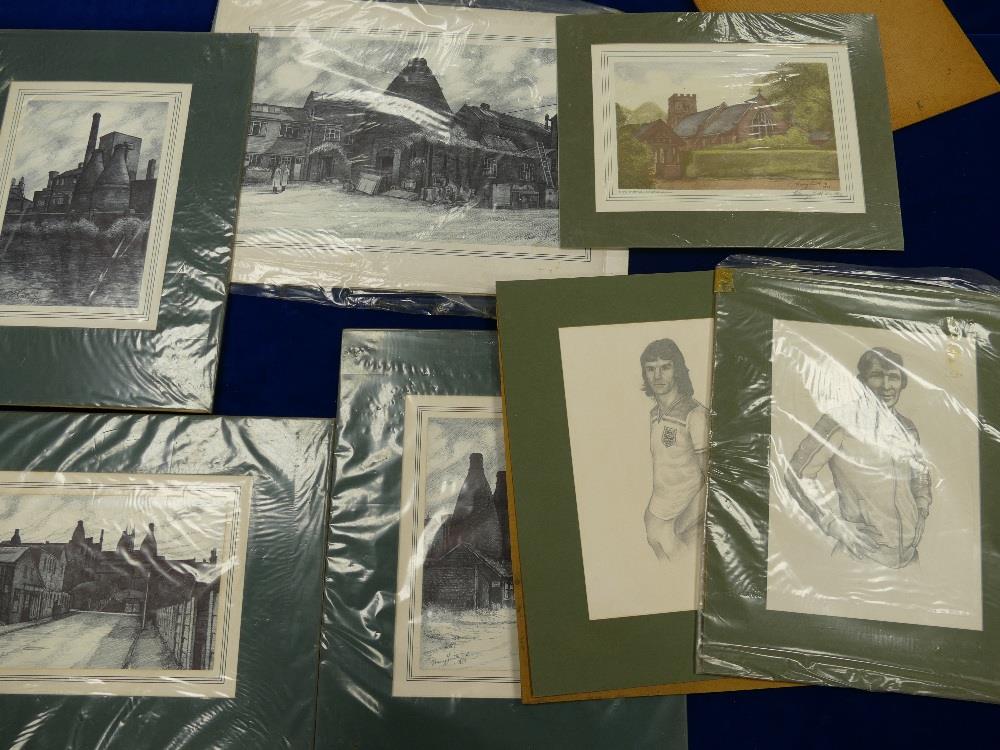
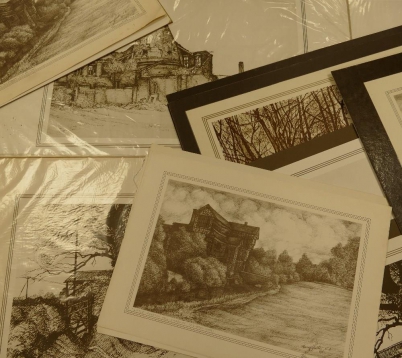
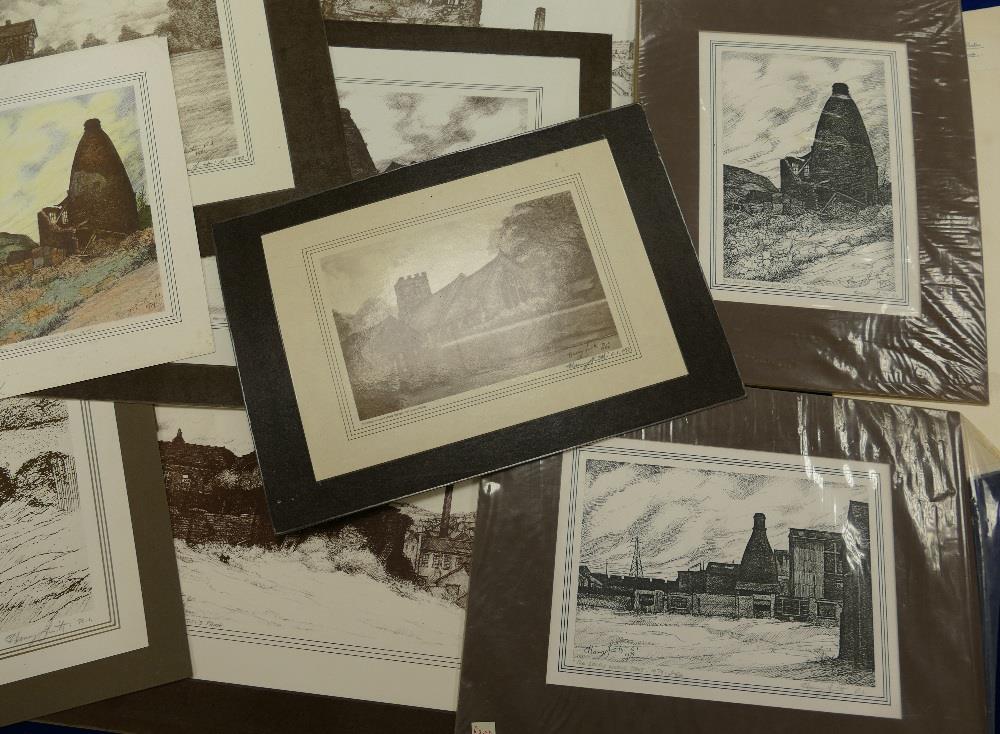
He also did some footballing portraits and some Second World War aviation pictures, reflecting his time serving with the ‘Dam Busters’ RAF Squadron. Likely to have been most active in the 1960s and 70s in the Potteries.
Evidently his prints have come up for local auction over the last 18 months or so, and may now be starting to filter onto eBay. One hopes that the best of the originals have been given to local museums for safe-keeping.
Staffordshire has 65 peaks over 1,000 feet high. Who knew? Jeff Kent, of Stone Ramblers knew, and he wrote the book on them… Staffordshire’s 1,000 foot Peaks.