Entering the public domain in 2017, having died in 1946

What’s slipping into the public domain in the UK in January 2017? Of course H.G. Wells leads the public domain pack, in terms of science-fiction.

Others of note are:

* Otis Adelbert Kline who “contributed numerous stories to Weird Tales magazine”, wrote some pulp novels in the Edgar Rice Burroughs ‘planetary romance’ style, and who was later a literary agent for the great R. E. Howard.

* Lionel Atwill who was a horror and supernatural screenwriter for RKO, Fox and Universal, with films like Sherlock Holmes and the Secret Weapon and Frankenstein Meets the Wolf Man and House of Dracula.

* Walter S. Masterman, a British mystery novelist whose titles seem to put him on the ‘macabre’ shelf.

* Cyril G. Wates, who had a number of pulp stories in the science fiction pulp Amazing Stories in the late 1920s.

* Albert Leffingwell, an American author of quality mystery novels.

* Booth Tarkington, author of The Magnificent Ambersons and many others.

* Karl Hans Strobl, Austrian fantasy and horror writer. The English translations would, of course, not be going into the public domain. But the plots and approaches will be. Some of his youthful stories have been hailed as classics of the genre. Probably little published now, because in his old age he became a member of the Nazi Party.

* Dion Fortune was a British occultist of the highest degree of loopiness, but was also a 1930s imaginative novelist (mostly under the pen-name V. M. Steele)

* Ernest Thompson Seton was an American fore-runner of Baden-Powell and the Scouting movement. Lots of wood lore books, such as How to Catch Wolves, Animal Tracks and Hunter Signs, as well as some heart-tugging wild animal stories which might be suited to graphic novel / fantasy-makeover adaptation.

* Ernest Rhys, the British scholar and author of English Fairy Tales (1913). Some of the books he wrote might become the basis of a graphic novel, such as his concise historical introduction to London: The Story of the City and his novel Blackhorse Pit.

* Damon Runyon, a punchy and slick professional American short-story writer and newspaperman. He appears to have had a vast output over several decades. The slangy American wise-crack language may not be to today’s taste, but it seems likely that many of his plots would still hold up today.

Signs in common

A fascinating New Scientist iconographic, showing the archaic symbols that appear to have been used in-common by prehistoric cultures around the world. Possibly most are the result of mimicry of common natural forms, in combination with the limitations of very similar types of early tools. But they also tantalisingly suggest a shared mental ‘vocabulary’ of the environment. One wonders if these symbols can also be traced through into the historic era, via a study of the symbols of frontier hunters and trappers, nomad bands etc, something which might be discovered by scouring the 19th and early 20th century ethnography?

stone-age-symbols-known-2010sfrom “Hidden Symbols”, 12th November 2016.

Revue celtique obituary of John Gwenogvryn Evans, translated

I’m just ‘reading this into the record’, so I can link it from another post…

Obituary: JOHN GWENOGVRYN EVANS, J. Vendryes in Revue celtique 47, 1930. (Auto translated from the French and lightly polished for clarity)

Moins d’un an après sir John Morris Jones, John Gwenogvryn Evans entre à son tour dans l’éternel repos. Si ces deux bons Gallois se rencontrent aux Champs-Elysées, il faut espérer que leurs ombres, délivrées des passions terrestres, poursuivront dans le calme et la sérénité les discussions qu’ils menaient ici-bas si âprement. La violence qu’ils mettaient à se combattre, à se déni- grer, dépassait toute mesure. Comme le motif s’en ramenait tou- jours à l’interprétation d’un texte ou à la lecture d’un manuscrit, c’était pour tout spectateur impartial un sujet à la fois de tristesse et d’étonnement. Dans une polémique aussi excessive les torts étaient également partagés : on ne trouvait à qui donner raison. La postérité oubliera heureusement ces vaines disputes et ne retiendra d’eux que les bons services qu’ils ont, chacun dans leur genre, rendus à la philologie galloise.

Less than a year after Sir John Morris Jones, John Evans Gwenogvryn also turns to his eternal rest. If both Welsh good-men met in the Champs Elysees, it is to be hoped that from their ghostly shadows would depart all their earthly passions, and that they would continue in peace and quiet the discussions they had set down in print so fiercely. Put aside the violence that they put into their fight, which involved denigration beyond [any seemly] measure. Since the final pattern of meaning is always found in the reader’s own interpretation of a text or a manuscript, then their quarrel seemed to any impartial spectator a subject of both sadness and amazement. In such a controversy the excessive wrongs were evenly split: and no-one was right. Fortunately posterity will forget these vain disputes and we shall retain these men in our memory for the good service they have, each in their way, given to Welsh philology.

John Evans était né le 20 mars 1852 à Ffynnon Yelved, Llany- byther (Carmarthenshire), et fit son éducation première au Presby- terian Collège de Carmarthen. Entré de bonne heure dans le ministère sacerdotal, il fut quelque temps pasteur de l’Église uni- tarienne à Preston (Lancashire). Atteint de tuberculose pulmo- naire, il dut cesser son service paroissial, et les médecins lui déclarèrent qu’un dénouement fatal ne pourrait être retardé — et seulement retardé — que s’il se décidait à partir pour l’Australie. Il s’y décida. Mais l’amélioration de sa santé lui parut trop lente à venir; il quitta brusquement Melbourne le 6 février 1882 pour rentrer dans sa patrie et il débarqua à Gravesend le 25 mai suivant. Il se rendit alors à Oxford, brûlant de l’ardeur de l’étude ; il y retrouva son grand ami O.-M. Edwards, qui nous a laissé un portrait touchant de cet « invalide », pour lequel vingt minutes de lecture étaient alors une pénible épreuve. Mais cet invalide avait une énergie farouche; il s’entêta si bien au travail qu’il eut raison de sa mauvaise santé. A Oxford, dans l’entourage de sir John Rhys, il trouva des condisciples qui partageaient son ardeur et dont l’émulation l’excita. Il se proposa l’édition aussi exacte que possible des vieux textes gallois, si souvent maltraités dans les publications modernes, et il devint paléographe. C’est comme tel qu’il faut le juger pour apprécier tous ses mérites. Il publia successivement un facsimile autotype du Black Book of Carmarthen (R. Celt., IX, 297) puis, avec la collaboration de sir John Rhys, l’édition diplomatique des Mabinogion et des Bruts d’après le Red Book of Hergest (ibid., VIII, 192 ; IX, 290 ; XI, 504 ; XII, 294). Vint ensuite, toujours avec la collaboration de Rhys, l’édi- tion du Book of Llandav (ibid., XIV, 205). En 1894, il fut nommé inspecteur des documents en langue galloise, fonction qu’il occupa jusqu’en 1906. Prenant sa charge au sérieux, il entre- prit la vaste enquête qui porta sur environ 900 manuscrits et aboutit au monumental Report on Manuscripts in the Welsh Language, en deux volumes (ibid., XIX, 343 ; XXIV, 95 et XXXI, 533) : c’est son œuvre maîtresse ; elle est pour la philologie galloise d’une importance capitale.

John Evans was born 20th March 1852 at Ffynnon Yelved, Llanybyther (Carmarthenshire), and was educated first at the Presbyterian College in Carmarthen. He came early in the priestly ministry, and was for some time pastor of a Unitarian Church in Preston (Lancashire). Suffering from pulmonary tuberculosis, he had to stop his parish work. Doctors declared to him that a fatal outcome could be delayed – and only delayed – if he decided to leave for Australia. He decided on it. But the improvement in his health seemed too slow in coming; so he abruptly left Melbourne on 6th February 1882 to return to his homeland. He landed at Gravesend on 25th May. He then went to Oxford, burning with the ardor of the study; there found his great friend O. M. Edwards, who left us a touching portrait of this “invalid”, a man for whom twenty minutes reading time were a painful ordeal. But this was an invalid with a fierce energy; he persisted in his scholarship and he had time to work because of ill health. At Oxford he became part of the entourage of Sir John Rhys, in whose company he found fellow students who shared his ardor and the interests which excited him. He also proposed the need for exact editions, as exact as as possible of the old Welsh texts – which were then so often abused in modern publications. He became a palaeographer, and it is on such work that we must judge and appreciate its merits. He successively published a facsimile autotype the Black Book of Carmarthen and with the collaboration of Sir John Rhys, a diplomatic edition of the Mabinogion and the ?? from the Red Book of Hergest. Then came, working in collaboration with Rhys, an edition of publishing the Book of Llandav. In 1894 he was appointed inspector of manuscripts in Welsh, a position he held until 1906. Taking his charge seriously, he undertook extensive investigation which brought about 900 manuscripts and leads into the monumental Report on Manuscripts in the Welsh Language in two volumes. It is his masterpiece; it is for the Welsh philologist a work of paramount importance.

Il avait épousé Edith Hunter, fille du principal du Presbyterian Collège de Carmarthen — elle mourut en 1923 — ; et il avait été s’installer dans le voisinage de Llanbedrog, en un lieu qu’il appela Tremvan. Sa maison était bâtie sur la hauteur dans un site mer- veilleux, dominant cette région si pittoresque du Carnarvonshire, ayant vue sur la mer de deux côtés et par un ciel clair permettant même, disait-il, de découvrir la côte d’Irlande. C’est là que tout en dirigeant attentivement l’exploitation de ses terres, il poursuivit sans relâche sa carrière d’éditeur de textes. Successivement parurent : les Mabinogion du White Book of Rhydderch (ibid., XXXI, ioé), le Book of Aneirin (ibid, XXXII, 209), le Book of Taliesin (ibid., XXXVII, 137), les poésies du Red Book of Hergest et les lois du Book of Chirk. Il a publié dans la Revue Celtique (t. XL et XLI) le manuscrit le plus ancien des Gogynfeirdd. C’est à Tremvan que la mort est venue le frapper en plein travail, le 25 mars 1930.

He married Edith Hunter, daughter of the principal of the Presbyterian College Carmarthen – she died in 1923 – and settled in the neighborhood of Llanbedrog, in a place he called Tremvan. His house was built on a site high up in a marvelous site overlooking this picturesque region of Carnarvonshire, with sea views from both sides and clear skies allowing him, he said, to sometimes discern the coast of Ireland. This is where – while careful directing the use of the surrounding lands – he continued relentlessly his career as a text editor. Successively he produced: the Mabinogion of the White Book of Rhydderch, the Book of Aneirin, the Book of Taliesin, the poems of the Red Book of Hergest and laws of the Book of Chirk. He has published in the Celtic Review the oldest manuscript of Gogynfeirdd. It was at Tremvan that death came while he was still hard at work, 25th March 1930.

Ses mérites comme paléographe étaient universellement reconnus ; ils lui valurent le doctorat honoris causa de l’Université d’Oxford (en 1903) et de l’Université de Galles. On peut regretter qu’ils n’aient pas suffi à son ambition. Les tentatives qu’il fit pour la critique et l’interprétation du Book of Aneirin et du Book ol Taliesin lurent des moins heureuses. Le meilleur service à rendre à sa mémoire est de n’en pas parler. Mais comme dernier titre de gloire, il faut signaler la part qu’il prit à la création de la! National Library of Wales à Aberystwyth. Dans une série d’articles publiés par le Western Mail en août 1928, il raconta: lui-même comment son action personnelle auprès de sir John Williams fut définitive. Il écrivait avec esprit et sa conversation avait beaucoup de piquant. Tous ceux qui ont pu le connaître de: près conserveront le souvenir d’un travailleur enthousiaste et obligeant.

His merits as palaeographer were universally recognized. They earned him an honorary doctorate from Oxford University (1903) and from the University of Wales. It is regrettable that these awards were not enough to stay his ambition. The attempts he made at the criticism and interpretation of the Book of Aneirin and the Book of Taliesin proved less happy. The best service we can render to his memory is not to talk [of the contention that these aroused]. But I have left to the last his other great claim to fame – it should be noted the part he played in creating the National Library of Wales in Aberystwyth. In a series of articles published by the Western Mail in August 1928, he told of how his personal appeal to Sir John Williams had clinched the matter. As a writer he wrote with wit and his conversation had a lot of pizzazz. All those who have known him will retain the memory of an enthusiastic and helpful worker.

— J. Vendryes.

Bury Bank added to the “at risk” register

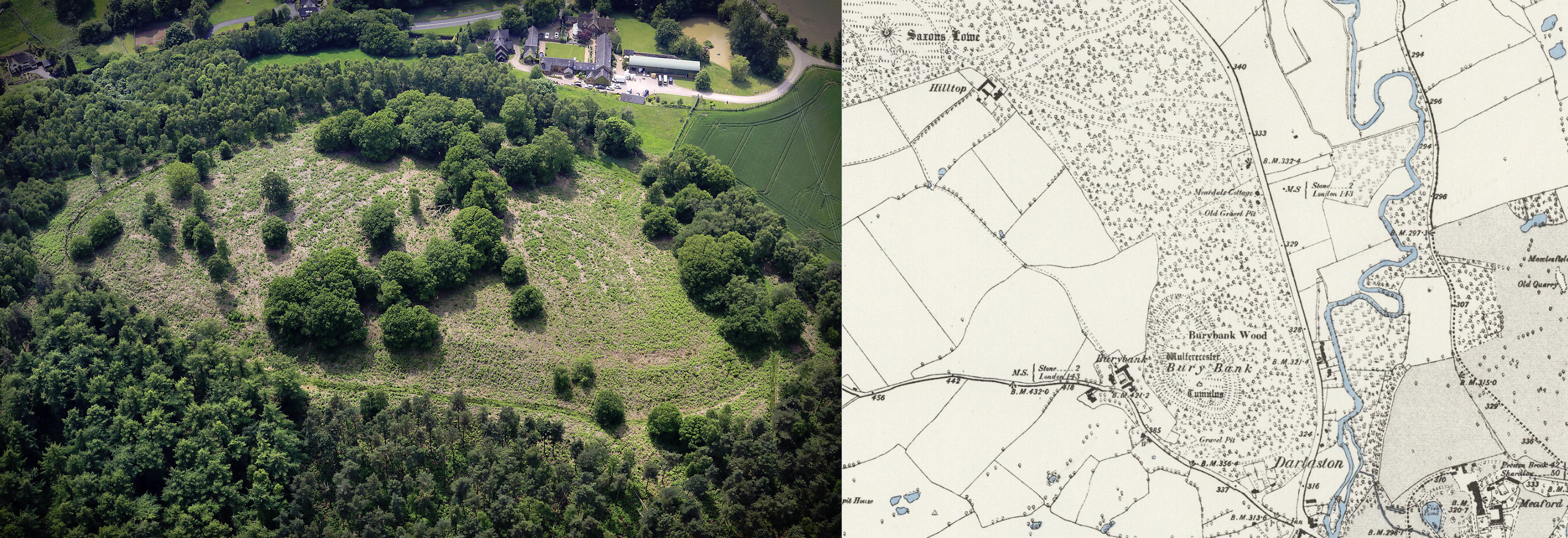
The hillfort at Bury Bank, north of Stone at Meaford, is a new addition to the 2016 official “at risk” register of historic sites.

“Declining: Generally unsatisfactory with major localised problems”, mostly arising from natural “scrub/tree growth”.

Since the time of John Leland’s travels in Tudor England the site has been known and written of as an ancient seat of the Anglian king of early Mercia, King Wulfhere (657-74 AD).

burybankview

From “A few jottings on some Staffordshire Camps” in North Staffordshire Naturalists’ Field Club, Annual Report and Transactions, 1892. quoting Plot:

“Dr. Plot in his Natural History of Staffordshire, published in 1686, thus quaintly describes this place: “On the top of a hill there yet remains the ruins of a large castle, fortified with a double vallum and entrenchments, about 250 yards diameter, the gate seeming to have been on the west part of it where the side banks on each hand plainly appear : others fancy there was a second gate on the east side too ; though I could not perceive any probability for it, but on the south side there is a round conical hill, much like a tumulus cast up higher than all the rest of the work, which, according to the tradition of the country thereabout, was the seat of Ulferus [Wulfhere], King of Mercia …. Mr. Sampson Erdeswick asserts that he had seen an old writing relating to the foundation of the Priory of Stone [founded from c. 1138 – 1147 A.D.] that affirms as much : which may, perhaps, be that of R. de Suggenhill and Petronel his wife, whereby they gave to the Church of S. Mary and S. Ulfade of Stone Messuagium juxta montem qui dicitiur Ulferecester in terroris de Derlaston ; which index proves fully that this was the royal mansion of the said Ulferus who governed Mercia from the year of Christ 657 to 676, the Lowe (tumulus) adjoining being in all probability the place of his sepulture.”


Approximate translation of the Late Latin given above:

“A plot of land with a house, next to the great mound on the lordly castle of Ulfere [Wulfhere], the fierce warrior of Derlaston”.

On Derlaston, see map (above). On the name, The Place-names of England and Wales (1916) records: “DARLASTON (Wednesbury and Stone): St. D. 954 Deorlavestun, Derlavestone, 1004 ib. Deorlafestun, Dom. Dorlavestone. Wed. D. a. 1200 Derlavestone.”

Now, in Deor|lave|stun the deor was a deer (or, at that time, any other large hunted meat-animal), lave was ‘to wash’, and stun is presumably stone. Given the geography, possibly the name is then related to the stepping stones across the river, also a place where the deer / animals were cleaned and washed after the King’s summer hunts? The hounds would also need such a place to be washed in, and any wounds or scratches noticed and treated. And yes, there was deer-hunting before the Normans arrived.

The similarly-named Darlaston in South Staffordshire, near Wednesbury, has a comparable situation on the upper reaches of a river — being located where the three head-streams of the River Tame converge. The convergence of three streams was long regarded as a ‘special place’ for pagans, especially if at or near the head of a water that when lower down became a large river to the sea.

The recent scholarly book Lichfield and the Lands of St. Chad (2020) notes another textual source for the Wulfhere link…

Wulfhere’s fortress in the Passio [of St. Wulfhad, early 14th C.] is called Wlferecestria, a name that was applied locally to a hillfort a mile north-west of Stone, known now as Bury Bank, which is attested in early thirteenth-century entries in the Stone Chartulary.

Further, if we accept a relatively early date for the famous poem Beowulf, then the summer hunting palace of a King of Mercia would have a starting claim as the possible place where Beowulf was first written down by a scribe circa 700 A.D. — who we know originally used the Mercian dialect. There was a period of academic debate about the dating of Beowulf, but recent books now give fairly incontrovertible evidence for the long-assumed early dating.

Given such dating, a summer scribing at Bury Bank would have been after King Wulfhere’s time (657-74 AD), and would also have to assume that the site was also used later under the pious Aethelred (king from 675–704) or young Coenred (king from 704–709). The latter’s short reign was “blighted by numerous Welsh incursions into western Mercia”, which would suggest the need to have Bury Bank also become something of a strategic military site on the border with Wales. Though the reign of Aethelred is the more likely of the two, for Beowulf.

Tom Shippey however puts ‘the date of coining’ of the Beowulf tale a little after Coenred, at 710 A.D. — as a deft poetic melding of real earlier Scandinavian tribal history with supernatural elements and a Christian overlay — and puts the scribal copy-of-a-copy we now have at around 1000 A.D. He has elsewhere noted that the first known owner of the Beowulf original was the Bishop of Lichfield, which I would add is relatively near to Bury Bank in mid Staffordshire.

The Association of British Counties

The Association of British Counties is “a society dedicated to promoting awareness of the continuing importance of the 92 traditional Counties of the United Kingdom.” Their basic aims are that:

  * the borders of the historic counties should be marked on maps and appropriately signed;

  * the geography of the historic counties should be adopted by writers, editors, publishers, organisations, and businesses for all suitable (non-administrative) purposes;

  * the historic counties should be the standard for use in studies of history, local history, historical geography and genealogy; and used in cataloguing, indexing and organising historical records and documents;

  * the historic counties should be used as the county line in all UK postal addresses.

These worthy aims are getting some traction, and the traditional counties are now once again publicly recognised by government. The Secretary of State for Communities and Local Government said in a speech in 2013…

“… we are championing England’s traditional local identities which continue to run deep. Administrative restructuring by previous governments has sought to suppress and undermine such local identities. Today, on St George’s Day, we commemorate our patron saint and formally acknowledge the continuing role of our traditional counties in England’s public and cultural life.”

It has also been announced by government that traditional county names can be placed on road-signs. In 2014 the people of Cornwall were officially recognised as a people. From 2015 Staffordshire formally adopted and promoted May 1st as the ‘County Day’, branded and promoted as Staffordshire Day from 2016, and with a very major ‘A Day at the Lake’ celebration in North Staffordshire (sadly utterly washed-out by rain and cold). In future we need to ensure that the marketing and map for each Staffordshire Day covers the country’s traditional rather than current boundaries. Journalists, writers and artists and others can all do their bit in such promotion. Sports coaches and teachers too, when naming new sports teams, school houses and suchlike. A simple website to help with that is the ABC’s excellent County-Wise: get to know the Historic Counties.

The ABC have an annual journal, free online, Our Counties : The Association of British Counties Annual.

I have to say that currently the ABC seems to have got a bit sidetracked into designing and promoting very naff new county flags. A flag has no emotional resonance whatsoever in somewhere like north Staffordshire, and frankly it feels like an unwarranted imposition into history. The flags also give cynical journalists the opportunity to make ‘the counties’ cause look incredibly cranky in the mainstream media. Their clunky and gaudy design also undermines the ‘cool factor’ needed to entice a critical mass of serious artists and writers to quietly take up the cause. But otherwise the ABC is a very worthy organisation and should be supported.


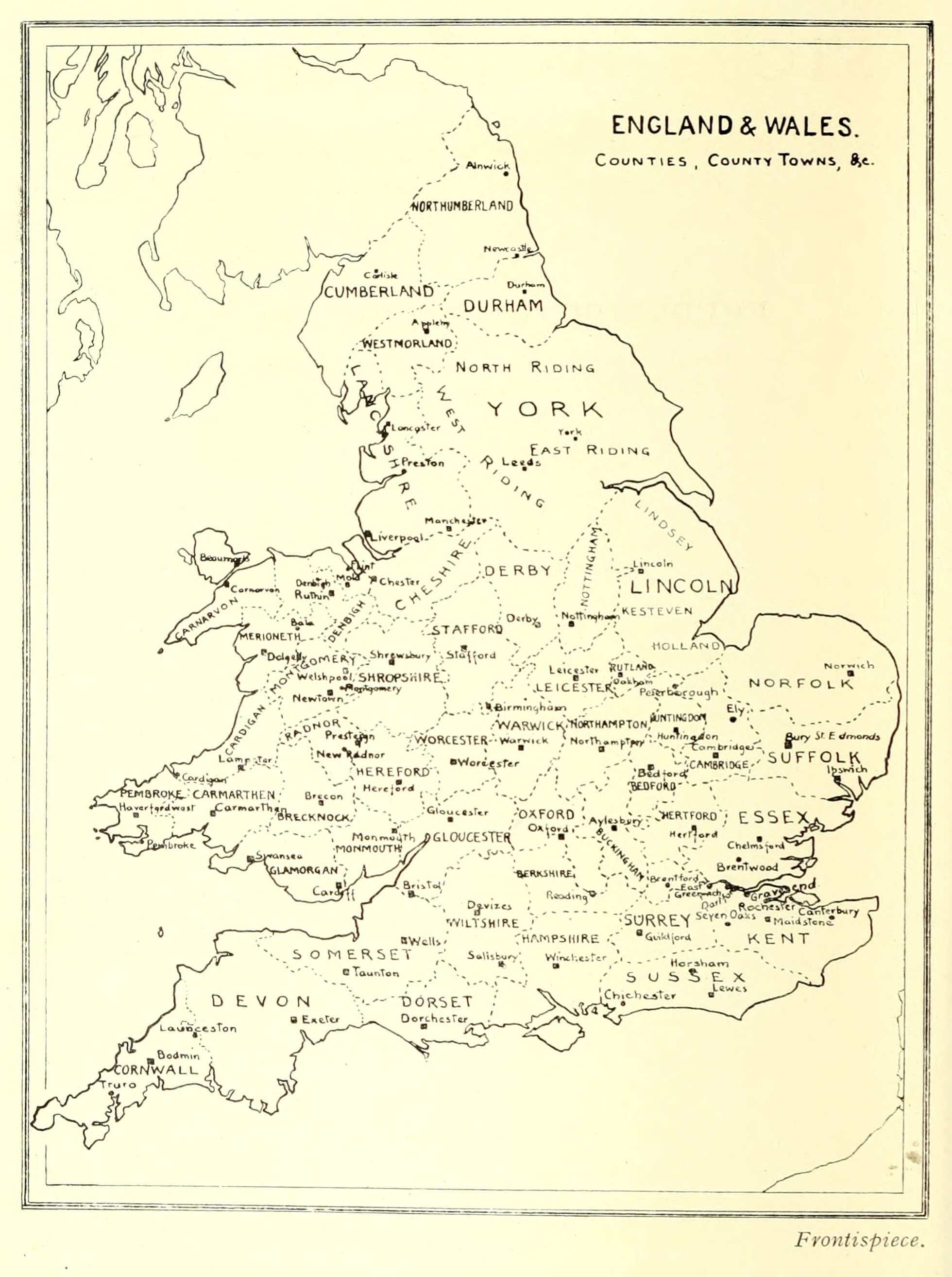
From The story of the shire, 1921.

Dr. J. Wilfred Jackson – pictures of the Peak

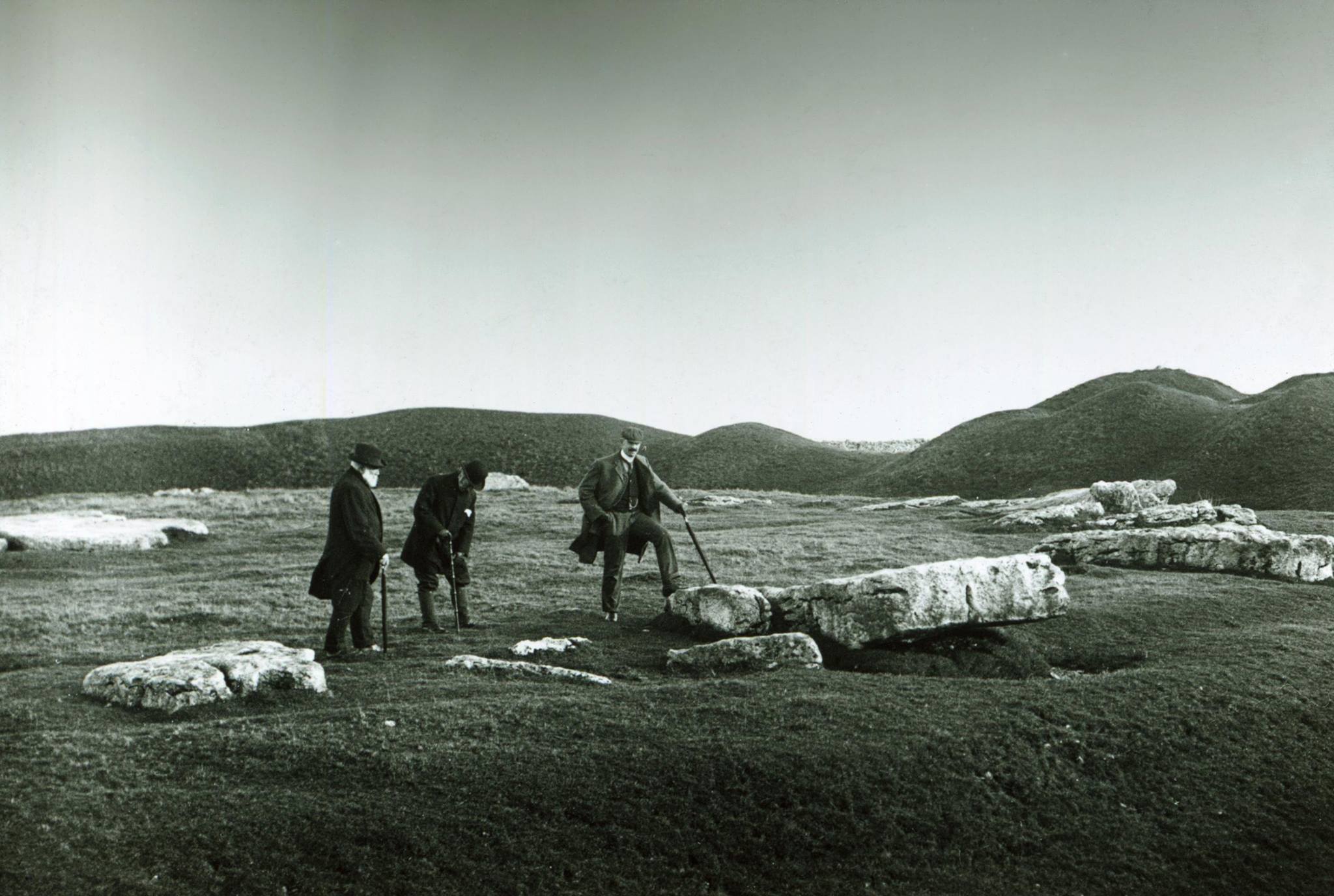
peakArbor Low, from the J.W. Jackson Collection.

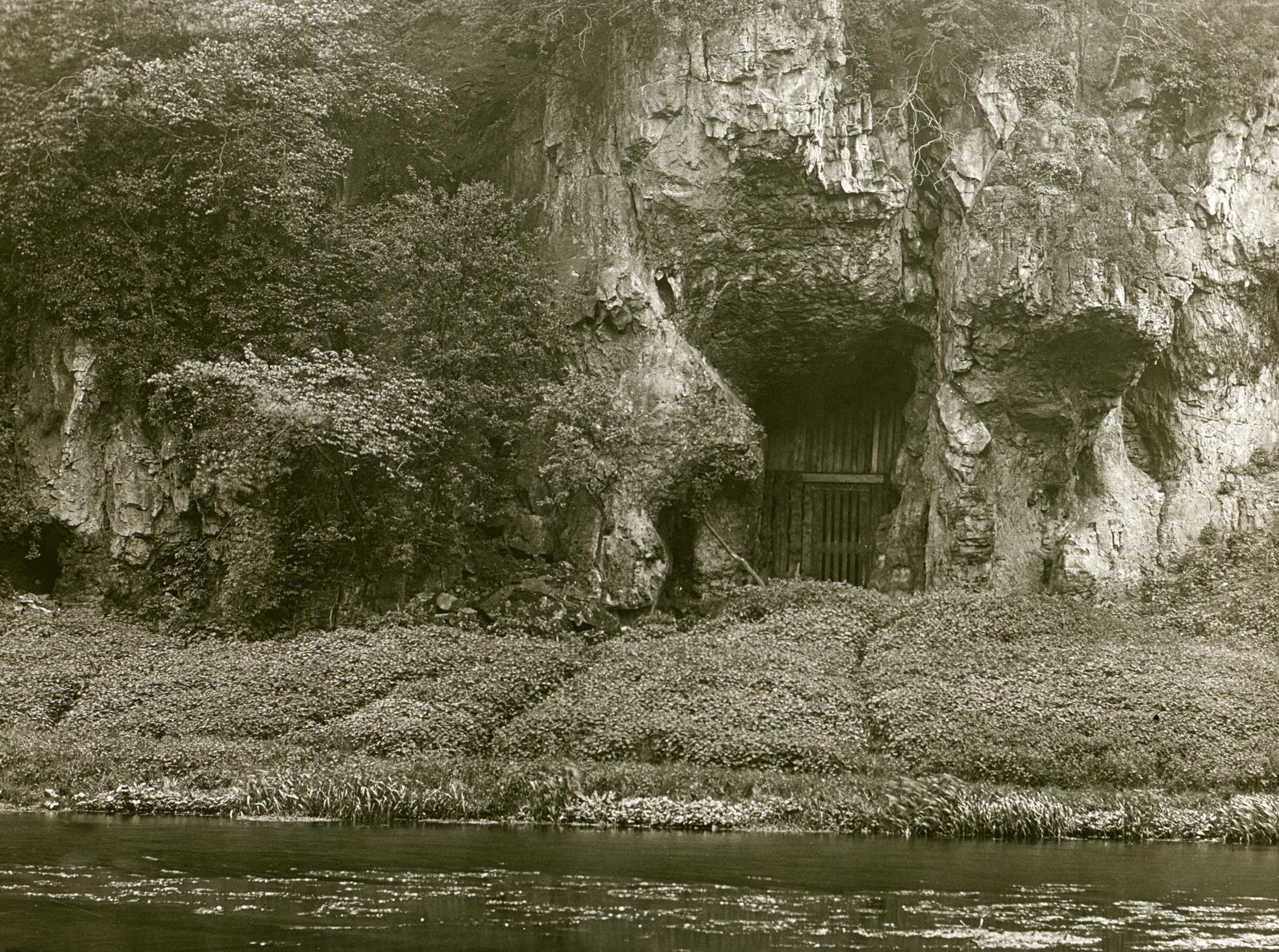
dersb-2005-3-680Church Hole Cave, Creswell Crags, from the the J.W. Jackson Collection.

Pictures from the J.W. Jackson Collection at the Buxton Museum, in the north Midlands of England, a collection which is in the early stages of being digitized. They write of the stone circle picture that… “The location is Arbor Low, near Monyash [Neolithic, in the Peak District]. We think Jackson took original photo himself. We have a great number of his lantern slides at the museum, including other views of Arbor Low, but also many other places in the Peak District. We’re currently in the process of trying to digitise more of the collection so that we can share more online.”

Jackson was Dr. J. Wilfred Jackson (1880-1978).

The Arbor Low picture looks to me to be after about 1905, and probably the 1910s, judging by the wearing of a flat cap with a country suit.

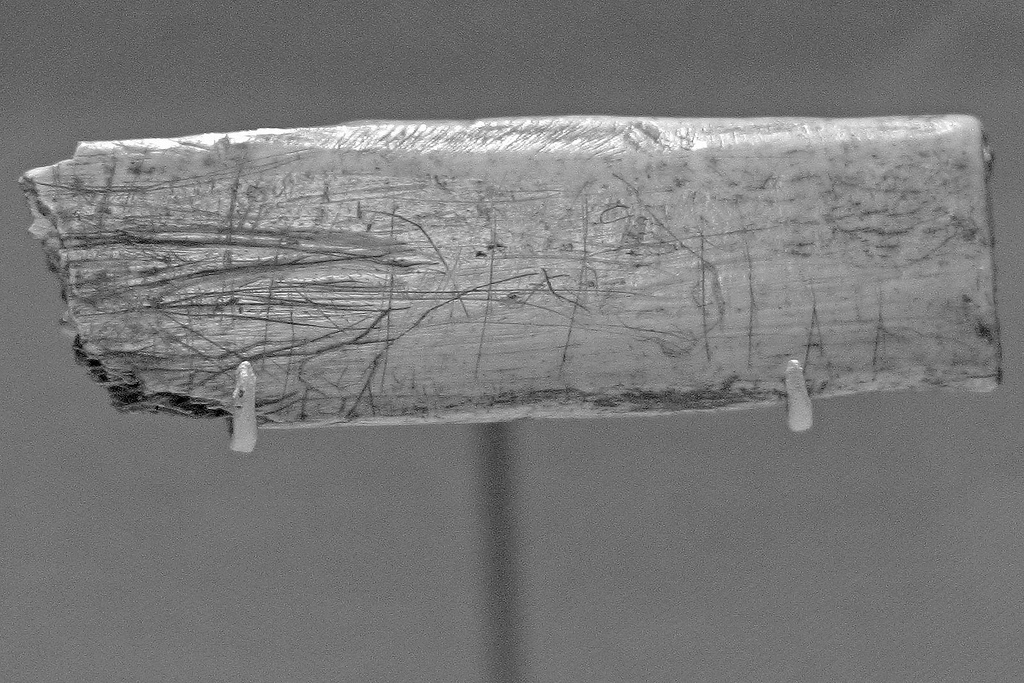
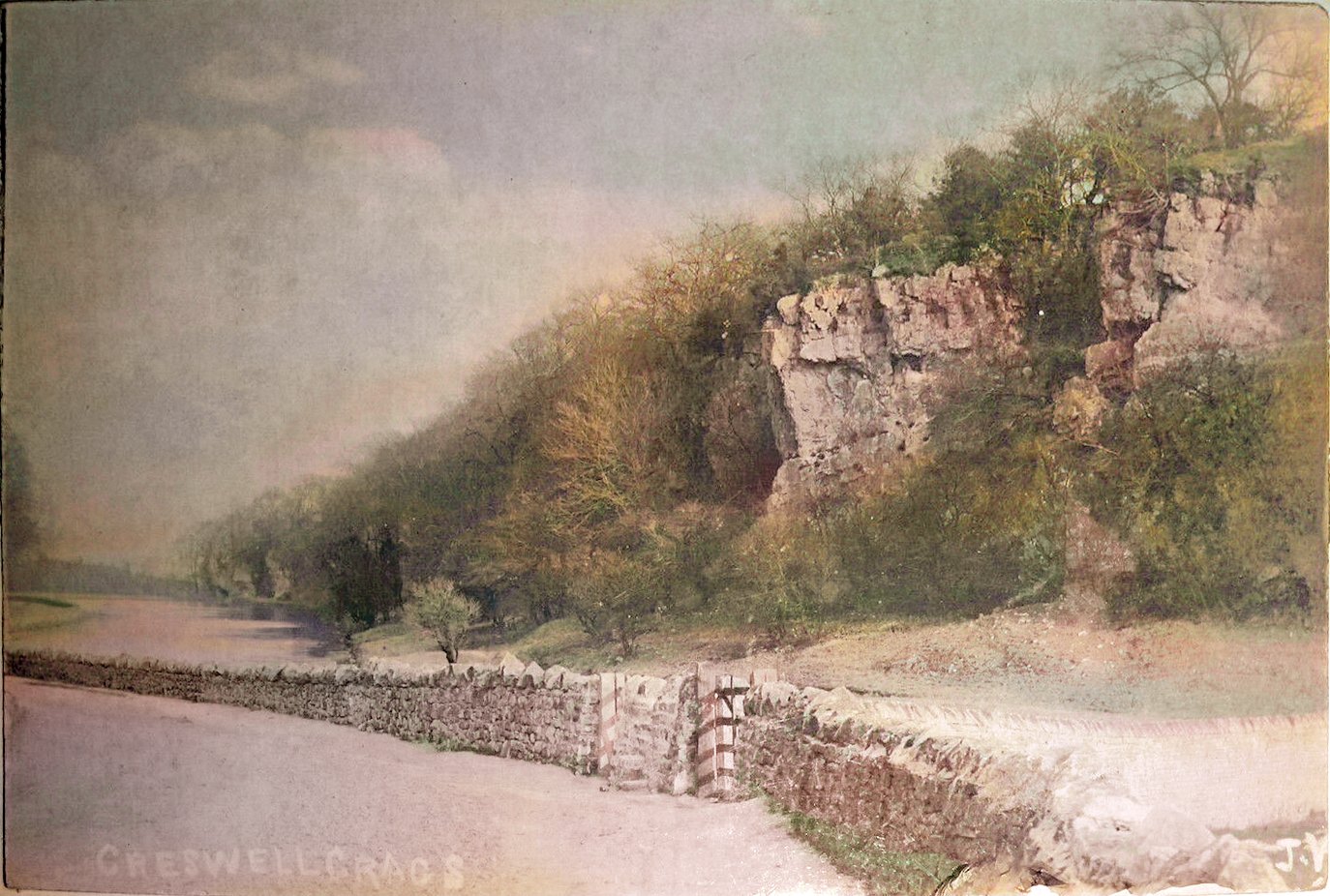
The lower picture is of Church Hole Cave, Creswell Crags, near to the site of the discovery of the most ancient art in the British Isles. Below is my macro photo made in the British Museum, of the art found there. The shape of an Ice Age horse’s head, with a mane etched across the top. Found at Robin Hood Cave at Creswell Crags in Derbyshire.

crag_ice_age_art_uk

Why do we ignore Birmingham and the West Midlands?

An interesting theory today on “Why do we ignore Birmingham and the West Midlands?”. Because, the writer says, of the total mess we’ve made of our boundaries including our beloved traditional county boundaries. We’ve tinkered and tinkered until we ended up with the total mess that have today, exemplified by monstrosities such as the map of the Greater Birmingham LEP area.

“Without a common identity, city regions have struggled to create common institutions. Without those, they struggle to solve joint problems, or build a single economy.”

I think he’s broadly right, but needs to factor in the dire legacy of municipal socialism in places such as Birmingham and Stoke, and of course the sneering prejudice from London, which both scared away business investment. The lesson: don’t tinker with key boundaries that have been settled for a millennia or more.

Two free books on wassailing in England

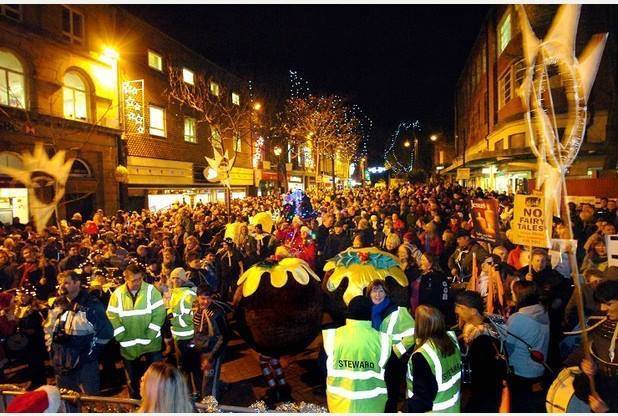
Apple wassailing is an ancient tradition, taking the form of a New Year procession. I was pleased to see it revived recently in Stoke-on-Trent. The apple and fruit trees of a district are each visited in turn. The men sing to them, toast their health in cider and the boys tap their trunks with whippy sticks in a sun-wise direction, in order to ‘wake up’ the trees and ‘turn them back toward life’. The wonders of digitisation have recently turned up two excellent free books on the topic, written by a Cambridge academic and published by Manchester University Press.

* J. Rendel Harris, “Origin and meaning of apple cults”, Bulletin of the John Rylands Library, 1919, Vol.5, Nos. 1-2, pages 29-74. Later published as a pamphlet by Manchester University Press and Longmans.

* J. Rendel Harris, The Masque of the Apple, Manchester University Press, 1920. This attempts to embody the traditions and beliefs in a series of historically accurate masques (short plays).

wassailing-devon

Milton’s Comus – a forgotten Midlands gem?

mas

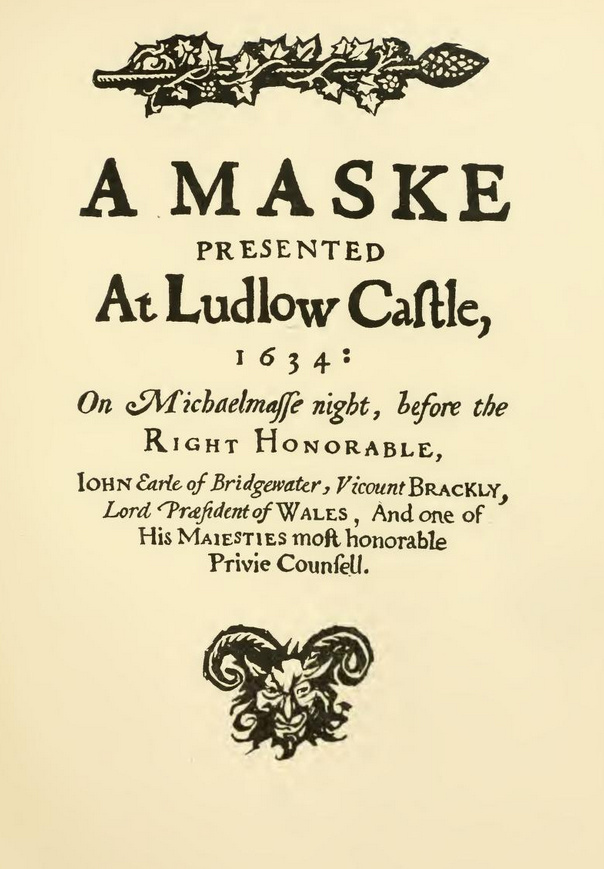
Perhaps wrongly, I’ve always associated Milton with ponderously unreadable 500,000-line puritan poems on Biblical themes, in which he basically tried to rewrite the Bible. But on looking into his influence on the young J.R.R. Tolkien (slight, except in one instance) I’ve discovered that as a young writer, age 26, Milton produced a sprightly and short young man’s play. This was the Midsummer Night’s Dream-like masque, Comus (1634). [Audiobook]. In his time it had a one-and-only performance locally, in Shropshire in the grounds of Ludlow Castle, to celebrate the appointment of the new Marcher Lord there. The Encyclopaedia Britannica has…

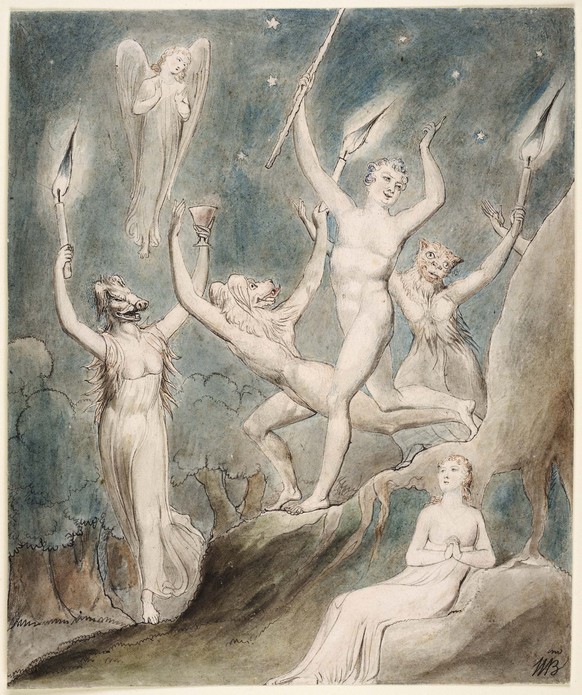
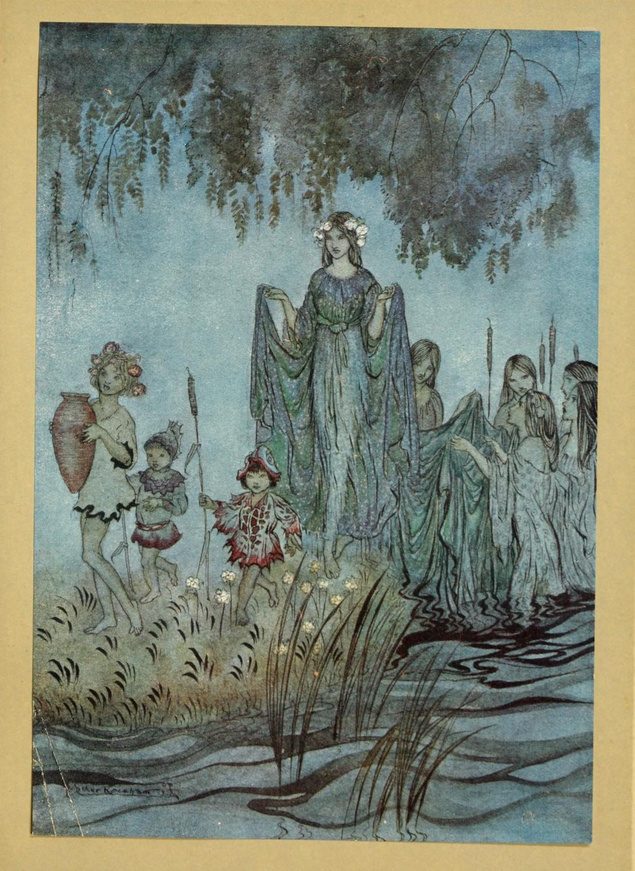
“Comus is a masque against “masquing,” contrasting a private heroism in chastity and virtue with the courtly round of revelry and pleasure. It was Milton’s first dramatizing of his great theme, the conflict of good and evil. The allegorical story centres on a virtuous Lady who becomes separated from her two brothers while travelling in the woods. The Lady encounters the evil sorcerer Comus, son of Bacchus and Circe, who imprisons her by magic in his palace. In debate the Lady rejects Comus’s hedonistic philosophy and defends temperance and chastity. She is eventually freed by the two brothers, with the help of an angelic Attendant Spirit and the river nymph Sabrina.”

Fascinating. It has sweet music as well: in 1745 Handel wrote “three songs and a trio” for the masque, which were likewise performed at Ludlow Castle.

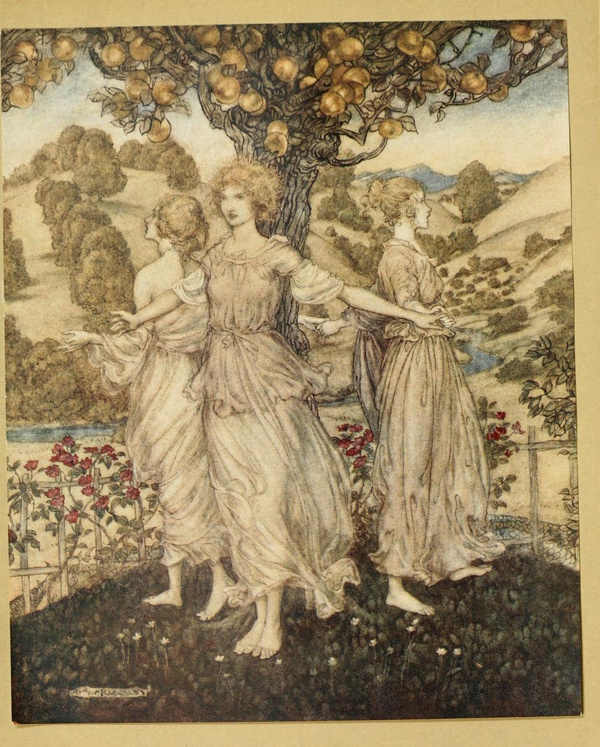
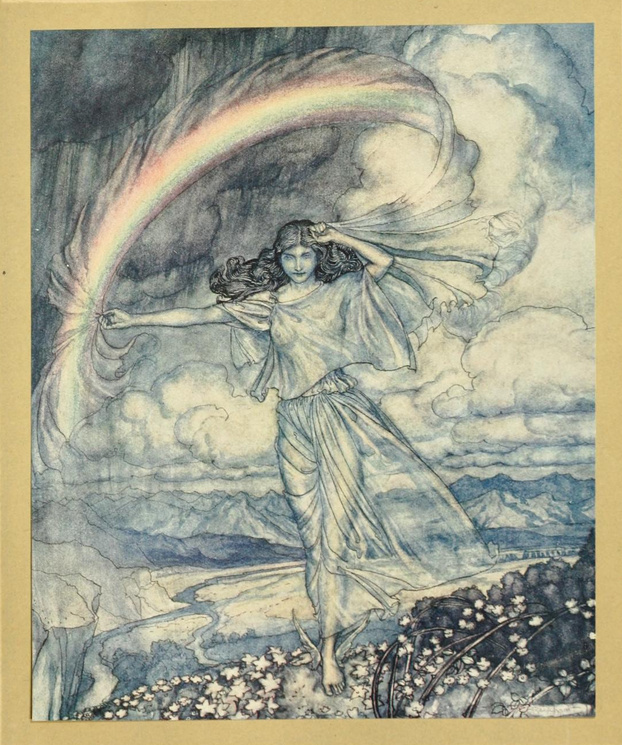
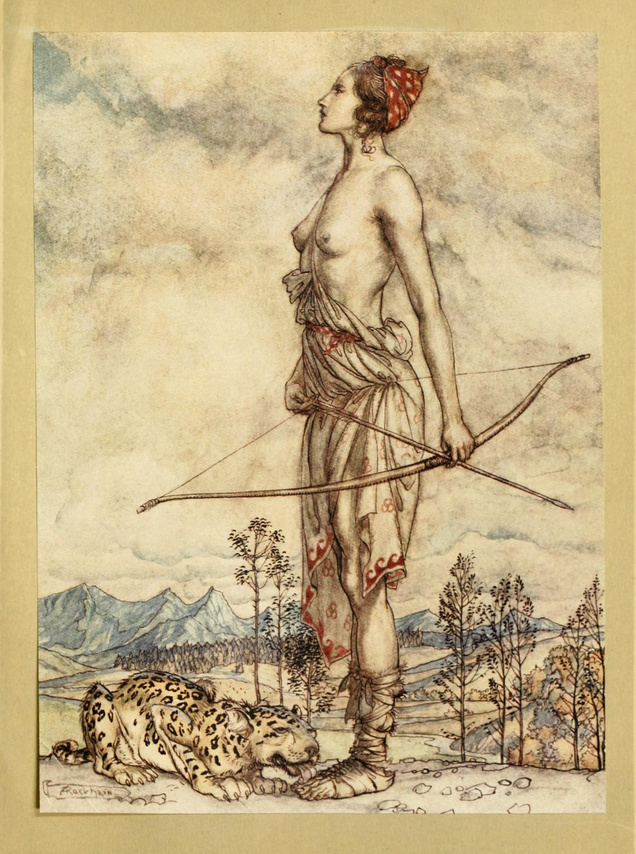
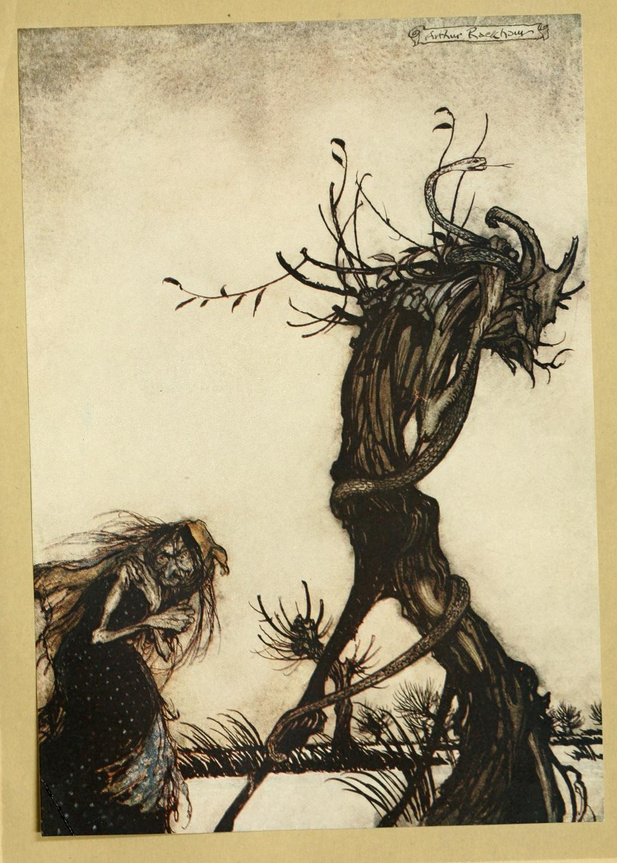
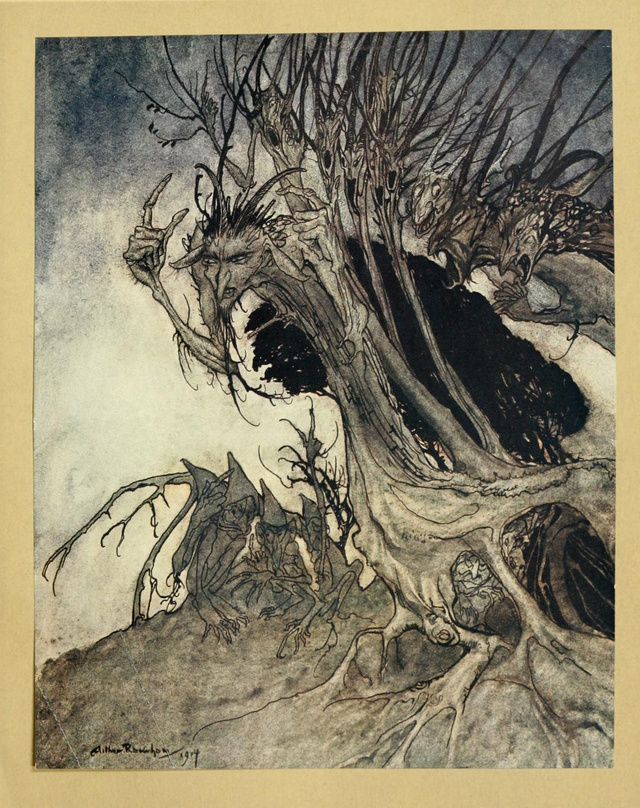
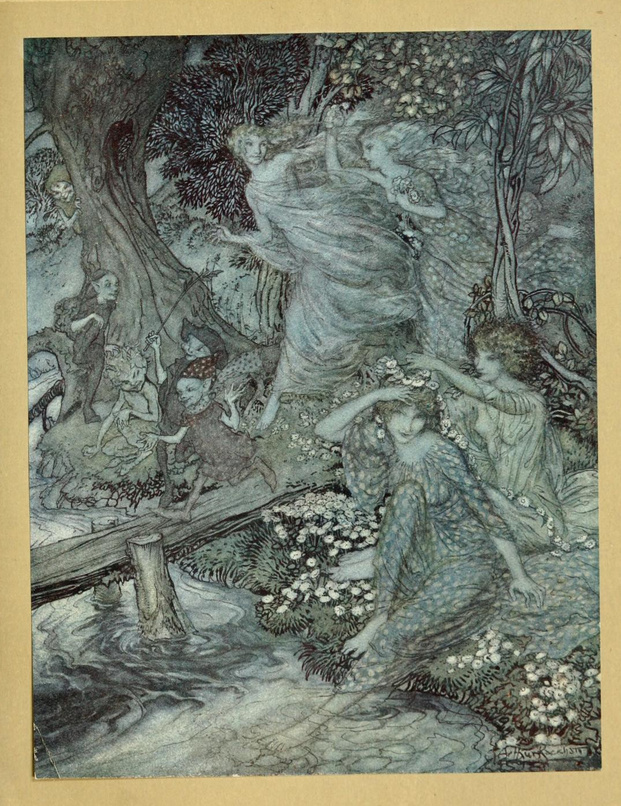
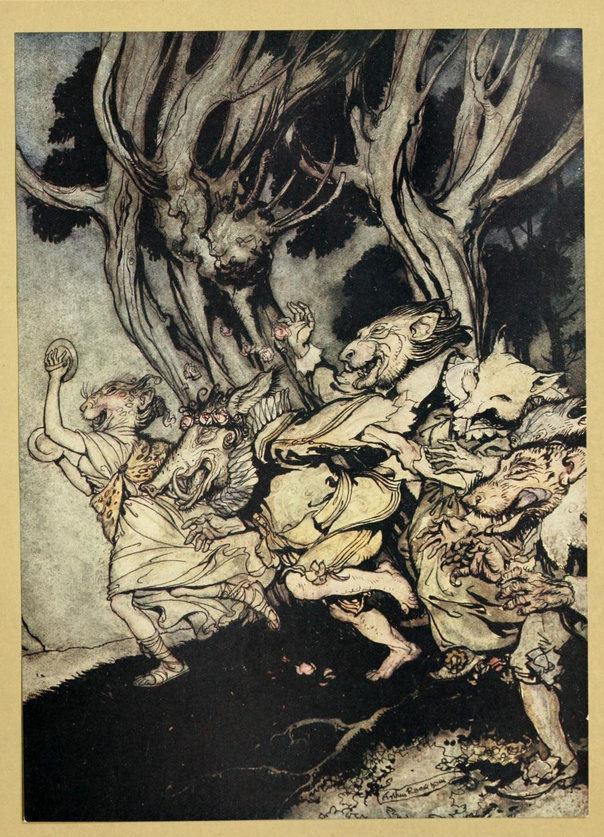
Illustrations too. No less than William Blake produced a set of illustrations for it. The great Arthur Rackham also produced an illustrated edition in 1921.

comus

blake-comus1

Seriously… Milton, Handel and Blake… strong women, sex, wizards and fairies… why on earth isn’t Comus being claimed as a West Midlands classic (no-one else seems to want it) and regularly performed by the Royal Shakespeare Company as an adapted touring show with slightly modernised language? It’s short, so could be paired with something more box-office friendly in the same line, such as some of the hobbit songs from The Lord of the Rings. And an exhibition of the artwork.

Sources:

* Comus, facsimile edition of 1903.

* Comus illustrations by William Blake

* Comus, illustrated by Arthur Rackham along with a clear presentation of the text.

* Comus, annotated version explaining the classical allusions and antiquated words.

* Handel’s Comus music.

Some of the Comus illustrations by Arthur Rackham…

r8

r7

r6

r5

r4

r3

r2

r1

There was one recent instance where Comus attracted attention. The book Scenes from Comus (2005), from the great Midlands poet Geoffrey Hill, was a collection of poems on notions of the comedic and masques, and the ridiculous aspects of old age. But it wasn’t any kind of adaptation of the play, as the word is usually understood.