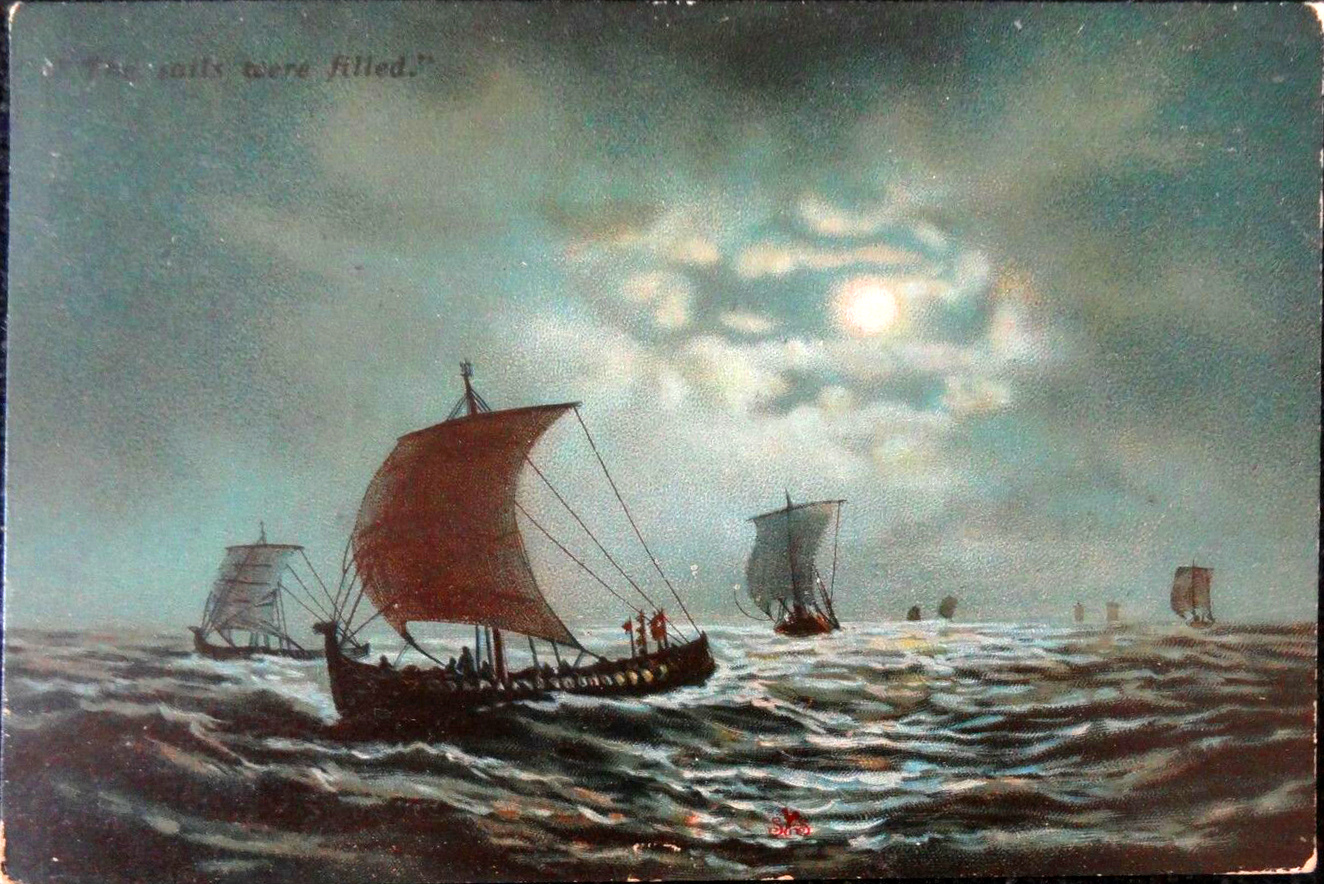
“Their sails were filled…”

As we head toward The Swedish History Museum’s massive door-buster exhibition on the Vikings (set to open early 2021, when last heard of), there are reviews of two recent books on the topic. The Silver Key reviews Tom Shippey’s Laughing Shall I Die: Lives and Deaths of the Great Vikings, in which Shippey rebuts the ‘shy, sensitive antiques dealers’ image of the Vikings that is currently purveyed by academics…

I didn’t realize the extent to which this re-evaluation of the Viking character was working overtime in the halls of academia. Laughing Shall I Die: Lives and Deaths of the Great Vikings (2018, Reaktion Books) is Shippey’s semi-bombastic rebuttal to the revisionists and whitewashers. It’s not that Vikings weren’t also great traders, or slowly shifted from raiders and slave-takers to land-owners and eventually settlers, but Saga literature and even the archaeological record paints a picture of savagery and warrior ethos that can’t be so easily explained away.

The Russell Kirk Center reviews How the Vikings Saw Themselves, which takes more of a hard archaeological and ‘material culture’ view, also informed by the latest research on the religious practices…

“Price, a professor of archaeology at Uppsala University in Sweden, has added a simultaneously authoritative and accessible account to the rapidly growing and interdisciplinary scholarship on the Vikings. … Through the Vikings’ material culture, he discovers a civilisation thoroughly invested in the stabilising force of monarchical rule. Despite the Vikings’ pursuit of power abroad, they had a firm sense of tradition and stability within their own realms. … It builds on his innovative work in The Viking Way (2002), which delves in great scholarly detail into the spiritual lives of the Old Norse speaking peoples.”
The early drafts of The Lord of the Rings

A new blog-post series has started, on Tolkien’s early drafts of The Lord of the Rings. Here are the first two short essays on the early days of the text and story…

Tolkien Begins the Sequel to “The Hobbit”.

Tolkien’s “The Return of the Shadow,” 1937-1939.

They appear to provide a good introductory overview, though not a huge amount of depth. While it’s true that, as a name, “Bingo Bolger Baggins is somewhat of an absurdity” to modern post-war ears, if might not have seemed so in the late 1930s. According to the dictionaries the game seems to have emerged as ‘Lotto’ from the mid 1920s onward and had some overlap with lotteries. But so far as I can tell ‘Lotto’ only became ‘Bingo [Cards]’ when these arrived as a thing after the war. Bingo halls were only a big thing after the mass arrival of TV in the later 1950s, meaning that loss-making cinemas were converted to bingo halls in the early 1960s.

There appears to be a good philological reason for the original choice of “Bingo” (Frodo’s original name) and I suspect there would be others found if I dug deep enough. But Tolkien was definitely not naming his hero after the gambling dens of the local housewives.

“Trotter” (the original Aragorn) is also mentioned in the blog posts and his characteristics also have philological roots, though these lead into Northern myth and lore rather than the linguistics via the name. Also south, to Jason.

More authoritative accounts will of course be found in the Hammond & Scull three-volume Companion and Guide, aka Chronology and Reader’s Guide, not to be confused with their The Lord of the Rings: A Reader’s Companion.

Also on matters Tolkish, I’m pleased to report that I’ve scraped up enough silver pennies to buy the new John Garth book on Tolkien’s various topographies and topophilias, emboldened by its increasingly excellent reader reviews. It’s very rare that I buy a book at full-price and in hardcover, but this has become a ‘must-read’. It should be arriving in the Amazon locker next week.

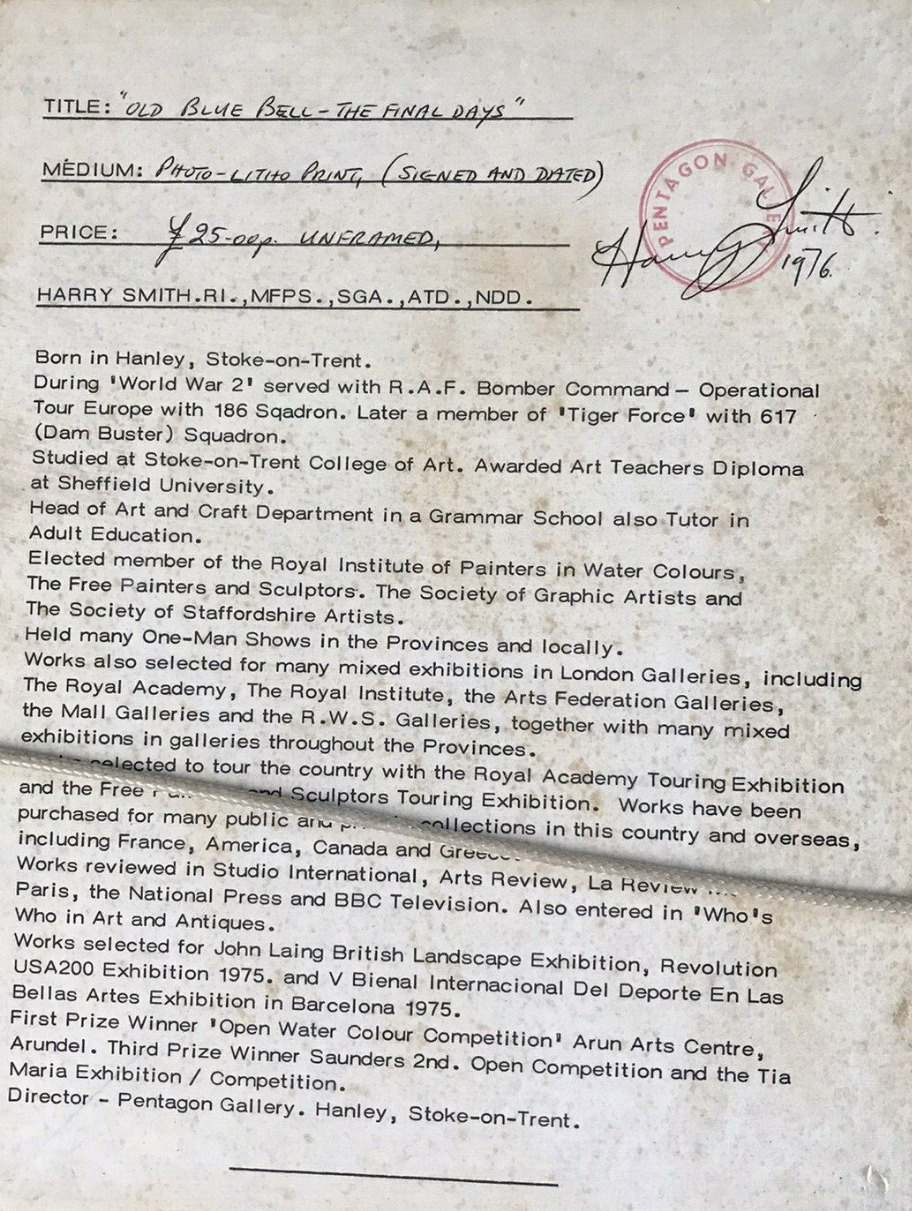
Harry Smith, Potteries artist

The old “Blue Bell” bottle kiln, Stoke-on-Trent, by Harry Smith. A blurry eBay image, so not representative of his fine ink-work. This popped up on eBay and had this usefully complete biography stuck on the back…

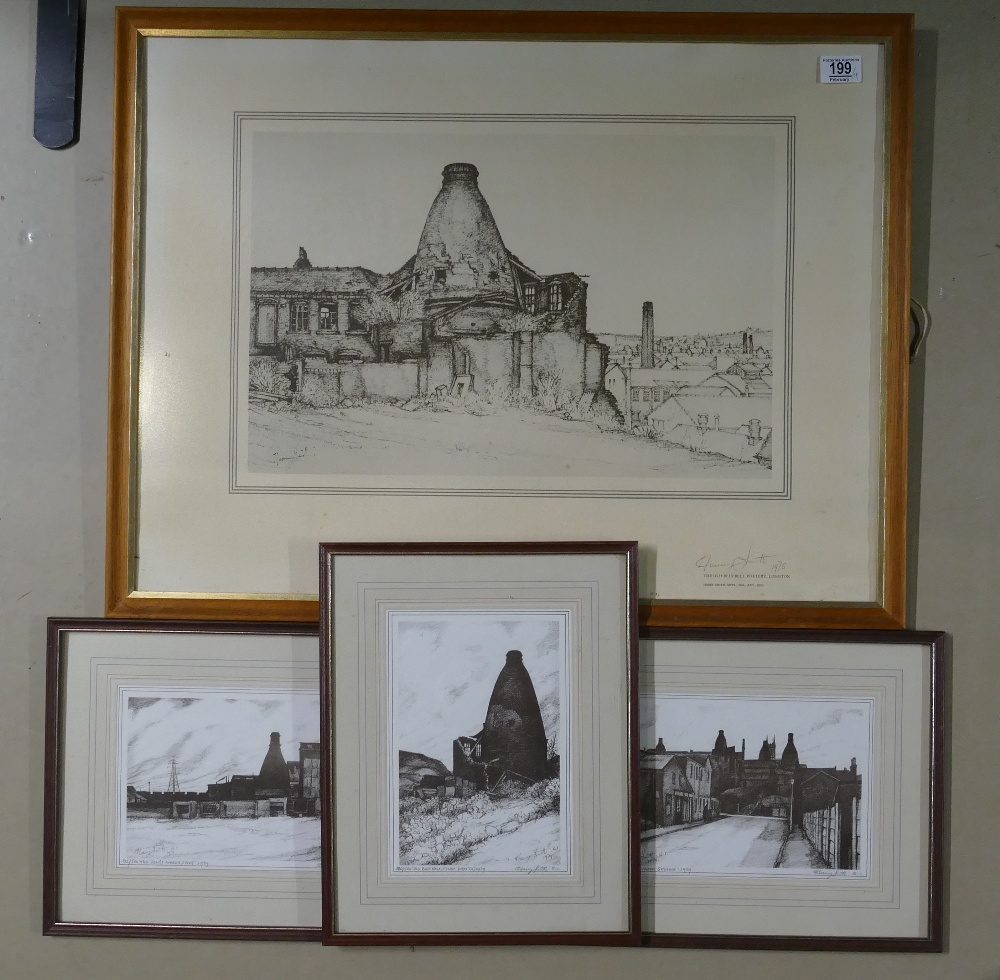
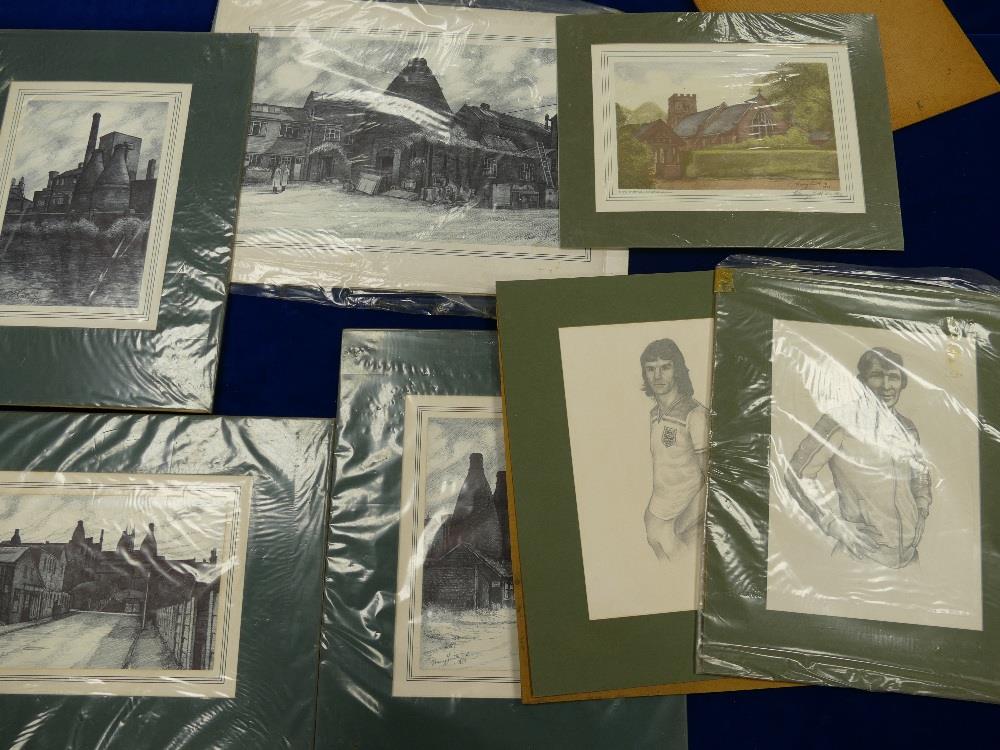
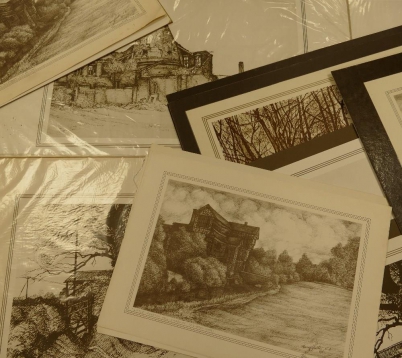
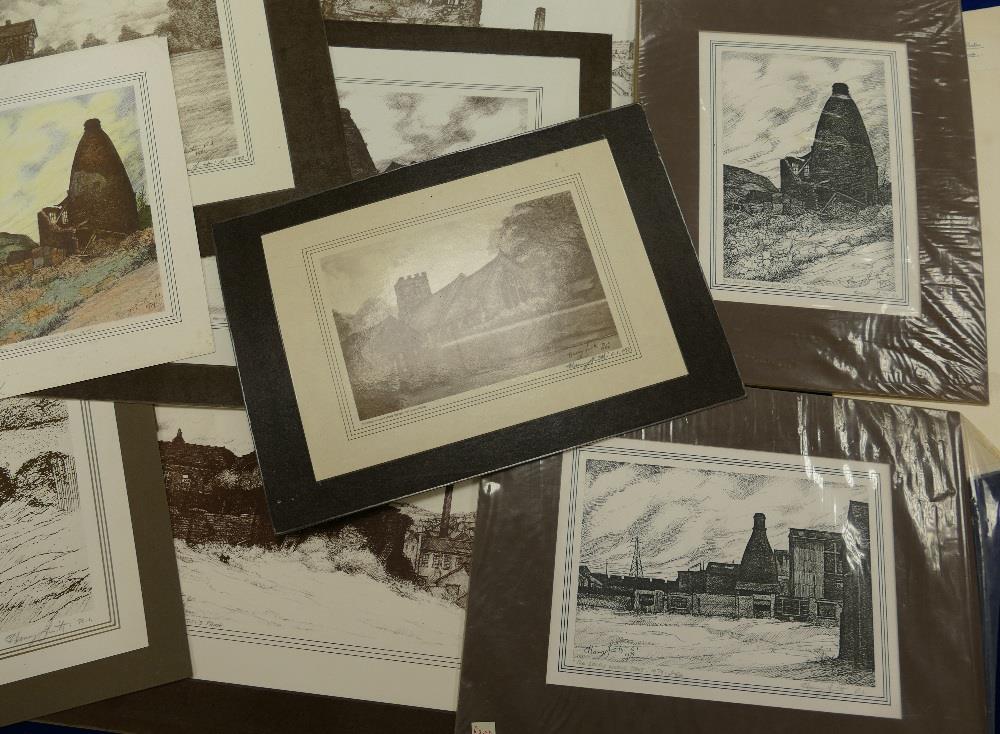
A little riffle through the Potteries Auction website also found these…

He also did some footballing portraits and some Second World War aviation pictures, reflecting his time serving with the ‘Dam Busters’ RAF Squadron. Likely to have been most active in the 1960s and 70s in the Potteries.

Evidently his prints have come up for local auction over the last 18 months or so, and may now be starting to filter onto eBay. One hopes that the best of the originals have been given to local museums for safe-keeping.