Burt Bentley’s Burslem

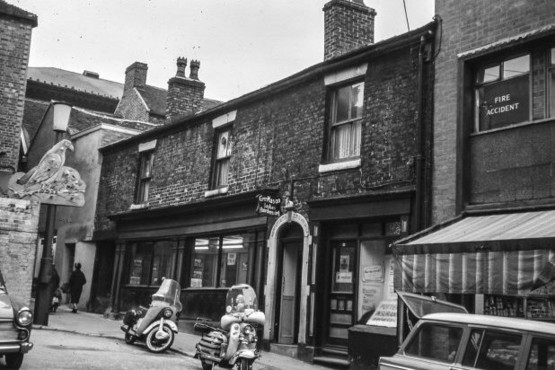
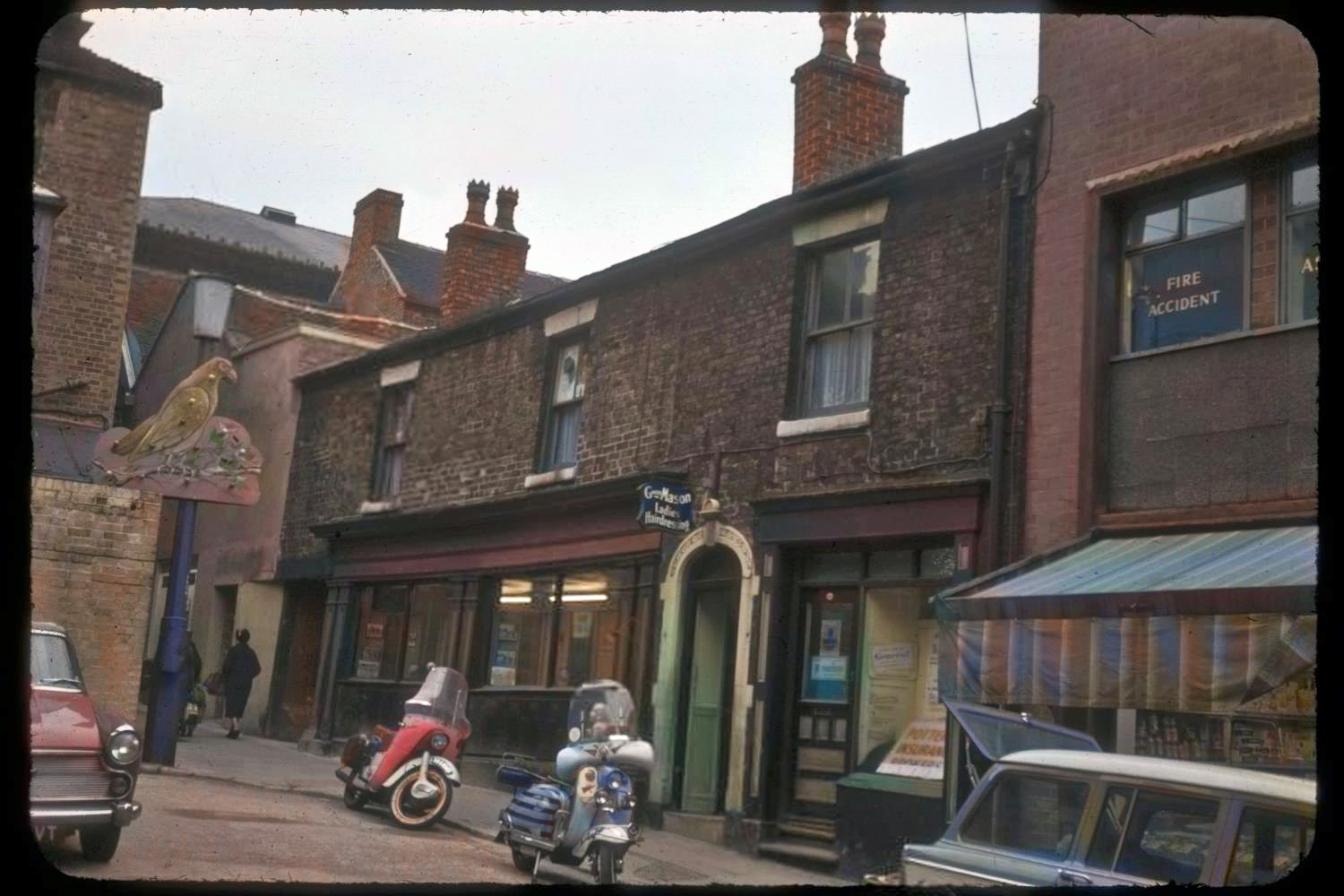
49 great unseen images of Burslem and Smallthorne. They’re from the Burt Bentley collection, recently found in dusty 35mm slide boxes at the City Archives in Hanley.


Picture: "1964 Brickhouse Street. Old building, probably old inn. Top of Street." A familiar sight to those who know Burslem, and one of the settings of my novel The Spyders of Burslem. Aka Brickhouse Street, Cock’s Yard, Cox’s Entry (a corruption of Cock’s, it seems).

Stoke’s edgelands

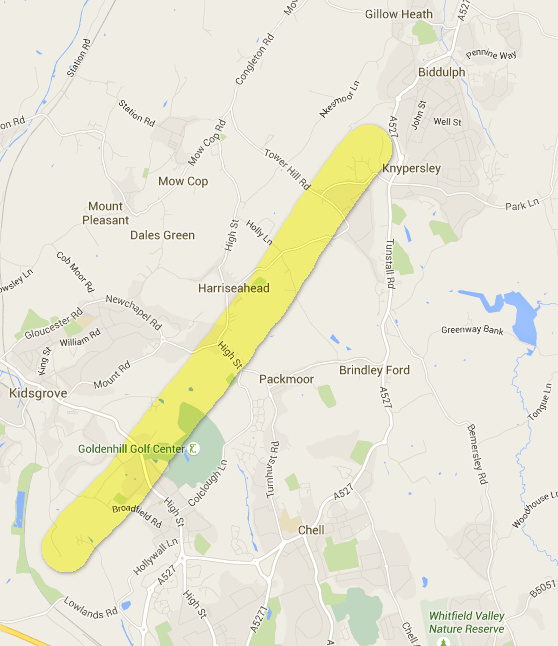
Interesting musings on the north east edgelands just above Stoke-on-Trent in The Sentinel today. Dave Proudlove seems to hint that there may be vague plans to basically infill housing by using the marginal agricultural land between Biddulph and Kidsgrove, which I’m guessing would effectively create a new ‘Bidd-grove’ or ‘Kids-ulph’ conurbation? I’m familiar with the southern part of the section, around Goldenhill, and I could imagine quite a lot of nice new estates fitted in on the relatively flat top-land up there, and more down toward the golf course.

bidd-kidsg

“The push to build more homes across North Staffordshire will see inevitable pressures emerge. Biddulph needs to cater for more than 1,000 new homes in the coming years. The emerging relationship between Cheshire East and Stoke-on-Trent will see talk of big numbers when it comes to housing. The edgelands could be a land of opportunity for some. The biggest changes could be yet to come.”

New public domain images from the British Library

The British Library has this week uploaded over a million images to Flickr at a medium resolution (usually about 1800px to 2000px on the longest side) and a few such as fold-out plates are at up to 4000px. All are marked as public domain, being the sort of engraved plates, figures and maps that one sees in old books. Some suffer a little from scanning that was optimised for text rather than images…

“These images were taken from the pages of 17th, 18th and 19th century books digitised by Microsoft who then generously gifted the scanned images to us, allowing us to release them back into the Public Domain.”

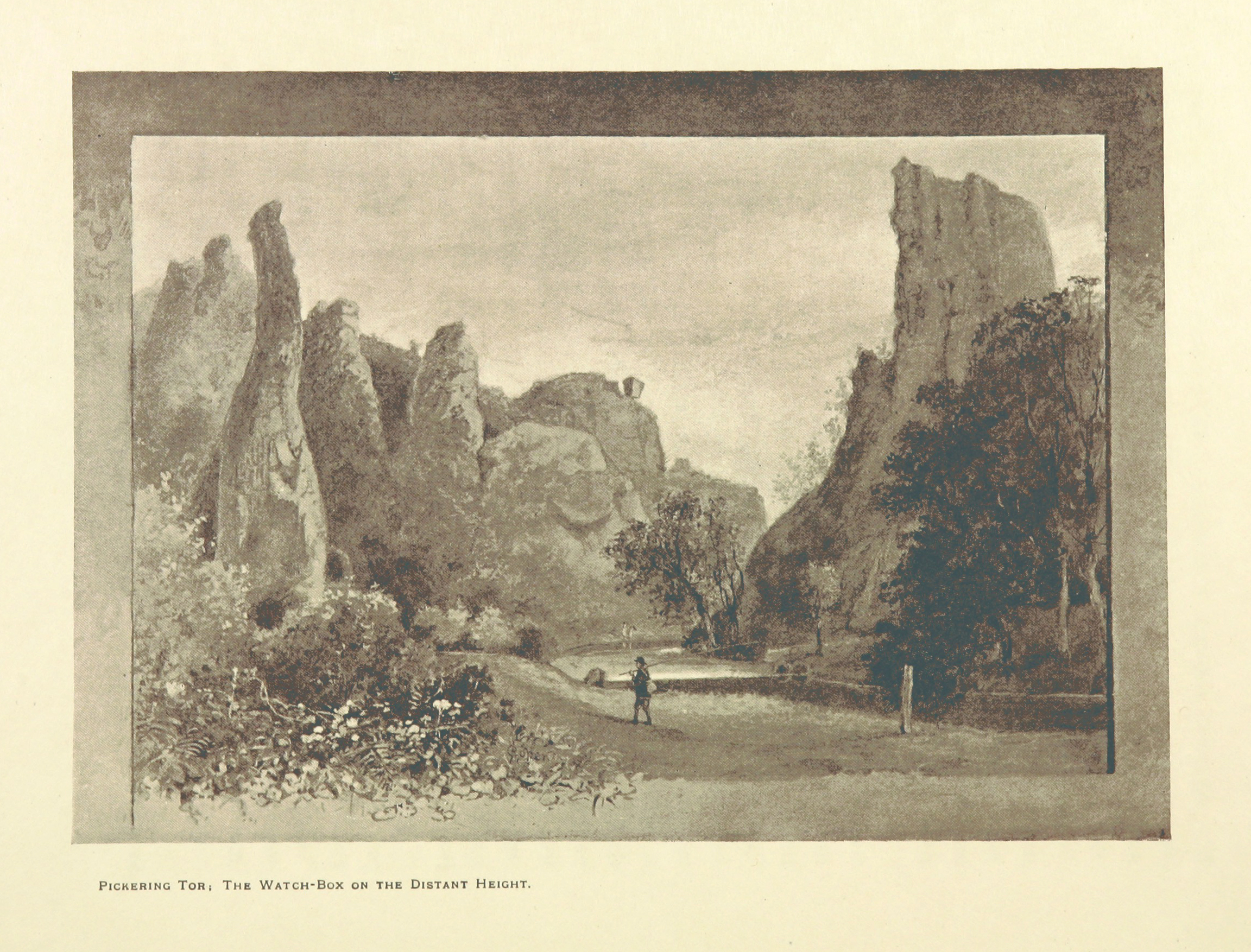
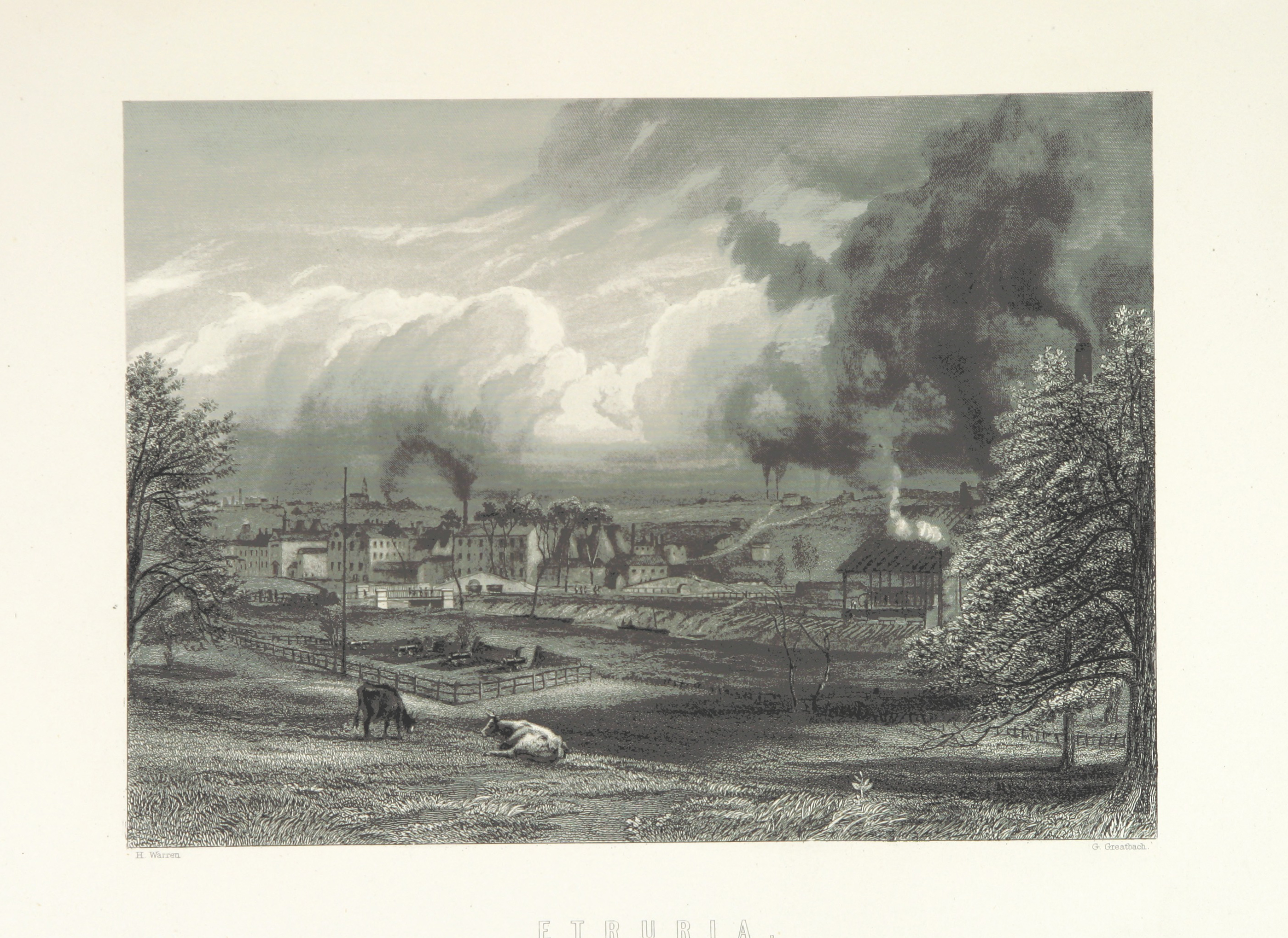
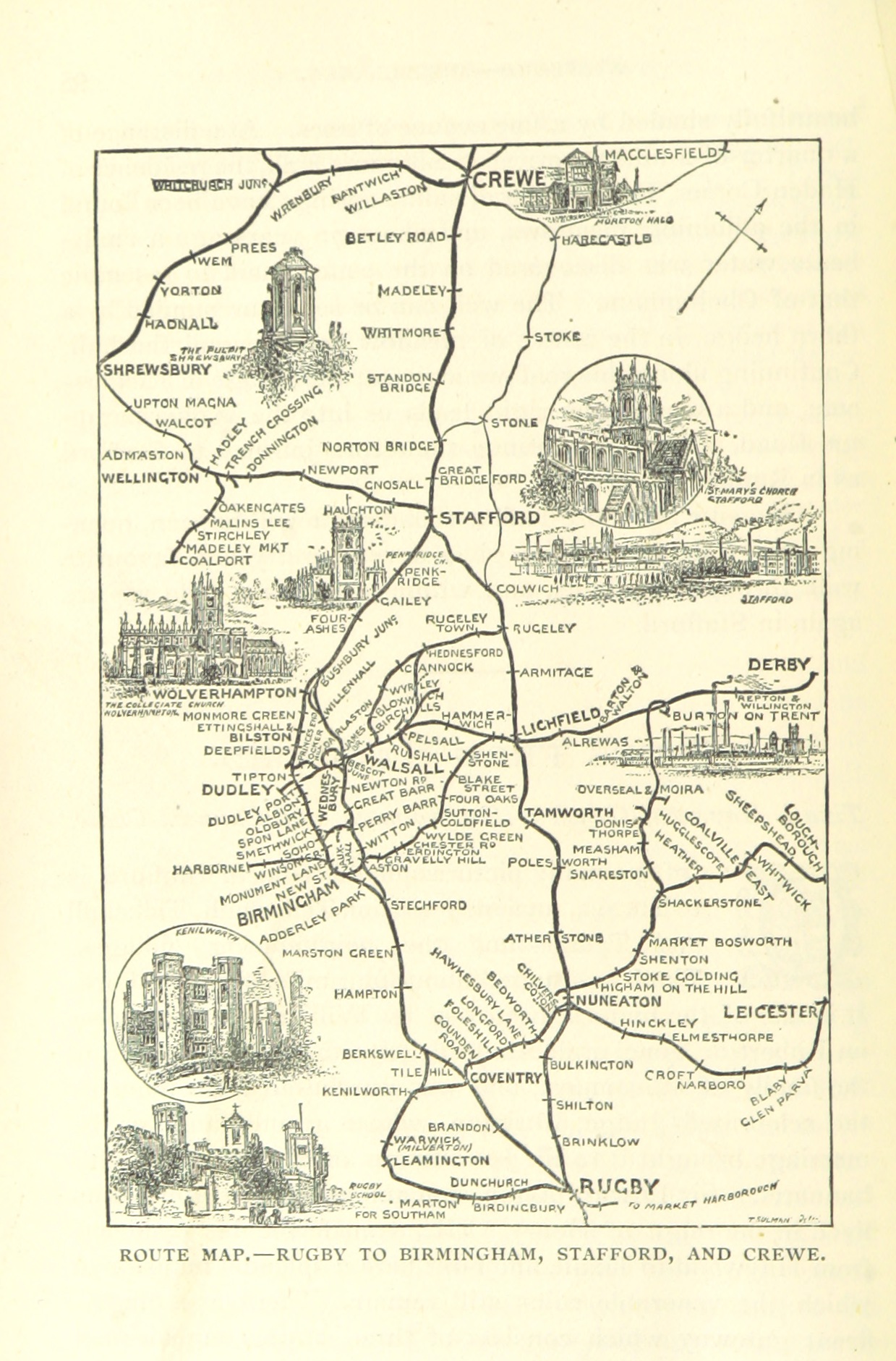
Here are some of the choice items from a search for “Staffordshire”. The image set is barely tagged yet, and the British Library is hoping the tagging will be crowdsourced over the coming months and years. This will make searching inside the corpus much more useful, over time.

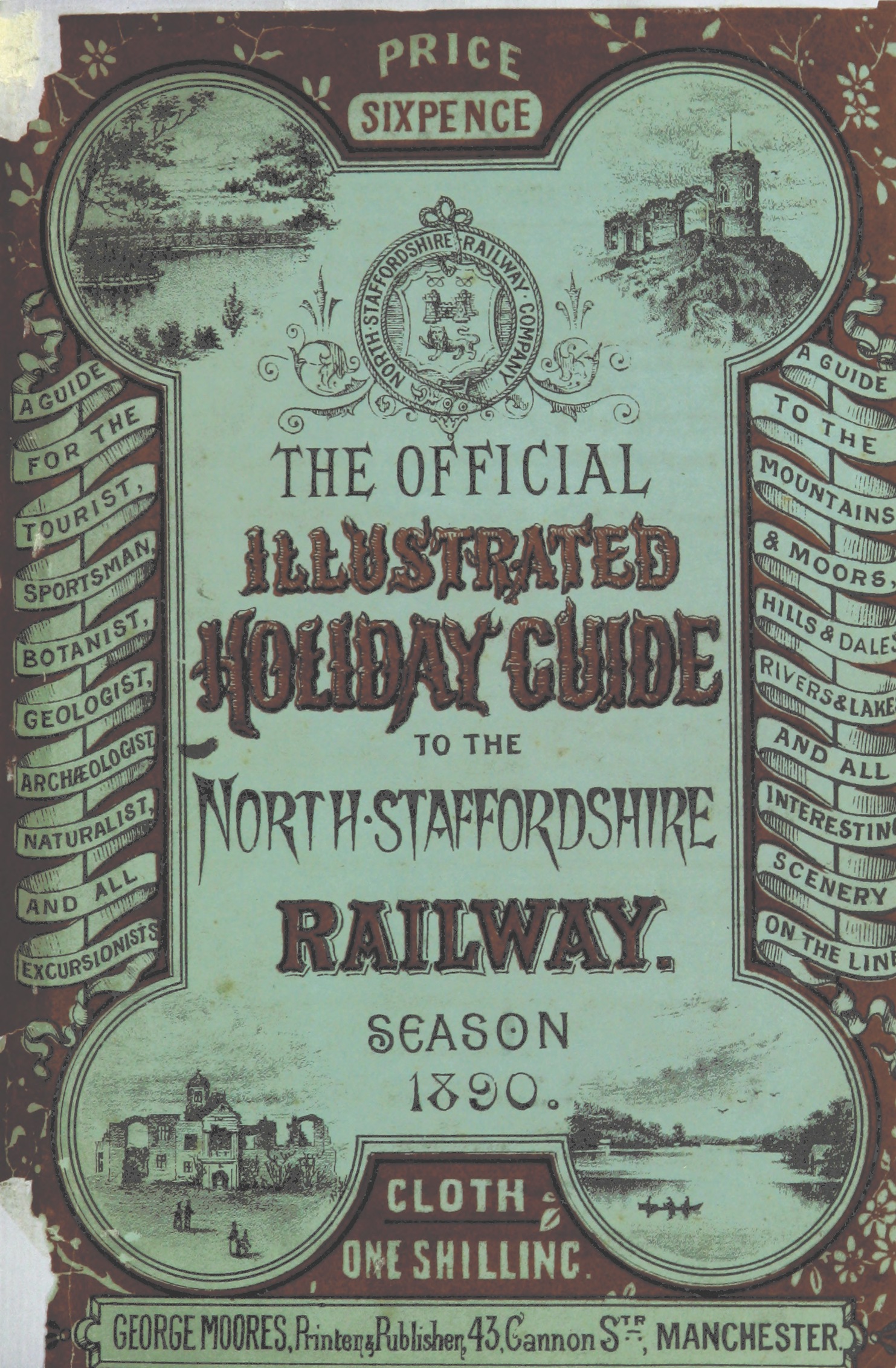
Through Staffordshire Stiles and Derbyshire Dales: a tour of the

Staffordshire and Warwickshire, past and present: by J. A. Langf

11183647705_d618e94cec_o

11064085066_e6785658da_o

11206946596_5d534c4ca2_o

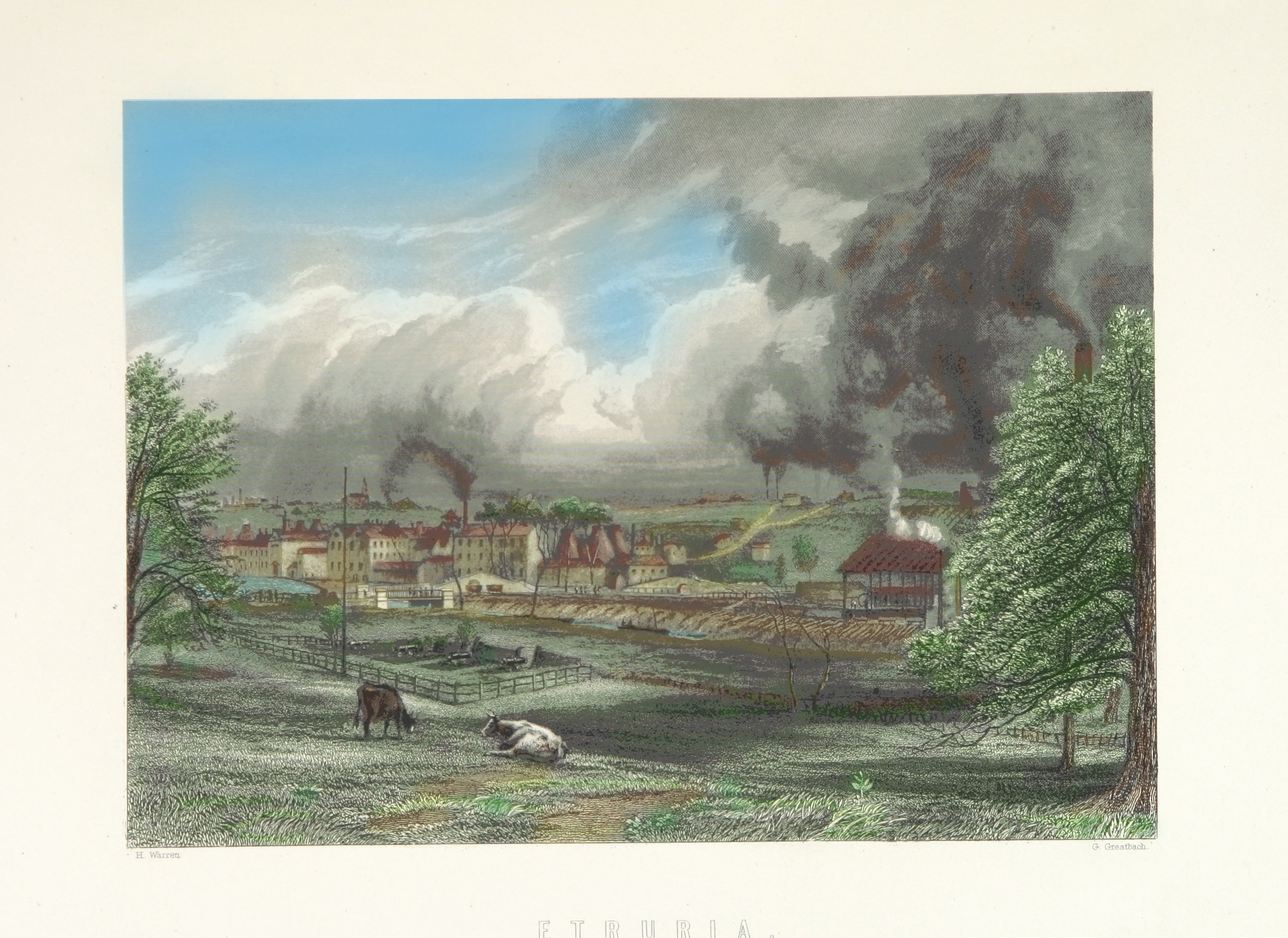
I’ve also quickly colorised the one showing Etruria undergoing industrialisation…

Staffordshire and Warwickshire, past and present: by J. A. Langf

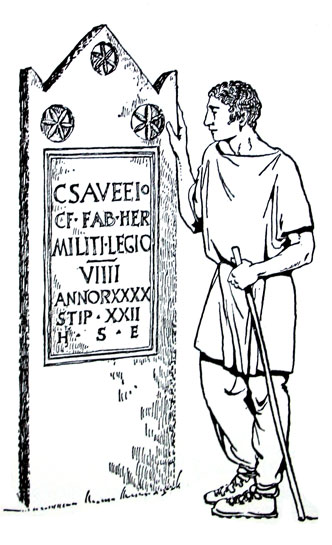
Undying Voices: the poetry of Roman Britain

A new free book, Undying Voices: the poetry of Roman Britain, drawn from stone and other inscriptions…


May the wayfarer who
sees sixteen years-old
Hermes of Commagene,
hurled into this tomb by fate,
say: ‘Greetings, you, boy, from me:
though you crept not far ahead
in your mortal life, you hasted
as quickly as possible to
the land of the Cimmerian people.’
Neither will you lie [down here], for the boy was good,
and you will do him a good service [by walking on].


To the god who conceived
roads and paths:
Titus Irdas, guard of the governor
fulfilled his promise happily, gladly, deservedly.


art-2

Trent Art

Trent Art is a very elegant new website from Stoke-on-Trent, selling “a wide range of Modern British Artists, including many Northern School Artists, both established and up and coming.” They have a private viewing room at the Potters Club in Stoke-on-Trent. http://trent-art.co.uk/ They also have a fabulously illustrated Facebook presence.

simcockWhiteHouseMowCop1960s

jack-simcock-mow-cop

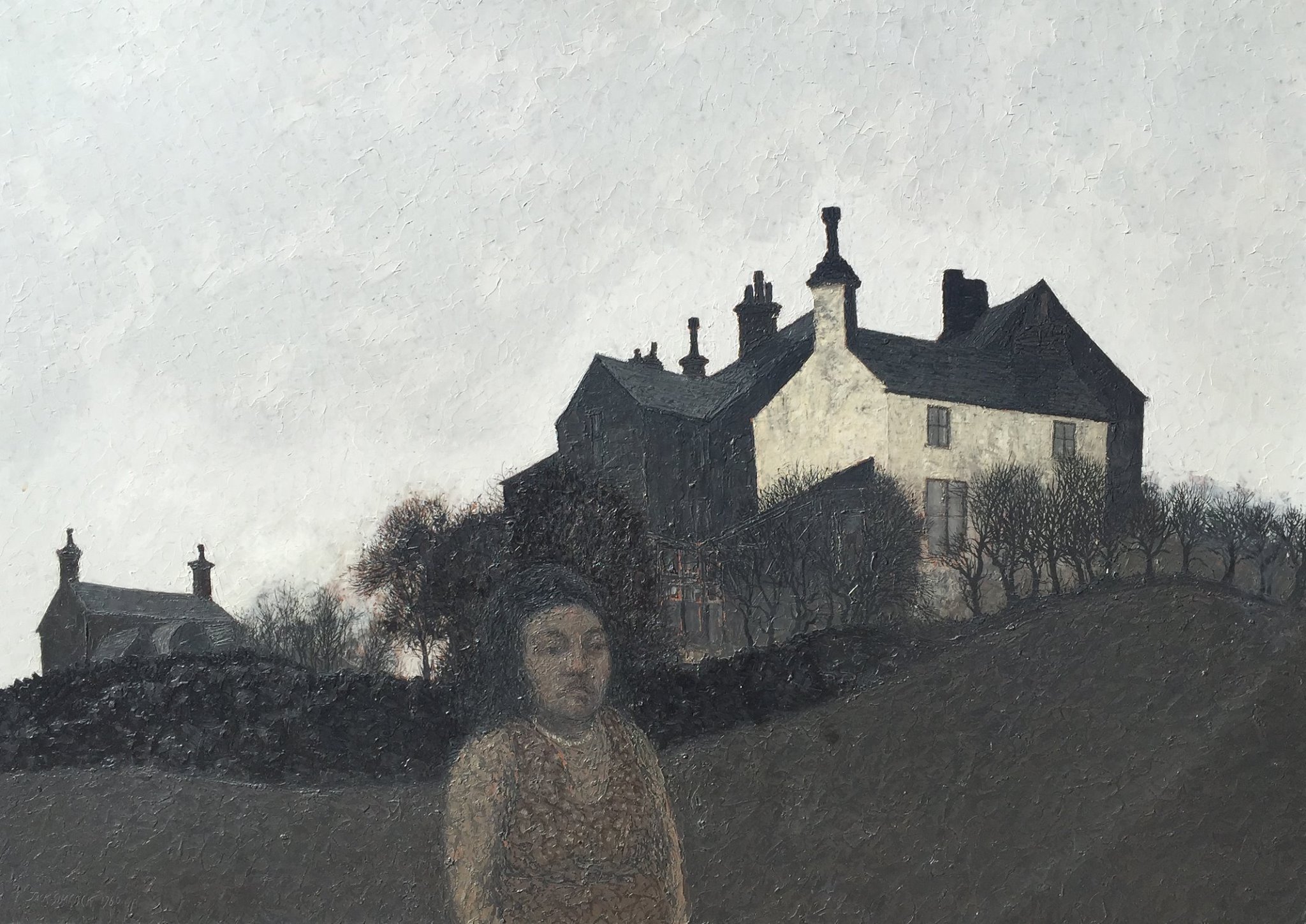
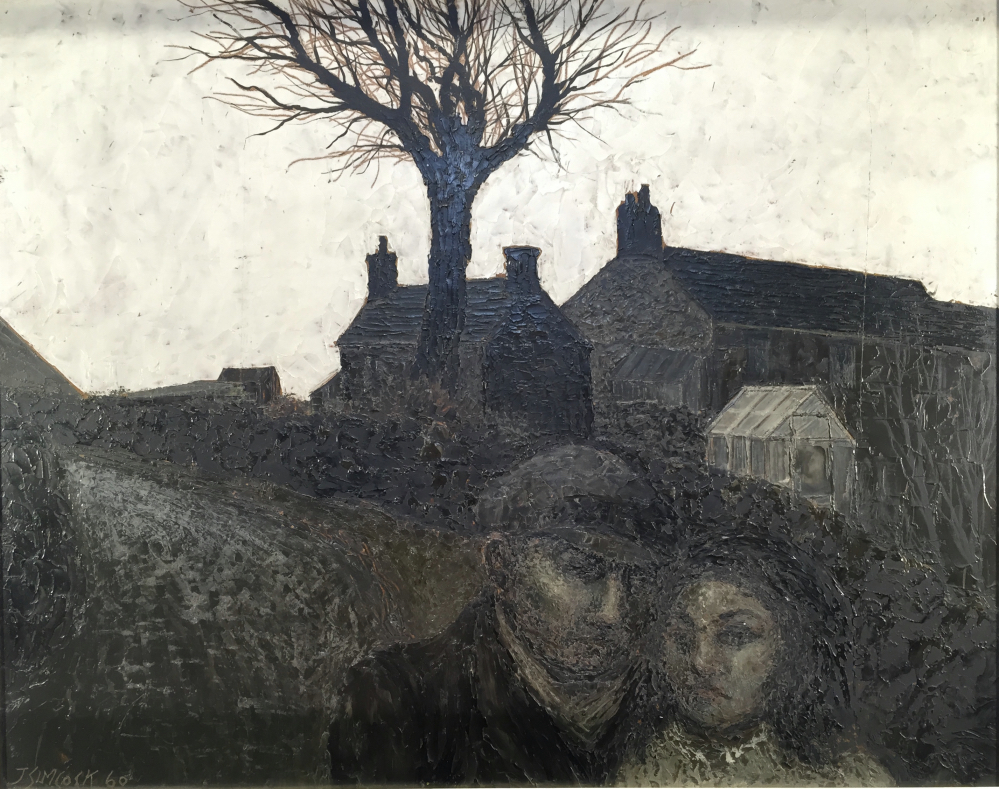
Pictures: Jack Simcock, Mow Cop Landscape and Figures, 1960, and White House Mow Cop, 1960s. From Trent Art.

The Reliquary, 1860-1908

I’ve discovered a fascinating and lavishly illustrated quarterly, published from rural Derbyshire by a Derbyshire antiquarian named Llewellynn Jewitt. Full of articles on barrow openings, local folklore and sayings, songs, old signs, and the like — mostly from Derbyshire and the Peak, and even a few items from North Staffordshire. As time goes on it seems to get sidetracked into tedious ecclesiastical and worthy-family histories, but generally it’s marvellously eclectic and local.

The Reliquary, 1860-1861 (Vol.1, No.1)
The Reliquary, 1861-1862
The Reliquary, 1862-1863
The Reliquary, 1863-1864
The Reliquary, 1865-1866
The Reliquary, 1866-1867
The Reliquary, 1867-1868
The Reliquary, 1868-1869
The Reliquary, 1869-1870
The Reliquary, 1870-1871
The Reliquary, 1871-1872
The Reliquary, 1872-1873
The Reliquary, 1873-1874
The Reliquary, 1874-1875
The Reliquary, 1875-1876
The Reliquary, 1876-1877
The Reliquary, 1877-1878
The Reliquary, 1878-1879
The Reliquary, 1879-1880
The Reliquary, 1880-1881
The Reliquary and illustrated archæologist, 1881-1882
The Reliquary and illustrated archæologist, 1882-1883
The Reliquary and illustrated archæologist, 1883-1884
The Reliquary and illustrated archæologist, 1884-1885
The Reliquary and illustrated archæologist, 1885-86

Then, after the death of the editor, a second series ran from 1887-1908. The new series appears to have ranged much more widely than the first, and had more ecclesiastical material since it was then edited by the Rev. J. Charles Cox.

The Reliquary and illustrated archæologist, 1887
The reliquary and illustrated archæologist, 1888
The Reliquary and illustrated archæologist, 1889
The Reliquary and illustrated archæologist, 1890
The reliquary and illustrated archæologist, 1891
The reliquary and illustrated archæologist, 1892
The Reliquary and illustrated archæologist, 1893
The reliquary and illustrated archæologist, 1894
The Reliquary and illustrated archæologist, 1895
The Reliquary and illustrated archæologist, 1896
The Reliquary and illustrated archæologist, 1897
The Reliquary and illustrated archæologist, 1898
The Reliquary and illustrated archæologist, 1899
The Reliquary and illustrated archæologist, 1900
The Reliquary and illustrated archæologist, 1901
The Reliquary and illustrated archæologist, 1902
The Reliquary and illustrated archæologist, 1903
The Reliquary & illustrated archæologist, 1904
The Reliquary and illustrated archæologist, 1905
The Reliquary and illustrated archæologist, 1906
The Reliquary and illustrated archæologist, 1907
The Reliquary and illustrated archæologist, 1908

An Index to The Reliquary, First Series, Volumes 1-26, 1860-86

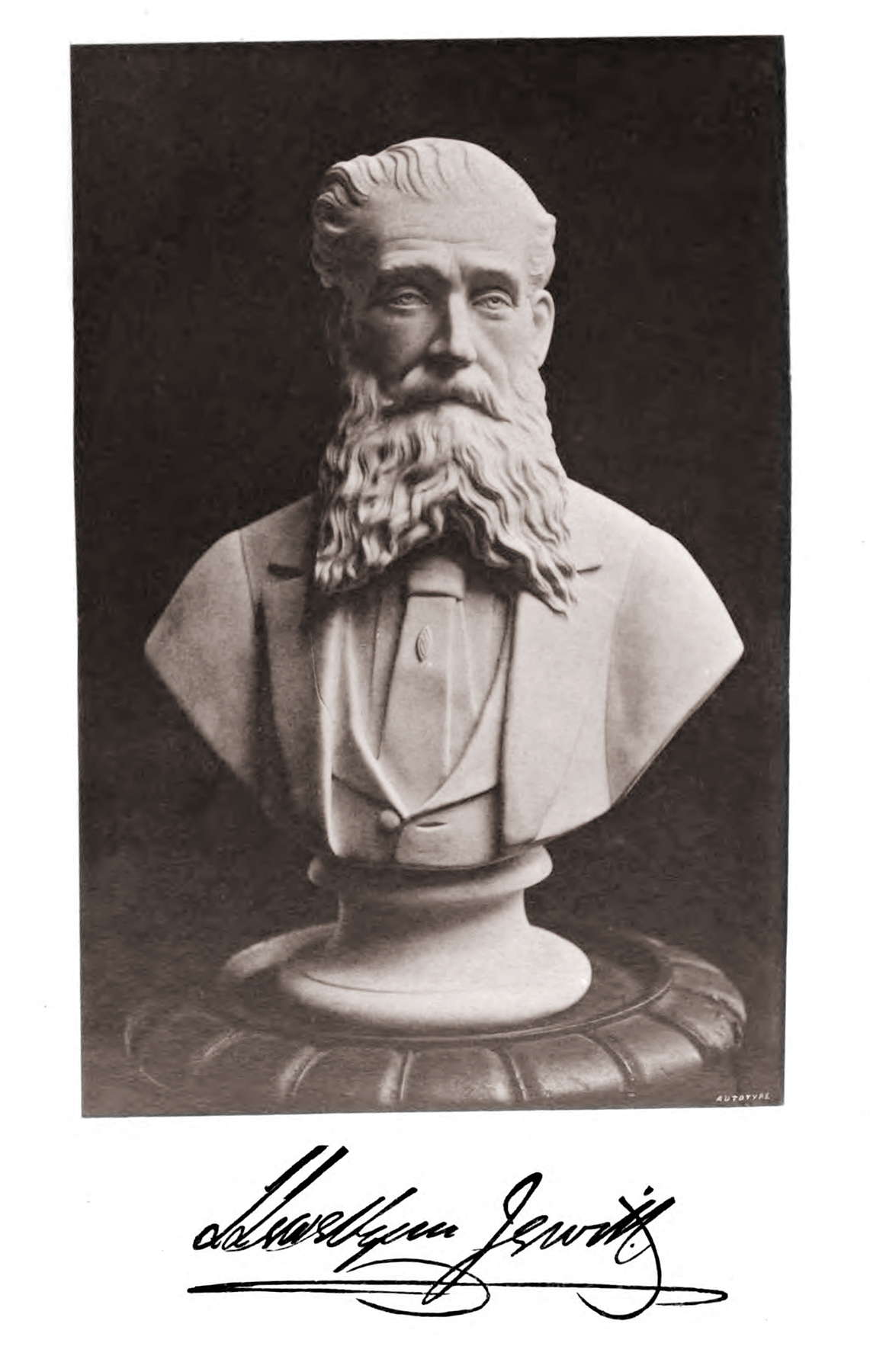
Photograph of a bust made by William Henry Goss. A full account of his life and many interests is to be found in Goss’s The Life and Death of Llewellynn Jewitt.

Notes on a Portion of the Northern Borders of Staffordshire: Superstitions

I’ve unearthed a new addition to the folklore bibliography of North Staffordshire…

* W. Beresford, “Notes on a Portion of the Northern Borders of Staffordshire: Superstitions”, The Reliquary, 1866-67.

Summary: Collected from the Moorlands. Farm superstitions. “The belief in fairies, by the way, still lingers with some here, and in witches with many”. Candle and dream omens, and petty superstitions. Methods of foretelling future husbands. There was then still a “popular belief in Moorland “ghosts”” — sometimes called a skug, a boggart, or a tuggin.

The Celt in the Machine

Local author Philip Emery (Necromatra set in Burslem, and The Shadow Cycles), former lecturer in Creative Writing at Keele University, is set to release his The Celt in the Machine, “a collection of fiction and verse spanning over thirty years”. The book from Immanion Press will be launched at Clayton public library, Newcastle-under-Lyme, on Wednesday 20th May 2015 (7.30pm). During the evening there will be readings from the new book, and a discussion on ebook publishing with ebook expert Roy Gray of TTA Press.

celtin

The Natural Kalendar

Mr. Robert Garner’s “The Natural Kalendar” gives a Natural Calendar for North Staffordshire, based on observations made over many years from 1838 to 1864, and for the birds “much longer”. This is from the North Staffordshire Naturalists’ Field Club and Archaeological Society, Annual Report, 1881.

Garner was very respected, ‘the father of the Club’, and a most reliable naturalist.


Natural Kalendar. Latitude 53, altitude 370.

Flowers expand, Week

January.
1. Christmas Rose.
2. Winter Aconite.
3. Catkins of the Hazel; the Alder later.
4. White Potentilla.

The bat sometimes on the wing; the robin and the wren, Sic, sing. Amongst insects the tiputae are out.

February.
1. Red dead Nettle.
2. Mezereon.
3. Coltsfoot.
4. Cornus mascula.

Helophorus out (13). The hedge sparrow sings.

March.
1. Pilewort.
2. Wood Anemone.
3. Wild Snowdrop.
4. Wild Daffodil.

Frogs croak and rooks now busy. The Yellow-hammer sings.

April.
1. Dog’s Violet.
2. Stitchwort.
3. Butter-burr.
4. Wild Hyacinth.

The chiff-chaff comes about the 7th; the sand martin about the 14th; the swallow arrives on an average in the 4th week, also the willow wren; the cuckoo generally in the third week, and the tree-pipit.

May.
1. Sweet Cicely.
2. Hawthorn. (The May-bug, the Magpie-moth.)
3. Butterfly Orchis.
4. Bird Cherry.

The garden warbler, corncrake, the swift in the 2nd week.

June.
1. Ragged Robin.
2. Bitter-sweet.
3 The Elder Flowers.
4. Potentilla anserina. (The Ghost-moth.)

July.
1. Stone crop.
2. Giant Throat-wort.
3. Meadow Geranium.
4. Foxglove.

Most birds are now become mute.

August.
1. Toad-flax.
2. Wood hawkweed.
3. Narrow-leaved ditto.
4. Green Habenaria.

The swift leaves early in the month.

September.
1. Field Gentian.
2. Grass of Parnassus.
3. Michaelmas Daisy.

Flowers now become scarce; the redwing appears, and the wheatear also en passant.

October.
1. Crocus Nudiflorus.

The bilberry bears a second crop, and a few late flowers are still found. Now fungi abound. The tree-foliage is now most varied in its tints. Swallows and martins are last seen about the middle of the month.

November.

The common pansy is often still very pretty in the fields. The ivy flowers, and the mole is often at work in open weather.

December.

The Christmas rose often flowers about the middle of the month, also a few other floral remnants as periwinkle, ivy-leaved toadflax, but generally speaking we may say:

“No mark of vegetable life is seen,
No bird to bird repeats his tuneful call,
Save the dark leaves of some rude evergreen,
Save the lone redbreast on the moss-grown wall.”
Beech Caves rock homes

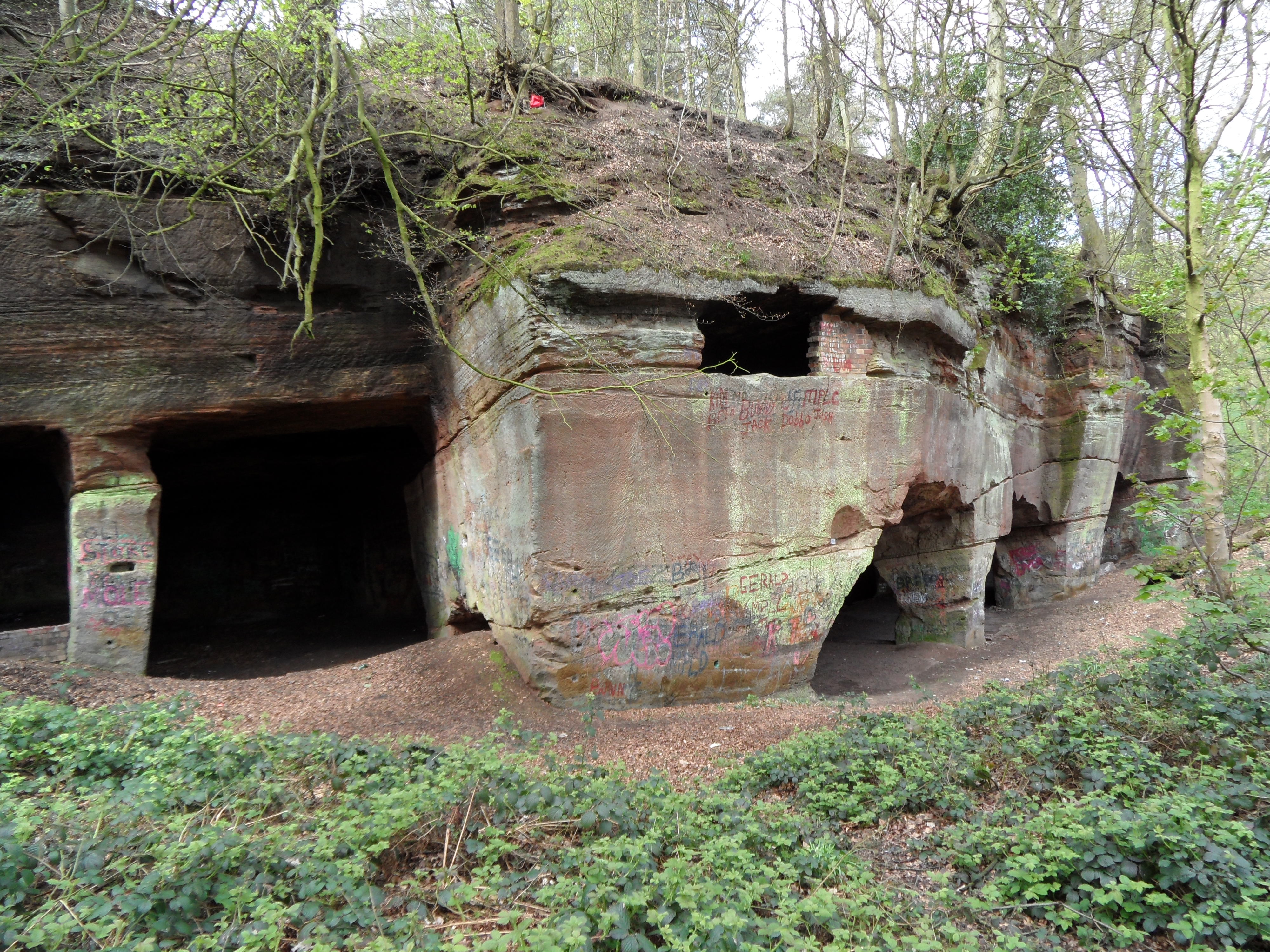
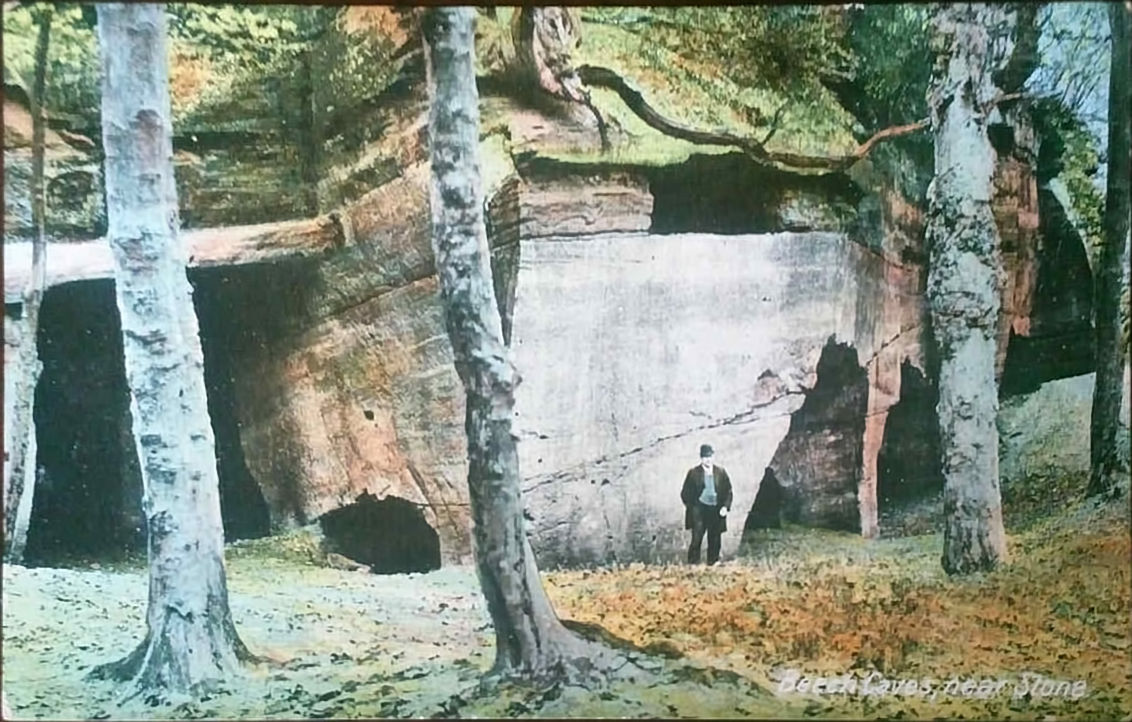
Just south of Stoke are old rock houses that people used to live in, the Beech Caves near Tittensor, a few miles south of Trentham. Seemingly they’re being left to the local yobs and vandals. Might they be restored and turned into a hobbit-y tourist attraction?

North Staffordshire Naturalists’ Field Club, Annual Report, 1878. Sectional Reports : Geology, report on field trip to the “New Red Sandstone quarry, at Beech” and vicinity. “Not far from Beech inhabited cottages, cut in the living rock, were observed.”

beech-caves-038

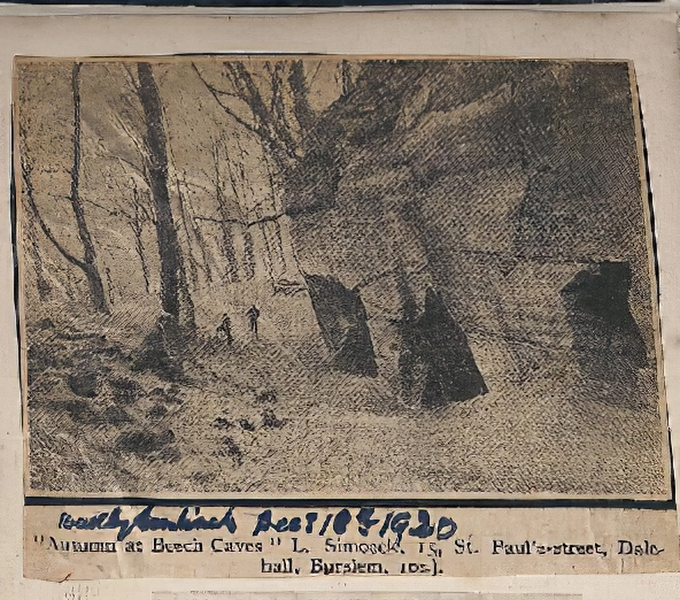
An old scrapbook cutting from the Sentinel, 1920, photographed by Simcock of Dale Hall…