Bride Stones

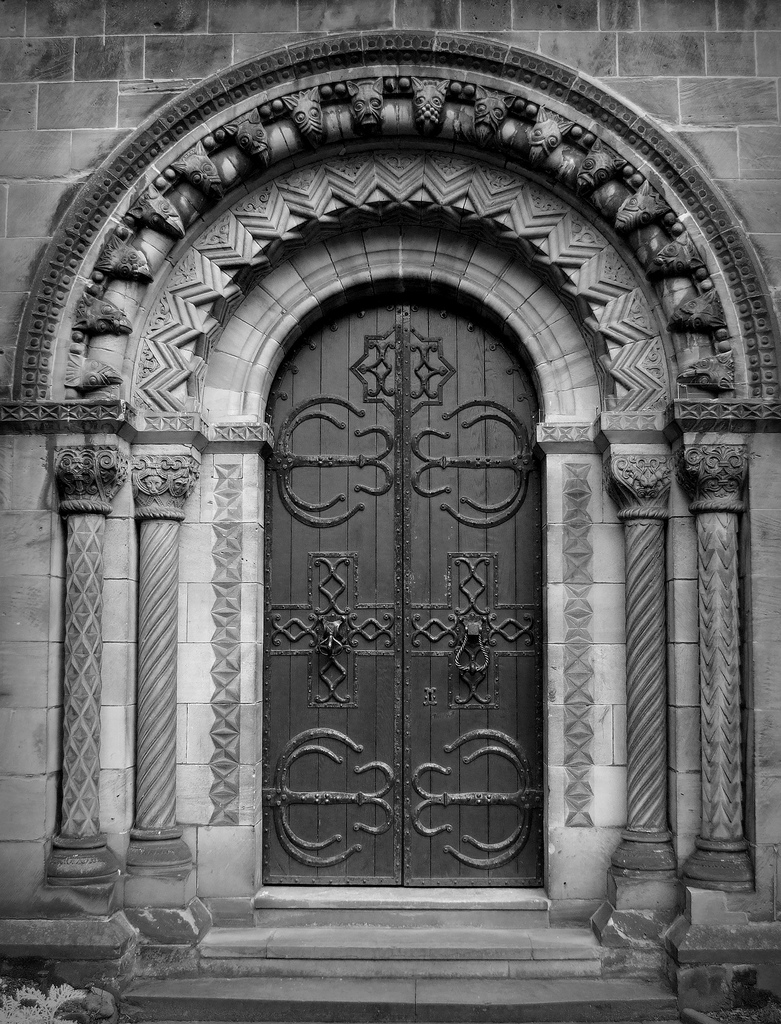
Two views of Burslem’s Queen St., and the ancient Bride Stones.
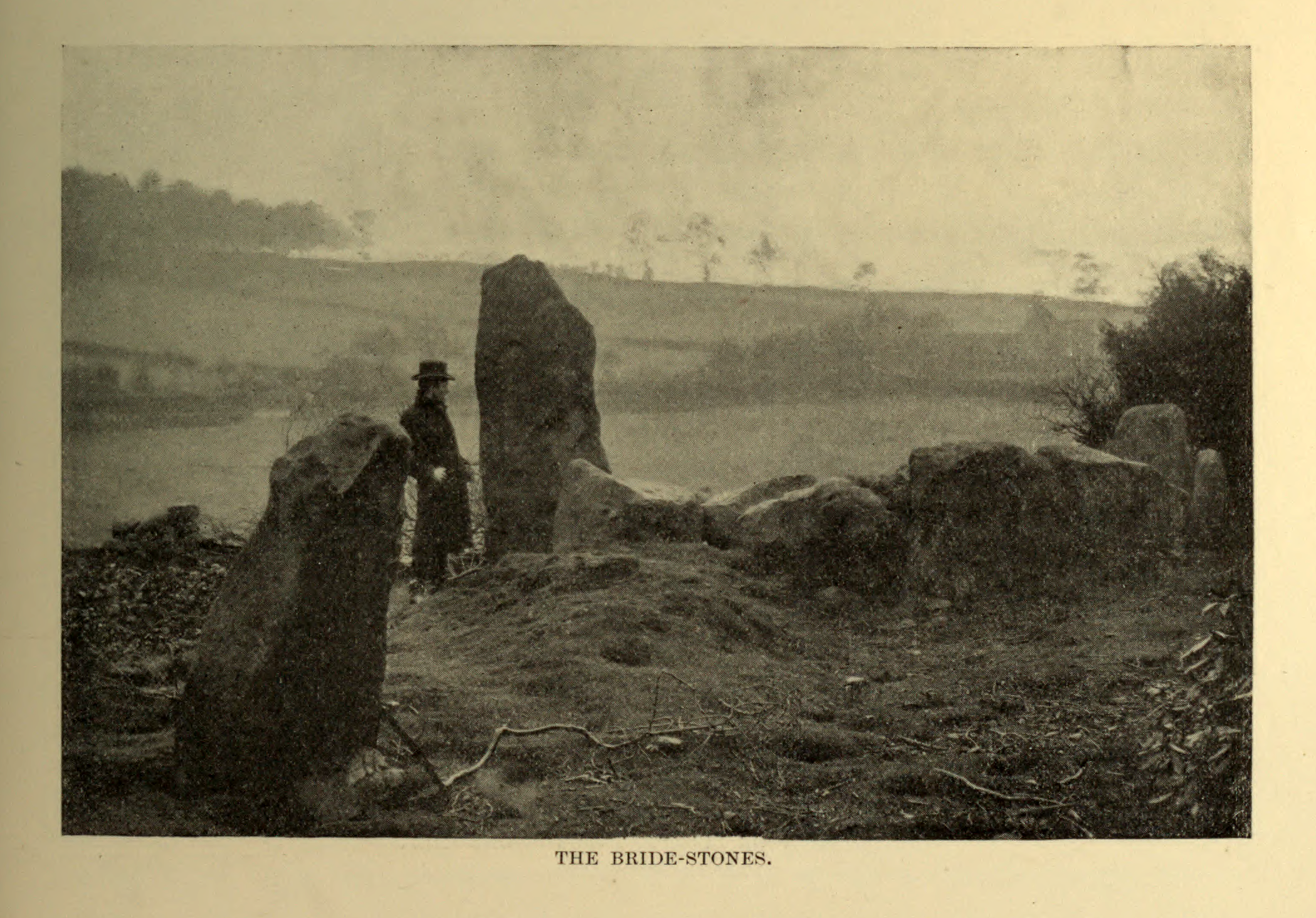
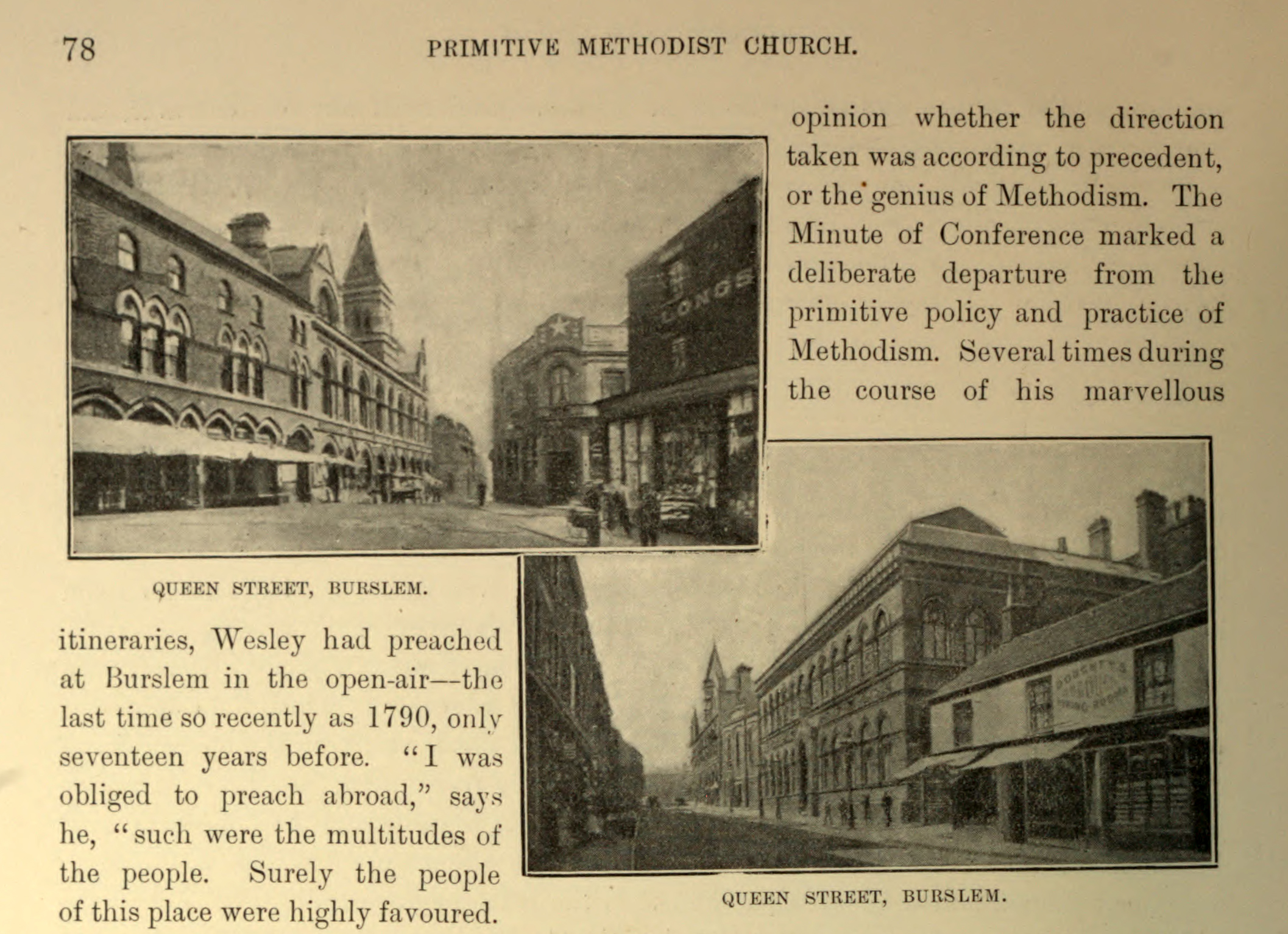
Queen Street features in my novel The Spyders of Burslem. One can see signs for “Longs” and what looks like “Doughty’s Reading Rooms” alongside the Wedgwood Institute. The steepled tower, long-gone, is remarkable. These three pictures were found in the marvellously illustrated The origin and history of the Primitive Methodist Church, and extracted at the highest resolution. They’re public domain, so feel free to re-use. The first half of the book is worth looking at for the wealth of local topographical pictures of Burslem and the Moorlands, even if one has no interest in the history of primitive Methodism. One wonders if the original paste-ups for the book are yellowing deep in some obscure Methodist archive, and might be found and their pictures scanned at hi-res?
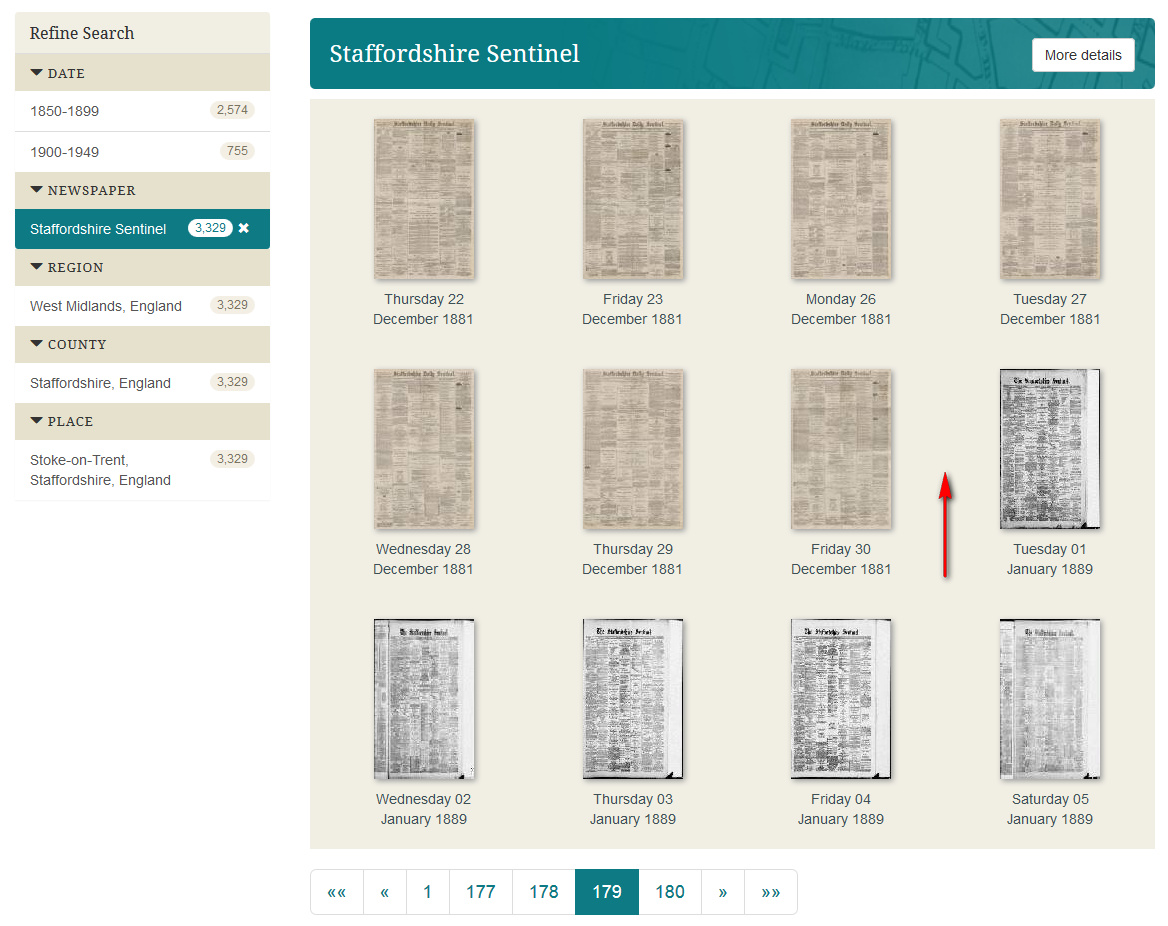
Missing: the 1880s in North Staffordshire

I’ve discovered that the British Newspaper Archive online service has no coverage of The Sentinel from 30th December 1881 to 1st January 1889. The microfilm apparently has no such gap, as Stoke-on-Trent City Archives states they keep… “Staffordshire Sentinel, later Evening Sentinel, now Sentinel, from 1854, on microfilm. Staffordshire Advertiser, 1795-1973, on microfilm.” I’d suspect that the British Newspaper Archive’s digitisation contractor accidentally skipped a decade-sized block of the microfilm boxes, when building the online archive.

Pots of results, and none are the ones you want

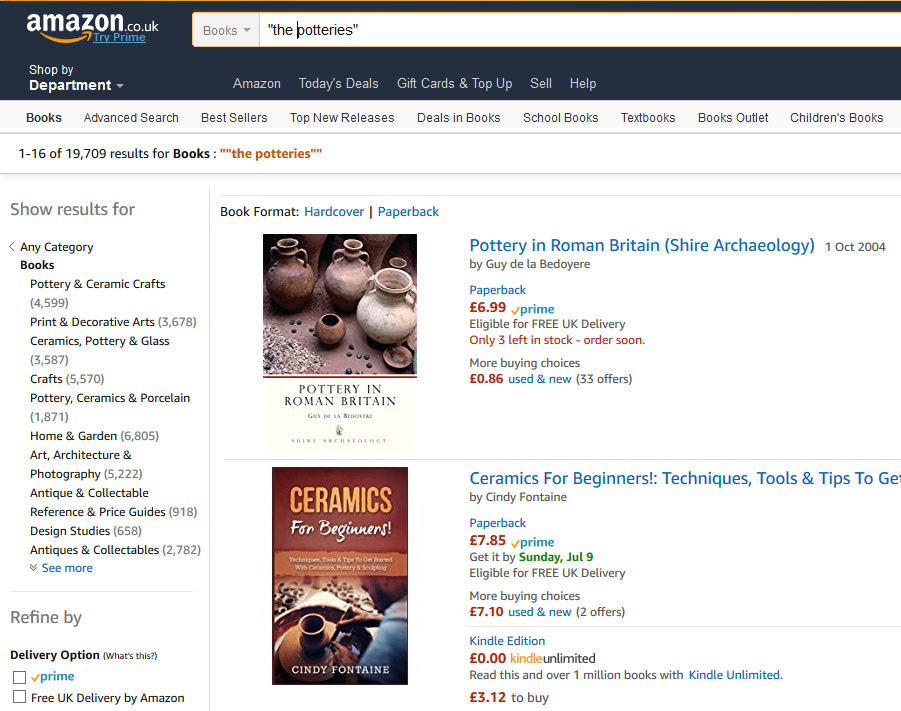
Amazon is so dumb when it comes to search and taste matching. All that brain-power and technology they have at their fingertips, and they can’t even let you search for “Potteries” or “the Potteries”, instead defaulting to results for 19,000 books about pottery. Nope, The Potteries, the place. We exist, we’re a major city, books have been written about us, some of which have “Potteries” in their titles. Nor can one use search modifiers ‘-pottery’ or ‘NOT pottery’ to exclude all the pottery making and archaeology books.